
Thinking about remodeling your house? It can be a big job, but with the right steps, it doesn’t have to be overwhelming. Whether you’re looking to upgrade your kitchen, redo the bathroom, or just give your living space a fresh look, some planning can make all the difference. Here’s a rundown of some straightforward tips to help you navigate the remodeling process smoothly.
Key Takeaways
- Start with a clear plan and budget to avoid surprises.
- Choose the right contractor by checking references and credentials.
- Stay involved in the project, but trust the pros to do their job.
- Prepare for unexpected issues and have a contingency plan.
- Keep communication open with your contractors for a smooth process.
Planning Your House Remodel for Success

Embarking on a house remodel can be both thrilling and daunting. To set yourself up for success, you need a solid plan. Let’s dive into some key steps to ensure your renovation journey is as smooth as possible.
Setting Clear Goals and Priorities
Before you even think about swinging a hammer, it’s crucial to outline what you want to achieve with your remodel. Identifying your must-haves versus nice-to-haves can guide your decisions. Maybe you want a bigger kitchen or a more energy-efficient home. Write these down and rank them. This way, when tough decisions arise, you know what takes precedence.
Creating a Realistic Budget
A well-thought-out budget is your best friend during a remodel. Start by assessing your financial boundaries. Consider your savings, potential loans, and any other funding sources. Don’t forget to include a contingency fund—unexpected expenses are almost guaranteed. Here’s a simple budget breakdown to get you started:
| Item | Estimated Cost |
|---|---|
| Design and Planning | $1,000 – $5,000 |
| Permits and Inspections | $500 – $2,000 |
| Materials and Supplies | $10,000 – $50,000 |
| Labor | $15,000 – $75,000 |
| Contingency (10-20%) | Varies |
Establishing a Timeline
Timing is everything. Work with your contractor to develop a realistic timeline that considers all phases of the project. Be mindful of potential delays and seasonal factors that might impact your schedule. Planning around personal events or holidays can also prevent unnecessary stress. A clear timeline helps keep everyone on the same page and minimizes surprises.
Remember, a successful remodel is not just about the end result but also about enjoying the process. With clear goals, a solid budget, and a realistic timeline, you’re well on your way to a detailed plan that covers all bases.
Choosing the Right Professionals for Your Renovation
Researching and Vetting Contractors
Picking the right contractor is like finding a needle in a haystack. You want someone who gets your vision and can actually make it happen. Start by asking friends or family for recommendations—they might know a contractor who did a killer job on their kitchen or bathroom. Don’t just stop there; dig a little deeper. Check out their past projects and see if their style matches what you’re going for. You might even want to chat with some of their past clients to get the real scoop.
When you’re vetting a contractor, ask about their experience with similar projects. Do they have the right licenses and insurance? You don’t want to be caught off guard if something goes south. Plus, a good contractor will be upfront about costs and timelines, so you know what you’re getting into from the get-go.
Understanding Contracts and Agreements
Contracts might seem like a drag, but they’re super important. They spell out exactly what you and your contractor are agreeing to—no guessing games. Make sure everything is in there, from the scope of work to payment schedules. Don’t shy away from asking questions if something doesn’t make sense. You’ll want to be crystal clear on what happens if there are delays or unexpected costs.
A solid contract protects both you and the contractor. It’s not just about covering your butt; it’s also about setting clear expectations so everyone’s on the same page. And remember, the experts at Ruach Home Services can guide you through this process, ensuring your remodeling journey starts on the right foot.
Ensuring Proper Licensing and Insurance
This might sound boring, but trust me, it’s crucial. A contractor without the right licensing or insurance is a big red flag. If they don’t have it, you could be liable for any accidents or damages during the renovation. Always ask to see their credentials before signing anything.
Having proper insurance means that if something goes wrong, you’re not left holding the bag. It’s peace of mind knowing that you’re covered no matter what. So, before you dive into your renovation, do your homework and make sure your contractor is legit. It’s a small step that can save you a ton of headaches later.
Managing the Renovation Process Effectively
Staying Involved Without Micromanaging
Being part of your renovation journey is key, but there’s a fine line between involvement and micromanagement. Trust your contractor to handle the day-to-day tasks. They’re the experts, after all. Focus on the big-picture decisions, like selecting designs or approving final plans. This way, you stay informed without getting bogged down in the nitty-gritty details, which can lead to unnecessary stress and slow down the process.
Maintaining Open Communication
Keeping the lines of communication open with your contractor is crucial. Set up regular check-ins—whether through weekly meetings or quick calls—to discuss progress and address any concerns promptly. This proactive approach helps minimize misunderstandings and keeps the project on track. You might also consider using project management tools to share updates and track progress efficiently.
Celebrating Milestones and Progress
Renovations can sometimes feel like they drag on forever, but taking time to celebrate small wins can keep you motivated. Whether it’s completing a major phase or just seeing a room start to take shape, acknowledge and enjoy these moments. A positive mindset can make the renovation process a lot more enjoyable. Remember, the journey is just as important as the destination!
Organizing Your Space for a Smooth Renovation
Decluttering and Storing Belongings
Before the sledgehammers come out, clearing your space is a top priority. Start by decluttering the space and deep cleaning all surfaces, including walls, floors, and windows. Pack away anything you don’t need daily and label boxes like you’re moving house. This way, if you need something mid-renovation, you won’t have to dig through chaos. Store these boxes in a designated area, away from the construction zone, to keep everything organized and safe.
Setting Up Temporary Living Arrangements
If you’re tackling a big project, like a kitchen overhaul, think about where you’ll live temporarily. Maybe you can set up a mini kitchen in the garage or move your bedroom to the basement. The key is to keep some comfort and routine in your daily life. Consider noise-canceling headphones if you work from home—construction noise can be a real productivity killer!
Creating a Safe and Efficient Work Environment
Safety first, right? Make sure kids and pets are kept out of the construction area. Use plastic sheeting to block off rooms, keeping dust and debris in check. Ask your contractor to cut materials like tiles and drywall outside to minimize indoor mess. Having one entry and exit point for workers can also help control the flow of dust and dirt. And remember, a tidy workspace isn’t just about aesthetics; it boosts productivity and keeps everyone safe.
Dealing with Unexpected Challenges During Remodeling
Preparing for Delays and Cost Overruns
Let’s be real—no renovation ever goes exactly as planned. Things pop up, like hidden structural issues or a sudden change in material availability. To keep your cool, set aside a contingency fund—about 15% of your budget should do. This will cover those surprise expenses without sending you into a panic. And remember, renovations often take longer than you think, so build some buffer time into your schedule.
Keeping a Flexible Mindset
Setbacks happen, and that’s okay. Whether it’s a weather delay or a favorite tile being out of stock, try to stay adaptable. Keeping a positive attitude can make all the difference when things aren’t going your way. Remember, the final outcome will be worth the hassle.
Communicating with Contractors About Issues
Open and honest communication with your contractors is key. Set up regular check-ins to discuss progress and any issues that arise. This helps prevent misunderstandings and keeps the project moving smoothly. Encourage your team to provide feedback and be open to their suggestions. For more on effective management, consider evaluating successes and areas for improvement throughout the project.
Selecting Quality Materials for Long-Lasting Results
Choosing the right materials for your home renovation can be a game-changer. It’s not just about looks; it’s also about how well things hold up over time. Let’s dive into some key points to consider.
Balancing Cost and Quality
When you’re picking materials, it’s tempting to go for the cheapest option. But hold up! Cheaper isn’t always better in the long run. High-quality materials might cost more upfront, but they often pay off with durability and fewer repairs down the line. Think of it as an investment in your home’s future. Make a list of must-have features and match them with materials that fit your budget without skimping on quality.
Considering Environmental Impact
In today’s world, thinking about the environment is more important than ever. Look for materials that are eco-friendly and sustainable. Recycled materials, low-VOC paints, and sustainably sourced wood are great options. Not only do these choices help the planet, but they can also improve your home’s air quality.
Choosing Timeless Designs
Trendy designs can be fun, but they might not stand the test of time. Opt for classic styles that won’t go out of fashion. Neutral colors and simple patterns are safe bets. You want your renovation to look good now and in the future.
Picking the right materials isn’t just about what’s trendy or cheap—it’s about making smart choices that last. Quality materials can transform your home and make it a place you’ll love for years to come.
Here’s a quick look at some essential building materials you might consider:
| Material | Pros | Cons |
|---|---|---|
| Concrete | Durable, strong, versatile | Can crack if not properly installed |
| Bricks | Long-lasting, classic look | Heavy, requires skilled labor |
| Treated Timber | Resistant to pests and decay | Can be more expensive |
Remember, the choices you make today can impact your home’s value and functionality for years. So, take your time, weigh your options, and don’t be afraid to ask for expert advice.
Reducing Stress Throughout the Renovation Journey
Taking Breaks and Vacations
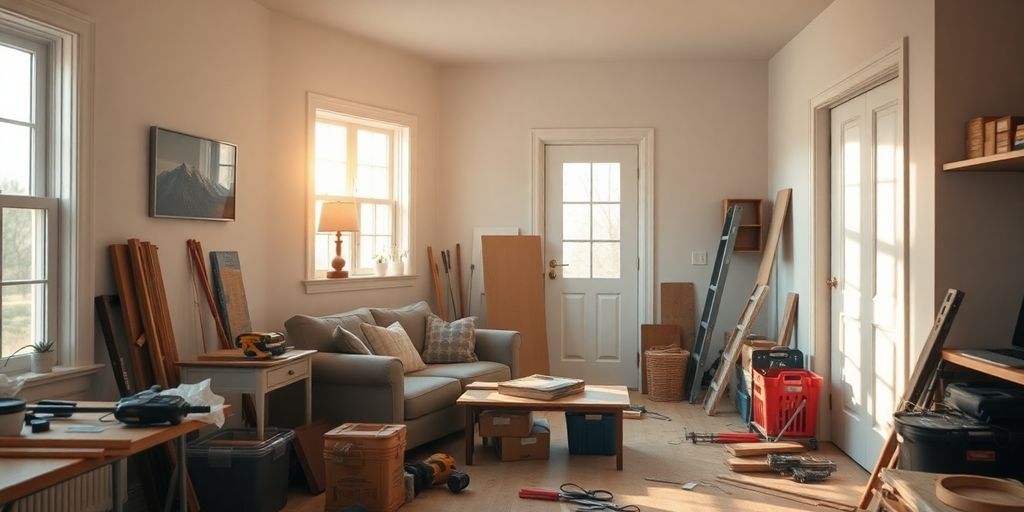
When your home is a construction zone, it can feel like there’s no escape from the chaos. One way to keep your sanity is by planning a getaway. If you can swing it, take a vacation or even a short staycation. Spending time away from the noise and dust can do wonders for your stress levels. A few days at a friend’s place or a nearby hotel might be just what you need to recharge.
Practicing Mindfulness and Patience
Renovations are notorious for testing your patience. Embrace mindfulness techniques to help you stay calm and centered. Whether it’s a short meditation session or a few deep breaths, these practices can help keep your stress in check. Remember, setbacks are part of the process, and staying patient can make the journey a bit smoother.
Focusing on the End Result
It’s easy to get bogged down by the day-to-day inconveniences of a renovation, but keeping your eyes on the prize can help. Visualize the finished space and how it will enhance your life. Celebrate the small victories along the way, like when a room is finally painted or a new fixture is installed. These milestones remind you that progress is being made.
Renovations are a marathon, not a sprint. Keeping a positive mindset and focusing on the end result can make the journey more bearable. Remember, the mess is temporary, but the improvements are long-lasting.
Renovating your home can be a tough journey, but it doesn’t have to be stressful. To make things easier, take breaks, ask for help, and keep a positive attitude. Remember, every step you take brings you closer to your dream home. For more tips and support, visit our website and let us help you through this exciting process!
Wrapping Up Your Renovation Adventure
So, there you have it! Taking on a home renovation might feel like a big deal, but with some planning and a bit of patience, you can totally pull it off. Remember, it’s all about having a clear plan, setting a budget, and picking the right folks to help you out. Sure, there might be a few bumps along the way, but that’s just part of the journey. Keep your eyes on the prize, and soon enough, you’ll be kicking back in your newly revamped space, wondering why you didn’t do it sooner. Happy renovating!
Frequently Asked Questions
How do I start planning for my home remodel?
Begin by setting clear goals for what you want to achieve. Make a list of must-haves and nice-to-haves, then create a budget and timeline. Research contractors and gather all necessary permits before starting.
What should I consider when choosing a contractor?
Look for contractors with good reviews and experience in the type of renovation you need. Check their licenses and insurance, and ask for references. It’s important to feel comfortable communicating with them.
How can I manage my renovation budget effectively?
Set a realistic budget that includes a 10-20% contingency for unexpected costs. Get detailed estimates from contractors and keep track of all expenses. Prioritize spending on areas that add the most value.
What if unexpected problems occur during the renovation?
Stay flexible and communicate openly with your contractor. Have a contingency plan and budget in place for surprises like delays or extra costs. Regular check-ins with your contractor can help address issues quickly.
How can I reduce stress during the renovation process?
Take breaks and possibly plan a short vacation. Practice patience and focus on the end result. Keeping a positive mindset and celebrating small milestones can also help reduce stress.
What are some tips for living in my home during renovation?
Set up a temporary living area away from the construction zone. Keep the area tidy and organized to minimize disruption. Consider staying with friends or family if the renovation is extensive.