
Owning a home is a big deal, and keeping it in good shape is part of the package. You might think repairs can wait, but the truth is, staying on top of them can save you a lot of trouble—and money—down the road. From the roof over your head to the foundation under your feet, every part of your house needs some love and care. This guide is here to help you figure out what needs fixing and when, so your home stays safe and comfy.
Key Takeaways
- Regular check-ups on your home can prevent bigger issues later.
- Roof repairs are crucial; don’t ignore signs like leaks or missing shingles.
- Keep an eye on plumbing; small leaks can turn into big problems.
- Electrical repairs need caution—sometimes it’s best to call a pro.
- Foundation issues shouldn’t be ignored; they can affect the whole house.
Understanding the Importance of Regular Home Maintenance
Why Regular Inspections Matter
Keeping up with regular home inspections can save you a ton of headaches down the line. Think of it like a doctor’s check-up for your house. You wouldn’t skip those, right? Regular inspections help spot small problems before they turn into big, expensive ones. A loose shingle here, a tiny leak there—fixing these early can prevent major damage. It’s all about nipping issues in the bud.
Identifying Common Problem Areas
Every house has its trouble spots. Some places are just more prone to wear and tear. Here’s a quick rundown:
- Roof: Check for missing or damaged shingles.
- Plumbing: Look for leaks under sinks and around toilets.
- Foundation: Keep an eye out for cracks or settling.
- HVAC Systems: Ensure filters are clean and the system is running smoothly.
The Cost of Neglecting Repairs
Ignoring repairs might seem like a money-saver, but it often leads to bigger bills. For instance, a small leak can lead to water damage, mold, and even structural issues. Here’s a simple table that breaks down potential costs:
| Issue | Immediate Fix Cost | Neglected Cost |
|---|---|---|
| Roof Leak | $200 – $500 | $5,000+ |
| Plumbing Leak | $150 – $350 | $2,000+ |
| Foundation Crack | $500 – $1,000 | $10,000+ |
"Skipping regular maintenance is like waiting for your car to break down before changing the oil. It’s not a question of if, but when." – This mindset shift can save you thousands.
For those looking to tackle home repairs themselves or find a reliable contractor, understanding these basics is key. Whether you’re dealing with structural damage or just outdated designs, knowing what to look for and when to act can make all the difference.
Roof Repairs: Protecting Your Home from Above
Signs Your Roof Needs Attention
Your roof might be out of sight, but it should never be out of mind. Keeping an eye out for signs of wear and tear is crucial. Missing or damaged shingles are a clear indicator that your roof needs some love. If you notice dark spots or trails, that’s a sign of water damage. Inside your home, water stains on ceilings or walls can also point to a leaky roof. Don’t wait until you spot a drip; regular checks can save you a lot of hassle.
Choosing the Right Materials for Roof Repair
When it comes to fixing your roof, picking the right materials is key. Asphalt shingles are popular because they’re affordable and easy to install. Metal roofing lasts longer but costs more upfront. If you’re in an area with heavy snowfall, slate might be your best bet because it’s durable and can handle the weight. Each material has its pros and cons, so weigh them carefully based on your needs and budget.
DIY vs. Professional Roof Repair
Thinking about tackling roof repairs yourself? It’s doable if you’re handy, but there are risks. Climbing up there is dangerous, and if you’re not careful, you could cause more harm than good. For minor fixes, like replacing a few shingles, DIY might be fine. But for bigger jobs, hiring a pro is usually the safer bet. They have the right tools and experience to get it done right.
Regular roof maintenance extends its lifespan, reduces expensive repairs, and ensures a safe environment for your family and possessions. Learn more about roof maintenance and keep your home protected from above.
Plumbing Fixes: Ensuring a Leak-Free Home
Detecting Hidden Leaks Early
Finding leaks early can save you a ton of hassle and money. Water leaks can sneak up on you, causing damage before you even know they’re there. So, what’s the trick? Pay attention to your water bill. If it suddenly jumps without a reason, you might have a leak. Also, check under sinks and around appliances for any damp spots. Don’t forget to listen for the sound of water running when everything’s off.
It’s amazing how much damage a tiny leak can do over time. Catching them early is key to avoiding bigger problems down the road.
Essential Tools for Plumbing Repairs
Got a plumbing problem? Having the right tools on hand makes all the difference. Here’s a quick list of what you’ll need:
- Pipe wrench: Perfect for gripping and turning pipes.
- Plumber’s tape: Helps seal pipe threads to prevent leaks.
- Plunger: Not just for toilets, it can clear clogs in sinks too.
- Basin wrench: Great for those hard-to-reach nuts under sinks.
These tools can tackle most minor plumbing issues around the house. Keep them handy, and you’ll be ready for most small repairs.
When to Call a Professional Plumber
Sometimes, the job is just too big or complicated to handle on your own. If you’re dealing with major leaks, low water pressure, or sewer line issues, it’s time to contact a professional plumber. They have the skills and equipment to fix things right the first time. Plus, they can spot potential problems that you might miss.
Don’t hesitate to seek help when you’re out of your depth. It’s better to be safe than sorry, especially when it comes to keeping your home leak-free.
Electrical Repairs: Keeping Your Home Safe and Functional
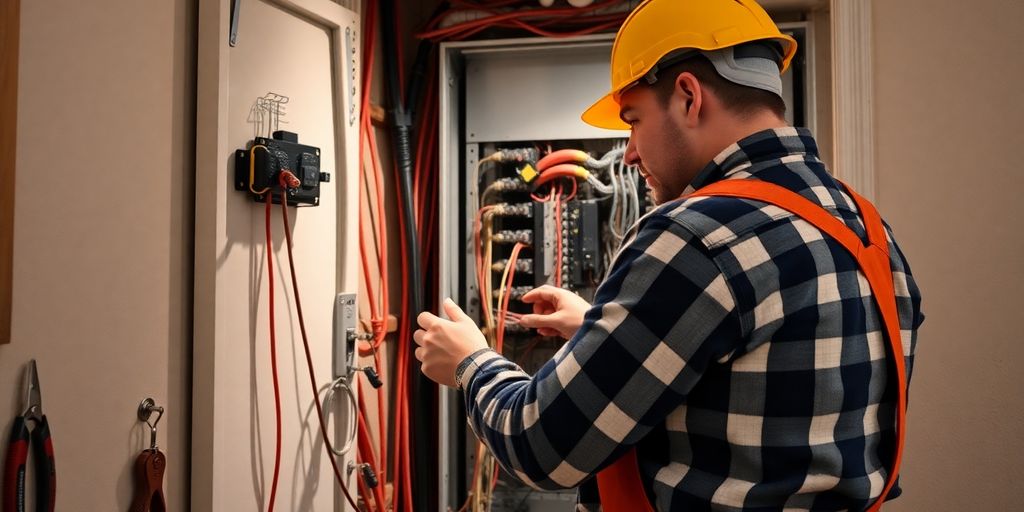
Common Electrical Issues in Homes
Electrical problems can sneak up on you, often when you least expect them. Some of the most frequent issues homeowners face include flickering lights, faulty outlets, and circuit breakers that trip for no apparent reason. These problems might seem small, but they can be signs of bigger issues lurking behind your walls.
- Flickering Lights: Often caused by loose wiring or a faulty fixture.
- Faulty Outlets: Could indicate a wiring problem or a worn-out outlet.
- Tripping Breakers: Might be due to overloaded circuits or a short circuit.
If you notice any of these issues, it’s important to address them promptly to avoid potential hazards.
Safety Precautions for DIY Electrical Work
Taking on electrical repairs yourself can be tempting, especially if you’re handy around the house. But remember, safety first! Here are some precautions you should always take:
- Turn Off the Power: Before you start any electrical work, make sure the power is off at the breaker box.
- Use Proper Tools: Ensure you have the right tools for the job, like insulated screwdrivers and voltage testers.
- Stay Dry: Never work with electricity in wet conditions or with wet hands.
It’s always better to be safe than sorry. If you’re unsure about any electrical task, consider calling a professional. Your safety and the safety of your home is the top priority.
Hiring a Licensed Electrician
Sometimes, it’s best to leave electrical repairs to the pros. Hiring a licensed electrician ensures the job is done correctly and safely. When choosing an electrician, consider the following:
- Check Credentials: Make sure they are licensed and insured.
- Get Estimates: Obtain multiple quotes to compare prices and services.
- Read Reviews: Look for feedback from previous customers to gauge their satisfaction.
For comprehensive home remodeling services, including electrical repairs, consider efficient fire and storm damage restoration services that also offer expert craftsmanship in remodeling projects. They can handle everything from electrical issues to full-scale renovations, ensuring your home is both safe and stylish.
Foundation and Structural Repairs: Securing Your Home’s Base
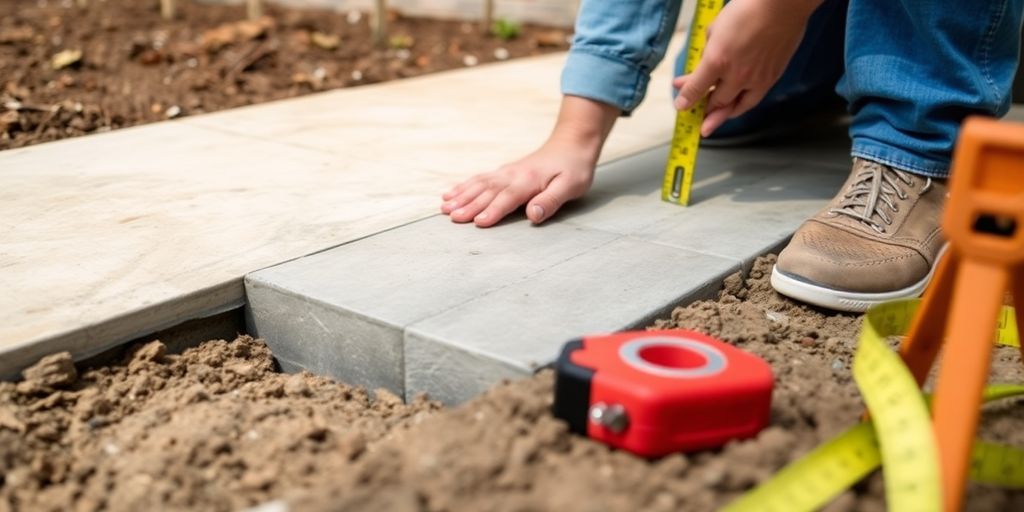
Recognizing Signs of Foundation Problems
Spotting foundation issues early can save you a lot of trouble down the line. Cracks in walls or floors, doors that don’t close properly, and uneven floors are common signs. If you notice any of these, it’s time to investigate further. Sometimes, these problems are due to natural settling, but other times, they indicate serious structural issues.
Methods for Foundation Repair
Once you’ve identified an issue, it’s crucial to decide on the right repair method. Here are some common approaches:
- Slab Jacking: This involves pumping a mixture beneath a sunken concrete slab to lift it back to its original position.
- Piering: Steel posts are driven through unstable soil to support the foundation.
- Sealants and Masonry Patches: Used for minor cracks and to prevent water infiltration.
Each method has its pros and cons, and the right choice often depends on the specific problem and your budget.
Preventative Measures for Structural Integrity
Keeping your foundation in good shape is all about prevention. Regularly check for signs of water pooling around your home, as moisture is a common enemy of foundations. Ensure gutters and downspouts are clear and direct water away from the house. Also, maintain consistent moisture levels around your foundation by watering during dry spells. These simple steps can help avoid the need for costly repairs.
Maintaining your home’s foundation is not just about fixing problems—it’s about preventing them. Regular checks and a bit of maintenance can keep your home standing strong for years to come.
For more insights on when to tackle repairs yourself or hire a professional, check out this guide on common structural issues and repair options.
HVAC System Maintenance: Ensuring Year-Round Comfort
Keeping your HVAC system in top shape is key to staying comfy all year. Whether it’s a scorching summer or a freezing winter, you want your heating and cooling to work flawlessly.
Routine HVAC Maintenance Tasks
Regular maintenance is like giving your HVAC system a health check-up. Here’s what you should do:
- Change the air filters: Dirty filters make your system work harder, using more energy.
- Inspect the thermostat: Make sure it’s working right. Sometimes, a simple battery change can make a big difference.
- Clean the coils: Dusty coils mean your system has to work overtime to cool or heat your home.
Signs Your HVAC System Needs Repair
Sometimes, even with regular maintenance, things can go wrong. Watch out for these signs:
- Weird noises: Banging, clanking, or squealing sounds are not normal.
- Uneven cooling or heating: If some rooms are too hot or too cold, something’s off.
- Higher energy bills: If your bills are skyrocketing, your HVAC might be the culprit.
"When your HVAC system starts acting up, it’s like your home is trying to tell you something. Ignoring it can lead to bigger problems down the road."
Choosing the Right HVAC Professional
When it’s time to call in the pros, make sure you’re picking the right folks for the job. Here’s what to consider:
- Check their credentials: Make sure they’re licensed and insured.
- Get multiple quotes: Don’t just go with the first estimate. Compare prices and services.
- Ask for references: A good company will have happy customers willing to vouch for them.
For those in Bowie, America’s Home Services is a top choice for reliable and affordable HVAC solutions. Their expert care and transparent pricing make them a standout option.
Exterior and Interior Wall Repairs: Maintaining Aesthetic and Functionality
Common Wall Damage and How to Fix It
Walls, both inside and out, take a beating over the years. Weather, kids, pets, and just everyday life can leave them looking less than perfect. You’ll often find cracks, holes, or peeling paint. Fixing these issues promptly keeps your home looking sharp and prevents more serious damage.
- Cracks and Holes: Small cracks might just need some spackle and a bit of sanding. For larger holes, you might need a patch kit.
- Peeling Paint: This can be a sign of moisture issues. Scrape off the peeling parts, sand the area, and apply a primer before repainting.
- Water Damage: If you see stains or bubbling paint, check for leaks. Fix the leak first, then deal with the cosmetic repairs.
Choosing the Right Materials for Wall Repair
When it comes to fixing walls, picking the right materials is key. You don’t want to use indoor paint outside or vice versa.
- Interior Walls: Use drywall compound for most repairs. It’s easy to work with and dries quickly.
- Exterior Walls: For outside repairs, use materials that can withstand the elements. This might mean special exterior-grade fillers or paints.
- Paint Selection: Choose paint that matches the existing color and finish. Test a small area first to ensure a good match.
Professional vs. DIY Wall Repairs
Deciding whether to tackle a wall repair yourself or hire a pro can be tricky. Here’s a quick guide:
- DIY: Great for small jobs like filling nail holes or touching up paint. You’ll save money and learn a new skill.
- Professional Help: For bigger jobs, like fixing structural damage or dealing with mold, it’s best to call in the experts. They have the tools and expertise to do the job right.
Sometimes, a little help from handyman repair services can make all the difference. They can handle those tough jobs and give your home a fresh look without the hassle.
Keeping your walls in good shape is important for both looks and safety. Whether it’s fixing cracks or repainting, regular maintenance helps your home stay beautiful and functional. If you need help with wall repairs, visit our website for expert services that can make your home shine again!
Wrapping It Up
So, there you have it, folks. Keeping your home in tip-top shape isn’t just about making it look good; it’s about making sure everything works like it should. From fixing that leaky faucet to patching up the roof, these repairs can save you a ton of headaches down the road. Sure, some jobs might seem a bit daunting at first, but with a little patience and the right tools, you can tackle them. And hey, if things get too tricky, there’s no shame in calling in a pro. At the end of the day, taking care of these repairs means a safer, more comfortable home for you and your family. So roll up those sleeves and get to it!
Understanding the Importance of Regular Home Maintenance
Why should I have regular home inspections?
Regular home inspections help you find problems early before they become big issues. This can save you money and keep your home safe.
What are some common areas where problems happen in a house?
Common problem areas include the roof, plumbing, electrical systems, and the foundation. Keeping an eye on these can prevent bigger issues.
What happens if I ignore home repairs?
Ignoring home repairs can lead to bigger and more expensive problems. It might also make your home unsafe.
How often should I check my home for repairs?
It’s a good idea to check your home at least once a year. Some parts, like the roof or plumbing, might need more frequent checks.
Can regular maintenance really save money?
Yes, regular maintenance can catch small problems before they turn into big, costly ones. This saves money in the long run.
Is it worth hiring a professional for home inspections?
Hiring a professional can be helpful because they know what to look for and can spot problems you might miss.