
Maintaining your home is essential for keeping it safe, comfortable, and valuable. Regular upkeep can prevent small problems from turning into big, costly repairs. This guide will help you understand the important services every homeowner should consider to enhance and protect their property.
Key Takeaways
- Regular maintenance tasks like cleaning HVAC filters and gutters can prevent costly repairs.
- DIY tasks such as basic plumbing and electrical fixes can save you money and enhance your skills.
- Knowing when to hire professionals for complex tasks ensures safety and proper care of your home.
- Energy-saving tips, like weatherstripping and upgrading appliances, can lower utility bills.
- Understanding home construction basics helps you identify issues early and make informed decisions.
Regular Home Maintenance Tasks
Maintaining your home is essential for keeping it safe and comfortable. Here are some key tasks you should regularly perform:
Cleaning HVAC Filters
Regularly cleaning your HVAC filters is crucial. Dirty filters can reduce efficiency and increase energy costs. Aim to check and clean them every 1-3 months. Here’s a simple checklist:
- Turn off the HVAC system.
- Remove the filter carefully.
- Clean or replace it as needed.
Gutter Cleaning and Maintenance
Cleaning your gutters is vital to prevent water damage. Clogged gutters can lead to serious issues like roof leaks and foundation problems. It’s recommended to clean them at least twice a year. Here’s how:
- Use a sturdy ladder to reach the gutters.
- Remove leaves and debris.
- Flush with water to ensure proper drainage.
Dishwasher Cleaning and Upkeep
A clean dishwasher is important for maintaining hygiene in your kitchen. Regular cleaning prevents odors and mold growth. Here’s a quick guide:
- Remove food debris from the filter.
- Run a cleaning cycle with vinegar or a dishwasher cleaner.
- Wipe down the door and seals to keep them fresh.
Regular maintenance tasks not only enhance the comfort of your home but also protect your investment. By staying proactive, you can avoid costly repairs down the line. Remember, efficient home services can help you manage these tasks effectively!
DIY Home Maintenance Tips
Basic Plumbing Repairs
Taking care of minor plumbing issues can save you a lot of money. Here are some simple tasks you can do:
- Fix leaky faucets: A small drip can waste a lot of water.
- Unclog drains: Use a plunger or a mixture of baking soda and vinegar.
- Check for leaks under sinks regularly.
Simple Electrical Fixes
Electrical work can be tricky, but some tasks are safe for homeowners:
- Change light bulbs: Always turn off the power first.
- Replace fuses: Know your fuse box and what each fuse controls.
- Test outlets with a voltage tester to ensure they are working.
Routine Appliance Maintenance
Keeping your appliances in good shape is essential for their longevity:
- Clean the refrigerator coils: This helps it run efficiently.
- Run a cleaning cycle on your dishwasher: This prevents odors and buildup.
- Check the seals on your oven door to ensure it’s energy-efficient.
Regular maintenance is key to preventing bigger problems down the road. Don’t wait until something breaks!
When to Hire Professionals
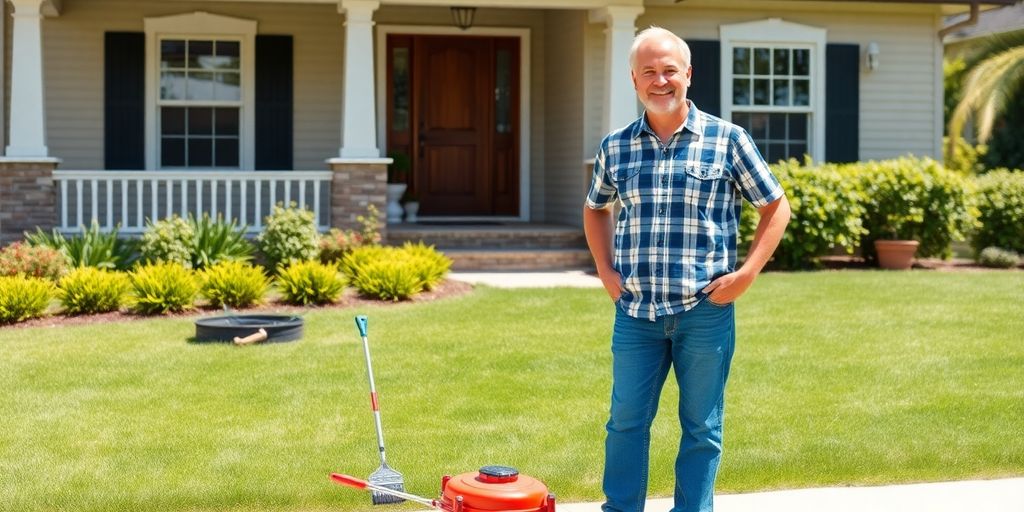
Home maintenance can be tricky, and sometimes it’s best to call in the experts. Here are some situations where hiring a professional is the right choice:
Structural Inspections
Annual inspections of your home’s structure, like the foundation and roof, should be done by qualified professionals. They can spot potential problems before they become serious issues.
HVAC Servicing
Your heating, ventilation, and air conditioning (HVAC) systems need regular check-ups. Certified technicians ensure that everything is running smoothly and efficiently, keeping your home comfortable.
Electrical and Plumbing Work
For safety reasons, any major electrical upgrades or plumbing repairs should be left to the professionals. These tasks can be complex and dangerous if not done correctly.
Knowing when to hire a professional can save you time and money in the long run. If a repair is time-sensitive and you have a busy schedule, hiring a professional might be the best option.
In summary, while some tasks can be handled on your own, it’s important to recognize when a job is beyond your skill level. Here’s a quick checklist to help you decide:
- Do I have the right skills and knowledge?
- Do I have the necessary tools?
- Do I have the time?
If you answer "no" to any of these questions, it’s wise to consider hiring a professional instead. This way, you can ensure that your home remains safe and well-maintained.
Energy-Saving Tips for Homeowners
Saving energy in your home is important for both your wallet and the environment. Here are some effective strategies to help you save energy all year long with these energy-saving tips:
Weatherstripping Doors and Windows
- Seal gaps around doors and windows to prevent drafts.
- Use weatherstripping materials to fill in any spaces.
- Regularly check for wear and replace as needed.
Upgrading to Energy-Efficient Appliances
- Consider replacing old appliances with energy-efficient models.
- Look for the Energy Star label when shopping.
- Although they may cost more upfront, they can save you money in the long run.
Installing Solar Panels
- Solar panels can significantly reduce your electricity bills.
- They harness energy from the sun, which is a renewable resource.
- Check local incentives that may help with installation costs.
By making these changes, you can enjoy a more comfortable home while also reducing your energy bills. Every little bit helps!
Understanding Home Construction Basics
Understanding the basics of home construction is essential for homeowners. This knowledge can help you spot potential issues, keep your property in good shape, and communicate better with professionals when needed. Familiarizing yourself with different parts of home construction, like the structure, exterior, plumbing, and electrical systems, can give you a clearer picture of how your home functions and what it needs to stay in good condition.
Identifying Structural Issues
Knowing the structure of your home is crucial. It helps you recognize potential problems with the foundation or framing. Here are some signs to watch for:
- Cracks in walls
- Sagging ceilings
- Uneven floors
If you notice any of these, you’ll have a better idea of whether it’s a minor issue or a serious problem that needs immediate attention.
Plumbing and Electrical Systems
Understanding how your home’s plumbing and electrical systems work can help you catch leaks or electrical issues before they turn into major problems. Here are some common issues to look out for:
- Leaky faucets or pipes
- Flickering lights
- Tripped circuit breakers
Planning Home Improvements
When considering home improvements, a basic understanding of construction can help you make informed decisions. For example, if you’re thinking about a kitchen renovation, knowing the layout of your home’s plumbing and electrical systems can help you plan the project more effectively and potentially save on costs.
Regular home inspections are important for maintaining your home’s condition and value. They can help identify potential problems early on, allowing you to address them before they escalate into larger, more costly issues.
In summary, having a grasp of home construction basics can empower you as a homeowner. It allows you to take charge of your property and make informed decisions about maintenance and improvements. Remember, understanding the 35 steps to building a house can also give you insight into what goes into creating a safe and comfortable living space.
Outdoor Home Maintenance
Maintaining the exterior of your home is crucial for its longevity and appearance. Regular upkeep can prevent costly repairs and enhance your home’s curb appeal. Here are some key areas to focus on:
Roof and Chimney Care
- Inspect your roof for missing or damaged shingles.
- Clean the chimney to prevent blockages and ensure proper ventilation.
- Check for signs of leaks or water damage inside your home.
Maintaining Windows and Doors
- Regularly clean windows to improve visibility and aesthetics.
- Inspect seals and weatherstripping to prevent drafts and water leaks.
- Lubricate hinges and locks to ensure smooth operation.
Garden and Landscape Upkeep
- Trim bushes and trees to promote healthy growth and prevent overgrowth.
- Regularly mow the lawn and remove weeds to maintain a neat appearance.
- Consider planting native plants that require less water and maintenance.
Keeping up with outdoor maintenance not only protects your investment but also creates a welcoming environment for you and your guests.
By focusing on these essential tasks, you can ensure that your home remains in great shape and continues to be a source of pride. Remember, prevention is key to avoiding larger issues down the line!
Home Safety Precautions
Keeping your home safe is very important for you and your family. Here are some key safety measures every homeowner should think about:
Fire Safety Measures
- Install smoke detectors in every room and check the batteries regularly.
- Have a fire extinguisher in the kitchen and know how to use it.
- Create and practice a fire escape plan with your family.
Preventing Water Damage
- Regularly check for leaks in pipes and roofs to avoid serious water damage.
- Clean gutters to ensure proper drainage and prevent water from backing up.
- Use a dehumidifier in damp areas to reduce moisture and mold growth.
Ensuring Electrical Safety
- Use an outlet tester to check if outlets are working properly. Faulty wiring can be dangerous.
- Avoid overloading outlets with too many devices.
- Hire a professional for any major electrical repairs or installations.
By taking these safety precautions, you can create a secure environment for your loved ones. Remember, a well-maintained home is a safe home.
In summary, focus on these essential safety measures to protect your home and family. Regular maintenance and checks can help you avoid costly repairs and ensure a safe living space. Don’t forget to consider professional help for complex issues, especially when it comes to electrical and plumbing work. Stay proactive and keep your home safe!
Keeping your home safe is super important! Make sure to check for leaks, keep your space dry, and always have a plan in case of emergencies. For more tips and to learn how we can help with any damage restoration needs, visit our website today!
Conclusion
In conclusion, taking care of your home is essential for keeping it safe and comfortable. By regularly checking and fixing things, you can avoid big problems and save money in the long run. Simple tasks like cleaning your gutters, changing air filters, and checking for leaks can make a huge difference. Remember, a well-maintained home not only looks good but also keeps you and your family happy. So, make a plan to stay on top of your home maintenance, and enjoy the benefits of a cozy and efficient living space.
Frequently Asked Questions
What are some basic maintenance tasks I should do regularly?
You should clean your HVAC filters, gutters, and dishwasher regularly. These tasks help keep your home safe and save energy.
When should I consider doing repairs myself instead of hiring a pro?
If the task is simple, like fixing a leaky faucet or changing a light bulb, you can probably do it yourself. Just make sure you’re comfortable with it.
How can I tell if my home needs professional inspection?
If you notice cracks in walls, leaks, or strange noises from your appliances, it’s a good idea to call a professional for an inspection.
What energy-saving tips can help reduce my bills?
You can weatherstrip your doors and windows, upgrade to energy-efficient appliances, and consider installing solar panels.
Why is understanding home construction important?
Knowing about home construction helps you identify problems early and make better decisions when planning improvements.
How often should I perform home maintenance checks?
It’s best to do maintenance checks at least twice a year, but some tasks, like cleaning filters, should be done more frequently.