
Dealing with fire damage can be overwhelming, but knowing where to start makes a huge difference. This guide breaks down the process of fire damage clean up into manageable steps, offering practical advice to help you restore your space and move forward.
Key Takeaways
- Act quickly to minimize further damage after a fire.
- Always prioritize safety by using protective gear and assessing structural stability.
- Document all damage thoroughly for insurance claims.
- Address water, soot, and smoke damage promptly to prevent long-term issues.
- Consider professional help for specialized cleaning and structural repairs.
Understanding the Basics of Fire Damage Clean Up
The Importance of Immediate Action
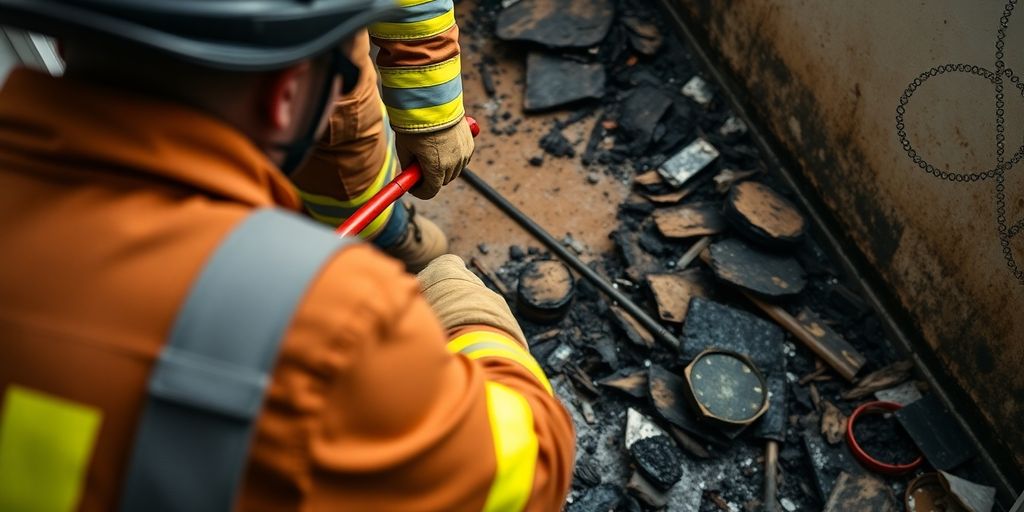
When a fire is extinguished, the clock starts ticking. Acting quickly can make a huge difference in minimizing long-term damage. For instance, soot can begin to stain walls and surfaces within hours, while water from extinguishing efforts can lead to mold growth if left unchecked. Immediate steps include ventilating the area, assessing safety, and beginning cleanup.
Common Types of Fire Damage
Fire damage isn’t just about burned items. It can be categorized into three main types:
- Direct fire damage: Items that were burned or melted.
- Smoke damage: This leaves behind odors and stains, often in areas far from the actual fire.
- Water damage: Caused by firefighting efforts, it can lead to mold or structural issues.
Understanding these types helps you prioritize what to tackle first.
Safety Precautions Before Starting
Before diving into cleanup, ensure safety is the top priority. Here’s a quick checklist:
- Wear protective gear like gloves, masks, and goggles to avoid exposure to harmful residues.
- Check for structural stability—avoid areas that seem weakened or unsafe.
- Ensure proper ventilation by opening windows and doors to clear out lingering smoke and fumes.
Taking the time to prepare and protect yourself can prevent accidents and health issues during the cleanup process.
Assessing the Extent of Fire Damage
Conducting a Thorough Inspection
Before diving into restoration, you need to get a clear picture of the damage. Start with a detailed walkthrough of the property, checking every corner for signs of fire, smoke, and water damage. Structural elements like walls, ceilings, and floors should be examined for weakening or charring. A proper inspection is the foundation for a successful cleanup plan. Don’t forget to inspect hidden spaces like attics or crawl spaces—fire damage can creep into unexpected areas.
Documenting Damage for Insurance Claims
When it comes to insurance, documentation is everything. Use your phone or a camera to take clear photos of all the damage. Capture close-ups of specific items and wide shots of entire rooms. Make a list of damaged belongings, noting their approximate value. This step not only helps with insurance claims but also keeps your cleanup process organized.
Identifying Salvageable Items
Not everything is a lost cause after a fire. Go through your belongings and separate items into three categories: salvageable, questionable, and unsalvageable. Some items, like metal or glass, can often be restored with proper cleaning. On the other hand, porous materials like fabric or wood may need to be discarded if the damage is severe. This sorting process helps you focus on what can be saved and reduces clutter during cleanup.
Taking the time to assess the damage thoroughly ensures a smoother recovery process and prevents costly mistakes later on.
Step-by-Step Guide to Fire Damage Clean Up
Clearing Debris and Damaged Items
The first step is to clear out all the debris and items that have been damaged by the fire. This isn’t just about tidying up—it’s about making the space safe and manageable. Start by sorting through the affected items and deciding what can be salvaged and what needs to go. Wear protective gloves and a mask to avoid exposure to harmful materials. As you remove debris, take photos of the damage for insurance purposes. This documentation can be a lifesaver when filing claims.
Addressing Water Damage and Mold
Fires often leave behind water damage from firefighting efforts. Standing water can lead to mold growth if not dealt with quickly. Use a wet/dry vacuum to remove any water, then set up dehumidifiers to reduce moisture levels. Check moisture levels regularly to ensure the space is drying out properly. If mold has already started to form, consult a professional for safe removal.
Removing Soot and Smoke Residue
After a fire, soot and smoke residue can cling to walls, ceilings, and furniture. This isn’t just unsightly—it can also pose health risks. Use a mild soap and water mixture to gently clean surfaces, avoiding harsh chemicals that can cause further damage. For stubborn soot or smoke stains, specialized cleaning products may be necessary. Always ensure the area is well-ventilated while cleaning to avoid inhaling harmful particles.
Taking these steps methodically can make a daunting clean-up process feel more manageable, one task at a time.
Specialized Cleaning Techniques for Fire Damage
Using Professional-Grade Equipment
Fire damage leaves behind more than just visible mess—it can embed soot, odors, and toxins deep into surfaces. To tackle this, professional-grade equipment is often necessary. Tools like HEPA vacuums can remove fine soot particles, while ozone machines help neutralize stubborn smoke odors. For deeper cleaning, ultrasonic machines are used to restore delicate items like electronics or jewelry. These tools aren’t just for show—they make the difference between a home that feels clean and one that still carries the aftermath of the fire.
Eco-Friendly Cleaning Solutions
If you’re looking for a more sustainable way to clean up after a fire, eco-friendly solutions are a great choice. Vinegar mixed with water can work wonders on smoke-stained walls, while baking soda helps absorb lingering odors. For tougher stains, plant-based cleaners can provide the strength you need without harsh chemicals. Not only do these methods protect the environment, but they also ensure safer air quality for your family during and after the cleanup process.
Handling Delicate and Valuable Items
Some items require extra care during fire cleanup. Family heirlooms, artwork, or sensitive fabrics need specialized attention. Start by gently brushing off soot with a soft cloth or sponge. Avoid using water immediately, as it can set the soot into the material. For high-value items, it’s often best to consult professionals who specialize in restoring fire-damaged belongings. Remember, some items may not be salvageable, but taking the right steps can save more than you might expect.
Restoring and Rebuilding After Fire Damage
Repairing Structural Damage
After a fire, the first priority is addressing the structural integrity of your home. Walls, floors, and roofs might have been weakened or completely destroyed. It’s essential to bring in professionals to assess the damage and determine what needs to be repaired or replaced. This might involve reinforcing beams, replacing drywall, or even redoing entire sections of the house. Don’t forget to check for hidden damage, like compromised electrical wiring or plumbing, which can cause issues down the road.
Repainting and Refinishing Surfaces
Once the structural repairs are done, it’s time to focus on the aesthetics. Soot and smoke often leave stains and unpleasant odors that standard cleaning won’t fix. Start by cleaning all surfaces thoroughly, then apply a primer designed to block stains before repainting. For wood surfaces, refinishing might be necessary to restore their original look. High-quality paints and finishes can also provide an extra layer of protection against future damage.
Replacing Damaged Fixtures and Appliances
Fires can wreak havoc on everyday items like light fixtures, kitchen appliances, and even HVAC systems. Make a list of what needs replacing and prioritize items critical to your home’s functionality. When shopping for replacements, consider opting for energy-efficient models—they’re better for the environment and can save you money in the long run. Also, ensure that any new installations comply with modern safety standards to reduce future risks.
Rebuilding after a fire isn’t just about fixing what’s broken—it’s about creating a safe, comfortable space where you can start fresh.
Preventing Future Fire Damage
Installing Fire Safety Equipment
One of the simplest but most effective ways to protect your home is by installing proper fire safety equipment. Smoke detectors, for instance, should be placed in every sleeping area and on each level of your home. Test them monthly and replace batteries at least once a year. Consider adding fire extinguishers in key areas like the kitchen and garage, and ensure everyone in the household knows how to use them. For added protection, you might want to invest in a sprinkler system, which can automatically suppress a fire before it spreads.
Creating an Emergency Evacuation Plan
An evacuation plan can save lives, plain and simple. Sit down with your family and map out two escape routes for every room. Practice these routes regularly, especially if you have kids or elderly family members. Don’t forget to designate a safe meeting spot outside your home. Keep it straightforward—the mailbox or a neighbor’s driveway can work well. Make sure everyone knows to call emergency services once they’re safe and never go back inside a burning building.
Regular Maintenance and Inspections
Fire prevention doesn’t stop at equipment and planning. Regular maintenance of your home is crucial. Clean your chimney annually if you have a fireplace, and don’t let lint build up in your dryer vent. Check electrical wiring and outlets for signs of wear or overheating. It’s also smart to have a professional inspect your heating systems and appliances periodically. These small steps can go a long way in reducing fire risks.
Emotional and Community Support During Recovery
Seeking Professional Counseling
Recovering after a fire isn’t just about fixing your home—it’s about healing yourself too. Fires can leave deep emotional scars, and sometimes, you need more than just time to get through it. Talking to a trained counselor or therapist can help you process the trauma and find ways to move forward. Therapy provides a safe space to explore your feelings, whether it’s grief, anxiety, or frustration. If you’re not sure where to start, local community centers or online directories often have resources to connect you with professionals.
Connecting with Support Groups
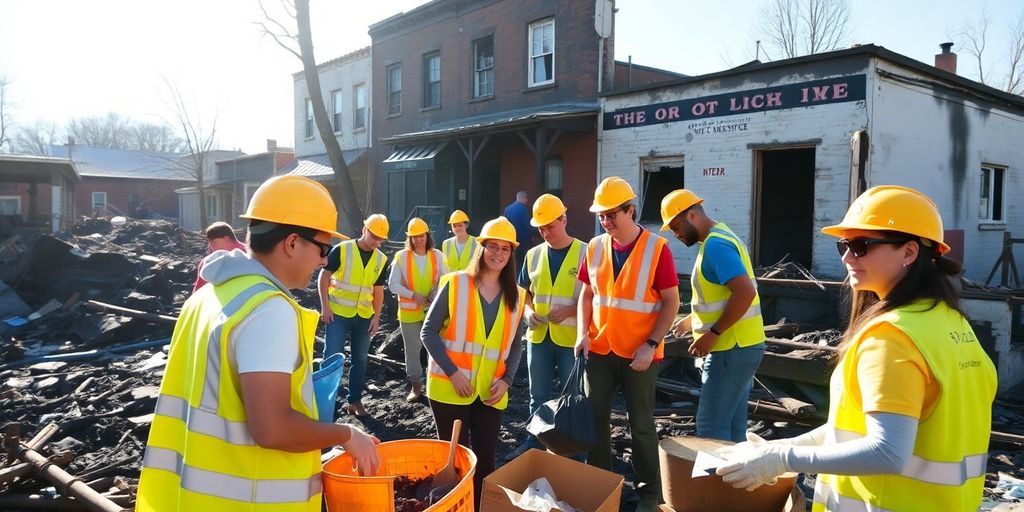
Sometimes, the best support comes from others who’ve been in your shoes. Joining a support group can make you feel less alone, and you might even pick up some practical tips for recovery. Look for local groups focused on fire recovery or general disaster support. If you can’t find one nearby, there are plenty of online communities where people share their stories and advice. Being part of a group like this can remind you that you’re not alone, and that recovery is possible.
Rebuilding a Sense of Normalcy
Getting back to “normal” after a fire can feel impossible at first, but it’s an important part of healing. Start by setting small, achievable goals—like unpacking one box at a time or cooking a meal in your kitchen again. Routine is key here; even simple things like going for a walk every morning can help you regain a sense of control. It’s also okay to create new routines if old ones no longer fit. Remember, rebuilding isn’t just about the physical space—it’s about creating a life that feels stable and fulfilling again.
Recovering from tough times can be hard, but having emotional and community support makes a big difference. Friends, family, and support groups can help you feel less alone and more understood. If you’re looking for more ways to get support during your recovery, visit our website for helpful resources and guidance. Together, we can make the journey easier!
Wrapping It Up
Cleaning up after a fire is no small task, but it’s a step toward getting life back on track. It’s not just about scrubbing soot or tossing out damaged stuff—it’s about reclaiming your space and finding a sense of normal again. Take it one step at a time, and don’t hesitate to call in professionals when it feels overwhelming. Remember, you’re not just cleaning up a mess; you’re starting fresh. And while it might be tough now, every bit of effort you put in brings you closer to a home that feels like yours again.
Frequently Asked Questions
What should I do immediately after a fire?
The first step is to ensure everyone’s safety and contact emergency services if needed. Once it’s safe, document the damage for insurance purposes and start planning the cleanup process.
Can I clean up fire damage myself?
While you can handle minor cleaning tasks, it’s best to hire professionals for extensive damage. They have the right tools and expertise to safely restore your property.
How do I deal with smoke odors after a fire?
To remove smoke odors, ventilate the area, use air purifiers, and clean surfaces with mild soap. For stubborn smells, consider hiring professionals who use specialized equipment.
What items can be salvaged after a fire?
Items made of metal, glass, and some plastics can often be cleaned and reused. However, porous items like fabric and paper may be harder to save, especially if they have absorbed smoke or water.
Will my insurance cover fire damage cleanup?
Most homeowner’s insurance policies cover fire damage, including cleanup and restoration. Be sure to contact your insurance provider to confirm your coverage and file a claim.
How can I prevent future fires in my home?
Install smoke alarms, fire extinguishers, and a sprinkler system. Regularly inspect electrical systems and appliances, and create an emergency evacuation plan for your family.