
When a fire occurs, it can leave behind devastating damage that affects not just the structure of a building but also the lives of those who inhabit it. Understanding the steps for effective fire damage removal is crucial for recovery. This guide will walk you through the essential processes involved in restoring your home or business after a fire, ensuring a thorough and safe restoration.
Key Takeaways
- Assess the damage thoroughly to understand the extent of fire, smoke, and water damage.
- Choose a restoration team with the right experience and certifications to handle fire damage removal.
- Address water damage from firefighting efforts quickly to prevent mold growth and further issues.
- Salvage and clean belongings carefully to restore what can be saved from the fire.
- Utilize advanced technologies and techniques for effective cleaning and reconstruction.
Understanding the Impact of Fire Damage
Fire damage can be serious and comes in different forms. Understanding these types is crucial for effective restoration. Here are the main types of fire damage:
Types of Fire Damage
- Structural Damage: This includes visible destruction like charred walls and broken windows.
- Smoke Damage: Smoke can get into every corner, leaving behind tough odors and residue.
- Soot Damage: Soot is the fine black powder that can coat surfaces, causing discoloration.
- Water Damage: The water used to put out the fire can lead to mold if not handled quickly.
Short and Long-term Effects
In the short term, fire damage can make a place unlivable. Long-term effects can include:
- Weakening of the structure.
- Ongoing health issues, like breathing problems from smoke.
- Decreased property value.
Health Risks Associated with Fire Damage
Fire damage can lead to serious health risks. Exposure to smoke and soot can cause:
- Respiratory problems.
- Skin irritation.
- Long-term health issues if not addressed.
Fire damage is not just about what you see; it can have hidden effects that impact health and safety.
Understanding the impact of fire damage is the first step in recovery. By recognizing the types and effects, you can take the right actions to restore your property effectively. Remember, prompt action is key to minimizing damage and ensuring safety. For comprehensive help, consider reaching out to professionals like those at Ruach, who specialize in fire damage restoration and can guide you through the process.
Initial Steps in Fire Damage Removal
Conducting a Thorough Assessment
The first step in fire damage removal is to conduct a thorough assessment of the property. This means checking for all types of damage, including structural, smoke, and water damage. Professionals will look for signs of charred materials, smoke residue, and any water left from firefighting efforts. This assessment helps in understanding the full extent of the damage and is crucial for planning the next steps.
Documenting Damage for Insurance
After assessing the damage, it’s important to document everything for insurance purposes. Take clear photos and make a list of all damaged items. This documentation will be essential when filing a claim. Here are some key points to remember:
- Capture images of all affected areas.
- List damaged items with descriptions.
- Keep receipts for any emergency repairs.
Ensuring Safety Precautions
Safety is a top priority during fire damage removal. Before entering the property, ensure that it is safe to do so. Here are some safety precautions to follow:
- Wear protective gear, including masks and gloves.
- Check for structural stability before entering.
- Avoid using electrical appliances until the area is deemed safe.
Remember, safety first! Always prioritize your well-being and that of others when dealing with fire damage.
By following these initial steps, you can effectively start the fire damage removal process and set the stage for a successful restoration.
Choosing the Right Fire Damage Restoration Team
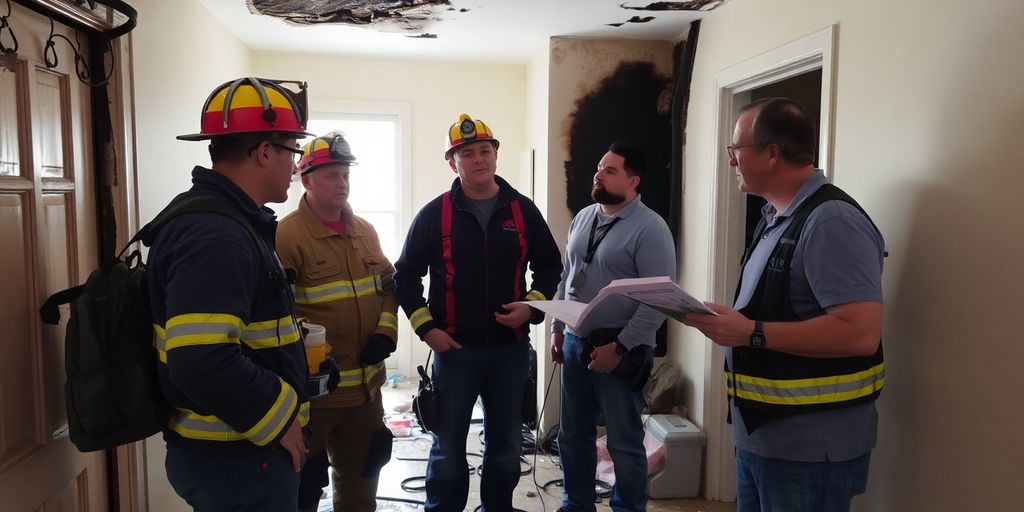
When dealing with fire damage, selecting the right restoration team is crucial. A skilled team can make a significant difference in the recovery process. Here are some key points to consider:
Evaluating Expertise and Experience
- Look for teams with a proven track record in fire damage restoration.
- Check their experience with similar types of damage.
- Ask about their training and ongoing education in restoration techniques.
Checking Certifications and References
- Ensure the team has the necessary certifications for fire damage restoration.
- Request references from previous clients to gauge their satisfaction.
- Verify their standing with local business bureaus or associations.
Understanding Service Offerings
- Confirm the range of services they provide, including structural repairs and content restoration.
- Inquire about their approach to dealing with water damage from firefighting efforts.
- Make sure they have a plan for addressing potential health risks associated with fire damage.
Choosing the right restoration team can significantly impact the effectiveness of the recovery process. Make informed decisions to ensure a smoother restoration journey.
By following these steps, you can find a restoration team that meets your needs and helps restore your property effectively. Remember, the right team can help you navigate the complexities of fire damage recovery, ensuring a safer and more efficient restoration process.
Addressing Water Damage from Firefighting Efforts
Water Extraction Techniques
After a fire, water damage is a common issue caused by firefighting efforts. Removing excess water quickly is crucial to prevent further damage. Here are some effective techniques:
- Pumping: Use pumps to remove large amounts of water.
- Wet/Dry Vacuums: Ideal for smaller areas and residual water.
- Suction Equipment: Helps in extracting water from carpets and upholstery.
Drying and Dehumidification
Once the water is removed, drying the area is essential. This can be done through:
- Air Movers: These help circulate air and speed up drying.
- Dehumidifiers: They reduce humidity levels, preventing mold growth.
- Heating Equipment: In colder conditions, heating can assist in drying out spaces.
Preventing Mold Growth
Mold can start to grow within 24 to 48 hours after water exposure. To prevent this:
- Inspect for Moisture: Regularly check areas that may retain water.
- Use Mold Inhibitors: Apply treatments to surfaces that are prone to mold.
- Maintain Ventilation: Ensure proper airflow in affected areas.
Addressing water damage promptly is vital to ensure a safe and healthy environment after a fire.
By following these steps, you can effectively manage the water damage caused by firefighting efforts and protect your property from further issues. Remember, water damage after a fire is primarily the result of firefighting efforts, so swift action is necessary to mitigate risks.
Cleaning and Salvaging Belongings
After a fire, one of the most important tasks is to assess and clean your belongings. This process can help you determine what can be saved and what needs to be discarded. Here are the key steps to follow:
Assessing Salvageable Items
- Identify items that are damaged but may be repairable. Look for furniture, clothing, and personal items that can be cleaned or restored.
- Check for structural damage to items, as some may not be safe to keep.
- Make a list of all items that can be salvaged for insurance purposes.
Effective Cleaning Techniques
- Use specialized cleaning products designed for smoke and soot removal.
- For clothing, consider professional dry cleaning services that handle fire damage.
- Furniture may require deep cleaning or refinishing to restore its original condition.
Safe Storage Solutions
- Store salvageable items in a clean, dry area to prevent further damage.
- Use plastic bins to protect items from moisture and dust.
- Label all boxes clearly to keep track of what has been salvaged.
Remember, the sooner you start the cleaning process, the better your chances of saving your belongings.
In summary, cleaning and salvaging belongings after a fire is a critical step in the restoration process. By following these steps, you can maximize the number of items that can be saved and ensure a smoother recovery. For expert help, consider reaching out to elite no.1 fire and smoke damage restoration services to assist you in this challenging time.
Structural Repairs and Reconstruction
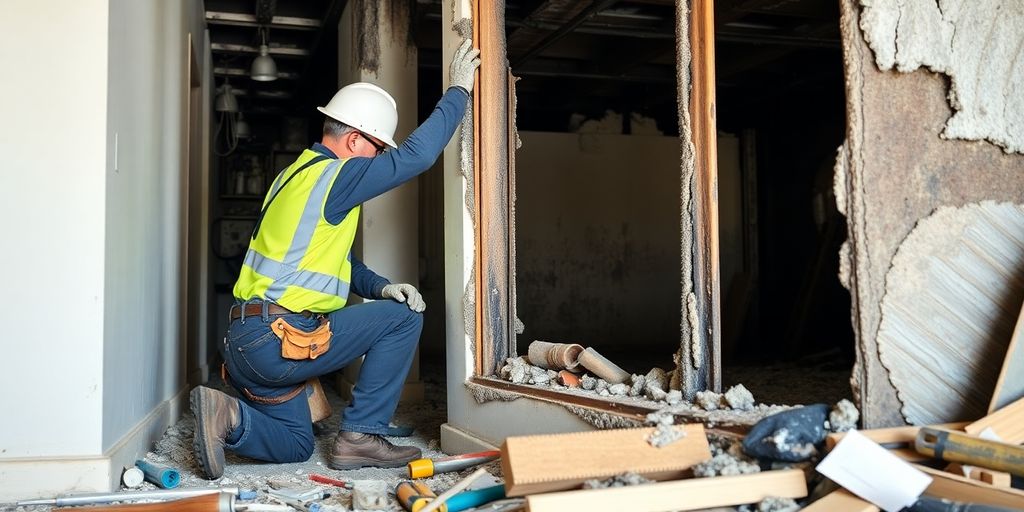
Once the assessment is complete and salvageable items are secured, the focus shifts to structural repairs. This phase is crucial for restoring the safety and integrity of your property. Rebuilding damaged areas is essential to ensure that the structure is safe for occupancy. Here are the key steps involved:
Rebuilding Damaged Areas
- Identify the extent of damage: Determine which parts of the structure need to be rebuilt or repaired.
- Use quality materials: Ensure that all materials used meet safety standards and are suitable for the repairs.
- Engage professionals: Hiring skilled contractors is vital for effective reconstruction.
Reinforcing Structural Integrity
- Inspect load-bearing walls: Ensure that these walls are intact and can support the structure.
- Add support beams: If necessary, install additional beams to enhance stability.
- Check the foundation: Make sure the foundation is solid and free from cracks or damage.
Ensuring Safety Compliance
- Follow local building codes: Adhere to regulations to ensure the safety of the structure.
- Conduct safety inspections: Regularly check the work done to ensure it meets safety standards.
- Obtain necessary permits: Ensure all required permits are secured before starting repairs.
The restoration process is not just about fixing what was damaged; it’s about making your home safe and secure again.
In summary, structural repairs and reconstruction are vital steps in the fire damage restoration process. By focusing on rebuilding, reinforcing, and ensuring compliance, you can restore your property effectively and safely. For those seeking affordable fire damage restoration, consider reaching out to professionals who specialize in comprehensive services.
Utilizing Advanced Technologies in Restoration
Modern technology is crucial in the process of fire damage restoration. It helps make the recovery faster and more effective. Using advanced tools and techniques can significantly improve the restoration process.
Modern Cleaning Equipment
- High-powered vacuums: These are used to remove soot and debris quickly.
- Ultrasonic cleaners: Great for cleaning delicate items that are hard to clean by hand.
- Air scrubbers: They help in removing smoke particles from the air, improving air quality.
Innovative Repair Techniques
- Thermal imaging: This technology helps find hidden water damage that might not be visible.
- Moisture meters: They measure moisture levels in walls and floors to ensure everything is dry.
- Advanced drying systems: These systems speed up the drying process, preventing mold growth.
Technology for Odor Removal
- Ozone generators: They eliminate smoke odors effectively.
- Hydroxyl generators: These are safe for indoor use and help in breaking down odors.
- Fogging machines: They disperse cleaning agents to neutralize odors in hard-to-reach areas.
Utilizing these advanced technologies not only speeds up the restoration process but also ensures a thorough job, making your home safe and comfortable again.
In conclusion, embracing modern technology in fire damage restoration is essential for achieving the best results. It allows for a more efficient, effective, and safer restoration process, ensuring that your home is restored to its original state as quickly as possible. Remember, the right tools can make all the difference!
In today’s world, using new technologies can really help when fixing up homes after damage. These tools not only make the job faster but also ensure that everything is done right. If you’re facing a restoration challenge, don’t hesitate to reach out to us! Visit our website to learn more about how we can assist you in bringing your home back to life!
Conclusion
Recovering from fire damage can feel like a tough journey, but it’s important to remember that you’re not alone. By following the right steps, you can restore your home and your peace of mind. Start with a careful assessment of the damage, and then choose a skilled restoration team to help you. Don’t forget to address any water damage that might have occurred during firefighting efforts. Salvaging your belongings and making necessary repairs are also key parts of the process. Finally, using modern technology can make the cleanup and restoration more effective. With patience and the right support, you can turn this challenging experience into a successful recovery.
Frequently Asked Questions
What steps should I take first after a fire?
After a fire, begin by ensuring everyone’s safety, then assess the damage and contact a professional restoration team.
Can I clean smoke damage myself?
While some cleaning can be done, it’s best to hire professionals who have the right tools and expertise to effectively remove smoke damage.
How long does fire damage restoration take?
The time needed for restoration varies based on the damage’s extent, but it usually takes a few days to several weeks.
What types of damage can fire cause?
Fire can cause structural damage, smoke damage, soot damage, and water damage from firefighting efforts.
Is it safe to enter my home after a fire?
It’s not safe to enter your home until professionals have assessed the damage and declared it safe.
How can I prevent future fire damage?
Prevent future fire damage by installing smoke detectors, using fire-resistant materials, and practicing fire safety.