
Fixing up your home after damage can be a real headache. Whether it’s from a storm, a plumbing mishap, or something else, knowing what steps to take can make a big difference. Acting fast is key to avoiding more problems down the line. This guide will walk you through the basics of home damage restoration, from assessing the damage to hiring the right help. It’s all about getting your home back to normal as smoothly as possible.
Key Takeaways
- Quick action is crucial to prevent further damage.
- Different types of damage require specific approaches.
- Proper assessment helps in planning the restoration process.
- Hiring professionals can save time and ensure quality work.
- Preventative measures can reduce the risk of future damage.
Understanding the Basics of Home Damage Restoration
Identifying Different Types of Damage
When it comes to home damage, knowing what you’re dealing with is half the battle. Damage can come from all sorts of sources, whether it’s water, fire, wind, or something else entirely. Each type of damage has its own quirks and challenges. For instance, water damage might mean anything from a leaky pipe to a full-blown flood, while fire damage could range from smoke stains to charred walls. Understanding these differences is crucial because each type requires a different approach for restoration.
Assessing the Extent of Damage
Once you’ve figured out what kind of damage you’re dealing with, the next step is to see how bad it really is. This means taking a good, hard look at your home and figuring out what’s been affected. Sometimes, the damage might be obvious, like a hole in the roof or a flooded basement. Other times, it could be more subtle, like a musty smell indicating hidden mold. It’s important to be thorough here because missing something could mean bigger problems down the line.
Importance of Immediate Action
Time is of the essence when it comes to home damage restoration. The longer you wait, the worse things can get. For example, water damage can quickly lead to mold growth, which is not just unsightly but can also be a health hazard. Immediate action can prevent further damage and save you a lot of headaches and money in the long run. It’s always better to tackle the problem head-on rather than letting it fester.
"Taking swift and decisive action can make all the difference in minimizing damage and ensuring a smoother restoration process."
Initial Assessment and Safety Measures
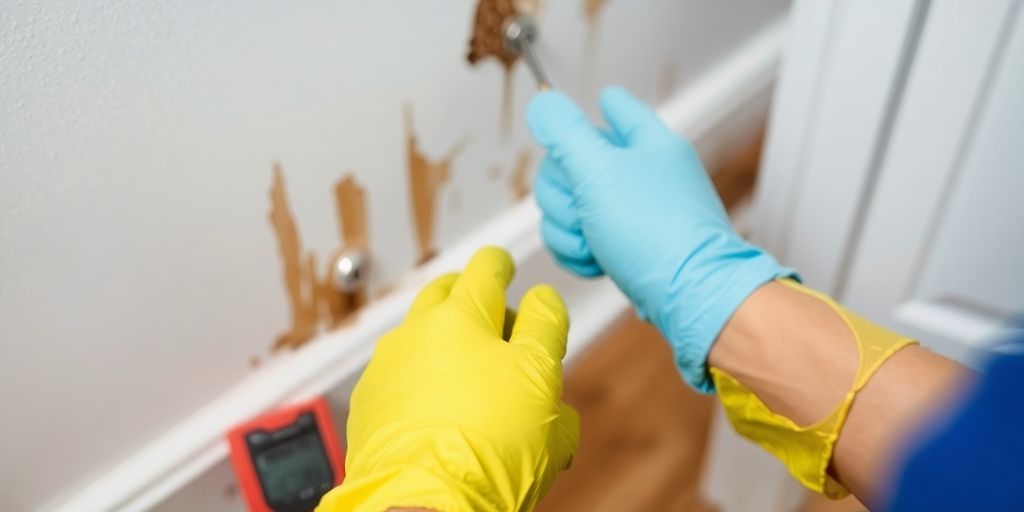
Ensuring Personal Safety
Before diving into any restoration work, the first thing on your checklist should be safety. It’s vital to make sure everyone involved is safe. That means turning off the electricity in any areas affected by water to avoid any nasty shocks. And don’t forget about protective gear—grab some gloves, masks, and waterproof boots to keep yourself safe from any gross stuff lurking in the water.
Evaluating Structural Integrity
Once everyone’s geared up, it’s time to check out the damage. You’ll want to get a good idea of what you’re dealing with. Use tools like moisture meters and infrared cameras to figure out how bad the damage is and where the moisture is hiding. This is where you might want to call in the pros, like PuroClean technicians, who can do a detailed assessment and help you plan out the next steps.
Documenting Damage for Insurance
Don’t skip the paperwork! As boring as it sounds, documenting everything is super important. Take lots of photos and write down everything you notice about the damage. This will make your life a lot easier when you’re dealing with the insurance company. A detailed record will help you file claims and ensure you get the support you need to start fixing things up.
Water Removal and Drying Techniques
Using Industrial Equipment for Water Extraction
Getting rid of water quickly is super important to stop more damage and keep mold away. Professionals often use heavy-duty tools like submersible pumps and industrial vacuums to get rid of water. Submersible pumps are great for large amounts of water, while wet vacuums handle the leftover moisture in things like carpets and floors.
For those tackling it themselves, having a wet/dry vacuum, some buckets, and squeegees can be really helpful. But remember, time is of the essence. Standing water can lead to mold in just a day or two, bringing health risks and expensive repairs.
Before you start, make sure you’re safe. Wear gloves and masks, and turn off electricity in the wet areas. With the right gear and precautions, you can manage water removal and protect your home from lasting damage.
Dehumidification and Air Circulation
Once the water’s gone, the next step is drying and dehumidifying. These two go hand in hand. Drying gets rid of the water on surfaces, while dehumidifying reduces moisture in the air to stop mold and other problems.
To do this, pros use air movers and dehumidifiers. Air movers boost airflow over wet surfaces, speeding up evaporation. Dehumidifiers pull moisture from the air, lowering humidity and helping things dry faster. Sometimes, they use thermal cameras to find hidden moisture behind walls or under floors.
Moisture Mapping and Monitoring
To make sure everything’s truly dry, moisture mapping is key. This technique helps find hidden moisture in building materials and tight spots. It helps decide if more drying is needed.
Regular checks of hidden areas, like crawl spaces and under carpets, are essential to prevent moisture buildup. By keeping an eye on these spots, homeowners can lower the risk of mold and ensure thorough restoration.
Cleaning, Sanitizing, and Deodorizing Affected Areas
Choosing the Right Cleaning Agents
When dealing with water damage, it’s all about picking the right cleaning agents. You want something that tackles bacteria and mold without harming the surfaces. Hot water extraction is great for carpets and upholstery, while a mix of water and disinfectants works wonders on hard surfaces like floors and walls. For those who prefer a green approach, natural cleaners like vinegar or baking soda can do the trick, but make sure there’s good ventilation.
Preventing Mold and Bacterial Growth
Mold loves moisture, and it can pop up fast—sometimes within just a day or two. To keep it at bay, it’s crucial to clean and sanitize thoroughly. Restoration pros often use specialized antimicrobial treatments to ensure all the nooks and crannies are covered. Remember, even personal items need attention, so gentle cleaning is key to keeping them intact.
Eliminating Unpleasant Odors
After water damage, bad smells can linger. That’s where deodorizing comes in. Using specialized deodorizing methods is essential to make the place smell fresh again. Whether it’s through chemical treatments or natural methods, the goal is to get rid of those odors for good. Restoration software can help streamline this process, ensuring everything is done efficiently and effectively.
Restoration and Repair Strategies
Minor vs. Major Repairs
When it comes to fixing up your home after damage, there’s a big difference between minor and major repairs. Minor repairs are things like painting walls or fixing small holes in the drywall. These tasks are usually pretty straightforward, and with a few tools, you can often handle them yourself. Think of it like a weekend DIY project.
On the other hand, major repairs might involve rebuilding parts of your home, like a whole room or even replacing parts of the structure. This is where you’ll likely need to call in the pros. They ensure everything is up to code and safe, which is super important.
Restoring Furniture and Personal Items
Your furniture and personal items can take a real hit during home damage. For upholstered furniture, you might need to do a deep clean or even reupholster. Wooden furniture could require refinishing or replacing hardware. If things are really bad, hiring professional restoration services can be a lifesaver. They know how to bring your stuff back to life and make it look good as new.
Hiring Professional Contractors
Sometimes, the damage is just too much to handle on your own. That’s when hiring a professional contractor becomes essential. Look for contractors with the right certifications and insurance to avoid any headaches down the road. It’s also a good idea to read reviews and maybe even interview a few options. You want someone reliable and experienced, especially when dealing with serious repairs. Plus, they can often spot issues you might miss, ensuring a thorough restoration.
Preventative Measures to Avoid Future Damage
Regular Maintenance and Inspections
Keeping up with regular maintenance is like giving your home a health check-up. Routine inspections help nip potential issues in the bud before they become costly problems. Check for leaks around appliances, plumbing, and your roof. Even small drips can lead to big headaches if left unchecked.
Installing Water Sensors and Alarms
Think of water sensors as your home’s early warning system. These handy devices alert you to moisture build-up, especially in vulnerable areas like basements or laundry rooms. They can be a lifesaver, giving you a heads-up to take action before water damage spirals out of control.
Effective Landscaping and Drainage Solutions
Good landscaping isn’t just about curb appeal—it’s about protecting your home from water damage. Make sure your yard slopes away from your house to prevent water from pooling around your foundation. Consider installing a drainage system to keep water moving away from your home.
Taking these preventative steps can save you a lot of trouble down the line. A bit of effort now can help avoid major repairs and keep your home safe and sound.
For more on water damage prevention, check out effective water damage restoration strategies that can help you manage and prevent issues efficiently.
Selecting a Professional Restoration Service
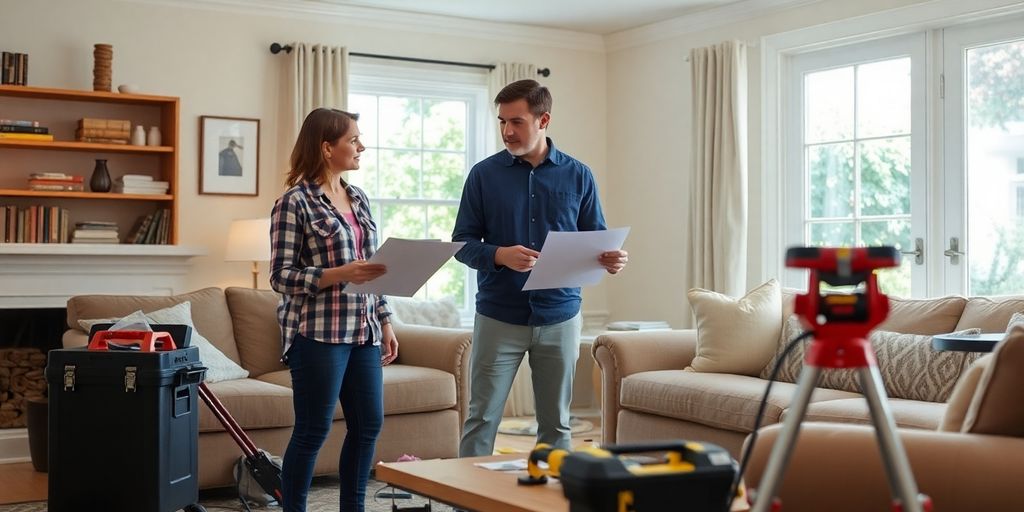
Checking Certifications and Insurance
When you’re picking a restoration service, start with the basics: certifications and insurance. Make sure the company is certified by recognized industry bodies like the Institute of Inspection, Cleaning, and Restoration Certification (IICRC). This shows they know what they’re doing and follow industry standards. Also, check if they have proper insurance. This includes liability and worker’s compensation insurance, which protects you from any mishaps during the restoration process.
Reading Customer Reviews and Testimonials
Before you make a decision, do a little homework online. Look for customer reviews and testimonials. These can give you a good idea of the company’s reputation. Are clients happy with their work? How do they handle complaints? A company like Ruach Home Services emphasizes the importance of customer feedback, which can be a goldmine of information.
Interviewing Potential Service Providers
Once you’ve narrowed down your options, it’s time to chat with them. Ask about their response time for emergencies. Do they have references from previous clients? What kind of equipment and techniques do they use? It’s also crucial to ask about their plan for tackling mold growth, as this can be a big issue after water damage. By asking these questions, you can gauge their expertise and how well they’ll handle your restoration needs.
Choosing the right restoration service is more than just picking a name from a list. It’s about finding a company that you can trust to restore your home efficiently and safely. Take your time, do your research, and don’t be afraid to ask questions.
When it comes to choosing a professional restoration service, it’s important to find a team that truly cares about your home. At Ruach Home Services, we treat every project with the utmost respect and dedication. Our skilled experts are ready to help you restore your space to its former glory. Don’t wait any longer—visit our website today to learn more and get started!
Conclusion
So, there you have it. Dealing with home damage, especially from water, isn’t something anyone looks forward to, but knowing the steps can make a world of difference. Quick action is your best friend here. Sure, you might feel like tackling it yourself, but sometimes it’s just better to call in the pros. They know what they’re doing and can save you from a lot of headaches down the road. Remember, it’s not just about fixing what’s broken; it’s about making sure it doesn’t happen again. Stay prepared, keep an eye out for potential issues, and don’t hesitate to get expert help when you need it. Your home will thank you for it.
Frequently Asked Questions
What is home damage restoration?
Home damage restoration is the process of repairing and restoring a house after it has been damaged by events like floods, fires, or storms. It involves cleaning, repairing, and sometimes rebuilding parts of the home to make it safe and comfortable again.
Why is quick action important in home damage restoration?
Acting quickly is crucial because it helps prevent further damage. For example, water left standing can lead to mold growth, which can cause health problems and more damage to the home.
What should I do first if my home is damaged?
First, ensure everyone’s safety by turning off electricity and avoiding any dangerous areas. Then, document the damage with photos and notes for insurance purposes and contact a professional restoration service for help.
Can I do home restoration myself?
While minor repairs like painting or fixing small leaks can be done by homeowners, major damage often requires professional expertise to ensure safety and proper restoration.
How can I prevent future home damage?
Regular maintenance, like checking for leaks and cleaning gutters, can help prevent damage. Installing water sensors and ensuring proper drainage around your home are also effective preventative measures.
What should I consider when choosing a restoration service?
Look for a service with proper certifications, good customer reviews, and insurance. It’s also important to ask about their experience, response time, and the techniques they use for restoration.