
Moisture damage in your home can be a real headache, but getting on top of it early can save you loads of trouble down the line. Whether it’s a leaky pipe or a surprise storm, knowing how to deal with moisture damage quickly can mean the difference between a minor fix and a major renovation. This guide walks you through the steps to repair moisture damage and keep your home safe from future issues.
Key Takeaways
- Moisture damage can start small, like a tiny leak, but it can lead to big problems if not fixed quickly.
- After spotting moisture damage, your first move should be to make sure the area is safe and stop any more water from coming in.
- Drying out the area completely is crucial to prevent mold and further structural damage.
- Cleaning and disinfecting are key to stopping mold in its tracks after moisture damage.
- Hiring a pro for moisture damage repair can save you time and ensure the job is done right, especially for big issues.
Understanding the Causes and Signs of Moisture Damage
Common Causes of Moisture Damage
Moisture damage in homes can stem from various sources. Leaky pipes are often the culprits, sneaking behind walls and under floors, causing unseen havoc. Appliances, especially those involving water like washing machines and dishwashers, can malfunction and spill water where it shouldn’t be. Clogged gutters might seem harmless, but they can redirect water to where it can seep into your home, and damaged roofs can let the rain pour in. Cracks in your home’s foundation can be another entry point for water, along with sewage backups that can create a messy situation. Lastly, natural disasters like floods or heavy storms can lead to sudden and severe moisture damage.
Recognizing Early Signs of Moisture Issues
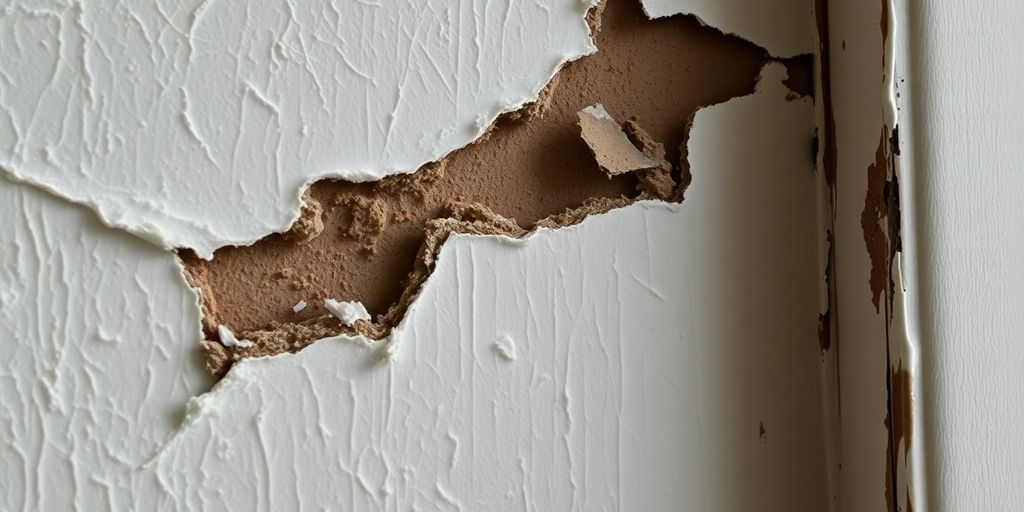
Spotting moisture issues early can save you a lot of trouble. Look for signs of water damage in walls like stains or discoloration, often in shades of yellow, brown, or darker spots. These can indicate that water is seeping through. A musty or moldy smell is another red flag that moisture is lurking. Floors might start to warp or buckle, and paint or wallpaper can peel or blister. Mold growth is a clear sign that moisture has overstayed its welcome.
Impact of Moisture on Home Structures
Moisture doesn’t just damage surfaces; it can affect the very bones of your home. Over time, water can weaken structural elements like beams and walls, leading to sagging ceilings or warped floors. It can sneak into the foundation, causing cracks and compromising stability. If left unchecked, this can lead to more serious structural problems, making your home unsafe. It’s important to address these issues promptly to maintain the integrity of your home.
Ignoring the early signs of moisture damage can turn minor repairs into major renovations. Keep an eye out for changes in your home’s appearance and smell, and don’t hesitate to investigate further if something seems off.
Immediate Steps to Take After Discovering Moisture Damage
Ensuring Safety First
When you first discover moisture damage in your home, your top priority should be safety. Electrical hazards are a real threat, especially if water has reached electrical outlets or appliances. Make sure to turn off the electricity in the affected area to avoid any risk of shock. Also, if the water source is contaminated, such as from a sewer backup, it’s crucial to wear protective gear like gloves and boots to prevent health risks.
Stopping the Water Source
The next step is to identify and stop the water source. This might be as simple as turning off a leaking pipe or more complex like addressing a roof leak. If you’re unsure about the source, it might be time to call in a professional. Remember, the quicker you stop the water, the less damage you’ll have to deal with later.
Assessing the Extent of Damage
Once you’ve ensured safety and stopped the water flow, it’s time to assess the damage. Check walls, floors, and furniture for signs of moisture infiltration. Use a moisture meter if you have one, or look for visible signs like discoloration or warping. This assessment will help you decide whether you can manage the repairs yourself or need to bring in a professional restoration service to handle the situation effectively.
Effective Techniques for Moisture Removal and Drying
Using Dehumidifiers and Fans
When tackling moisture issues, dehumidifiers and fans are your best friends. Dehumidifiers are excellent at pulling moisture out of the air, which is vital for preventing mold and mildew from setting in. Dehumidifiers enhance heat drying by cooling the warm, humid air created during the process. Meanwhile, fans help circulate the air, speeding up evaporation from wet surfaces. Think of it like this: the more air movement, the faster things dry out. So, set up a few fans around the affected area and let them do their thing.
Maximizing Airflow and Ventilation
Good airflow is key when you’re trying to dry out a space. Start by opening up windows and doors to let the fresh air in. This natural ventilation can work wonders in helping moisture escape. If the weather’s not cooperating, or if the air outside is just as damp, using fans to create artificial airflow is a solid alternative. The goal here is to keep the air moving, which helps moisture evaporate more quickly.
Professional Water Extraction Methods
Sometimes, the situation calls for more than just household tools. If there’s a lot of water, or if it’s been sitting for a while, bringing in the pros might be the best move. They have specialized equipment, like industrial wet/dry vacuums, designed to handle large volumes of water efficiently. These machines can get into nooks and crannies that you might miss, ensuring a thorough dry-out. Plus, professionals know exactly how to tackle tricky spots where moisture tends to linger, reducing the risk of future problems.
Cleaning and Disinfecting to Prevent Mold Growth
Choosing the Right Cleaning Solutions
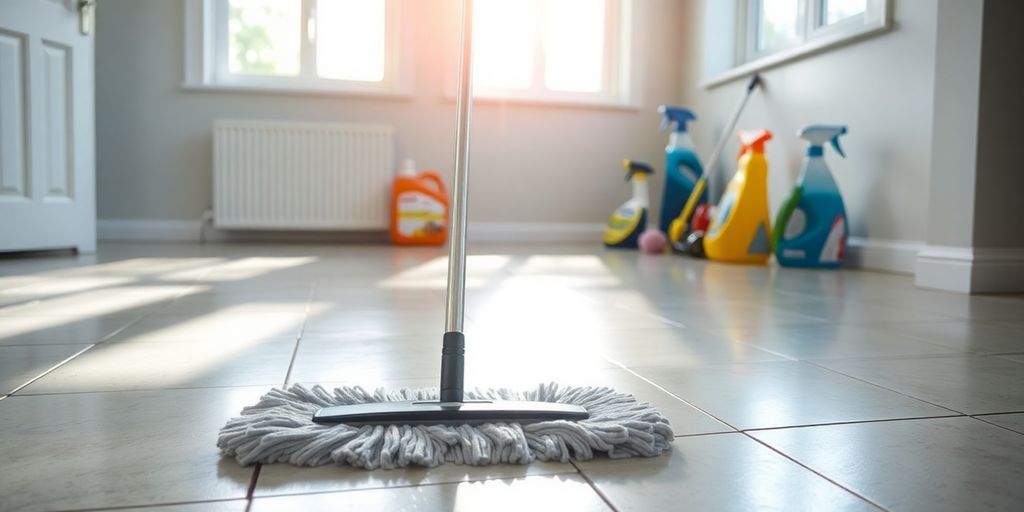
When tackling moisture damage, selecting the appropriate cleaning solutions is crucial. Mold-preventive cleaners are specially formulated to target spores and stop mold from taking hold. These solutions are perfect for treating areas like walls, floors, and other surfaces that got wet. Make sure to read the labels and follow the instructions to ensure you’re using them effectively.
Disinfecting Hard and Soft Surfaces
For hard surfaces, a good scrub with a stiff brush and cleaning solution can help remove mold spores. Pay attention to spots like floors, countertops, and walls. Don’t forget to reach into those tricky crevices and behind furniture where mold loves to hide. For soft goods like carpets and curtains, it’s often best to get professional cleaning services. Mold can quickly settle in these materials, so quick action is key.
Hiring Professional Mold Remediation Services
Sometimes, the mold problem might be bigger than you can handle on your own. That’s when Ruach Home Services can be a lifesaver. They start with a thorough inspection to find mold sources and assess the damage. They use specialized techniques to contain and remove mold, preventing spore spread. After the mold is gone, they clean and treat the area with antimicrobial agents to keep mold from coming back.
Mold can start growing within just 24-48 hours after water damage. Acting fast to clean and disinfect is crucial to keeping your home safe and sound.
Repairing and Restoring Damaged Areas
Once you’ve tackled the immediate chaos of moisture damage, it’s time to roll up your sleeves and start fixing things. This part is all about getting your home back to its original state, maybe even better.
Inspecting for Structural Damage
First things first, check for any structural issues. Water can do a number on your home’s bones, so look out for sagging ceilings, warped walls, or any cracks in the foundation. These are big red flags. If you spot any, it might be time to call in a pro to make sure things are safe and sound. Remember, a solid structure is the backbone of any home.
Repairing Walls, Floors, and Ceilings
Next up, it’s the walls, floors, and ceilings that need your attention. Replace any soggy drywall and fix up those peeling wallpapers or blistered paints. For floors, whether it’s wood, carpet, or tile, make sure everything is dry and mold-free before laying down new material. It’s all about making sure everything looks good and is safe to use.
Restoring Aesthetic Features
Finally, don’t forget the little details that make your house a home. This is your chance to repaint, refinish, or even redesign a bit. Maybe swap out those old fixtures for something fresh and new. Think of it as a silver lining to the whole moisture mess. With a bit of creativity, you can turn a disaster into an opportunity to refresh your space.
Preventative Measures to Protect Against Future Moisture Damage
Regular Home Maintenance Tips
Keeping your home in tip-top shape is your first line of defense against moisture damage. Regular inspections of utility rooms, basements, and roofs are essential for preventing severe water damage by identifying potential leaks early. Check your roof for missing shingles and your gutters for clogs. Make it a habit to inspect your plumbing for leaks or signs of wear, like rust or corrosion.
- Inspect roofing and gutters after heavy weather.
- Check plumbing systems annually for leaks.
- Clear gutters and downspouts regularly.
Waterproofing Vulnerable Areas
Some parts of your home are more prone to moisture problems. Basements, foundations, and crawl spaces can be sealed to keep water out. Consider applying waterproof coatings to walls and floors in these areas. For added protection, install sump pumps in basements to manage excess water.
- Apply waterproof sealants to basement walls.
- Install a sump pump to handle water accumulation.
- Seal foundation cracks to prevent seepage.
Installing Water Detection Systems
Technology can lend a hand in keeping your home dry. Water detection systems can alert you to leaks before they become a big problem. These devices are especially useful in areas like basements or near water heaters, where leaks might go unnoticed until it’s too late.
- Place water alarms near water heaters and in basements.
- Use smart water detectors for real-time alerts.
- Integrate systems with home automation for easy monitoring.
Pro Tip: Regular maintenance and early detection systems are key to avoiding costly repairs down the line. By being proactive, you can save yourself a lot of headaches and protect your home from future moisture issues.
By following these steps, you can help ensure your home stays dry and safe. Don’t wait until it’s too late—start implementing these preventative measures today!
Benefits of Hiring Professional Moisture Damage Repair Services
Advanced Equipment and Techniques
When it comes to tackling moisture damage, professionals bring in tools and techniques that most of us have never even seen. High-tech dehumidifiers, industrial-grade fans, and moisture meters are just a few of the gadgets they use to make sure your home is thoroughly dried out. This advanced gear not only speeds up the process but also ensures that moisture is effectively removed, reducing the chance of mold and other issues down the line.
Expertise in Handling Complex Repairs
Trying to fix moisture damage on your own can feel like trying to solve a puzzle with missing pieces. Professionals, however, have the experience to see the whole picture. They know how to assess the damage accurately and determine the best course of action. Whether it’s repairing structural elements or restoring aesthetic features, their know-how ensures that every aspect of your home is addressed properly.
Assistance with Insurance Claims
Navigating insurance claims can be a headache, especially when you’re already stressed about damage to your home. Professional repair services often provide guidance on how to document the damage, which can make a big difference in getting your claim approved. They can help ensure you receive the compensation you’re entitled to, making the entire process smoother and less stressful.
Hiring professionals for moisture damage repair is not just about fixing what’s broken. It’s about restoring peace of mind, knowing that your home is in capable hands and that future risks are minimized.
Additionally, investing in professional waterproofing can greatly extend your property’s lifespan by preventing water intrusion, which reduces the risk of damage and costly repairs. This proactive approach can save homeowners a lot of money and hassle in the long run.
By choosing to work with experts, you ensure a comprehensive approach to moisture damage repair, safeguarding your home against future issues and maintaining its value.
Hiring experts for moisture damage repair can save you time and stress. These professionals know how to handle water damage quickly and effectively, ensuring your home is safe and sound. Don’t wait until it’s too late! Visit our website today to learn more about our services and get started on restoring your home.
Conclusion
So, there you have it. Fixing moisture damage in your home isn’t just about patching things up. It’s about taking the right steps to make sure your house stays safe and sound for the long haul. Jumping on the problem quickly can save you a ton of headaches down the road. And hey, if things get too tricky, don’t shy away from calling in the pros. They’ve got the gear and know-how to tackle even the toughest situations. Remember, a little effort now can save you big time later. Keep your home dry and happy!
Frequently Asked Questions
What are the common signs of moisture damage in a home?
Common signs include water stains on walls or ceilings, musty odors, peeling paint or wallpaper, and warped floors.
How can I prevent moisture damage in my home?
Regular maintenance, sealing leaks, using dehumidifiers, and ensuring proper ventilation can help prevent moisture damage.
Why is it important to hire professionals for moisture damage repair?
Professionals have the right tools and expertise to thoroughly dry, clean, and restore your home, preventing further damage and mold growth.
Can mold grow if the moisture problem is fixed quickly?
Mold can start growing within 24-48 hours, so it’s crucial to address moisture issues promptly to prevent mold growth.
What should I do immediately after discovering moisture damage?
Ensure safety first, stop the water source, and assess the damage to decide the next steps or call professionals.
How does moisture damage affect a home’s structure?
Moisture can weaken the structure, cause wood rot, and lead to mold growth, affecting the integrity and safety of the home.