
Mold damage restoration is a crucial process that helps homeowners reclaim their living spaces from the harmful effects of mold. Understanding how to effectively manage mold issues can prevent health risks and property damage. This article outlines essential steps for mold damage restoration, providing a clear guide for homeowners facing this challenge.
Key Takeaways
- Mold thrives in damp areas, so fixing leaks and improving ventilation is crucial.
- Always document any mold damage for insurance claims and professional assessments.
- Professional mold remediation services have the expertise and tools to handle severe mold problems safely.
- Isolation of contaminated areas is important to prevent mold from spreading to other parts of the home.
- Regular maintenance and inspections can help keep your home mold-free.
Understanding the Basics of Mold Damage Restoration
What is Mold Damage?
Mold damage refers to the harm caused by mold growth in a home. Mold is a type of fungus that thrives in damp areas. It can ruin building materials and belongings. Mold can grow on walls, ceilings, and even furniture if moisture is present.
Common Causes of Mold Growth
Mold growth is often caused by:
- Water leaks from pipes or roofs
- High humidity levels in the air
- Flooding or water damage
- Poor ventilation in areas like bathrooms and basements
Health Risks Associated with Mold
Exposure to mold can lead to various health issues, including:
- Allergic reactions
- Respiratory problems
- Skin irritation
- In severe cases, it can cause more serious health conditions, especially in individuals with weakened immune systems.
Mold can be a serious problem in homes, but understanding its basics can help you take the right steps to prevent and address it.
In summary, knowing what mold damage is, what causes it, and the health risks involved is essential for effective mold damage restoration. By being aware of these factors, homeowners can take proactive measures to protect their homes and health.
Initial Steps to Take When You Discover Mold
When you find mold in your home, it’s important to act quickly. Taking immediate action can prevent further damage. Here are the steps you should follow:
Identifying the Source of Moisture
- Find out where the moisture is coming from. Mold needs moisture to grow, so look for leaks or damp areas.
- Check for any water damage in walls, ceilings, or floors.
- Make sure to fix any plumbing issues or leaks to stop mold from returning.
Documenting the Damage
- Take photos of the affected areas to keep a record.
- Write down the date you discovered the mold and any actions you took.
- This documentation can be helpful if you need to contact your insurance company.
Contacting a Professional Mold Remediation Service
- It’s best to call in the experts. They have the right tools and knowledge to handle mold safely.
- Look for a service that is certified and has good reviews.
- Ask about their process and what steps they will take to remove the mold.
Remember, there are steps you can take to prevent mold growth in your home. Keep humidity levels in your home as low as you can — no higher than 50% — all day long.
Effective Mold Containment Strategies
Isolating Contaminated Areas
To stop mold from spreading, it’s important to isolate the areas where mold is present. This means closing all doors and windows between the affected area and the rest of the house. For more serious cases, cover openings with plastic sheeting and seal them with duct tape.
Using Air Filtration Devices
During mold removal, spores can become airborne. To keep the air clean, use air filtration devices like negative air machines with HEPA filters. These machines help remove mold spores and other harmful particles from the air, ensuring a safer environment.
Preventing Cross-Contamination
To avoid spreading mold to other areas, follow these steps:
- Repair any water issues to prevent new mold growth.
- Misting the contaminated area can help suppress dust and spores.
- Double-bag and seal any moldy materials before disposal to keep spores contained.
Proper containment is crucial for effective mold remediation. It helps to minimize the spread of mold spores to unaffected areas, ensuring a safer home environment.
By following these strategies, you can effectively manage mold containment and protect your home from further damage. Remember, effective mold remediation begins with proper containment and ventilation to prevent mold spores from spreading to unaffected areas.
Thorough Mold Removal and Cleanup
Removing Affected Materials
To effectively tackle mold, it’s often necessary to completely remove materials that have been affected. This includes items like drywall, insulation, and carpets. Here’s a quick list of steps to follow:
- Identify all materials that are moldy.
- Carefully remove these items and place them in sealed plastic bags.
- Dispose of the bags according to local regulations.
Cleaning and Disinfecting Surfaces
After removing the damaged materials, it’s crucial to clean the remaining surfaces. Use a mixture of water and detergent to scrub all areas where mold was present. Make sure to:
- Use a wire brush for tough spots.
- Wipe down surfaces with disposable cloths.
- Rinse the cleaned areas with clean water to remove any residue.
Safe Disposal of Mold-Infested Items
When disposing of mold-infested items, ensure they are tightly sealed in thick bags. This prevents mold spores from escaping into the air. Follow these guidelines:
- Double-bag all moldy materials.
- Tie the bags securely before disposal.
- Clean the outside of the bags with a damp cloth to avoid spreading spores.
Proper mold removal is essential for a safe home environment. Ignoring mold can lead to serious health issues and further damage to your property.
By following these steps, you can ensure a thorough cleanup and help prevent future mold growth. Remember, if the mold problem is extensive, it’s best to contact professional mold remediation services for assistance.
Post-Remediation Procedures
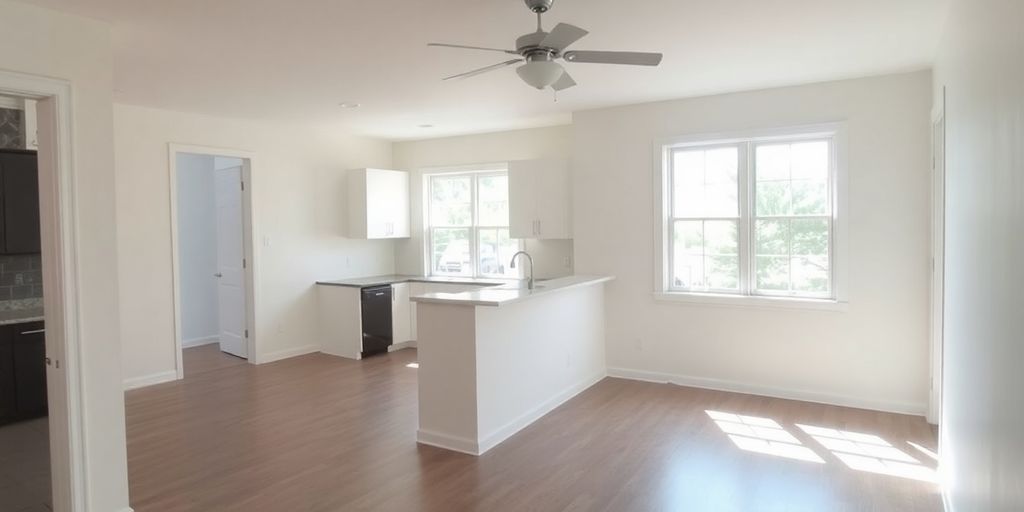
After the mold has been removed, it’s crucial to follow specific steps to ensure your home is safe and free from future mold issues. Here are the key procedures to follow:
Ensuring Complete Drying of the Area
- Thoroughly dry all affected areas to prevent mold from returning.
- Use fans and dehumidifiers to maintain low humidity levels.
- Check for any hidden moisture sources that could lead to future problems.
Conducting Clearance Testing
- After drying, have a professional conduct clearance testing to confirm that all mold has been removed.
- This testing includes checking air quality and moisture levels.
- Ensure that there are no visible signs of mold or musty odors.
Preventive Measures to Avoid Future Mold Growth
- Regularly inspect your home for leaks or water damage.
- Maintain proper ventilation in areas like bathrooms and kitchens.
- Control indoor humidity levels by using dehumidifiers when necessary.
Following these post-remediation steps is essential for a safe and healthy home environment. Taking these precautions can help prevent mold from returning.
By adhering to these procedures, you can ensure that your home remains mold-free and safe for you and your family. Remember, if you notice any signs of mold returning, it’s important to act quickly to address the issue.
Importance of Professional Mold Remediation Services
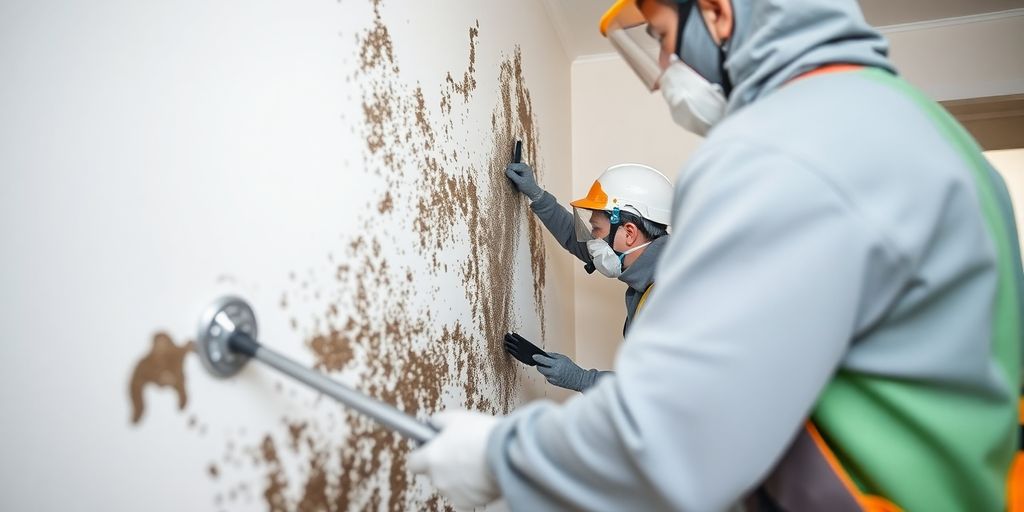
When it comes to dealing with mold, professional help is essential. Mold can be tricky to remove, and it often requires specialized tools and training. Here are some key reasons why hiring experts is crucial:
Expertise and Equipment
- Professionals have the right tools to handle mold safely.
- They understand the best methods to remove mold effectively.
- Their training helps them identify hidden mold that you might miss.
Health and Safety Considerations
- Mold can cause serious health issues, especially for those with allergies or respiratory problems.
- Experts know how to protect themselves and your family during the removal process.
- They ensure that the air quality is safe after the job is done.
Long-Term Benefits of Professional Services
- Professional mold remediation offers a comprehensive solution that eliminates visible mold and addresses the underlying causes to prevent future outbreaks.
- They provide guidance on how to keep your home mold-free in the future.
- Hiring professionals can save you time and money in the long run by preventing mold from returning.
Working with a mold remediation expert is not just about removing mold; it’s about ensuring a safe and healthy environment for your home.
By understanding the importance of professional services, you can make informed decisions that protect your home and health.
Maintaining a Mold-Free Home Environment
Keeping your home free from mold is essential for a healthy living space. Regular maintenance and vigilance can significantly reduce the risk of mold growth. Here are some key strategies to help you maintain a mold-free environment:
Regular Inspections and Maintenance
- Check for leaks in pipes, roofs, and windows.
- Inspect areas prone to moisture, like bathrooms and basements.
- Look for signs of mold, such as discoloration or a musty smell.
Controlling Indoor Humidity Levels
- Use dehumidifiers in damp areas to keep humidity below 50%.
- Ensure proper ventilation in kitchens and bathrooms.
- Open windows when weather permits to allow fresh air circulation.
Proper Ventilation and Airflow
- Install exhaust fans in high-moisture areas.
- Keep air vents clear of obstructions.
- Use air purifiers with HEPA filters to improve air quality.
By following these steps, you can create a healthier home environment and combat mold exposure effectively.
Implementing these preventative measures like improved ventilation, humidity control, and regular cleaning routines will help keep your home safe from mold.
Keeping your home free from mold is essential for a healthy living space. Regularly check for leaks, use dehumidifiers, and ensure proper ventilation in damp areas. If you suspect mold growth, don’t wait! Visit our website for expert help and tips on maintaining a mold-free home. Your health and comfort matter!
Final Thoughts on Mold Damage Restoration
In conclusion, dealing with mold in your home can be a tough task, but following the right steps can make it easier. First, always find and fix the source of moisture, as this is key to stopping mold from coming back. Next, make sure to isolate the affected areas to prevent the mold from spreading. It’s also important to remove any damaged materials and clean the space thoroughly. If you take these actions, you can create a safe and healthy environment for you and your family. Remember, if the mold problem is too big, it’s best to call in professionals who know how to handle it safely and effectively.
Frequently Asked Questions
What causes mold to grow in homes?
Mold grows in homes mainly due to moisture. This can come from leaks, high humidity, or poor ventilation.
How can I tell if I have mold in my house?
You might see dark spots on walls or ceilings, smell a musty odor, or have health issues like sneezing or coughing.
Is mold removal something I can do myself?
While small areas can be cleaned, it’s best to hire professionals for larger mold problems to ensure safety.
What should I do if I find mold in my home?
First, find and fix the source of moisture. Then, contact a professional mold remediation service to handle the cleanup.
How can I prevent mold from coming back?
Keep your home dry and well-ventilated, fix leaks quickly, and monitor humidity levels to prevent mold growth.
Are there health risks associated with mold exposure?
Yes, mold can cause health problems, especially for people with allergies, asthma, or weakened immune systems.