
Mold can be a sneaky invader in our homes, creeping into damp corners and hidden spaces. It’s not just about the unsightly patches on the walls; mold can pose serious health risks and structural problems if left unchecked. Tackling mold isn’t just about wiping it away. It’s about understanding what causes it, how to remove it safely, and preventing it from coming back. Whether you’re dealing with a small patch or a larger infestation, knowing the right steps can make all the difference. Let’s dive into what it takes to effectively handle mold removal and keep your home safe.
Key Takeaways
- Understand the different types of mold and the health risks they pose.
- Always identify and fix moisture problems to prevent mold from returning.
- Use proper containment and air filtration to avoid spreading mold spores.
- Safe removal and disposal of mold-infested materials are crucial.
- Regular maintenance and working with professionals can prevent future mold issues.
Understanding the Basics of Mold and Its Risks
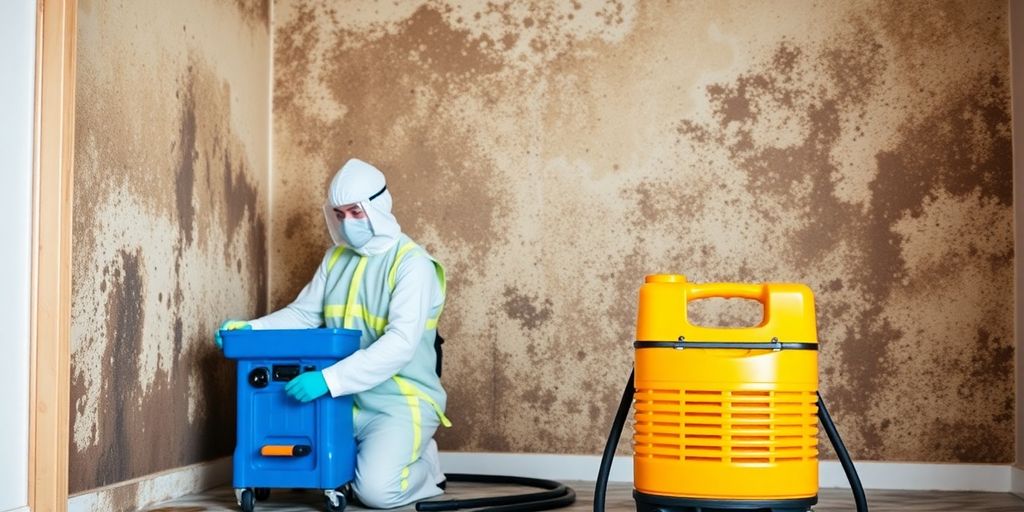
Mold is a type of fungus that thrives in moist environments. It’s all around us, but when it finds the right conditions, it can grow indoors and become a problem. Mold can appear in various colors like black, green, or even pink, and while most outdoor molds are harmless, indoor mold can cause serious issues.
Identifying Common Types of Mold
There are several types of mold you might encounter. Stachybotrys Chartarum, often called "black mold," is one of the most infamous due to its potential health effects. Then there’s Aspergillus, which is common in damp areas and can trigger allergies. Cladosporium is another type that can grow both indoors and outdoors, often found on fabrics and wood surfaces.
Health Risks Associated with Mold Exposure
Exposure to mold can lead to a variety of health issues. People with allergies might experience symptoms like sneezing, runny nose, or skin rashes. Mold can also exacerbate asthma, leading to more frequent attacks. Prolonged exposure might even lead to more severe respiratory problems. It’s important to address mold issues promptly to protect your health.
Recognizing Signs of Mold Infestation
Detecting mold early can save you from bigger problems down the line. Look out for:
- Musty odors, which often indicate hidden mold.
- Discoloration on walls or ceilings, which might appear as small black spots or patches.
- Peeling wallpaper or bubbling paint, signs that moisture, and possibly mold, are present.
Mold isn’t just a cosmetic issue—it’s a health concern. If you suspect mold in your home, don’t ignore it. Take action to identify and remove it to ensure a safe living environment.
Initial Assessment and Planning for Mold Remediation
Conducting a Thorough Inspection
Before diving into mold removal, the first step is to carry out an in-depth inspection. This isn’t just about spotting mold on walls or ceilings; it’s about understanding the full scope of the problem. A thorough inspection will help identify all affected areas, even those hidden from plain sight. You might need to check behind furniture, inside HVAC systems, and even within wall cavities. Sometimes, it’s necessary to use moisture meters or thermal imaging to detect hidden dampness that could foster mold growth.
Taking the time to do a detailed inspection can prevent bigger issues down the road. It’s about being proactive, not reactive.
Identifying Moisture Sources
Mold doesn’t just appear out of nowhere—it thrives in moist environments. So, pinpointing the source of moisture is crucial. Whether it’s a leaky roof, a dripping pipe, or poor ventilation, finding and fixing these issues is essential. Without addressing the root cause, any mold removal will be temporary. Here’s a quick checklist to consider:
- Check for leaks in plumbing and roofing.
- Ensure ventilation is adequate in damp areas like bathrooms and kitchens.
- Inspect gutters and downspouts for proper drainage.
Developing a Remediation Plan
Once you’ve identified the mold and moisture sources, it’s time to map out a plan. This involves deciding on the methods and materials needed for removal and setting a timeline for the work. A well-thought-out plan will consider the size of the affected area, the type of mold, and the resources available.
- Determine the extent of contamination: This will help decide if you need professional help or if it’s manageable on your own.
- Select appropriate removal techniques: Different molds require different approaches.
- Outline safety precautions: Ensure everyone involved knows how to protect themselves from exposure.
For those unsure about tackling this on their own, consulting with a professional mold remediation company can provide peace of mind and expert guidance. They can offer insights into the best practices and help with the heavy lifting.
In conclusion, the initial assessment and planning phase is about laying the groundwork for a successful mold remediation process. By being thorough and meticulous, you set yourself up for a mold-free future.
Effective Containment and Air Filtration Techniques
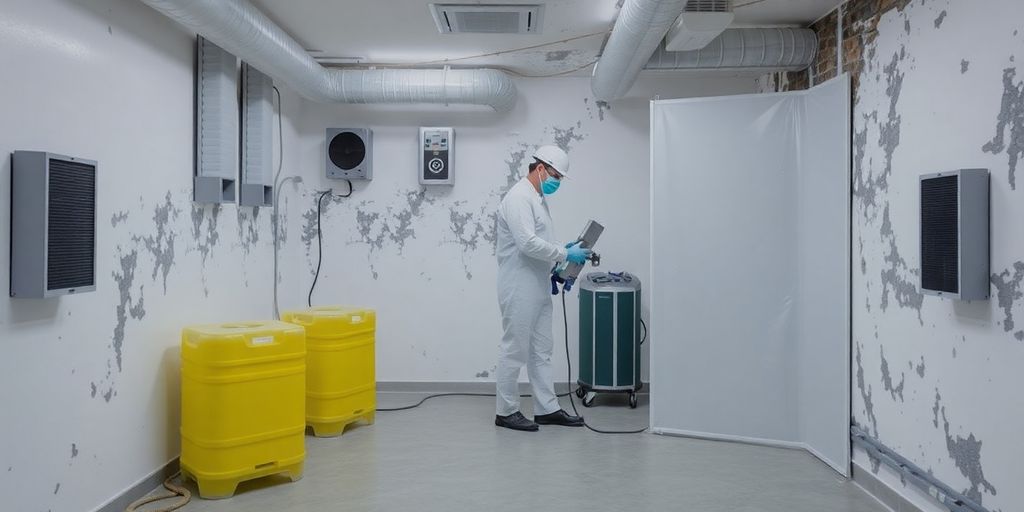
Setting Up Containment Barriers
When dealing with mold, the first thing you want to do is stop it from spreading. This is where containment comes in. By creating a physical barrier around the moldy area, you can keep those pesky spores from drifting into other parts of the building. Typically, this involves using plastic sheeting secured with tape to seal off the area. It’s a bit like putting the mold in a bubble, which not only keeps it from spreading but also helps protect anyone nearby from breathing in harmful spores. Remember, containment aims to restrict mold spread within a building, reducing exposure risks for both remediators and occupants.
Utilizing Air Filtration Devices
Once you’ve got your containment set up, it’s time to think about the air quality. Mold spores love to float around, and if they’re in the air, they can easily find new places to grow. This is where air filtration devices come in handy. Using High-Efficiency Particulate Air (HEPA) filters, these devices can capture even the tiniest mold spores. Place them strategically around the containment area to ensure they’re doing their job effectively. It’s like giving the air a good scrub, making sure that what you’re breathing is clean and safe.
Preventing Cross-Contamination
Cross-contamination is a fancy term for mold spores hitching a ride to other parts of the building. To stop this from happening, it’s crucial to follow some basic steps. First, always wear protective gear—think gloves, masks, and coveralls. Next, make sure to clean up thoroughly after working in a moldy area. This means wiping down tools and surfaces, and properly disposing of contaminated materials. By taking these precautions, you can make sure the mold stays put and doesn’t cause trouble elsewhere.
Containment and air filtration are your best bets for keeping mold in check. By isolating the problem and cleaning the air, you’re not just fixing the issue but also protecting everyone’s health in the process.
Safe Removal and Disposal of Mold-Infested Materials
Choosing the Right Removal Techniques
When it comes to getting rid of mold, choosing the right removal techniques is crucial. You can’t just scrub it off and call it a day. Depending on what you’re dealing with, you might need to use different methods. For example, dry removal methods like vacuuming and brushing work well for surfaces that aren’t too damaged. On the other hand, wet removal methods, using cleaning agents and disinfectants, are often needed for more stubborn infestations.
Handling and Disposing of Contaminated Materials
Handling moldy materials is not something you want to mess around with. These items need to be sealed in thick, airtight bags to prevent spores from spreading. Once bagged, wipe them down to remove any lingering spores. Depending on where you live, you might be able to toss these bags in a regular landfill, but always check local regulations first.
Ensuring Safety During Removal
Safety is a big deal in mold removal. You’ll need protective gear like goggles, masks, and gloves to keep yourself safe from inhaling or touching mold spores. It’s also important to keep the area damp to suppress dust and prevent spores from becoming airborne. And remember, if you’re not sure about something, Ruach Home Services offers professional mold removal services. They can handle the tough stuff, ensuring a safe and thorough cleanup.
Cleaning, Disinfection, and Restoration Procedures
Selecting Appropriate Cleaning Agents
Choosing the right cleaning agents is crucial in mold removal. Hydrogen peroxide, bleach, and specialized mold cleaners are among the most effective. The type of surface and the level of contamination will dictate the choice. Make sure to follow the manufacturer’s instructions for the right application and dilution ratios. This ensures that all mold spores are effectively eliminated.
Disinfecting Affected Areas
Once cleaning is done, it’s time to disinfect. This step is vital to kill any remaining mold spores. It’s best to use a disinfectant that is suitable for the surfaces you’re dealing with. Remember, different surfaces might require different products. Follow all safety guidelines to protect yourself and others during this process.
Restoring Damaged Structures
After cleaning and disinfecting, the focus shifts to restoration. Damaged materials like drywall, wood, and insulation might need replacing. This step isn’t just about aesthetics; it’s about ensuring the structure is safe and sound. Proper restoration helps prevent future mold growth by addressing any underlying issues, like leaks or poor ventilation.
Proper cleaning and disinfection are not just about getting rid of visible mold. They are about ensuring the safety and health of everyone in the space. If you’re unsure about any part of the process, consider reaching out to Ruach Home Services for their professional mold remediation services.
Preventive Measures to Avoid Future Mold Growth
Getting air moving in your home is a big deal when you’re trying to keep mold at bay. Start by opening windows whenever you can, especially after cooking or showering. If your home has exhaust fans, make sure they’re working properly and use them regularly to help vent moisture outside. Ceiling fans can also help circulate air, reducing the chance for mold to settle in.
Controlling Humidity Levels
Mold loves moisture, so keeping your home’s humidity in check is key. Aim for humidity levels below 50%, which you can monitor with a hygrometer. If things get too humid, consider using a dehumidifier, especially in damp areas like basements. Covering cold surfaces, such as pipes, with insulation can also help prevent condensation.
Regular Maintenance and Inspections
Stay on top of home maintenance to catch any issues before they become mold problems. Check for leaks under sinks, around windows, and in the roof. Regular inspections can help you spot potential trouble spots. If you find any leaks or water damage, fix them promptly to avoid giving mold a chance to grow.
Keeping your home mold-free is about staying proactive. By managing moisture and maintaining your home, you can create a healthier environment for everyone living there.
Working with Professional Mold Remediation Services
Benefits of Hiring Experts
When you’re dealing with mold, it might seem tempting to tackle it yourself. But, getting professional help is often the best move. Why? Professionals have the right tools and know-how to handle mold safely and efficiently. They use specialized equipment, like air scrubbers and dehumidifiers, to ensure that mold is not just removed but also doesn’t come back. Plus, they can spot problems you might miss, like hidden moisture sources.
Choosing a Reliable Remediation Company
Picking the right company is crucial. Here’s a quick checklist to help you choose:
- Check Credentials: Ensure the company has proper certifications and insurance.
- Look for Experience: A company with a solid track record is often more reliable.
- Read Reviews: Customer feedback can give you insights into their service quality.
Understanding Professional Techniques
Professional mold removers use a variety of techniques to ensure thorough cleaning. They might use HEPA vacuums to capture tiny mold spores or apply antimicrobial treatments to prevent future growth. Understanding these methods can help you appreciate the thoroughness of their work and why it’s worth the investment.
Hiring professionals not only ensures that the mold is removed effectively but also gives you peace of mind that your home is safe from potential health hazards. They can also offer tips to prevent future mold issues, like improving ventilation or controlling humidity levels.
If you’re dealing with mold issues, it’s smart to get help from experts. Professional mold remediation services can safely remove mold and stop it from coming back. Don’t wait until it gets worse! Visit our website today to learn more about how we can help you keep your home safe and healthy.
Conclusion
Wrapping up, tackling mold isn’t just about getting rid of the visible stuff. It’s about digging deeper to find out why it happened in the first place and making sure it doesn’t come back. Whether it’s fixing leaks, improving airflow, or just keeping things dry, prevention is key. And remember, while some folks might try to handle it themselves, calling in the pros can save you a lot of hassle and ensure the job’s done right. Mold removal might seem like a big task, but with the right steps, you can keep your home safe and sound.
Frequently Asked Questions
What is mold and why is it bad?
Mold is a type of fungus that grows in damp places. It can cause health problems like allergies and breathing issues.
How can I tell if I have mold in my home?
You might see spots of mold or smell a musty odor. Sometimes, you might feel sick if mold is present.
Can I clean mold myself, or do I need a professional?
You can clean small mold spots yourself, but for big areas, it’s safer to call a professional who knows how to handle mold.
What should I do if I find mold in my house?
First, try to find and fix any water problems. Then, clean the mold or call a professional if it’s a big area.
How can I stop mold from coming back?
Keep your home dry by fixing leaks, using fans, and keeping humidity low with a dehumidifier.
Is mold dangerous for everyone?
Mold can be more harmful to people with allergies, asthma, or weak immune systems, but it can bother anyone.