
Water damage can be a serious issue for homeowners, causing significant problems if not addressed quickly. Understanding the causes, taking immediate action, and following the right steps for restoration can help you minimize damage and restore your home effectively. This guide outlines essential steps for effective restoration of water damage in your home.
Key Takeaways
- Identify the source of water damage immediately to prevent further issues.
- Document all damage for insurance claims before starting repairs.
- Use fans and dehumidifiers to dry out affected areas quickly.
- Act fast to prevent mold growth, which can start within 24 hours.
- Consider hiring professionals for extensive repairs and restoration.
Understanding the Causes of Water Damage
Water damage can happen for many reasons, and knowing these causes is the first step in preventing it. Common sources of water damage include:
- Broken pipes
- Clogged drains
- Faulty appliances
- Heavy rain or flooding
- Old roofs
Common Sources of Water Damage
Here are some of the most frequent causes:
- Burst or leaking pipes: These can lead to significant water loss and damage.
- Clogged gutters: When gutters are blocked, water can overflow and seep into your home.
- Faulty appliances: Dishwashers, washing machines, and water heaters can malfunction and cause leaks.
Signs of Water Damage in Your Home
Look for these signs to catch water damage early:
- Swollen or warped materials: This can indicate prolonged exposure to moisture.
- Musty odors: A damp smell often means there’s hidden water damage.
- Water stains: These can appear on walls or ceilings, signaling leaks.
Preventing Water Damage Before It Starts
To keep your home safe, consider these preventive measures:
- Regularly inspect and maintain your plumbing.
- Clean gutters and downspouts to ensure proper drainage.
- Install sump pumps in areas prone to flooding.
Understanding the causes of water damage is crucial for homeowners. Taking proactive steps can save you time and money in the long run.
By being aware of these factors, you can better protect your home from potential water damage.
Immediate Actions to Take After Water Damage
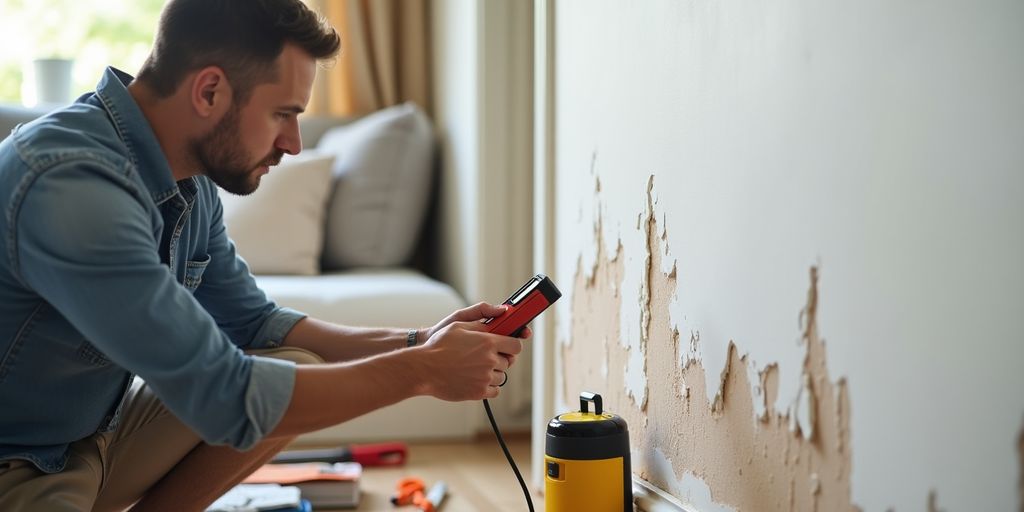
When water damage occurs, it’s crucial to act quickly. Here are the immediate steps you should take:
Ensuring Safety and Turning Off Utilities
- Stay safe first! Make sure you and your family are out of harm’s way. If there’s a lot of water, it’s best to avoid the area until it’s safe.
- Turn off the electricity if it’s safe to do so. If you have to walk through water to reach the switch, call an electrician instead.
- Wear protective gear like rubber boots and gloves when entering the affected area.
Documenting the Damage for Insurance
- Take photos of all damaged areas and items. This will help with your insurance claim.
- Make a list of everything that was damaged, including furniture and appliances.
- Keep receipts for any repairs or temporary accommodations.
Contacting Your Insurance Provider
- Call your insurance company as soon as possible. They can guide you on the next steps and send an adjuster to assess the damage.
- Remember: Not all policies cover flood damage, so check your coverage.
It’s important to act quickly after water damage. Mold can start growing in as little as 24 hours, so don’t delay in taking action.
By following these steps, you can help minimize the damage and start the restoration process effectively. Stay in a safe space while your home is being restored, and don’t rush back into your home until it’s safe to do so.
Drying and Dehumidifying Your Home
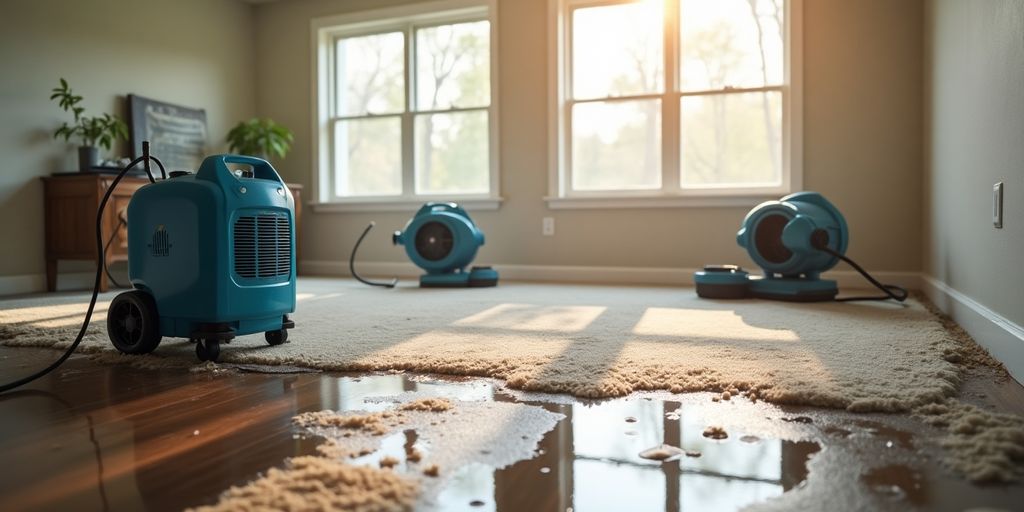
After experiencing water damage, it’s crucial to dry and dehumidify your home effectively. This process helps prevent further damage and reduces the risk of mold growth.
Using Fans and Dehumidifiers Effectively
- Start with fans: Use floor fans to circulate air and speed up drying.
- Dehumidifiers are key: Invest in a building dehumidifier to remove moisture from the air. This is essential for getting the most out of your drying efforts.
- Open windows: If the weather permits, open windows to increase airflow.
Removing Excess Water Safely
- Extract standing water: Use buckets or a wet-dry vacuum to remove as much water as possible.
- Mop up: After extraction, mop up any remaining water in hard-to-reach areas.
- Ventilate: Allow the area to ventilate to aid in drying.
Monitoring Moisture Levels
- Use a moisture meter: Check moisture levels in walls and floors to ensure they are drying properly.
- Regular checks: Monitor the humidity levels in your home to ensure they stay low.
- Adjust equipment: If moisture levels remain high, adjust your fans and dehumidifiers accordingly.
Remember, starting the drying process within the first 24 hours is vital to minimize damage and prevent mold growth.
By following these steps, you can effectively dry and dehumidify your home after water damage, ensuring a safer and healthier living environment.
Preventing Mold and Mildew Growth
Identifying Mold Early
Mold can start to grow within 24 hours after water damage occurs. It’s important to check for any signs of mold in your home, especially in areas that were wet. Look in places like:
- Basements
- Bathrooms
- Under sinks
- Behind walls
Steps to Prevent Mold After Water Damage
To keep mold from taking hold, follow these steps:
- Remove wet items as soon as possible. This includes furniture, carpets, and any other items that have absorbed water.
- Clean wet items and surfaces with detergent and water to prevent mold growth.
- Use fans and dehumidifiers to dry out the area quickly.
When to Call a Mold Specialist
If you notice mold or if the water damage was extensive, it’s best to call a mold specialist. They can help assess the situation and ensure your home is safe. Acting quickly can save you from bigger problems later on.
Repairing and Restoring Your Home
After dealing with water damage, it’s time to focus on repairing and restoring your home. This process can be overwhelming, but breaking it down into steps can help.
Assessing What Needs to Be Repaired
- Inspect the Damage: Look for areas that need fixing, such as walls, floors, and ceilings.
- Make a List: Write down everything that needs repair or replacement.
- Prioritize Repairs: Focus on the most critical areas first, like structural damage.
Hiring Professional Restoration Services
- Research Local Services: Look for companies that specialize in water damage restoration, like Ruach, which offers comprehensive home services.
- Check Credentials: Ensure the professionals are certified and have good reviews.
- Get Estimates: Ask for quotes from multiple companies to find the best deal.
DIY Restoration Tips
- Start Small: If you’re handy, begin with minor repairs like painting or replacing baseboards.
- Use Proper Tools: Make sure you have the right tools for the job to avoid injuries.
- Stay Safe: Always wear protective gear when working in damaged areas.
Remember, taking your time during the restoration process can prevent future issues. It’s better to do it right than to rush and miss important repairs.
Final Steps and Moving Back In
Ensuring Your Home is Safe and Dry
Before you move back into your home, make sure it is completely dry and safe. This means checking for any lingering moisture and ensuring that all areas have been properly dried out. You can use a moisture meter to help with this. If you notice any damp spots, it’s best to address them before returning.
Cleaning and Sanitizing Affected Areas
Once you confirm that your home is dry, it’s time to clean and sanitize the affected areas. Here are some steps to follow:
- Use a mixture of water and mild detergent to clean surfaces.
- Disinfect areas that were affected by water, especially if it was contaminated.
- Ensure that all items that were wet are cleaned or disposed of properly.
Final Inspection Before Moving In
Before you settle back in, conduct a final inspection of your home. Look for any signs of mold or damage that may have been missed. If you find anything concerning, consider hiring a professional to assess the situation. A thorough inspection can save you from future problems.
Remember, moving back in too soon can lead to health risks from mold and mildew. Take your time to ensure everything is safe.
In summary, moving back into your home after water damage requires careful steps to ensure safety and cleanliness. By following these guidelines, you can help protect your home and your health.
As you prepare to move back into your home, take a moment to ensure everything is in order. Check that all repairs are complete and your space is clean and safe. If you need help with any last-minute tasks or repairs, don’t hesitate to reach out! Visit our website for more information and to schedule a service today!
Final Thoughts on Water Damage Restoration
In conclusion, dealing with water damage in your home can be a tough experience, but taking the right steps can make it easier. First, always act quickly to stop the source of the water and call your insurance company. Next, drying out your home within the first few days is crucial to prevent mold and other problems. If you find mold, it’s best to get help from a professional. Remember, some repairs might take time, but with the right approach, your home can be restored to its former state. Always prioritize safety and don’t hesitate to ask for help when needed. Your home deserves the best care!
Frequently Asked Questions
What are the main causes of water damage in homes?
Water damage can happen for many reasons, like broken pipes, leaking appliances, heavy rain, or even flooding.
How quickly should I act after discovering water damage?
You should act fast! Try to start cleaning up the water within 24 hours to prevent mold from growing.
Is it safe to enter my home after water damage?
Make sure it’s safe first. Turn off electricity and wear protective gear like gloves and boots before going in.
When should I contact a professional for help?
If the water damage is severe or if mold starts to grow, it’s best to call a professional to help with cleanup and repairs.
How can I prevent mold after water damage?
To prevent mold, dry everything out quickly and keep the area well-ventilated. If you see mold, call a specialist right away.
Will my insurance cover water damage repairs?
It depends on your policy. Check with your insurance company to see what is covered and if you need to file a claim.