
Taking care of your roof is essential for maintaining the safety and value of your home. Roof remediation involves fixing issues that can lead to bigger problems down the line. This guide will help you understand the steps needed to effectively remediate your roof, from identifying damage to choosing the right materials.
Key Takeaways
- Regular roof inspections can help catch problems early before they become serious.
- Safety is crucial; always wear protective gear when working on your roof.
- Cleaning gutters and removing debris can prevent water damage.
- Choosing the right materials can enhance your roof’s durability and energy efficiency.
- Consider professional help for major repairs to ensure safety and quality.
Understanding Roof Remediation
What is Roof Remediation?
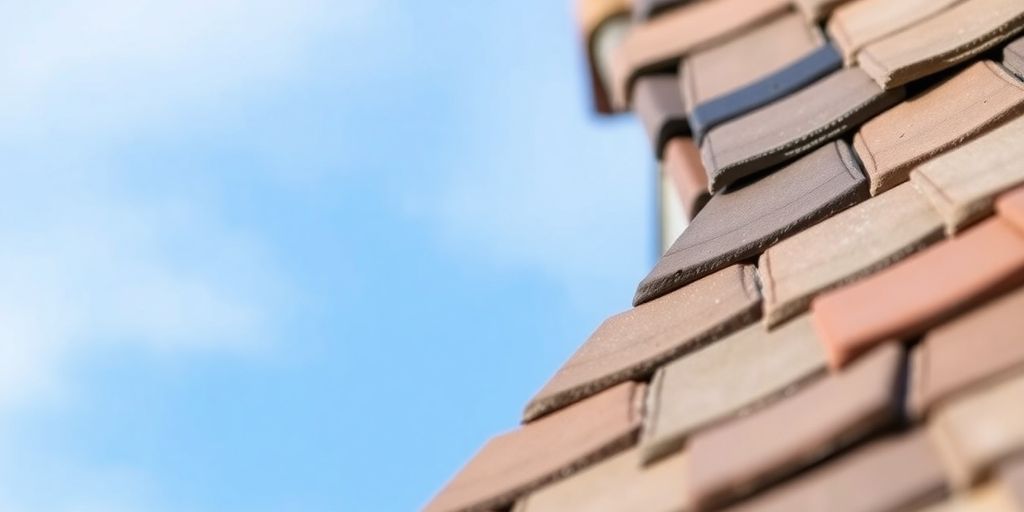
Roof remediation is the process of fixing and restoring a roof to ensure it functions properly. This process can save you money by extending the life of your roof instead of needing a full replacement. It involves various techniques to address issues like leaks, mold, and wear.
Importance of Roof Remediation
Taking care of your roof is crucial for your home’s safety and value. Here are some reasons why roof remediation is important:
- Prevents further damage: Fixing small issues early can stop them from becoming bigger problems.
- Increases lifespan: Regular maintenance can help your roof last longer.
- Enhances energy efficiency: A well-maintained roof can keep your home cooler in summer and warmer in winter, saving on energy bills.
Common Roof Issues Addressed
Roof remediation can tackle several common problems, including:
- Leaks: Water can cause serious damage if not fixed quickly.
- Mold and algae: These can grow on roofs, especially in humid areas, leading to decay.
- Damaged shingles: Broken or missing shingles can expose your roof to the elements.
Regular roof maintenance is essential to avoid costly repairs later on.
By understanding roof remediation, homeowners can take proactive steps to protect their investment and ensure their roofs remain in good condition for years to come.
Identifying Roof Damage
Signs of Roof Damage
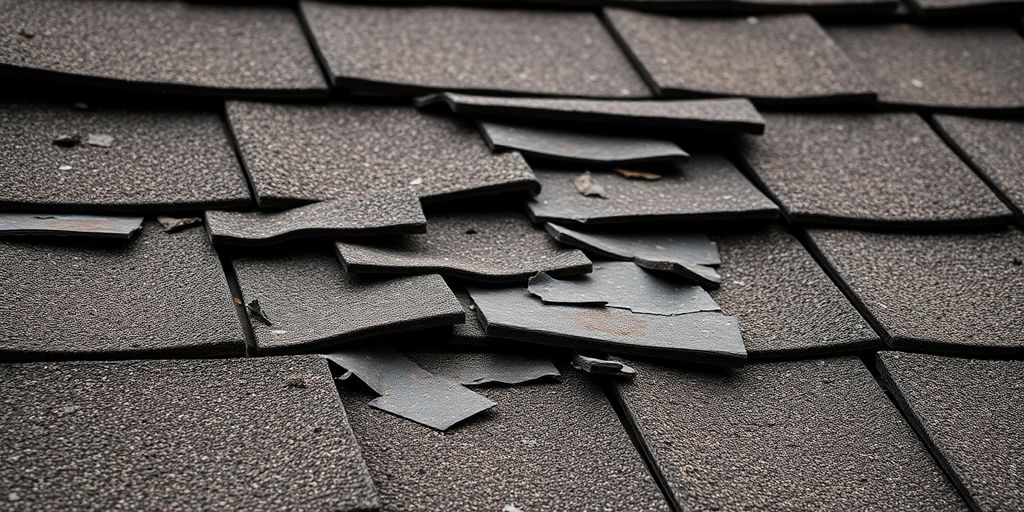
Recognizing the signs of roof damage early can save you a lot of trouble. Key indicators include:
- Water stains on ceilings and walls
- Missing or damaged shingles
- Sagging areas on the roof
These signs can indicate serious issues that need immediate attention.
Tools for Roof Inspection
To effectively inspect your roof, you’ll need some basic tools. Here’s a quick list:
- Ladder for safe access
- Binoculars for distant inspection
- Flashlight to check dark areas
- Camera to document any damage
Using these tools can help you spot problems before they worsen.
When to Call a Professional
If you notice significant damage or if the inspection feels overwhelming, it’s time to call a professional. Professional help is essential for:
- Comprehensive inspections
- Addressing structural issues
- Upgrading materials if necessary
Don’t hesitate to seek expert advice when needed!
Preparing for Roof Remediation
Safety Precautions
Before starting any roof work, safety should be your top priority. Here are some essential safety measures to follow:
- Wear protective gear, including gloves, goggles, and a mask.
- Use slip-resistant shoes to prevent falls on wet surfaces.
- Ensure your ladder is stable and positioned correctly.
Gathering Necessary Tools
Having the right tools is crucial for effective roof remediation. Here’s a list of items you should gather:
- Ladder
- Safety harness
- Cleaning supplies (brushes, bleach solution)
- Repair materials (shingles, sealant)
- Inspection tools (flashlight, moisture meter)
Protecting Your Property
To avoid damage to your property during remediation, take these steps:
- Cover plants and outdoor furniture with tarps.
- Move any valuable items away from the work area.
- Ensure gutters and downspouts are clear to prevent water buildup.
Taking the time to prepare properly can save you from costly repairs later. Consider hiring professional mold remediation services if the task feels overwhelming. They can help ensure your roof is safe and sound.
Executing Roof Remediation Steps
Cleaning and Removing Debris
To start the remediation process, cleaning your roof is essential. This involves:
- Clearing away leaves, branches, and other debris that can trap moisture.
- Using a soft-bristle brush to gently scrub any mold or algae.
- Hosing down the roof to wash away dirt and cleaning solutions.
Repairing Damaged Areas
Next, focus on fixing any damaged parts of your roof. Here are the steps:
- Inspect shingles for cracks or missing pieces and replace them as needed.
- Check flashing around chimneys and vents; repair or replace any that are damaged.
- Ensure gutters are clear and functioning to prevent water buildup.
Sealing and Waterproofing
Finally, sealing and waterproofing your roof is crucial for long-term protection. This includes:
- Applying a waterproof sealant to vulnerable areas.
- Ensuring all seams and joints are properly sealed to prevent leaks.
- Regularly checking and maintaining these seals to extend their lifespan.
Remember, taking these steps can significantly enhance your roof’s durability and protect your home from future damage. Regular maintenance is key to a healthy roof.
By following these steps, you can effectively manage your roof remediation process and ensure your home remains safe and secure. For expert help, consider reaching out to top no.1 roofing and exterior remodeling services for professional assistance.
Maintaining Your Roof Post-Remediation
After completing roof remediation, it’s essential to keep your roof in good shape. Regular maintenance can prevent costly repairs and extend the life of your roof. Here are some key strategies to consider:
Regular Inspection Tips
- Inspect your roof at least twice a year to catch any issues early.
- Look for signs of wear, such as missing shingles or leaks.
- Check your attic for water stains or mold, which can indicate roof problems.
Preventative Maintenance Strategies
- Clean your gutters regularly to prevent water damage.
- Trim overhanging branches to avoid physical damage to your roof.
- Remove moss and algae growth, as they can harm roofing materials.
When to Schedule Professional Check-Ups
- After severe weather events, it’s wise to have a professional inspect your roof.
- If you notice any significant damage or leaks, call a contractor immediately.
- Regular professional inspections can help identify issues before they worsen.
Keeping your roof well-maintained not only protects your home but also enhances its value. Remember, a little effort goes a long way in roof care!
Choosing the Right Roofing Materials
Selecting the right roofing material is essential for your home’s stability and longevity. With various options available, understanding the pros and cons of each can help you make the best choice for your needs.
Comparing Roofing Materials
- Asphalt Shingles: These are popular due to their affordability and ease of installation. They typically last 15-30 years.
- Metal Roofing: Known for its durability, metal roofs can last 40-70 years. They are also energy-efficient, reflecting heat and reducing cooling costs.
- Tile Roofing: Made from clay or concrete, tile roofs can last over 50 years and offer great aesthetic appeal.
- Slate Roofing: This material can last up to 200 years and is fire-resistant, but it is heavy and expensive.
Energy Efficiency Considerations
- Metal roofs can reduce cooling costs by 10-25%.
- Tile and slate roofs provide excellent insulation, helping to maintain indoor temperatures.
- Asphalt shingles are less energy-efficient but are more affordable.
Longevity and Durability
| Material | Lifespan (Years) | Durability Rating |
|---|---|---|
| Asphalt Shingles | 15-30 | Moderate |
| Metal Roofing | 40-70 | High |
| Tile Roofing | 50+ | High |
| Slate Roofing | Up to 200 | Very High |
For greater durability, consider composite (synthetic) shingles (40-50 years) or standing seam metal roofs (around 50 years). These materials are designed for long-lasting performance.
Choosing the right roofing material can significantly impact your home’s energy efficiency and overall value. Make sure to consider your local climate and budget when making your decision.
Cost Considerations for Roof Remediation
Initial Costs vs Long-Term Savings
The upfront costs of roofing materials can seem overwhelming. However, considering the long-term savings from reduced maintenance and lower energy bills is essential. When planning your roofing budget, think about both the immediate expenses and the future benefits.
The True Value of Regular Roof Maintenance
Investing in regular maintenance can significantly extend your roof’s lifespan and lower the chances of expensive emergency repairs. Here are some key points to remember:
- Regular inspections can catch issues early, saving you money.
- Setting aside funds for maintenance can help cover unexpected repairs.
- Following a maintenance plan may be necessary to keep warranties valid.
Long-Term Considerations and ROI
When budgeting for roof maintenance, it’s crucial to think about the return on investment (ROI). A well-maintained roof not only improves energy efficiency but also enhances your property’s market value. Here’s a quick overview:
| Factor | Impact on Costs |
|---|---|
| Energy Efficiency | Reduces bills by up to 40% |
| Property Value | Increases marketability |
| Maintenance Costs | Lower than emergency repairs |
Regular maintenance is a smart investment that can save you money in the long run and protect your home.
Conclusion
In summary, understanding the costs associated with roof remediation is vital for homeowners. By balancing initial expenses with potential savings and benefits, you can make informed decisions that will protect your investment and enhance your home’s value. Remember, preventing costly repairs is always better than dealing with them later!
When thinking about fixing your roof, it’s important to consider the costs involved. Roof repairs can vary widely based on the damage and materials needed. To get a better idea of what to expect, visit our website for detailed information and helpful tips. Don’t wait until it’s too late—take action now!
Final Thoughts on Roof Remediation
Taking care of your roof is really important for keeping your home safe and comfortable. Regular maintenance helps you spot problems early, which can save you a lot of money in the long run. By following the steps outlined in this guide, you can ensure your roof stays in good shape for many years. Remember, a well-maintained roof not only protects your home but also boosts its value. So, don’t wait until you see leaks or damage; start taking care of your roof today!
Frequently Asked Questions
What does roof remediation involve?
Roof remediation includes fixing problems like leaks, damaged shingles, and other issues to keep your roof safe and strong.
How can I tell if my roof needs repairs?
Look for signs like water stains on ceilings, missing shingles, or sagging areas. If you see these, it’s time to check your roof.
Is it safe to inspect my roof myself?
If you feel comfortable and it’s safe, you can check your roof. But if it’s high or looks risky, it’s best to call a professional.
What tools do I need for roof repairs?
Basic tools like a ladder, safety gear, a hammer, nails, and roofing sealant are helpful for small repairs.
How often should I have my roof inspected?
It’s good to check your roof at least twice a year and after big storms to catch any issues early.
Can I save money by doing roof repairs myself?
Yes, doing simple repairs yourself can save money, but for major issues, hiring a professional might be safer and more effective.