
Dealing with water damage in your home can be overwhelming. Whether it’s from a burst pipe, a leaky roof, or a natural disaster, taking swift action is key. This guide aims to walk you through the necessary steps to effectively clean up and restore your home after water damage, ensuring you tackle the problem head-on and prevent future issues.
Key Takeaways
- Act quickly to minimize damage and prevent mold growth.
- Always turn off utilities before starting cleanup to ensure safety.
- Document all damages for insurance claims and future reference.
- Use proper equipment for effective water extraction and drying.
- Seek professional help for major repairs and restoration.
Understanding the Causes of Water Damage
Identifying Common Sources of Water Damage
Water damage can sneak up on homeowners, often originating from a variety of sources. Leaky roofs, broken pipes, and malfunctioning appliances are just a few culprits. Heavy rain and natural disasters like floods can also lead to significant water issues. It’s crucial to regularly inspect areas prone to leaks, such as basements and attics, to catch potential problems early.
Recognizing Signs of Water Damage
Spotting water damage early can save you a lot of headaches. Look for discoloration on walls and ceilings, a musty odor, or warped flooring. These could all be signs of water intrusion. Sometimes, water damage isn’t immediately visible, so keep an eye out for any unusual changes in your home.
Differentiating Between Types of Water Damage
Not all water damage is created equal. Clean water damage comes from sources like rain or leaky pipes and is the easiest to deal with. Gray water, slightly contaminated, might come from appliances like washing machines. The most serious, black water, is highly contaminated and often results from sewage backups or natural disasters. Understanding these differences is key to tackling water damage effectively.
Immediate Actions to Take After Water Damage
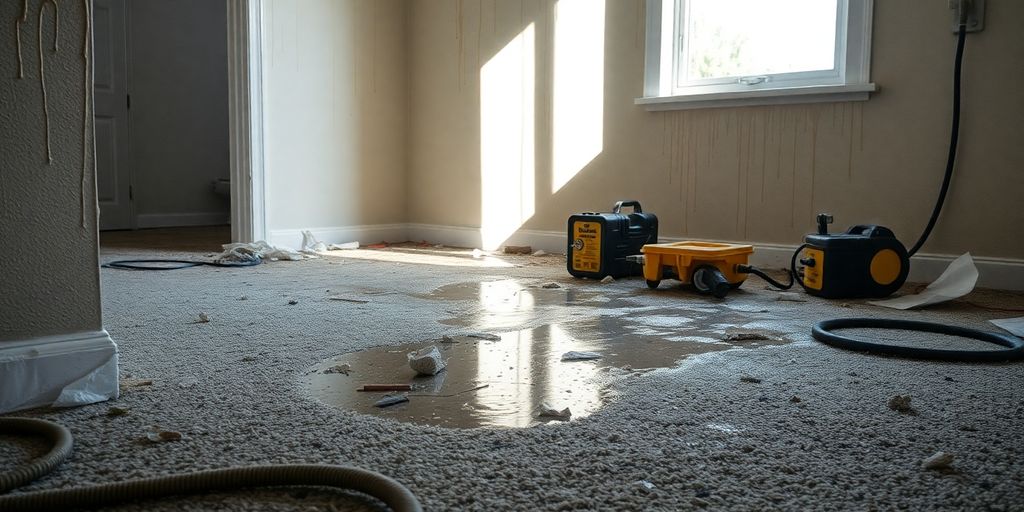
When water damage hits your home, acting fast is key. Here’s a breakdown of what to do right away.
Ensuring Safety and Turning Off Utilities
First things first: safety. Make sure everyone is out of harm’s way. Water and electricity don’t mix, so if it’s safe, turn off the power. If you can’t do it without stepping into water, call an electrician. Don’t forget to shut off the water supply to stop any more flooding.
Documenting the Damage for Insurance
Grab your phone and start taking photos and videos of everything. You want to capture as much as possible for your insurance claim. Write down details about what’s damaged and how bad it looks. This documentation can be a lifesaver when dealing with insurance companies.
Contacting Professional Restoration Services
Once you’ve documented everything, it’s time to reach out to the pros. Water damage can get worse quickly, so having experts handle the cleanup is often the best move. They have the right tools and know-how to prevent mold and further damage. If you’re unsure where to start, consider brands like DeWALT and Dry-Eaz for reliable restoration equipment, as they offer quality tools needed for effective water damage restoration.
Effective Water Extraction and Drying Techniques
Using the Right Equipment for Water Removal
So, you’ve got water damage, and the first step is getting rid of that water. The right equipment makes all the difference. For standing water, grab a wet-dry vacuum or a pump. If it’s a big job, you might need professional help with industrial gear. It’s about speed and efficiency here—standing water needs to be gone ASAP to prevent further damage.
Implementing Proper Drying Methods
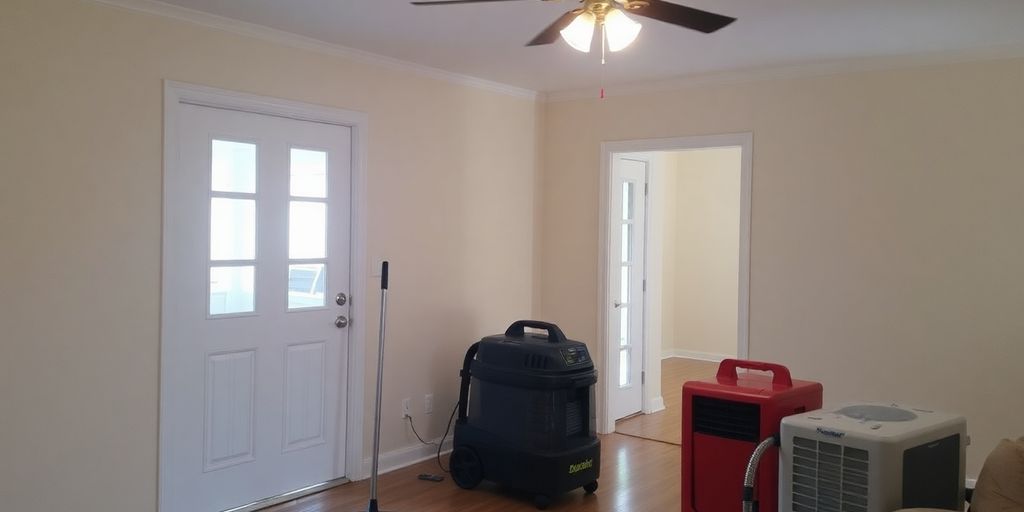
Once the water is out, drying is the next big thing. Dehumidifiers, fans, and heaters are your best friends. Set them up strategically to get the air moving and moisture out. It’s not just about drying what you can see; you need to tackle hidden moisture too. Remember, damp areas can lead to mold, and that’s a headache you don’t want.
Monitoring Moisture Levels
You think it’s dry, but is it really? Use a hygrometer to keep an eye on moisture levels. It’s a small device but super handy. Regular checks help ensure everything’s drying properly. Move things around to let the air circulate. If you’re unsure, don’t hesitate to call in the pros for a thorough job. Professional restoration services can make sure your home is dry and safe.
Cleaning and Sanitizing Affected Areas
Choosing Appropriate Cleaning Agents
When you’re dealing with water damage, it’s vital to pick the right cleaning products. Bleach and ammonia are popular choices, but they should never be mixed due to toxic fumes. Specialized disinfectants can also be effective, especially in preventing mold and bacteria growth. Always follow the instructions on the label to ensure safety and effectiveness.
Preventing Mold and Bacteria Growth
After a flood, the last thing you want is mold taking over your home. Mold can start growing within 24 to 48 hours, so it’s crucial to act fast. Begin by removing all damp materials like carpets, rugs, and insulation. Use fans and dehumidifiers to dry out the area thoroughly. Keep an eye on moisture levels with a hygrometer. If mold has already started to grow, consider hiring professionals for safe removal.
Sanitizing Different Types of Surfaces
Different surfaces need different cleaning approaches. For walls, a mixture of water and bleach can work wonders. Scrub the surface and let it air dry. For carpets, start with a wet vacuum to remove excess water, then apply a carpet cleaner. Rinse with clean water and dry completely. Hard surfaces, like countertops and furniture, can be wiped down with disinfectant wipes. Always ensure everything is completely dry to prevent future issues.
Taking the time to properly clean and sanitize your home after water damage is essential for your health and safety. Ensuring that all surfaces are thoroughly cleaned will help prevent long-term issues like mold and bacteria growth, which can pose serious health risks.
Repairing and Restoring Damaged Structures
Assessing Structural Damage
First things first, you need to figure out how bad the damage is. Start by checking out all the affected areas to see what needs fixing. Look for things like stains, sagging, or even mold. Don’t just eyeball it—use a flashlight to peek behind surfaces for hidden moisture.
- Identify where the water is coming from and make sure it’s stopped.
- Check for any signs of damage, like stains or sagging.
- Decide if any parts of the structure need to be replaced.
Sometimes, water damage isn’t just about what you can see. There might be hidden issues lurking behind walls or under floors.
Replacing Damaged Materials
Once you’ve assessed the damage, it’s time to get rid of the bad stuff. Remove any damaged drywall or flooring carefully. This isn’t just about making things look nice—it’s about making sure your home is safe and sound.
- Wear gloves and goggles to protect yourself from debris or mold.
- Cut out and remove the damaged materials using the right tools.
- Dispose of everything properly to avoid spreading any contaminants.
Hiring Professionals for Major Repairs
Sometimes, the damage is just too much to handle on your own. If things are looking serious, it might be time to bring in the pros. They’ve got the tools and know-how to tackle big jobs that you might not be able to handle.
- For minor repairs, you might be able to DIY.
- For anything more serious, especially structural stuff, call in professionals.
- Make sure the people you hire are certified and have good reviews.
And don’t forget, if you’re dealing with a lot of damage, contact professional restoration services to help you out. They can make the whole process a lot smoother.
Preventing Future Water Damage
Regular Maintenance and Inspections
Keeping your home safe from water damage is all about staying on top of things. Regular maintenance can save you from a lot of headaches down the road. Check your plumbing for leaks and repair them right away. Make sure gutters and downspouts are clear to keep water flowing away from your home. It’s like giving your house a regular check-up to catch problems before they get out of hand.
Installing Preventative Equipment
Think about adding some extra protection with smart technology. Water leak detectors can alert you to problems before they turn into disasters. Sump pumps are great for keeping basements dry, and backflow valves can stop water from coming back into your home. It’s like having a security system, but for water damage.
Understanding Insurance Coverage
Insurance can be a lifesaver when it comes to water damage, but it’s crucial to know what your policy covers. Review it carefully and make sure you understand the terms. You don’t want any surprises if you need to file a claim. Keep important contact numbers handy, just in case you need to reach out quickly.
To keep your home safe from water damage in the future, it’s important to take some simple steps. Regularly check for leaks, clean gutters, and ensure proper drainage around your home. If you ever face water issues, don’t hesitate to reach out for help. Visit our website for expert advice and services to protect your home today!
Conclusion
Wrapping up, dealing with water damage in your home is no small feat. It’s a process that requires quick action and a bit of know-how. From getting rid of standing water to making sure everything is dry and clean, each step is crucial. And let’s not forget about fixing up any damage. Sure, it might seem like a lot, but taking these steps can save you from bigger headaches down the road. If things get too overwhelming, don’t hesitate to call in the pros. They have the tools and experience to get your home back to normal. Remember, the sooner you tackle water damage, the better off you’ll be. Stay proactive, and keep your home safe and dry.
Frequently Asked Questions
What should I do right after I find water damage in my home?
First, make sure everyone is safe and turn off any water sources and electricity. Then, move your belongings and furniture away from the water-damaged area to prevent further harm.
Why is it important to act quickly with water damage?
Acting fast is crucial because mold can start growing in just one to two days. Quick action helps prevent more damage and lowers repair costs.
Can I handle water damage cleanup by myself?
For small water damage, you might manage on your own. However, for bigger issues, it’s best to call professionals who have the right tools and know-how to fix it properly.
How much does it usually cost to fix water damage?
The cost depends on how bad the damage is and what needs to be fixed. For an exact price, you might need to get a quote from a repair service.
Does homeowner’s insurance cover water damage?
Many homeowner’s insurance plans cover water damage, but it depends on your specific policy and what caused the damage. Check with your insurance company for details.
How can I prevent water damage in the future?
Regularly check your home for leaks, especially in places like basements and attics. Fix any issues right away and consider getting devices like sump pumps to help prevent flooding.