
Water damage can be a serious issue for homeowners, leading to costly repairs and health risks. Understanding how to effectively restore your home after water damage is crucial. This guide will walk you through the essential steps to take for a successful water damage home restoration, ensuring your home is safe and dry again.
Key Takeaways
- Identify the main causes of water damage like leaks or floods.
- Act quickly to ensure safety and document the damage for insurance purposes.
- Use fans and dehumidifiers to dry out the area effectively.
- Choose the right cleaning products to sanitize your home properly.
- Regular maintenance can help prevent future water damage.
Understanding the Impact of Water Damage
Water damage can have serious effects on your home. It can lead to structural issues and health risks. Understanding the causes and effects of water damage is crucial for effective restoration. Here are some common causes:
- Heavy rain or flooding
- Broken pipes or plumbing issues
- Appliance leaks, like from washing machines
Identifying Common Causes of Water Damage
Water damage can come from various sources. Some of the most common include:
- Natural disasters like hurricanes or storms.
- Faulty appliances that leak water.
- Poor drainage around your home.
Assessing the Severity of Damage
To determine how bad the damage is, you should:
- Look for visible signs of water damage, such as stains or warping.
- Check for musty odors, which can indicate hidden moisture.
- Use a moisture meter to measure dampness in walls and floors.
Recognizing Hidden Water Damage
Sometimes, water damage isn’t easy to see. Here are signs to watch for:
- Peeling paint or wallpaper.
- Bubbling in drywall.
- Mold growth in corners or behind furniture.
Understanding the impact of water damage is essential for effective restoration. Quick action can save your home from further harm. Remember, thorough drying is key to preventing mold growth, as emphasized by experts in water damage restoration.
Immediate Actions to Take After Water Damage
Ensuring Safety and Turning Off Utilities
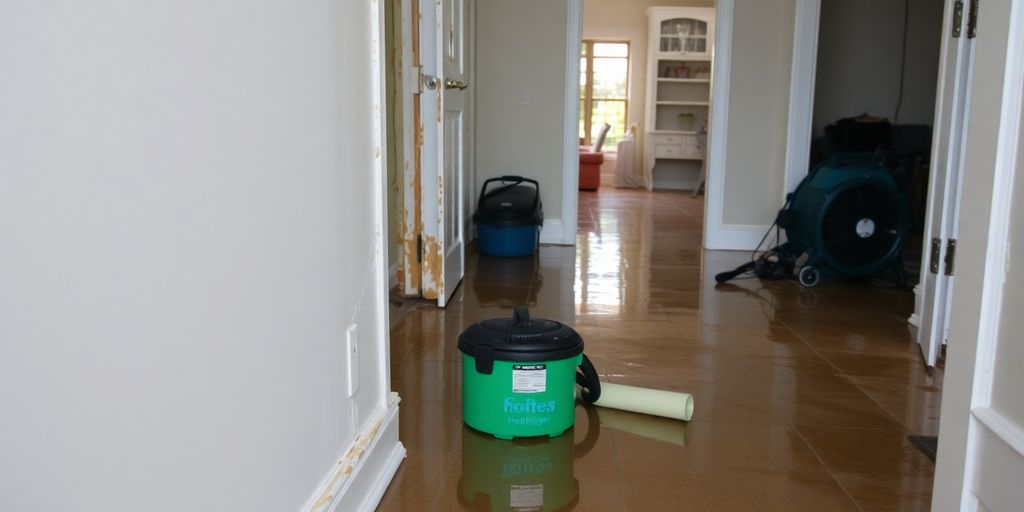
After experiencing water damage, the first step is to ensure your safety. Make sure to turn off the electricity and gas to prevent any accidents. If the water is deep, it’s best to stay away from the area until professionals can assess the situation. Remember, your safety comes first!
Documenting the Damage for Insurance
Next, it’s important to document the damage for your insurance claim. Take clear photos of all affected areas and items. This will help you get the compensation you need. Here’s a quick checklist:
- Take pictures of the water damage.
- List damaged items with their values.
- Keep receipts for any repairs or temporary housing.
Removing Excess Water Quickly
Removing excess water as soon as possible is crucial. The longer water sits, the more damage it can cause. Here are some steps to follow:
- Use a wet/dry vacuum to remove standing water.
- Open windows and doors to help with airflow.
- If safe, use fans to speed up the drying process.
Remember, while your home is being restored, you might need to stay with family, friends, or in a hotel. Don’t rush back into your home until it’s safe!
Drying and Dehumidifying the Affected Area
Using Fans and Dehumidifiers Effectively
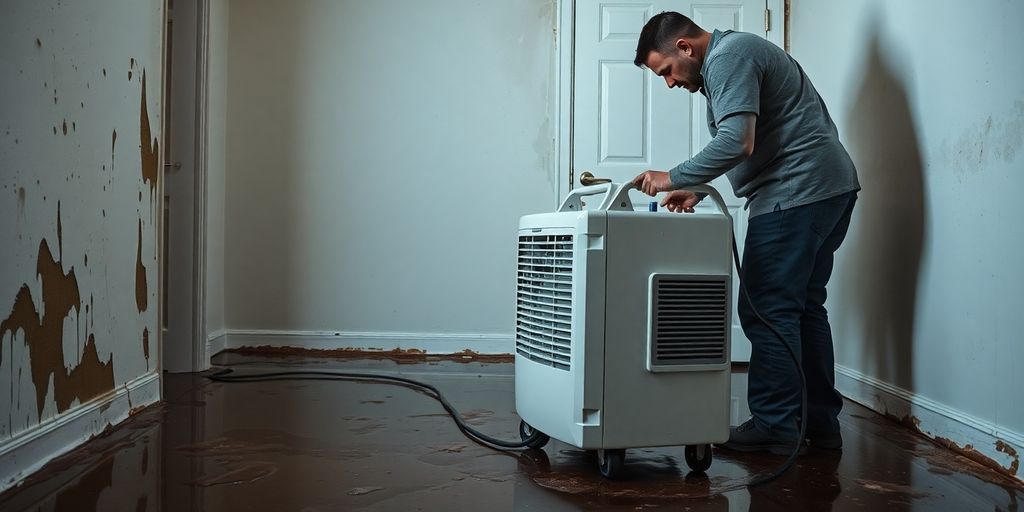
To dry out your home after water damage, it’s important to use fans and dehumidifiers properly. These tools help remove moisture quickly. Here are some tips:
- Place fans in areas with standing water.
- Use dehumidifiers to pull moisture from the air.
- Keep windows closed to prevent outside humidity from entering.
Monitoring Moisture Levels
Keeping track of moisture levels is crucial. You can use a moisture meter to check how wet surfaces are. This helps you know when the area is dry enough. Here’s what to monitor:
- Walls and ceilings
- Floors and carpets
- Furniture and personal items
Preventing Mold Growth
Mold can start to grow within 24-48 hours after water damage. To stop this from happening, follow these steps:
- Dry everything as quickly as possible.
- Use mold-resistant products when repairing.
- Regularly check for signs of mold in hidden areas.
Remember, drying and dehumidifying are key steps in the restoration process. Act quickly to protect your home!
By following these steps, you can effectively manage the drying process and reduce the risk of further damage. For example, in Glendale water damage restoration, we deploy industrial-grade dehumidifiers and air movers to dry out the affected areas. This helps prevent mold growth and further issues.
Cleaning and Sanitizing Your Home
After experiencing water damage, it’s crucial to clean and sanitize your home properly. This helps prevent health risks and further damage. Here are some important steps to follow:
Choosing the Right Cleaning Agents
- Use mild detergents for general cleaning.
- For tougher stains, consider using bleach or specialized cleaners.
- Always read labels to ensure the product is safe for your surfaces.
Disinfecting Contaminated Areas
- Start by removing any standing water.
- Clean surfaces with soap and water first.
- Apply disinfectants to areas that were affected by water.
Handling Personal Belongings with Care
- Sort items into keep, discard, or clean categories.
- For items that can be saved, clean them thoroughly.
- Be cautious with sentimental items; consider professional cleaning if needed.
Remember, quick action is key to minimizing damage and preventing mold growth.
By following these steps, you can ensure your home is safe and clean after water damage. Always consult professionals if you’re unsure about the cleaning process. Ruach Home Services emphasizes the importance of immediate action, such as turning off water supplies and documenting damage, to help you recover effectively.
Repairing and Restoring Damaged Structures
Evaluating Structural Integrity
After water damage, it’s crucial to check the strength of your home’s structure. Look for signs like:
- Cracks in walls or ceilings
- Warped floors
- Doors and windows that don’t close properly
A professional inspection can help identify serious issues.
Replacing Damaged Materials
Once you know what’s damaged, it’s time to replace those materials. Common items that may need replacing include:
- Drywall
- Insulation
- Flooring
Make sure to use materials that are resistant to water damage to prevent future issues.
Restoring Electrical and Plumbing Systems
Water can cause serious problems with your home’s electrical and plumbing systems. Here’s what to do:
- Turn off the power to affected areas.
- Call a licensed electrician to check for damage.
- Inspect plumbing for leaks or corrosion.
Addressing these issues quickly can save you from bigger problems later.
Remember, timely repairs are essential to prevent further damage and ensure your home is safe.
In summary, repairing and restoring your home after water damage involves careful evaluation, replacing damaged materials, and restoring essential systems. Belfor’s water damage and cleanup services can help dry out your property to prevent mold growth and structural damage and more.
Preventing Future Water Damage
Improving Drainage Systems
To keep water away from your home, it’s important to have good drainage. Here are some steps you can take:
- Clean gutters regularly to prevent blockages.
- Ensure downspouts direct water at least 5 feet away from your foundation.
- Consider installing a French drain if you have a lot of water pooling around your home.
Regular Maintenance and Inspections
Regular checks can help catch problems before they become big issues. Make sure to:
- Inspect your roof for missing shingles or leaks.
- Check plumbing for any signs of leaks.
- Look for cracks in your foundation and seal them.
Installing Water Detection Devices
Using technology can help you spot water issues early. Consider:
- Installing water leak detection systems that alert you to leaks.
- Adding smart thermostats that can help manage humidity levels.
- Using sump pumps in basements to remove excess water.
Taking these steps can significantly reduce the risk of water damage in your home. Being proactive is key!
To keep your home safe from water damage in the future, it’s important to take some simple steps. Regularly check for leaks, clean your gutters, and ensure proper drainage around your home. If you ever face water issues, don’t hesitate to reach out for help! Visit our website for more tips and to learn how we can assist you with any water damage problems you might encounter.
Conclusion
In summary, dealing with water damage in your home can be tough, but following the right steps can make it easier. First, always act quickly to stop the water and prevent more damage. Next, make sure to dry everything out properly to avoid mold. It’s also important to check for hidden damage and fix it right away. If the damage is too big, don’t hesitate to call in the experts. By taking these steps, you can help keep your home safe and sound.
Frequently Asked Questions
What are the main causes of water damage in homes?
Water damage can happen for many reasons. Some common causes include heavy rain, broken pipes, leaking roofs, and malfunctioning appliances like washing machines or dishwashers.
How can I tell if my home has hidden water damage?
Hidden water damage can be tricky to spot. Look for signs like water stains on walls or ceilings, a musty smell, or warped floors. If you notice any of these, it might be a sign of water damage.
What should I do first after discovering water damage?
The first thing to do is to ensure your safety. Turn off any electricity in the affected area and stop the water source if possible. Then, document the damage for your insurance company.
How can I dry out my home after water damage?
To dry out your home, use fans and dehumidifiers to help remove moisture from the air. Open windows if the weather allows, and check moisture levels regularly to make sure everything is drying properly.
What cleaning products should I use after water damage?
Choose cleaning products that are safe and effective. Look for disinfectants that can kill germs and mold. Make sure to follow the instructions on the labels for the best results.
How can I prevent water damage in the future?
To prevent future water damage, keep your gutters clean, check for leaks regularly, and consider installing water detection devices. Regular home maintenance can help catch problems before they become serious.