
Water damage in your home can be a real headache. It sneaks up on you, whether it’s from a busted pipe or a crazy rainstorm. And once it’s there, it doesn’t just go away on its own. You gotta jump into action fast. This guide is all about getting your home back in shape after water damage strikes. From figuring out where the water’s coming from to drying everything out and making sure mold doesn’t set up camp, we’ve got you covered. Let’s dive into the nitty-gritty of water damage removal and get your home back to normal.
Key Takeaways
- Act quickly to minimize water damage and prevent mold growth.
- Identify and stop the source of water to prevent further damage.
- Use proper equipment like wet/dry vacuums and dehumidifiers for effective water removal.
- Document the damage thoroughly for insurance purposes.
- Consider hiring professionals for severe water damage situations.
Understanding the Causes of Water Damage
Water damage in homes can stem from various sources, each with its own set of challenges. Recognizing these causes is the first step in prevention and effective management.
Common Sources of Water Damage
Water damage often sneaks up on homeowners, catching them off guard. Here’s a breakdown of some usual suspects:
- Burst or leaking pipes: These are among the most common causes of water damage, often resulting from freezing conditions or aging infrastructure.
- Appliance malfunctions: Dishwashers, washing machines, and water heaters can all spring leaks, leading to significant water spillage.
- Clogged gutters: When gutters are blocked, water can overflow and seep into the home, damaging walls and foundations.
- Sewer backups: A backed-up sewer line can push contaminated water back into your home, posing health risks.
Impact of Weather on Water Damage
The weather plays a significant role in water damage scenarios. Heavy rains, hurricanes, and snowmelt can lead to:
- Flooding: Excess rain or snowmelt can overwhelm drainage systems, leading to water intrusion in homes.
- Roof leaks: Strong winds and heavy precipitation can damage roofing, allowing water to enter.
- Foundation issues: Prolonged exposure to water can weaken a home’s foundation, leading to cracks and instability.
Plumbing Failures and Water Damage
Plumbing issues are a frequent cause of water damage, often due to:
- Old or faulty pipes: Over time, pipes can corrode or break, leading to leaks.
- Poor installation: Improperly installed plumbing can lead to weak spots that eventually fail.
- Pressure changes: Sudden changes in water pressure can cause pipes to burst, releasing large amounts of water quickly.
Water damage is not just about the immediate mess. It’s about understanding the underlying causes to prevent future incidents. By staying vigilant and maintaining your home’s infrastructure, you can minimize the risk and protect your property.
Immediate Actions to Take After Water Damage
Ensuring Safety First
When water starts invading your home, the first thing to think about is safety. Don’t take risks with water and electricity. If you need to switch off the power, but the power box is in a wet area, it’s best to call a professional. Make sure everyone, including pets, is out of harm’s way. Wear rubber boots and gloves when checking the damage to avoid any nasty surprises.
Stopping the Water Source
Find out where the water is coming from and stop it if you can. This could be a broken pipe, an overflowing sink, or a leaky roof. Turn off the main water supply if you can’t pinpoint the source. Quick action here can save you a lot of trouble later on.
Documenting the Damage for Insurance
Before you start any clean-up, document the water damage thoroughly. Take photos and videos from different angles, focusing on affected areas like furniture, walls, and floors. Make a detailed list of what’s damaged. This will be a big help when you deal with insurance claims. Remember, the more evidence you have, the smoother the process will go.
Effective Water Extraction Techniques
Using Wet/Dry Vacuums
When dealing with water damage, a wet/dry vacuum is your go-to tool for removing large amounts of water. These vacuums are designed to handle both wet and dry debris, making them perfect for sucking up standing water from floors and carpets. The key is to act quickly to prevent further damage. Start by clearing the area of any furniture or items that could obstruct the vacuum. Then, slowly move the vacuum over the wet areas, ensuring you cover every inch.
Employing Submersible Pumps
For more severe flooding, especially in basements, submersible pumps are incredibly effective. These pumps are placed directly in the water and can remove large volumes quickly. To use a submersible pump, first ensure that the power source is safe and dry. Then, position the pump in the deepest part of the flooded area. Attach a hose to the pump to direct the water to a suitable drainage point. Always monitor the pump’s progress to avoid overflow or further damage.
Hiring Professional Water Extraction Services
Sometimes, the best option is to call in the experts. Professional water extraction services, like those offered by specialized companies, use industrial-grade equipment that can handle even the toughest jobs. They not only remove water but also ensure that your home is thoroughly dried to prevent mold and structural issues. When choosing a service, check for reviews and ask about their process to ensure they meet your needs. Remember, professional help can save time and reduce stress during such incidents.
Drying and Dehumidifying Your Home
After dealing with water damage, it’s crucial to dry and dehumidify your home properly to prevent further issues like mold. Here’s how you can do it effectively.
Ventilating the Affected Area
Start by opening all the windows and doors to let fresh air in. This might seem simple, but it’s a big step in speeding up the drying process. If the weather outside is humid, though, keep them closed to avoid bringing more moisture inside. Good air circulation is your best friend here.
Using Fans and Dehumidifiers
Place fans around the affected areas to keep the air moving. A combination of fans and dehumidifiers works wonders in drawing out moisture from the air and surfaces. Consider renting or buying a dehumidifier if you don’t have one. They help reduce the humidity level significantly, which is crucial in preventing mold.
- Set up fans to blow air out of the windows.
- Use dehumidifiers continuously until the area is thoroughly dry.
- Monitor the progress by checking moisture levels regularly.
Monitoring Moisture Levels
Keep an eye on moisture levels using a moisture meter. This tool helps you know when the area is dry enough. It’s a small investment that can save you from big headaches later on. Mold can start growing within 24 to 48 hours, so ensuring everything is completely dry is key.
Remember, the faster you start drying out your home, the less likely you are to deal with mold and other long-term damage. Even if it seems dry, keep the fans and dehumidifiers running for a couple of days to be sure.
For more detailed steps on addressing water damage and preventing mold growth, consider these additional insights.
Cleaning and Sanitizing Affected Areas
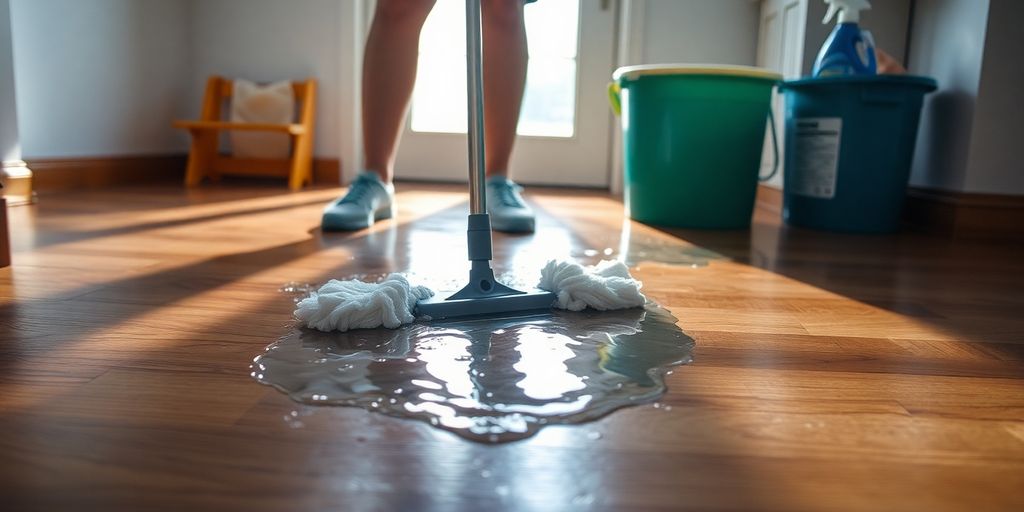
After a flood or water damage, it’s essential to clean and sanitize every affected area to prevent further issues. Water, especially if it’s not clean, can bring bacteria and other nasty stuff into your home.
Disinfecting Hard Surfaces
Start with the hard surfaces like floors and walls. Use a disinfectant solution to wipe them down thoroughly. A good mix is one cup of bleach per gallon of water. Scrub the surfaces well, rinse them, and make sure they dry completely. This step is crucial to prevent any mold from growing.
Cleaning Soft Goods
Soft goods, such as carpets, curtains, and upholstered furniture, need special attention. These items can trap moisture and become a breeding ground for mold. It’s often best to get professionals to clean these, as they have the right tools and solutions to do it effectively. If you choose to do it yourself, make sure everything is completely dry before putting it back.
Preventing Mold Growth
Mold can start growing within 24 to 48 hours, so it’s important to act fast. Keep an eye out for any signs of mold, like discoloration or a musty smell. If you spot any, you might want to consider hiring a professional to deal with it, as mold can cause health problems and further damage to your home.
Tip: After cleaning, maintain good air circulation and keep humidity levels low to help prevent mold from coming back.
By following these steps, you can make sure your home is clean and safe after water damage. Remember, thorough cleaning and proper drying are your best defenses against mold and bacteria.
Repairing and Restoring Your Home
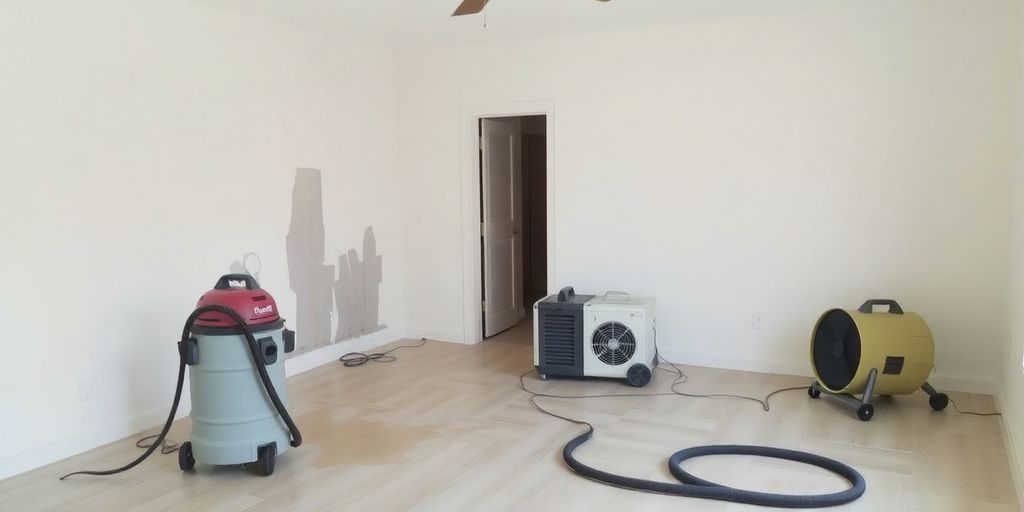
Assessing Structural Damage
First things first, after water damage, you need to check the structural integrity of your home. This means looking at walls, floors, and ceilings to figure out what needs fixing. If you see any sagging or cracks, it’s a sign that there might be serious issues. It’s often best to have a professional take a look, especially if you’re unsure about the extent of the damage.
Replacing Damaged Materials
Once you know what’s damaged, it’s time to replace those materials. This can include drywall, insulation, and flooring. You might have to rip out carpets or replace wooden floors if they’re beyond saving. It’s a messy job, but necessary to prevent further problems. Also, don’t forget about your furniture and appliances, which might need replacing too.
Preventing Future Water Damage
After repairs, focus on stopping future water damage. Start by fixing plumbing issues and sealing any leaks. Regular maintenance is key here. Consider installing sump pumps or improving drainage around your home. These steps can help keep your home safe from future water mishaps.
Restoring your home after water damage isn’t just about fixing what’s broken. It’s about making sure it doesn’t happen again. With the right steps and precautions, you can protect your home from future water issues.
If your home needs some love, we’re here to help! At Ruach Home Services, we specialize in fixing and improving homes, making them safe and beautiful again. Don’t wait any longer—visit our website to learn more about our services and get started on your home repair journey today!
Conclusion
Dealing with water damage in your home can feel like a never-ending battle, but taking quick and organized steps can really make a difference. It’s all about acting fast to minimize damage and prevent mold from taking over. Whether you’re tackling the issue yourself or calling in the pros, the key is to get started as soon as possible. Remember, the longer you wait, the more damage water can do. So, don’t hesitate to reach out for professional help if things get overwhelming. They have the tools and know-how to get your home back to normal. In the end, a little prompt action can save you a lot of headaches and money down the road.
Frequently Asked Questions
What are some common causes of water damage in homes?
Water damage can happen due to many reasons like leaking pipes, overflowing sinks, broken appliances, or heavy rain getting into your house.
What should I do first when I find water damage in my home?
First, make sure everyone is safe. Turn off electricity if it’s safe, and stop the water source. Then, document the damage with photos for insurance.
How can I dry out my home after water damage?
You can use fans and dehumidifiers to help dry out the area. Opening windows can also help air out the space, but only if it’s not humid outside.
Why is it important to clean and disinfect after water damage?
Cleaning and disinfecting is crucial because floodwater can bring bacteria and mold. It helps keep your home safe and prevent mold growth.
When should I call a professional for water damage?
If the water damage is extensive or you notice mold, it’s best to call professionals. They have the right tools and know-how to fix things safely.
What can I do to prevent future water damage in my home?
Regularly check your plumbing and roof for leaks, and consider waterproofing areas like basements. This can help prevent water from causing damage.