
Water and mold damage can turn your life upside down. Whether it’s a burst pipe, a leaky roof, or flooding from a storm, the aftermath is never fun. Mold, in particular, can creep in quickly, making the situation even worse. Acting fast and knowing what to do can make a huge difference. This guide will walk you through the steps of water and mold damage restoration, so you can get your home back to normal without losing your mind.
Key Takeaways
- Quick action is critical to minimize water and mold damage.
- Thorough inspections help identify hidden issues that need addressing.
- Proper drying and dehumidification prevent mold from spreading.
- Cleaning and antimicrobial treatments ensure a safe, healthy environment.
- Regular maintenance can help avoid future water and mold problems.
Understanding the Basics of Water & Mold Damage Restoration
Key Causes of Water Damage
Water damage can come from a range of sources, and understanding these is the first step in tackling the problem. Common culprits include:
- Leaking or burst pipes: Often caused by aging plumbing systems or sudden temperature drops.
- Natural disasters: Heavy rainstorms, hurricanes, or flooding can overwhelm drainage systems and seep into properties.
- Appliance failures: Washing machines, dishwashers, and water heaters can malfunction, spilling water into your home.
Each source presents unique challenges, and acting quickly can reduce the extent of the damage.
How Mold Develops After Water Damage
Mold thrives in damp, humid environments. When water damage occurs, it provides the perfect breeding ground for mold spores, which can start growing in as little as 24 to 48 hours. Here’s a quick breakdown of how this happens:
- Moisture lingers in materials like drywall, carpets, and wood.
- Spores, always present in the air, land on these wet surfaces.
- Without immediate drying, mold colonies begin to form, spreading rapidly.
This not only damages your property further but can also pose health risks, especially for those with allergies or respiratory issues.
The Importance of Immediate Action
When it comes to water and mold damage, time is of the essence. Delaying action can escalate the problem, leading to higher repair costs and potential health hazards. Immediate steps include:
- Stopping the water source if possible.
- Removing standing water to prevent further absorption.
- Contacting expert water damage restoration services to assess and address the situation professionally.
Quick action not only minimizes damage but also ensures a safer, healthier living environment for you and your family.
Initial Steps in Water & Mold Damage Restoration
Conducting a Thorough Inspection
The first step in tackling water and mold damage is a detailed inspection of the affected area. Professionals assess how far the damage has spread, determine the type of water involved—be it clean, gray, or black—and identify hidden moisture that could lead to further issues. This evaluation helps shape the entire restoration plan. Pinpointing the source of water intrusion is critical to prevent recurring problems, whether it’s a burst pipe, roof leak, or foundation crack.
Emergency Water Extraction Techniques
Once the inspection is complete, the immediate priority is removing standing water. Using industrial-grade pumps and vacuums, restoration teams swiftly extract water from carpets, flooring, and other surfaces. This step is vital to stop further damage and reduce the risk of mold growth, which can set in within 24-48 hours. Emergency water extraction also sets the stage for efficient drying and dehumidification.
Identifying and Removing Unsalvageable Materials
After the water is removed, it’s time to assess what can be saved and what must go. Unsalvageable materials, like damaged drywall, insulation, or carpeting, are carefully removed to prevent mold and contamination. Clearing out these items not only ensures a healthier environment but also preps the space for drying and eventual restoration.
Quick action during these initial steps can make all the difference in minimizing damage and speeding up recovery.
Drying and Dehumidification: A Critical Phase
Using Industrial-Grade Equipment
Drying out a water-damaged area takes more than just opening windows or running a household fan. Professionals rely on industrial-grade air movers and dehumidifiers to speed up the process. These machines are strategically placed to maximize airflow and moisture removal. Heavy-duty fans push air across wet surfaces, while dehumidifiers pull excess moisture from the air, helping prevent further issues like mold growth or structural weakening.
Monitoring Moisture Levels
Even if things look dry, hidden moisture can linger in walls, floors, or ceilings. Restoration teams use tools like moisture meters and thermal imaging cameras to track moisture levels in real-time. This ensures that no damp spots are missed. Regular monitoring during the drying process is critical to avoid long-term damage or unseen mold development.
Preventing Mold Growth During Drying
Mold thrives in damp environments and can start growing within 24-48 hours of water exposure. To combat this, the drying process is paired with steps to reduce humidity levels and maintain proper air circulation. Antimicrobial treatments may also be applied to surfaces to kill any existing spores and prevent new ones from forming. Keeping the area dry and clean is key to stopping mold in its tracks.
Proper drying and dehumidification are the backbone of any successful water damage restoration project. Skipping this phase or rushing it can lead to costly repairs and health risks down the line.
Cleaning, Sanitizing, and Deodorizing the Affected Areas
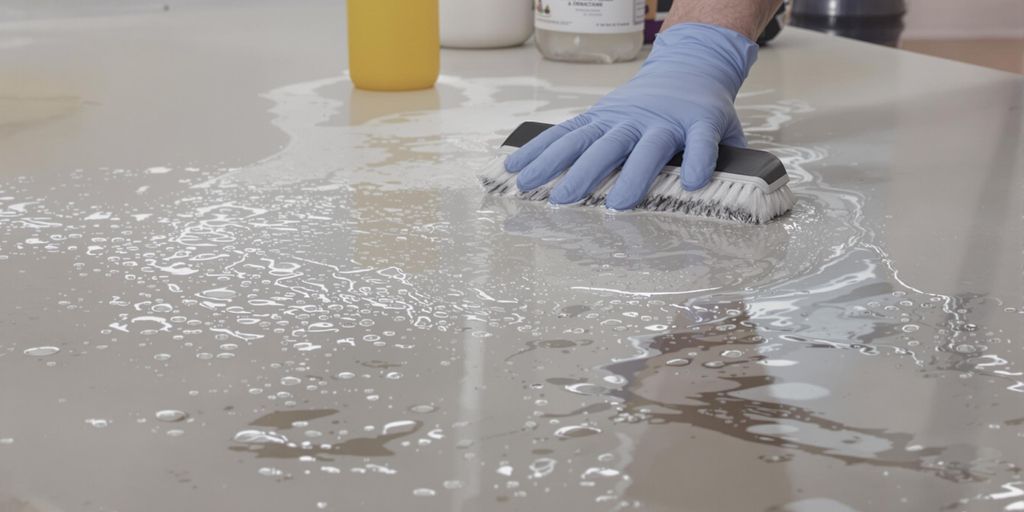
Disinfecting Surfaces to Eliminate Contaminants
When dealing with water damage, cleaning isn’t just about appearances—it’s about health. Contaminated surfaces can harbor bacteria, mold spores, and other harmful microorganisms. Thorough disinfection is non-negotiable to ensure your space is safe again. Professionals typically use specialized cleaning agents tailored for water damage scenarios. These might include antimicrobial solutions for combating mold and high-strength disinfectants for bacteria removal. Focus is placed on high-touch areas like walls, floors, and countertops, as well as hidden spots where moisture could linger.
Applying Antimicrobial Treatments
Mold prevention starts here. After cleaning, applying antimicrobial treatments adds an extra layer of protection. These treatments are designed to inhibit mold growth on surfaces that were exposed to moisture. This step is especially important in areas prone to dampness, such as basements or bathrooms. Antimicrobial solutions can also help reduce odors while protecting against future microbial activity.
Deodorizing to Restore Comfort
Water damage often leaves behind unpleasant smells, especially if the water was stagnant or contaminated. Deodorizing is all about making your home feel like home again. Techniques like fogging or using ozone machines are common for neutralizing odors at their source. For smaller spaces or less severe damage, natural deodorizers or air purifiers may do the trick. The goal is to eliminate smells, not just mask them, ensuring the air feels fresh and clean.
A clean and odor-free environment isn’t just about comfort—it’s about reclaiming your space and making it livable again after the disruption of water damage.
Mold Remediation and Prevention Strategies
Steps for Effective Mold Removal
When it comes to mold removal, taking the right steps is everything. The first priority is to dry your home completely and get rid of water-damaged items. Any lingering moisture becomes a breeding ground for mold. Here’s what you need to do:
- Identify all mold-affected areas, including hidden spots like behind walls or under carpets.
- Use specialized cleaning solutions to scrub and disinfect the surfaces.
- Remove and dispose of any materials—like drywall or flooring—that can’t be salvaged.
If you skip any of these steps, the mold could return, and trust me, that’s not a headache you want.
Mold can spread faster than you think. Acting quickly could save you from extensive damage and costly repairs later.
Using Mold-Resistant Solutions
After you’ve cleaned up, it’s time to think about prevention. Mold-resistant solutions can be your best friend here. These treatments are applied to surfaces to stop mold from making a comeback. Some popular options include:
- Mold-resistant paints
- Antimicrobial sprays
- Treated building materials like drywall or insulation
Pro tip: Always follow the manufacturer’s instructions for applying these treatments. Cutting corners won’t help in the long run.
Controlling Indoor Humidity
Mold loves damp environments, so keeping your home’s humidity in check is a must. Aim for a humidity level below 50%. Here’s how you can do it:
- Use dehumidifiers, especially in basements and other moisture-prone areas.
- Install exhaust fans in bathrooms and kitchens to reduce steam buildup.
- Regularly check for leaks in your plumbing or roof and fix them immediately.
For more details on drying your home effectively, check out this guide on addressing mold damage.
Restoration and Repairs to Rebuild Your Property
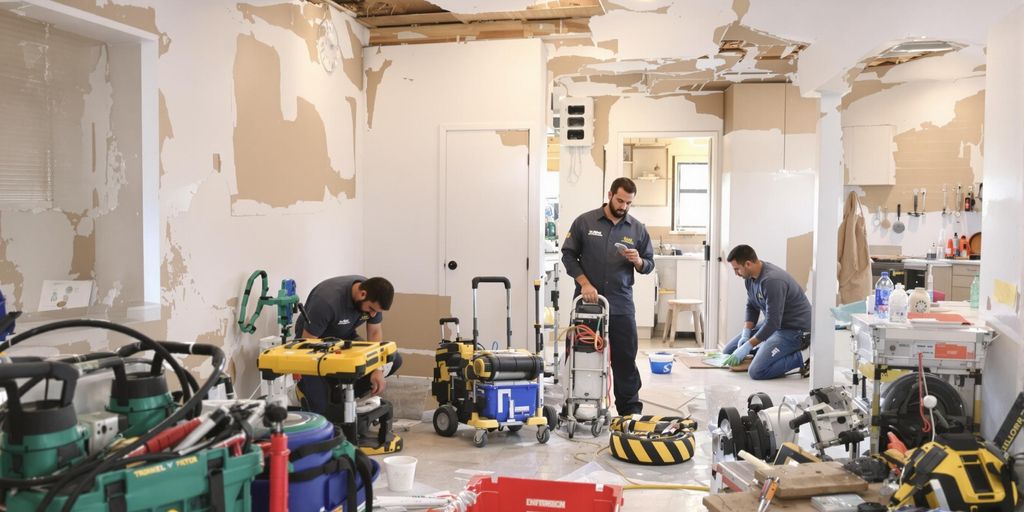
Replacing Damaged Drywall and Flooring
When water damage hits, drywall and flooring often take the hardest blow. If drywall is soaked or crumbling, it’s a sign it needs to go. For flooring, materials like carpet and hardwood may need to be completely replaced if they’ve absorbed too much water. Vinyl and tile flooring might fare better, but they should still be inspected for hidden damage underneath. This step is crucial to prevent long-term structural issues.
Steps to replace damaged drywall and flooring:
- Remove the damaged sections carefully, avoiding harm to surrounding areas.
- Inspect the underlying framework for signs of warping, rot, or mold.
- Install new drywall or flooring, ensuring proper alignment and sealing.
Repainting and Finishing Touches
Once the structural repairs are done, it’s time to make the space feel like home again. Repainting walls and ceilings can restore the room’s original look—or even give it a fresh update. Use mold-resistant paint to protect against future issues. Don’t forget to reattach trim, baseboards, or other decorative elements to complete the look.
Ensuring Structural Integrity
After major repairs, always assess the property’s structural soundness. Look for any signs of cracking, sagging, or other damage in beams, joists, and walls. If something feels off, consult a professional to ensure the space is safe and secure. This step is especially important if the water damage was severe or prolonged.
Taking the time to rebuild your property properly not only restores its functionality but also provides peace of mind for the future.
For those in the Bay Area needing expert help, Fire & Water Damage Recovery offers specialized services in restoring homes and businesses after disasters.
Preventive Measures to Avoid Future Water & Mold Damage
Regular Maintenance and Inspections
Staying on top of maintenance is one of the best ways to avoid water and mold damage. Small problems often snowball into bigger issues if left unchecked. Here’s what you should do:
- Inspect your roof for missing or damaged shingles and repair them promptly.
- Clean gutters and downspouts regularly to ensure water flows away from your home’s foundation. For more tips, check out essential tips for preventing water damage in homes.
- Check pipes, plumbing systems, and appliances for leaks or wear. Replace any faulty parts before they cause trouble.
Installing Protective Systems
Taking proactive steps can save you from costly repairs later. Consider these measures:
- Install a sump pump in your basement to prevent flooding.
- Use water leak detection sensors to catch leaks early.
- Seal cracks in walls, ceilings, and foundations to block water seepage.
Managing Indoor Humidity Levels
Moisture control is key to preventing mold growth. Aim to keep indoor humidity below 50%. Here’s how:
- Use a dehumidifier, especially in damp areas like basements.
- Turn on exhaust fans in kitchens and bathrooms to reduce moisture.
- Fix condensation issues on windows or walls as soon as you notice them.
Remember, prevention is always cheaper and easier than dealing with damage later. A little effort now can save you a lot of stress and money down the line.
To keep your home safe from water and mold damage, it’s important to take some simple steps. Start by fixing any leaks and ensuring good ventilation in damp areas like bathrooms and basements. Regularly check for signs of mold and act quickly if you find any. If you want to learn more about protecting your home, visit our website for helpful tips and expert advice!
Wrapping It Up
Dealing with water and mold damage can feel overwhelming, but taking it one step at a time makes all the difference. From assessing the damage to the final repairs, each stage plays a role in getting your space back to normal. The key is to act quickly, stay informed, and, when in doubt, call in the pros. Restoration isn’t just about fixing what’s broken—it’s about creating a safe, healthy environment again. So, whether it’s a small leak or a major flood, remember: you’ve got this. And if you ever need help, don’t hesitate to reach out to experts who know the ropes.
Frequently Asked Questions
What are the main causes of water damage?
Water damage can happen due to many reasons, like broken pipes, heavy rain, clogged gutters, or appliances that leak. It’s important to fix these issues quickly to avoid more damage.
How fast does mold grow after water damage?
Mold can start growing within 24 to 48 hours after water damage. That’s why it’s crucial to dry out the area and fix the problem as soon as possible.
What tools are used for drying and dehumidification?
Professionals use industrial fans, air movers, and dehumidifiers to dry out wet areas. They also use moisture meters to check for hidden damp spots.
Can I clean up water damage myself?
For small spills, you can handle it yourself with towels and fans. But for bigger problems, like flooding, it’s better to call professionals to make sure everything is safe and dry.
How can I prevent water damage in the future?
Regularly check your home for leaks, clean your gutters, and install water sensors. Keeping indoor humidity low also helps prevent mold and water issues.
Why is deodorizing important after water damage?
Deodorizing removes bad smells caused by water damage and mold. It helps make your home feel fresh and comfortable again.