
Water damage inside your house is more common than you might think, and it can cause serious headaches if not dealt with quickly. From leaky pipes to unexpected floods, these issues can sneak up on anyone. The good news? There are steps you can take to reduce the damage and even prevent it altogether. In this guide, we’ll walk you through practical tips and actions to protect your home and get back on track after water damage strikes.
Key Takeaways
- Act fast to stop the water source and limit the damage.
- Use proper tools and methods to dry and dehumidify affected areas.
- Keep an eye out for hidden water damage to avoid long-term issues.
- Temporary fixes like sandbags can help control the situation until help arrives.
- Regular maintenance and inspections can prevent water damage in the first place.
Understanding the Causes of Water Damage Inside Your House
Common Sources of Water Intrusion
Water damage can creep up in your home for all sorts of reasons. One of the most common culprits is leaking or broken water pipes, which can wreak havoc if a pipe bursts unexpectedly. These issues often arise from corrosion, old age, or even extreme weather. Look out for damp spots on your walls, discolored paint, or musty smells—they’re often the first warning signs.
Other common causes include:
- Faulty appliances like washing machines or dishwashers. A loose hose or a broken seal can spill gallons of water before you even notice.
- HVAC system issues, especially clogged condensate drains, which can overflow and cause water to pool in unexpected areas.
- Natural disasters such as storms or hurricanes, which can overwhelm your home’s defenses with heavy rain or flooding.
Signs of Hidden Water Damage
Sometimes water damage isn’t obvious right away. Here are a few subtle signs to watch for:
- Unusual odors: A musty smell in certain areas of your home could mean moisture is trapped somewhere, leading to mold or mildew.
- Stains or discoloration: Water stains on ceilings or walls often indicate a leak behind the surface.
- Warped or buckled materials: Floors or walls that seem uneven or bulging may be absorbing water.
Impact of Delayed Action on Property
Ignoring water damage, even minor signs, can lead to serious consequences over time. Mold growth is a big one—it can start within 24-48 hours of water exposure. Beyond that, structural issues like rotting wood or weakened foundations can develop. Delaying repairs can turn a small fix into a massive renovation project, costing you both time and money.
Quick action is your best defense. The longer water damage sits, the harder and more expensive it becomes to fix.
Immediate Actions to Take When Water Damage Occurs
Stopping the Water Flow Quickly
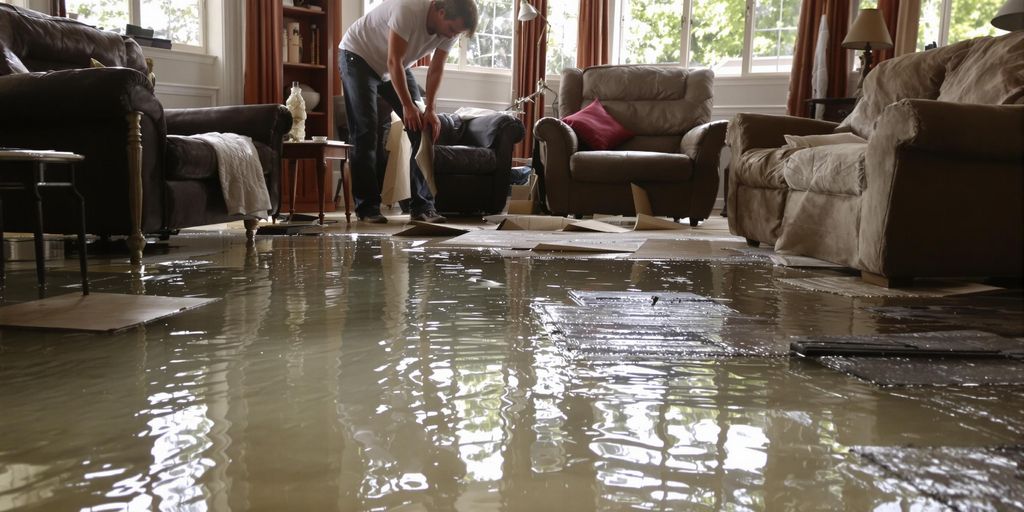
The first thing you need to do when you spot water damage is to stop the source. Acting fast here can significantly reduce the impact on your home. If it’s a burst pipe or a leaking appliance, shut off the main water valve immediately. Not sure where it is? Take a moment now to locate it so you’re prepared. If the water is coming from outside, like during a flood, try to block the entry points as best as you can. Towels, buckets, or even makeshift barriers can help.
Assessing the Extent of Damage
After you’ve stopped the water, take a step back and assess the situation. Look around to see how far the water has spread and check for potential hazards. Be cautious of electrical wires or appliances in wet areas—they can be extremely dangerous. It’s also a good time to document the damage with photos or videos for insurance purposes. This will make things smoother when you file a claim later.
Ensuring Safety from Electrical Hazards
Water and electricity are a dangerous mix. If water has reached electrical outlets, appliances, or wiring, turn off the power to that part of the house. If you’re unsure how to do this safely, it’s better to leave it alone and call in a professional. Your safety is more important than anything else. Also, avoid standing in water if there’s even a slight chance that it’s in contact with electrical systems.
Effective Water Extraction and Drying Techniques
Using Specialized Equipment for Water Removal
When water damage strikes, the first step is getting rid of the standing water. Industrial-grade tools like wet vacuums and submersible pumps are your best bet here—they’re quick and efficient. If you’re tackling this yourself, make sure to check every corner, including under carpets and inside cabinets. Leftover water can become a bigger problem down the road.
Dehumidifying Affected Areas
Once the water is gone, it’s time to deal with the moisture left behind. This is where dehumidifiers and air movers come in handy. These tools pull out the hidden dampness in walls, floors, and even furniture. It’s not just about drying things out; it’s about creating an environment where mold can’t thrive. Keep an eye on humidity levels—aim for under 50% to stay safe.
Preventing Mold and Mildew Growth
Speaking of mold, it’s the silent enemy after water damage. To stop it from taking over, act fast. Use antimicrobial sprays on affected surfaces and keep the space dry and ventilated. This is especially important in areas like basements and bathrooms where moisture tends to linger. If you notice a musty smell or discoloration, don’t ignore it—it’s better to treat it early than let it spread.
Water extraction and drying are not just about fixing what’s visible. They’re about protecting your home’s foundation and your family’s health. Skipping steps or rushing through can lead to long-term issues, so take your time and do it right.
Temporary Solutions to Minimize Further Damage
Removing Vulnerable Belongings
When water invades your home, the first thing to do is get your stuff out of harm’s way. Quickly remove items like electronics, furniture, and important documents from the affected area to prevent further damage. If something is already wet, try placing it in a dry, well-ventilated space. For smaller items, like books or papers, you can even try blotting them dry with towels. Remember, saving these things now can save you a lot of heartache later.
Creating Barriers to Contain Water
Containing the water is your next move. You don’t want it spreading everywhere and making things worse. Use towels, mops, or even old blankets to soak up excess water. If the water keeps coming in, try creating a barrier. Something as simple as rolled-up towels at the base of a door can help. For larger issues, sandbags can be a lifesaver. They’re great for blocking water from spreading into other rooms or areas of your house.
Using Sandbags and Plastic Sheeting
If the situation is more serious, sandbags and plastic sheeting can provide a temporary but effective solution. Lay down the plastic sheeting to cover vulnerable areas like doors or windows, then stack sandbags on top to hold it in place. This combo works well for stopping water from creeping into your home. It’s not a permanent fix, but it buys you time until you can get professional help.
Taking these steps quickly can make a big difference. They won’t solve everything, but they’ll give you a fighting chance to limit the damage while you wait for the pros to step in.
For expert assistance, consider water damage restoration services to address the situation thoroughly and prevent future issues.
Developing a Comprehensive Restoration Plan
Consulting Water Damage Professionals
When facing water damage, the first step is to reach out to professionals who specialize in water damage restoration. Their expertise can help you determine the full extent of the problem and the best course of action. They’ll assess your home, identify hidden issues, and recommend tailored solutions. This step ensures that no damage is overlooked, especially in areas like walls or flooring, where water can seep unnoticed.
Prioritizing Repairs Based on Urgency
Once you know the scope of the damage, it’s time to decide what needs immediate attention. Start with repairs that prevent further harm, like fixing leaks or addressing structural concerns. Here’s a quick breakdown:
- High Priority: Sealing active leaks, drying out soaked areas, and addressing electrical hazards.
- Medium Priority: Replacing damaged drywall or flooring.
- Low Priority: Cosmetic fixes like repainting or furniture restoration.
This approach ensures critical issues are handled first, saving you from escalating problems.
Documenting Damage for Insurance Claims
Don’t forget to document everything. Take photos, make notes, and keep receipts for any expenses related to the damage. This step is vital for filing insurance claims. Use a checklist to stay organized:
- Capture images of all affected areas, including close-ups.
- Write a detailed description of the damage.
- Save bills for temporary fixes or professional services.
Proper documentation can make or break your insurance claim. It’s your proof of the damage and the costs involved.
By following these steps, you’ll create a clear path to restoring your home efficiently and minimizing stress during a challenging time. If you’re unsure where to start, consider Ruach Home Services for reliable water damage restoration services.
Preventive Measures to Avoid Water Damage Inside Your House
Regular Plumbing Inspections
One of the best ways to avoid water damage is staying on top of your plumbing. Pipes don’t last forever, and they’ll eventually wear down or spring leaks. Schedule regular checks for leaks, corrosion, or weak spots. Look under sinks, around water heaters, and near washing machines. Catching leaks early can save you from massive headaches later. If you’re not comfortable doing this yourself, hire a professional. A little spent now can save you a fortune later.
Installing Water Detection Systems
Ever heard of water alarms? They’re like smoke detectors but for leaks. These handy devices alert you if water is where it shouldn’t be—like under a sink or near your sump pump. Some even connect to your phone, so you’ll know about a problem even if you’re not home. Technology can really make a difference here. Consider placing these in areas prone to leaks for extra peace of mind.
Maintaining Gutters and Sump Pumps
Clogged gutters are a disaster waiting to happen. When water can’t flow freely, it overflows and seeps into your walls or foundation. Clean them out at least twice a year, more if you have a lot of trees nearby. For sump pumps, test them regularly to ensure they’re working. A quick check can mean the difference between a dry basement and a flooded one. Bonus tip: invest in a battery backup for your sump pump in case the power goes out during a storm.
Water damage prevention isn’t just about avoiding costs—it’s about protecting your home and family from unnecessary stress and disruption.
The Importance of a Water Mitigation Plan
Reducing Costs and Insurance Claims
When water damage strikes, the costs can quickly pile up. Repairs, replacements, and even temporary housing expenses can burn a hole in your wallet. A solid water mitigation plan helps you act fast, cutting down on repair costs and reducing the likelihood of filing extensive insurance claims. Insurance companies also appreciate proactive measures, which could lead to smoother claim approvals and even lower premiums over time.
Protecting Your Home and Belongings
Water damage doesn’t just ruin walls and floors—it can destroy priceless belongings and compromise the structural integrity of your home. A mitigation plan ensures you’re ready to tackle emergencies head-on. This could include having tools like a wet/dry vacuum on hand, knowing how to shut off your water supply, or keeping important documents in waterproof containers. These small steps can make a big difference in protecting what matters most.
Ensuring Quick Recovery After Incidents
Time is critical when dealing with water damage. The longer water sits, the worse the damage gets. A well-thought-out plan helps you respond immediately, minimizing downtime and getting your home back to normal faster. Include steps like contacting Ruach Home Projects for professional water damage restoration services. Their expertise can speed up recovery and ensure the job is done right the first time.
Taking the time to prepare a water mitigation plan now can save you from headaches, financial strain, and irreversible damage later. It’s not just about fixing problems—it’s about being ready for them.
Having a water mitigation plan is crucial for protecting your home and health. It helps you prepare for unexpected water damage, ensuring you know what to do when things go wrong. Don’t wait until it’s too late! Visit our website to learn more about creating your own water mitigation plan today!
Wrapping It Up
Dealing with water damage can feel overwhelming, but having a plan in place makes all the difference. By acting quickly and following the steps to stop the water, assess the damage, and start the drying process, you can save yourself a lot of stress and money. Don’t forget to take preventive measures like maintaining your plumbing and installing water detection systems to avoid future issues. At the end of the day, being prepared and proactive is the best way to protect your home and belongings from water damage. You’ve got this!
Frequently Asked Questions
What are the first steps I should take if my house has water damage?
The first thing you should do is stop the water source, if possible, by shutting off the main water valve. Then, assess the damage to determine the affected areas and remove any items that could be further damaged.
How can I tell if there’s hidden water damage in my home?
Signs of hidden water damage include discoloration on walls or ceilings, a musty smell, peeling paint, or unexpected increases in your water bill. You might also notice warped floors or damp spots.
Why is it important to act quickly when water damage occurs?
Acting quickly can prevent further damage to your property, reduce the risk of mold growth, and minimize repair costs. Delayed action can lead to structural damage and health risks.
What equipment is best for drying out water-damaged areas?
Dehumidifiers, industrial fans, and wet/dry vacuums are commonly used to dry out water-damaged areas. For severe cases, professional-grade equipment may be necessary.
How can I prevent water damage in the future?
Regularly inspect your plumbing and roof for leaks, clean your gutters, and consider installing water detection systems. Ensure that sump pumps are functioning properly and have a backup power source.
Should I hire a professional for water damage restoration?
Yes, hiring a professional is often the best choice for extensive water damage. They have the expertise and equipment to thoroughly dry and restore your home, ensuring no hidden damage is left behind.