
Water damage can be a serious problem for homeowners. It can lead to costly repairs and create an unhealthy living environment if not addressed quickly. Fortunately, there are several essential steps you can take to prevent water damage in your home. This guide will walk you through the key actions you can implement to protect your property from water-related issues.
Key Takeaways
- Regularly check your roof for damage and keep gutters clean to prevent water buildup.
- Fix leaks in plumbing right away to avoid bigger problems later.
- Ensure proper drainage around your home to keep water away from the foundation.
- Seal windows and doors to prevent rain from entering your home.
- Educate your family about water conservation and reporting leaks.
Regular Roof Maintenance and Inspection
Your roof is your home’s first defense against water damage. Regular maintenance is crucial to ensure it remains in good shape. Here are some essential steps to follow:
Identifying and Repairing Damaged Shingles
- Inspect your roof for missing or damaged shingles.
- Replace any broken shingles immediately to prevent leaks.
- Look for signs of wear, such as curling or cracking.
Clearing Gutters and Downspouts
- Clean your gutters at least twice a year to avoid blockages.
- Ensure downspouts are clear so water can flow freely.
- Eliminate pooling water that can damage your roof and foundation.
Inspecting Flashing and Seals
- Check the flashing around chimneys and vents for cracks.
- Replace any damaged seals to prevent water from seeping in.
- Regular inspections can save you from costly repairs later.
Keeping your roof well-maintained is a simple yet effective way to protect your home from water damage. Regular checks can help you catch problems early and avoid bigger issues down the line.
By following these steps, you can help ensure your roof remains a strong barrier against the elements, safeguarding your home from potential water damage.
Proper Plumbing System Care
Taking care of your plumbing system is essential to prevent water damage in your home. Regular checks can save you from costly repairs. Here are some key areas to focus on:
Detecting and Fixing Leaks
- Regularly inspect visible pipes for signs of corrosion, rust, or damage, especially in basements, crawl spaces, and under sinks.
- Look for damp spots on walls or ceilings, which can indicate hidden leaks.
- If you notice a leak, fix it immediately to avoid further damage.
Insulating Pipes in Cold Weather
- Insulate pipes in unheated areas to prevent freezing.
- Use foam pipe insulation or heat tape for extra protection.
- Keep the heat on in your home during winter, even if you’re away, to maintain a safe temperature.
Regular Maintenance of Faucets and Toilets
- Check faucets and toilets for leaks regularly.
- Replace worn-out washers and seals to prevent drips.
- Conduct a flush test on toilets to ensure they are functioning properly.
Remember, a small leak can lead to big problems if not addressed quickly. Regular maintenance is key to keeping your plumbing in good shape!
Effective Drainage Solutions
Proper drainage is crucial for keeping your home safe from water damage. A well-designed drainage system can prevent water from pooling near your foundation. Here are some effective strategies to ensure proper drainage around your home:
Ensuring Proper Ground Slope
- Make sure the ground around your home slopes away from the foundation. This helps direct water away and prevents it from seeping into your basement.
- Check for any low spots that might collect water and fill them in to maintain a consistent slope.
- Regularly inspect the landscaping to ensure it supports proper drainage.
Installing French Drains
French drains are a popular and effective solution for managing surface water. They consist of a trench filled with gravel and a perforated pipe that redirects water away from your home. Here’s how to install one:
- Dig a trench that slopes away from your home.
- Place a perforated pipe at the bottom of the trench.
- Cover the pipe with gravel to allow water to flow freely.
Maintaining Drainage Systems
- Regularly check your drainage systems to ensure they are functioning properly. Look for any blockages or signs of wear.
- Clean out any debris that may have accumulated in your drains or gutters.
- Schedule professional inspections if you notice any issues or if your home is prone to flooding.
Keeping your drainage systems in good shape is essential for preventing water damage. Regular maintenance can save you from costly repairs in the future.
Sealing Windows and Doors
Checking and Replacing Weatherstripping
To keep water out, it’s important to regularly check the weatherstripping around your windows and doors. If you find any worn-out or damaged areas, replace them immediately. This simple step can make a big difference in preventing leaks.
Applying Caulk to Gaps and Cracks
Look for any gaps or cracks around your windows and doors. Applying caulk can help seal these openings effectively. Here’s how to do it:
- Clean the area around the gap.
- Apply a bead of caulk.
- Smooth it out with a finger or tool.
This will help ensure that your home stays dry during heavy rain.
Benefits of Proper Sealing
Properly sealing your windows and doors not only prevents water damage but also improves your home’s energy efficiency. Here are some benefits:
- Reduces heating and cooling costs.
- Keeps drafts out.
- Protects against mold and mildew.
Regular maintenance of your windows and doors is essential to avoid costly repairs later. Stay proactive to keep your home safe from water damage.
Maintaining Household Appliances
Household appliances like washing machines, dishwashers, and refrigerators can lead to significant water damage if not properly maintained. Regular checks and repairs are essential to prevent leaks and other plumbing issues that can arise from wear and tear.
Inspecting and Replacing Hoses
- Check hoses for signs of wear, such as cracks or brittleness.
- Replace hoses every five years to avoid leaks.
- Ensure connections are tight to prevent water from escaping.
Regular Appliance Maintenance
- Follow the manufacturer’s guidelines for maintenance.
- Clean filters and check for blockages regularly.
- Schedule professional inspections if you notice any unusual sounds or leaks.
Preventing Leaks from Water Heaters
- Inspect the water heater for rust or corrosion.
- Check the pressure relief valve to ensure it’s functioning properly.
- Consider installing a drip pan under the water heater to catch any leaks.
Keeping your appliances in good shape is crucial for preventing water damage. Regular maintenance can save you from costly repairs and protect your home from unexpected leaks.
By following these steps, you can significantly reduce the risk of water damage caused by household appliances. Remember, being proactive is key to maintaining a safe and dry home!
Winter Precautions for Water Damage Prevention
Insulating Exposed Pipes
To avoid water damage during winter, it’s crucial to insulate exposed pipes. This can be done using pipe sleeves or heat tape. By doing this, you can prevent pipes from freezing and bursting, which can lead to significant water damage in your home.
Disconnecting and Storing Garden Hoses
Make sure to disconnect and store garden hoses before winter. Leaving hoses connected can cause water to freeze in the pipes, leading to potential bursts. Always drain any remaining water from hoses and close outdoor water valves to prevent freezing.
Keeping Indoor Pipes Warm
To further protect your home, keep indoor pipes warm. You can do this by allowing warm air to circulate around them. In extremely cold weather, consider leaving cabinet doors open to let heat reach pipes under sinks. This simple step can help prevent freezing and the resulting water damage.
Remember, taking these precautions can save you from costly repairs and headaches later on.
By following these steps, you can significantly reduce the risk of water damage during the winter months. Stay proactive and keep your home safe!
Installing and Maintaining Sump Pumps
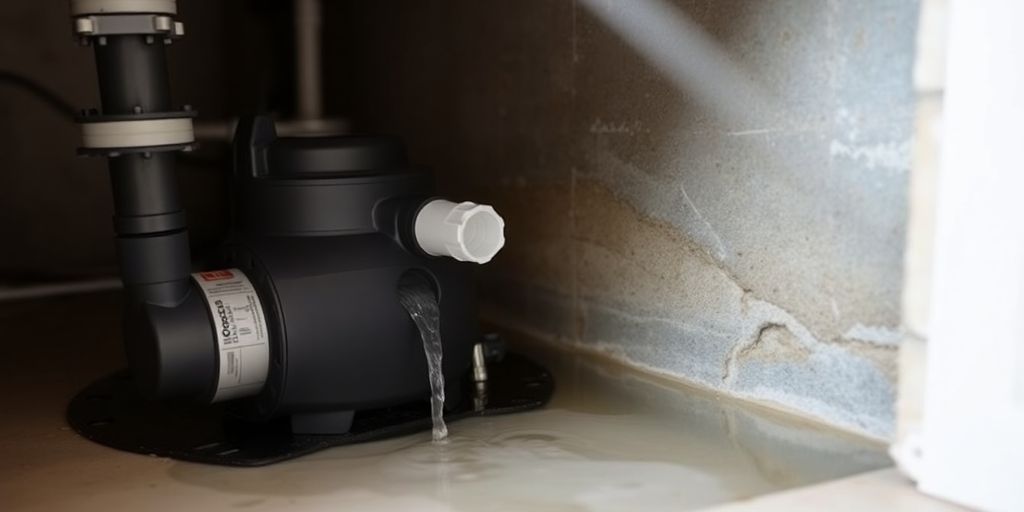
Benefits of a Sump Pump
Installing a sump pump can be a game changer for homeowners, especially those with basements or in flood-prone areas. A sump pump helps keep your basement dry by automatically removing excess water. Here are some key benefits:
- Prevents flooding in your home.
- Reduces the risk of mold and mildew.
- Protects your property value.
Testing and Cleaning the Sump Pump
To ensure your sump pump works effectively, regular testing and cleaning are essential. Here’s how to do it:
- Test the pump by pouring water into the sump pit until the float rises and the pump activates.
- Clean the sump pit to remove any debris that could block the pump.
- Check the discharge pipe to ensure it’s clear and directing water away from your home.
Backup Power Solutions for Sump Pumps
Power outages can happen during storms, which is why having a backup power solution for your sump pump is crucial. Consider these options:
- Battery backup systems that kick in when the power goes out.
- Generator systems that can power your sump pump during outages.
- Water-powered backup pumps that use your home’s water pressure to operate.
Keeping your sump pump in good condition is vital for preventing water damage. Regular maintenance can save you from costly repairs later on.
By following these steps, you can ensure that your sump pump is always ready to protect your home from water damage. Remember, regular maintenance is key to a long-lasting sump pump!
Educating Family Members on Water Damage Prevention

Teaching Responsible Water Use
Educating your family about responsible water use is crucial. Encourage everyone to turn off faucets tightly after use to prevent drips. Teach children not to flush inappropriate items down the toilet, as this can lead to clogs and backups.
Reporting Leaks and Drips
Make it a habit for family members to report any leaks or drips they notice around the house. This can help catch problems early before they turn into bigger issues. Create a simple checklist for them to follow:
- Check under sinks for water stains.
- Look around appliances for signs of moisture.
- Listen for dripping sounds in quiet areas.
Avoiding Clogs and Backups
To prevent clogs, educate your family on what should and shouldn’t go down the drain. Here are some tips:
- Use drain covers to catch hair and debris.
- Dispose of grease and food scraps in the trash, not the sink.
- Regularly clean out the kitchen sink and bathroom drains.
By fostering a culture of awareness and responsibility, you can significantly reduce the risk of water damage in your home.
Involving everyone in these practices not only protects your home but also teaches valuable lessons about water conservation and maintenance. Regular discussions about these topics can help keep everyone informed and engaged in preventing water damage.
Teaching your family about how to prevent water damage is really important. Simple steps like checking for leaks and keeping gutters clean can make a big difference. For more tips and to learn how we can help, visit our website today!
Final Thoughts on Preventing Water Damage
In conclusion, keeping your home safe from water damage is essential for protecting your property and your peace of mind. By regularly checking your roof, maintaining your plumbing, and ensuring proper drainage, you can significantly reduce the risk of water issues. Don’t forget to seal windows and doors, and keep an eye on your appliances to catch any leaks early. Taking these simple steps can save you from costly repairs and stress in the future. Remember, a little effort now can go a long way in keeping your home dry and secure.
Frequently Asked Questions
What are the main causes of water damage in a house?
Water damage in a house can happen due to several reasons, such as leaking pipes, heavy rain, or broken appliances. Even small issues like clogged gutters can lead to big problems.
How can I tell if my roof is damaged?
You can check for roof damage by looking for missing or broken shingles, leaks inside your house, or wet spots on the ceiling. It’s also good to inspect your roof after a storm.
What should I do if I find a leak in my home?
If you find a leak, turn off the water supply to prevent more damage. Then, try to fix the leak yourself if you can, or call a plumber for help.
How can I prevent my pipes from freezing in winter?
To prevent pipes from freezing, insulate exposed pipes, keep your home warm, and let warm air circulate around pipes. Disconnect garden hoses and drain any leftover water.
What is a sump pump and how does it help?
A sump pump is a device installed in basements to remove water that collects there. It helps keep your basement dry, especially during heavy rain or flooding.
How can I educate my family about preventing water damage?
You can teach your family about water conservation, checking for leaks, and how to use appliances properly. Encourage everyone to report any signs of water damage right away.