
So, you’ve had a water leak. Maybe it was a burst pipe or a leaky roof after a rainstorm. Whatever the cause, it’s not just about fixing the leak. Mold can start growing fast, and once it does, it’s hard to get rid of. This guide will walk you through the steps you need to take to keep mold from becoming a problem in your home.
Key Takeaways
- Act fast to stop water leaks and remove any standing water to prevent mold growth.
- Use fans, dehumidifiers, and open windows to dry out the area quickly.
- Clean and disinfect all affected surfaces to kill mold spores.
- Check your home regularly for any signs of moisture or leaks.
- If mold does appear, consider calling in professionals to handle it.
Understanding The Risks Of Mold Growth
Health Implications Of Mold Exposure
Mold isn’t just an eyesore; it can mess with your health big time. Breathing in mold spores can lead to a bunch of health issues, especially if you’ve got allergies or asthma. Symptoms might include sneezing, coughing, and even skin rashes. For some, it can get worse, causing headaches or triggering asthma attacks. It’s like having an unwelcome guest that just won’t leave.
Common Areas For Mold Development
Mold has a knack for showing up in the damp corners of your home. Basements, bathrooms, and kitchens are prime spots because they often deal with moisture. But don’t forget about the attic or the back of closets. Anywhere that traps moisture is a potential mold haven. Keeping an eye on these areas can help you catch mold before it becomes a bigger problem.
Factors That Promote Mold Growth
Mold loves moisture, warmth, and a bit of darkness. If you’ve got a leaky pipe or a damp basement, you’re basically rolling out the red carpet for mold. Poor ventilation and high humidity levels are like a mold party invitation. Mold can start growing within 24 to 48 hours after water exposure, so it’s important to act fast if you notice any leaks or water damage.
Mold isn’t just a nuisance; it’s a real health hazard and can damage your home. Staying on top of moisture control and regular inspections can help keep your living space safe and mold-free.
Immediate Actions To Take After A Water Leak
Shutting Off The Water Supply
First things first, you gotta stop more water from getting in. Turn off the water supply as soon as you notice a leak. This might mean turning a valve under the sink or maybe the main water valve for the whole house. It’s a simple step, but it can save you from a lot of trouble down the line. If you’re not sure where these valves are, now’s a good time to find out.
Removing Standing Water
Once the water’s off, it’s time to get rid of any water that’s just sitting there. Standing water is like an open invitation for mold to move in. Use a wet/dry vacuum if you’ve got one. If not, buckets and towels will do the trick. Make sure you wring out the towels often, so you’re not just moving the water around.
Drying Affected Areas
Now comes the drying part. It’s not just about wiping things down. You need to get everything as dry as possible. Open windows and doors to let fresh air in if you can. Use fans to keep the air moving. And if you’ve got a dehumidifier, now’s the time to use it. The goal is to dry things out quickly to stop mold from growing.
After a leak, acting fast is your best friend. The quicker you dry things out, the less chance mold has to grow. It’s not just about cleaning up; it’s about making sure your home stays safe and healthy.
Taking these steps can help you manage the situation effectively, and might even save you from a bigger headache later on. Remember, thorough drying is key to preventing mold. If you’re unsure about handling it all, consider reaching out to professionals who can offer guidance and support.
Effective Drying Techniques
Using Fans And Dehumidifiers
After a water leak, speed is your friend. To tackle moisture, fans and dehumidifiers are among the first tools you should grab. Fans help circulate air, which can speed up the drying process. Place them strategically around the affected area to maximize airflow. Meanwhile, dehumidifiers work by pulling moisture out of the air, making them especially useful in damp environments. They’re also perfect for closed spaces where natural ventilation might not be an option.
Natural Ventilation Methods
When it’s safe to do so, open windows and doors to let fresh air in. This simple step can significantly reduce moisture levels indoors. If the weather’s nice, you might find that natural ventilation is just as effective as mechanical methods. This approach is not only cost-effective but also environmentally friendly. Plus, it helps to reduce any musty odors that might linger after a leak.
Professional Drying Services
Sometimes, the damage is just too extensive for a DIY approach. In such cases, calling in the pros might be your best bet. Professional drying services come equipped with industrial-grade tools that can handle big jobs efficiently. They know how to assess the situation and choose the best drying method, whether it’s heat drying or another technique. This can be especially important if you’re dealing with a large-scale water leak or if the water has seeped into walls and floors. Hiring professionals can save you time and potentially prevent further damage down the line.
Don’t underestimate the power of professional help when it comes to extensive water damage. Their expertise can make a world of difference in restoring your home.
Cleaning And Disinfecting Affected Surfaces
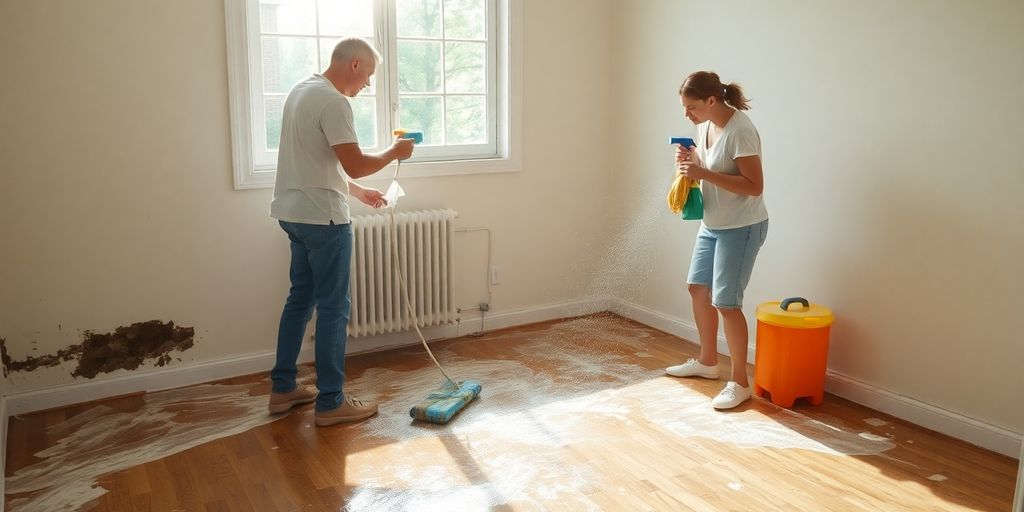
Choosing The Right Cleaning Solutions
When it comes to tackling surfaces that have been hit by water damage, selecting the right cleaning products is key. Mold and mildew can be stubborn, so you need something strong enough to do the job. Many homeowners opt for a bleach solution, but there are also commercial cleaners specifically designed for mold removal. Look for ones that are labeled as fungicidal. It’s important to follow the instructions on these products to ensure safety and effectiveness.
Proper Techniques For Disinfection
You’ve got your cleaning products, but now what? Here’s a simple guide to help you out:
- Wear protective gear: Gloves and masks are a must to keep yourself safe from mold spores.
- Scrub thoroughly: Use a brush to scrub the affected areas. Make sure you reach into corners and crevices.
- Rinse and dry: After scrubbing, rinse the surface with clean water and dry it completely. Leaving moisture can lead to more mold.
When To Replace Materials
Sometimes, no matter how hard you try, some materials just can’t be saved. Porous materials like carpet, insulation, or drywall often need to be replaced if they’ve been soaked for too long. It’s not worth the risk of mold regrowth. If you’re unsure, it’s best to consult with a professional to assess the damage.
After a water leak, cleaning and disinfecting aren’t just about making things look good again; it’s about ensuring your home is safe and healthy. Don’t cut corners here, especially if mold has already started to grow.
For more on dealing with water damage and choosing the right products, check out reliable restoration companies and trusted brands like DeWALT and KILZ, known for their quality in restoration work.
Preventive Measures For Future Incidents
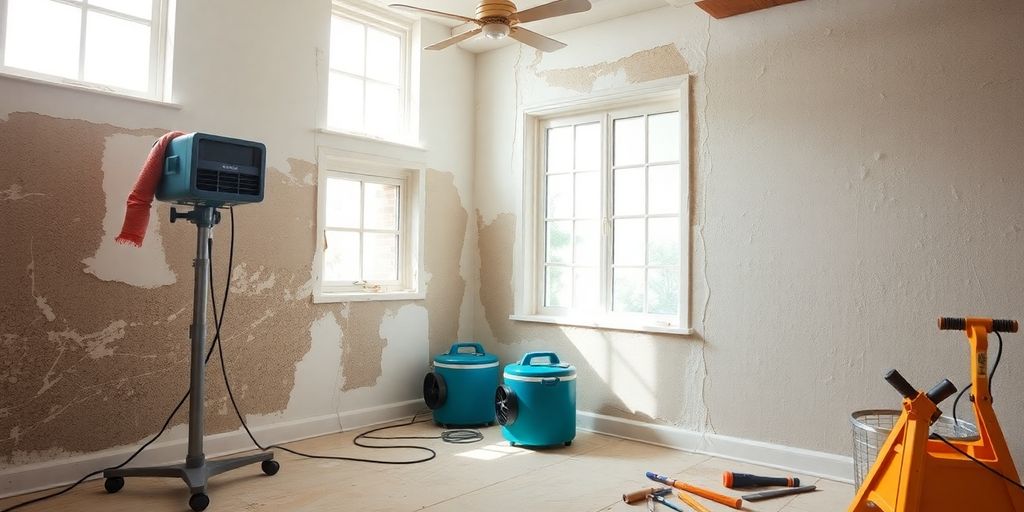
Taking steps to prevent mold is just as important as dealing with it after a leak. Here are some ways to keep your home safe from future mold problems.
Regular Home Inspections
Keeping a routine check on your home can save you from a lot of trouble later on. Make it a habit to inspect your home at least twice a year. Look for signs of leaks in the roof, plumbing issues, or any damp spots on walls and ceilings. Catching these problems early can prevent mold from taking hold.
Maintaining Gutters And Downspouts
Your home’s gutters and downspouts play a big role in keeping water away from your house. Ensure they are clear of leaves and debris so that water can flow freely. If water overflows, it can seep into your home’s foundation, leading to mold. Regular cleaning, especially during fall and spring, can help maintain their efficiency.
Sealing Cracks And Openings
Even small cracks in your home’s exterior can let moisture in. Inspect the exterior of your home for any gaps or openings, especially around windows and doors. Use caulk or weather stripping to seal these areas. This not only helps in preventing mold but also keeps your home more energy-efficient.
Regular maintenance and inspections are your first line of defense against mold. A little effort now can save big headaches down the road.
Additionally, consider using mold-resistant insulation and mold-prevention paint to protect your home from future infestations. These products can provide an extra layer of protection, especially in areas prone to dampness.
Monitoring For Signs Of Mold
Visual Inspections
Keeping an eye out for mold is your first line of defense. Regularly check areas prone to dampness, like bathrooms, basements, and around windows.
- Look for discoloration: Mold often appears as black, green, or even white patches.
- Peeling paint or wallpaper can be a sign of moisture problems.
- Watch for any water stains on ceilings or walls.
Odor Detection
Sometimes, you can smell mold before you see it. Mold has a distinct musty odor, often noticeable in confined spaces.
- Sniff around basements, attics, and crawl spaces.
- Pay attention to any lingering smells after cleaning.
- If the smell is persistent, it might be time to investigate further.
Using Mold Testing Kits
For a more precise approach, consider using mold testing kits. These kits can help identify the presence and type of mold in your home.
- Purchase a reliable mold test kit from a hardware store.
- Follow the instructions carefully to collect samples.
- Send samples to a lab for analysis, or use an at-home kit for immediate results.
Regular monitoring can prevent small issues from becoming big problems. If you suspect a severe mold issue, consider reaching out to professionals like Ruach Home Services for a thorough inspection and remediation.
When To Seek Professional Help
Identifying Severe Mold Infestations
Sometimes, mold problems can be too big to handle on your own. If you notice mold covering large areas, or if it keeps coming back after cleaning, it might be time to call in the experts. Mold that spreads over a surface larger than 10 square feet usually needs professional attention. This is because extensive mold can hide in places you can’t see, like inside walls or under floors, making it tough to eliminate completely without the right tools and knowledge.
Understanding Remediation Services
Professional mold remediation services do more than just clean up the mold you can see. They assess the full extent of the mold problem, remove contaminated materials, and treat the affected areas to prevent future growth. These services often include using specialized equipment to filter the air and ensure that all mold spores are removed. Hiring professionals can save you time and stress, as they handle everything from inspection to cleanup.
Evaluating Costs And Benefits
While hiring professionals might seem expensive, it’s important to weigh the costs against the benefits. Mold remediation can prevent further damage to your home, which could end up costing more in repairs if left untreated. Plus, professional services can help you avoid health issues related to mold exposure. Consider getting multiple quotes and ask about guarantees or follow-up services to make sure you’re getting the best value.
When dealing with mold, it’s essential to know when to step back and let the professionals handle it. The peace of mind that comes with knowing your home is safe and mold-free is worth the investment.
If you’re facing a serious mold issue, remember that effective water damage restoration is crucial to prevent mold from taking hold in the first place. Addressing the root cause can help keep your home healthy and safe.
If you’re feeling overwhelmed by damage in your home, it’s time to reach out for help. Don’t wait until things get worse. Our team at Ruach Home Services is here to support you. Visit our website to learn more about how we can assist you with your restoration needs!
Wrapping It Up
So there you have it, folks. Dealing with a water leak can be a real headache, but stopping mold from taking over is totally doable. Just remember to act fast, dry everything out, and keep an eye on those sneaky spots where mold likes to hide. It might seem like a lot at first, but once you get the hang of it, it’s just another part of keeping your home in tip-top shape. And hey, if things get out of hand, don’t hesitate to call in the pros. Better safe than sorry, right? Keep your home dry and mold-free, and you’ll be thanking yourself later.
Frequently Asked Questions
What health problems can mold cause?
Mold can make some people sneeze, cough, or have a runny nose. It can also cause itchy eyes or skin problems. In some cases, it can make asthma worse or cause lung infections.
Where does mold usually grow in a house?
Mold often grows in damp places like bathrooms, basements, or areas where there has been water damage. It can also be found around windows, roofs, or pipes that leak.
What should I do right after finding a water leak?
First, turn off the water to stop more leaking. Then, clean up any water you see and dry the wet areas as soon as possible to stop mold from growing.
How can I dry wet areas in my home?
Use fans and dehumidifiers to help dry out wet areas. You can also open windows to let in fresh air, or call a professional if the area is too big to handle on your own.
How can I stop mold from coming back?
Check your home regularly for leaks or damp spots. Make sure gutters are clear and seal any cracks where water might get in. Keeping your home dry helps stop mold.
When should I call a professional for mold problems?
If you see a lot of mold or if it’s in hard-to-reach places, it’s a good idea to call a professional. They have the tools and know-how to remove mold safely and completely.