
Keeping mold out of your home can feel like a never-ending battle, but it doesn’t have to be. Mold thrives in damp, dark places, and once it gets a foothold, it can cause all sorts of problems, from health issues to structural damage. The good news? With a few smart strategies, you can keep mold at bay and protect your home. Let’s dive into some practical steps you can take to prevent mold from becoming an unwanted guest in your house.
Key Takeaways
- Control moisture in your home to prevent mold growth.
- Regularly inspect and fix leaks or water damage.
- Use mold-resistant materials during renovations.
- Maintain proper ventilation to reduce humidity.
- Educate household members on mold prevention.
Understanding the Basics of Mold Prevention
The Importance of Moisture Control
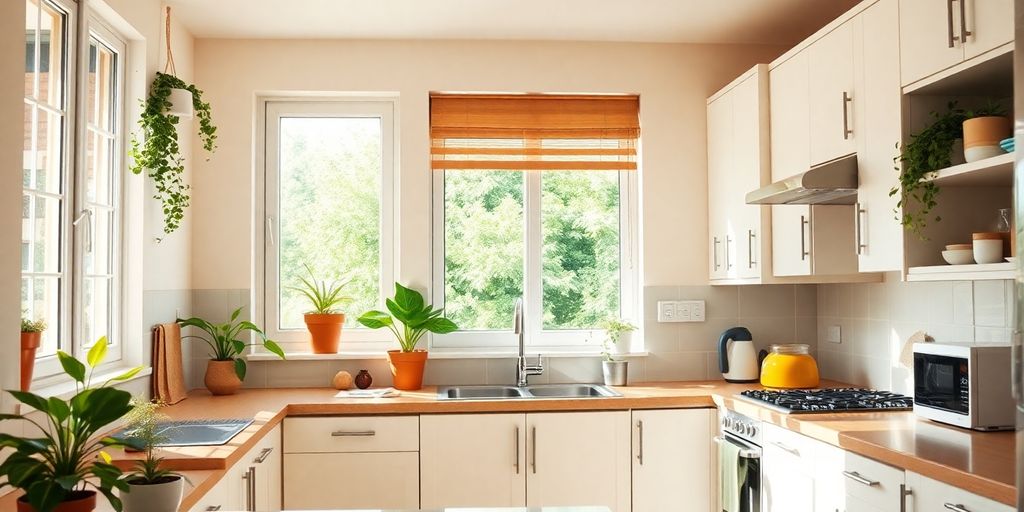
Mold thrives in damp environments, so controlling moisture is key to keeping it at bay. It’s crucial to dry wet areas within 24 to 48 hours to prevent mold growth. Fixing leaks and seepage promptly is also essential. Make sure the ground slopes away from your house to avoid water pooling near the foundation. Regularly check areas prone to moisture, like kitchens and bathrooms, to ensure they remain dry.
Identifying Common Mold-Prone Areas
Certain spots in your home are more susceptible to mold than others. Basements, bathrooms, and kitchens often have the right conditions for mold to flourish. Pay attention to places like under sinks, around window sills, and in the corners of rooms where moisture might accumulate. Regular inspections of these areas can help you spot potential problems before they escalate.
Recognizing Early Signs of Mold
Catching mold early can save you a lot of trouble and expense. Look out for discoloration on walls or ceilings, a musty odor, or peeling paint. These are often the first signs of mold. If you notice any of these indicators, take action immediately to address the source of moisture and clean up the mold. Being proactive can prevent more serious issues down the line.
Mold prevention doesn’t have to be complicated. By staying vigilant and addressing moisture issues promptly, you can keep your home mold-free and healthy.
Effective Waterproofing and Sealing Techniques
Addressing Leaks and Cracks
You know, keeping water out of your home is like the first line of defense against mold. Fixing leaks and sealing cracks is where you start. Think about it—water sneaks in through the tiniest gaps. So, grab some sealant and fill those cracks. Check your roof, windows, and even the foundation. If you spot any leaks, don’t wait. Fix them right away. It’s like putting a band-aid on a cut before it gets infected.
Using Mold-Resistant Caulking
Ever heard of mold-resistant caulking? It’s a game-changer. This stuff is designed to fight off mold before it even has a chance to grow. Use it around sinks, tubs, and anywhere water tends to hang out. It’s like giving those areas an extra layer of armor. Plus, it doesn’t cost much and can save you a ton of hassle down the road.
Installing Sump Pumps for Added Protection
If your basement tends to flood, a sump pump is your best friend. These bad boys kick in when water levels rise, pumping that unwanted water out and away from your home. It’s a bit of an investment, sure, but think of it as insurance against a soggy basement. You don’t want to deal with mold down there—it’s a nightmare. So, install a sump pump and sleep a little easier knowing you’ve got that extra protection.
A little effort in waterproofing and sealing can save you from big mold problems later. It’s all about being proactive and keeping your home dry.
Incorporating Mold-Resistant Products in Your Home
Choosing Mold-Resistant Drywall and Paint
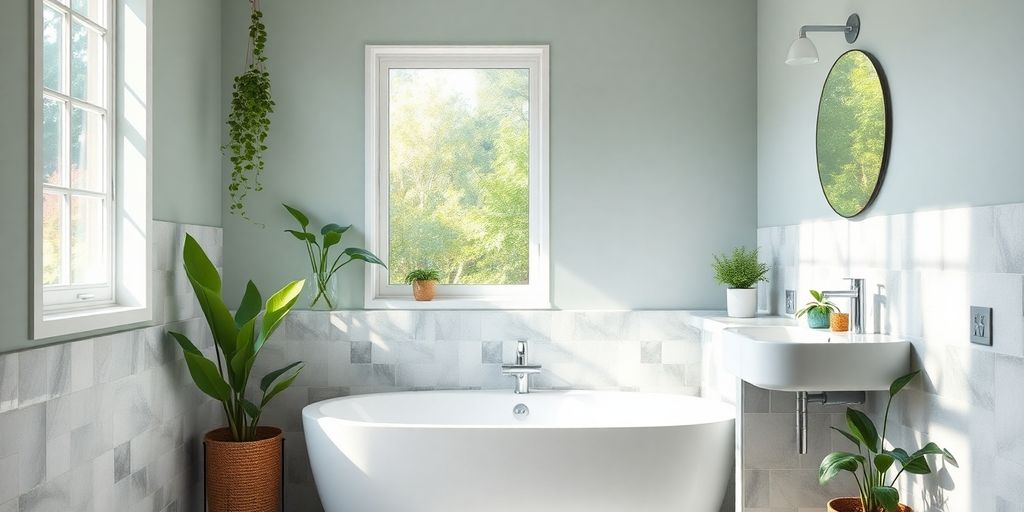
Building or renovating? Think about using mold-resistant drywall. Unlike regular drywall, which has a paper cover, mold-resistant drywall uses fiberglass. This makes it a lot tougher against moisture. It’s a smart choice for damp spots like bathrooms and basements. And when it comes to paint, go for one with mold inhibitors. These paints help stop mold from growing on your walls.
Benefits of Mold-Resistant Insulation
Insulation isn’t just for keeping your home warm or cool. Mold-resistant insulation can keep mold away, too. It’s treated with special agents that stop mold spores from settling in. This kind of insulation is perfect for areas that might get damp, like attics or basements. By using it, you’re adding an extra layer of protection to your home.
Selecting Moisture-Resistant Flooring Options
When picking flooring, especially in wet areas, think about moisture-resistant options. Tile and vinyl are good picks because they don’t soak up water like wood does. They’re easy to clean and don’t give mold a place to hide. If you’re redoing your floors, consider these materials to keep mold at bay.
By choosing the right materials, you can protect your home from mold and make it a safer place to live. It’s about being smart with what you use and where you use it.
For tools and products that make this process easier, consider reliable brands like DeWALT, Dry-Eaz, KILZ, and RIDGID that offer mold-resistant materials and solutions.
Maintaining Proper Ventilation and Humidity Levels
Using Exhaust Fans in High-Moisture Areas
It’s not rocket science—moisture hangs around in places like bathrooms and kitchens. Exhaust fans are your best buddies here. Whenever you’re showering or cooking up a storm, flick that switch. These fans help kick out the extra humidity, which is a big help in keeping mold at bay. And hey, remember to keep those fans clean so they work well.
The Role of Dehumidifiers in Mold Prevention
Dehumidifiers are like the unsung heroes in the fight against mold. They pull the extra moisture out of the air, especially in places like basements where dampness loves to linger. Keep an eye on your dehumidifier’s water collection and clean it regularly. Mold doesn’t stand a chance when the air’s dry!
Monitoring Indoor Humidity with Hygrometers
Now, if you’re serious about keeping mold away, get yourself a hygrometer. These little gadgets tell you the humidity levels in your home. Aim for 30-50% humidity—mold hates that range. Check it often, and adjust your fans or dehumidifiers as needed. It’s like having a weather station right in your living room!
Keeping your home well-ventilated and dry is like giving mold the cold shoulder. It’s all about balance—too much moisture, and mold’s right at home. Too dry, and it’s uncomfortable for everyone. Find that sweet spot, and you’ll be golden.
For folks in Arlington, Virginia, Ruach’s home services can help you keep your space safe from mold. They offer everything from mold remediation to complete home makeovers. So, if you’re dealing with moisture issues, they’re a solid choice.
Regular Maintenance and Inspection Routines
Keeping your home free from mold isn’t just about big fixes and fancy gadgets; it’s about the regular stuff too. Think of it like brushing your teeth—small actions that make a big difference over time. Routine maintenance is your best friend when it comes to keeping mold at bay.
Checking for Leaks and Water Damage
First things first, make a habit of checking for leaks and water damage. Water is mold’s best friend, so you want to catch any leaks before they turn into a party for mold. Look under sinks, around windows, and in basements. If you spot any signs of moisture, deal with them quickly. This might mean fixing a leaky pipe or sealing up drafty windows. Remember, the faster you act, the less chance mold has to grow.
Cleaning and Maintaining Gutters and Downspouts
Next up, don’t forget about your gutters and downspouts. They might not seem important, but they play a huge role in keeping water away from your home. Make sure they’re clean and free of debris, especially after a storm. Clogged gutters can lead to water pooling around your foundation, which is a prime spot for mold growth. So, grab a ladder and give them a good clean out every so often.
Inspecting HVAC Systems for Mold Prevention
Your HVAC system can also be a hidden culprit in mold growth. Regularly inspecting and maintaining your HVAC system is crucial. Change filters often and make sure there’s no standing water in the drip pans. If you’re unsure about handling this, consider reaching out to a professional service like Ruach Home Services for comprehensive inspections. Their expertise in mold remediation ensures your system is not contributing to mold problems.
Staying on top of regular maintenance tasks might seem tedious, but it’s a small price to pay for a mold-free home. By keeping an eye on potential trouble spots and addressing issues promptly, you can enjoy a healthier living environment.
In summary, regular maintenance routines are not just chores—they’re essential steps in preventing mold. By being proactive, you can save yourself from bigger headaches down the line.
Educating Household Members on Mold Prevention
Promoting Good Habits for Mold Control
Creating a mold-free home is a team effort, and everyone in the household plays a part. Encouraging good habits is key to preventing mold growth. Start with the basics:
- Use exhaust fans in bathrooms and kitchens to reduce moisture.
- Wipe down wet surfaces after use, especially in showers and sinks.
- Keep windows open or use dehumidifiers to maintain air circulation.
These small actions can make a big difference in keeping mold at bay.
Recognizing Signs of Mold and When to Seek Help
Knowing what to look for can prevent a minor mold issue from becoming a major problem. Mold often presents itself as discoloration or a musty odor. If you see or smell anything suspicious, it might be time to take action. Spotting mold early can save you a lot of trouble down the road. If you’re unsure, don’t hesitate to consult professionals who can assess and address the situation.
Encouraging Proactive Prevention Measures
Prevention is always better than cure. Encourage everyone in the house to be proactive about mold prevention:
- Regularly check for leaks under sinks and around appliances.
- Make sure gutters and downspouts are clean and working properly.
- Be mindful of indoor humidity levels and use hygrometers to monitor them.
By fostering a culture of awareness and proactive prevention, you can effectively reduce the risk of mold growth and protect your home and health.
Educating everyone at home about these practices not only helps in maintaining a clean environment but also ensures a healthier living space for all.
Professional Mold Remediation and Prevention Services
When to Call in the Experts
Mold can be sneaky, spreading silently behind walls or under floors. If you spot discoloration, smell a musty odor, or have ongoing allergy symptoms, it might be time to reach out to a professional. Experts recommend calling for help when mold covers more than 10 square feet or keeps coming back despite your efforts. These pros have the tools and know-how to tackle even the most stubborn mold problems, ensuring your home stays safe and healthy.
Understanding the Remediation Process
Getting rid of mold isn’t just about wiping it away. The remediation process involves several steps to ensure thorough removal and prevention of future growth:
- Inspection and Assessment: Professionals start by checking your home to identify the extent of the mold problem and its source.
- Containment: To prevent mold from spreading, affected areas are isolated using barriers and negative air pressure.
- Filtration: Air scrubbers and HEPA vacuums are used to capture mold spores from the air.
- Removal: Mold-infested materials are carefully removed and disposed of, sometimes requiring demolition of affected areas.
- Cleaning and Sanitizing: Surfaces are cleaned using specialized products, and deodorization is performed to remove odors.
- Restoration: Any damaged areas are repaired or rebuilt to restore your home to its original condition.
Choosing the Right Mold Prevention Service
Not all mold services are created equal. When picking a service, look for companies with certified technicians and good reviews. Ask about their experience with similar issues and what their plan includes. Some services offer locate mold contractors by your county, which can help you find trusted professionals in your area. Also, check if they provide a warranty for their work, so you know you’re covered if the mold returns.
Mold is not just an eyesore; it can affect your health and home value. Taking quick action with the right professionals can save you headaches and money in the long run.
If you’re dealing with mold in your home, don’t wait! Our expert mold removal and prevention services can help you breathe easier and keep your space safe. Visit our website today to learn more and get started!
Conclusion
So, there you have it. Keeping mold out of your home isn’t just about one thing—it’s a mix of good habits and smart choices. From fixing leaks and keeping things dry to using mold-resistant materials, every little bit helps. Don’t forget to check your home regularly and educate everyone in your household about the importance of these practices. By staying on top of it, you can keep your home safe and healthy. Remember, a little effort now can save you a lot of trouble later. So, take action today and enjoy a mold-free home!
Frequently Asked Questions
What is mold and why is it a problem?
Mold is a type of fungus that grows in damp places. It can cause health issues like allergies and breathing problems, and it can damage your home.
How can I tell if I have mold in my house?
Look for spots that are black, green, or white, especially in damp areas like bathrooms or basements. Mold can also smell musty.
What should I do if I find mold in my home?
If the moldy area is small, you can clean it with soap and water. For bigger problems, it’s best to call a professional to remove it safely.
How can I prevent mold from growing in my home?
Keep your home dry by fixing leaks, using exhaust fans, and keeping humidity low with a dehumidifier.
Can mold make me sick?
Yes, mold can cause symptoms like sneezing, coughing, and itchy eyes. People with asthma or allergies might have worse reactions.
Is it safe to live in a house with mold?
Living in a house with mold is not safe, especially for people with health issues. It’s important to clean up mold and fix any moisture problems.