
Water leak damage repair is crucial for maintaining a safe and healthy living environment. Understanding how water leaks happen and their effects on your home can help you take the right steps to fix and prevent them. This article will guide you through essential strategies to handle water leak damage effectively.
Key Takeaways
- Know the common causes of water leaks, like burst pipes or roof issues.
- Look for early signs of water damage, such as stains or mold.
- Act quickly to stop leaks and dry out wet areas to prevent more damage.
- Consider hiring professionals for serious repairs to ensure quality work.
- Regularly check your home for leaks and improve drainage to avoid future problems.
Understanding the Causes of Water Leak Damage
Common Sources of Water Leaks
Water leaks can come from various places in a home. Some of the most common sources include:
- Old or damaged pipes
- Faulty appliances, like washing machines and dishwashers
- Roof leaks from missing shingles or poor sealing
Impact of Water Leaks on Structures
Water leaks can cause serious problems for buildings. They can weaken walls, floors, and ceilings, leading to costly repairs. Over time, leaks can also create a perfect environment for mold growth, which can be harmful to health.
Identifying Early Signs of Water Damage
Spotting water damage early can save you a lot of trouble. Look for these signs:
- Water stains on walls or ceilings
- A musty smell in certain areas
- Peeling paint or wallpaper
Being aware of these signs can help you act quickly and prevent further damage.
In summary, understanding the causes of water leak damage is crucial for homeowners. By knowing where leaks often come from and how they can affect your home, you can take steps to protect your property. Remember, early detection is key to minimizing damage and repair costs.
Reliable services, like those offered by Ruach Home Services, can help you manage water damage effectively.
Assessing the Extent of Water Damage
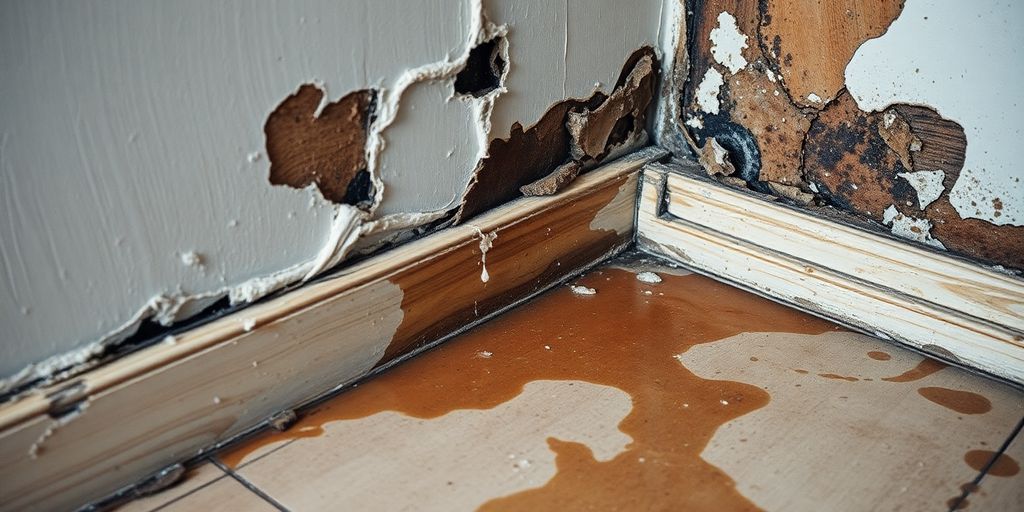
When dealing with water damage, it’s crucial to understand how severe the situation is. Identifying the full extent of the damage can help in planning the right repairs. Here are some key steps to follow:
Conducting a Thorough Inspection
- Look for visible signs of water damage, such as stains or discoloration on walls and ceilings.
- Check for any leaks in pipes or appliances that could be causing the problem.
- Inspect areas that are often overlooked, like basements and attics.
Using Moisture Detection Tools
- Utilize tools like moisture meters to measure the level of dampness in materials.
- Infrared cameras can help spot hidden moisture behind walls.
- These tools are essential for getting an accurate picture of the damage.
Evaluating Structural Integrity
- Assess if the water has affected the structure of your home. Look for:
- Warped or buckled floors.
- Cracks in walls or foundations.
- Signs of mold growth, which can indicate prolonged moisture exposure.
Understanding the extent of water damage is vital for effective repairs. It helps in prioritizing actions and ensuring safety.
By following these steps, you can effectively assess the damage and take appropriate action to restore your home. Remember, early detection is key to preventing further issues.
Immediate Steps to Mitigate Water Damage
Shutting Off the Water Supply
The first thing you should do is find the source of the leak and stop the water. This is crucial to prevent further damage. If you can’t locate the leak, turn off the main water supply to your home.
Removing Standing Water
Next, it’s important to get rid of any standing water. You can use buckets, mops, or a wet/dry vacuum to remove it. The longer water sits, the more damage it can cause.
Drying and Dehumidifying Affected Areas
After removing the water, start drying the affected areas. Use fans and dehumidifiers to help speed up the drying process. This step is vital to prevent mold growth.
Remember, acting quickly can save you a lot of trouble later on.
Here’s a quick checklist of what to do immediately:
- Find the source and stop the water.
- Safety first: check for electrical hazards.
- Document the damage for insurance.
- Begin the drying process.
- Check for hidden moisture in walls and floors.
By following these steps, you can effectively mitigate water damage and protect your home.
Repairing and Restoring Damaged Areas
Fixing Plumbing Issues
To start the repair process, it’s crucial to address any plumbing problems that caused the leak. Here are some steps to follow:
- Identify the source of the leak.
- Turn off the water supply to prevent further damage.
- Repair or replace damaged pipes or fixtures.
Replacing Damaged Materials
Once the plumbing is fixed, you’ll need to replace any materials that were harmed by the water. This can include:
- Flooring
- Drywall
- Insulation
Make sure to use materials that are resistant to water damage.
Restoring Aesthetic Features
After replacing damaged materials, it’s time to restore the look of your home. This can involve:
- Painting walls
- Replacing baseboards
- Installing new flooring
Restoring your home after water damage is not just about fixing what’s broken; it’s also about making it look good again.
In summary, repairing and restoring areas affected by water damage involves fixing plumbing issues, replacing damaged materials, and restoring the home’s appearance. By following these steps, you can ensure your home is safe and looks great again.
Preventing Future Water Leak Damage
Regular Maintenance and Inspections
To keep your home safe from water leaks, it’s important to regularly check for any signs of trouble. Here are some key steps to follow:
- Inspect your roof and gutters for damage.
- Check plumbing fixtures and pipes for leaks.
- Look for signs of water stains on walls and ceilings.
Installing Leak Detection Systems
Using technology can help you catch leaks early. Consider these options:
- Smart water leak detectors that alert you to leaks.
- Automatic shut-off valves that stop water flow when a leak is detected.
- Sump pumps to remove excess water from basements.
Improving Home Drainage Systems
Proper drainage can prevent water from pooling around your home. Here are some tips:
- Ensure gutters direct water away from the foundation.
- Use downspout extensions to guide water further away.
- Landscape with sloped areas to help water flow away from your home.
Taking these steps can significantly reduce the risk of water damage. By being proactive, you can protect your home from costly repairs in the future.
In summary, regular checks, smart technology, and good drainage are key to preventing water leaks. Stay vigilant and keep your home safe!
Hiring Professional Water Damage Repair Services
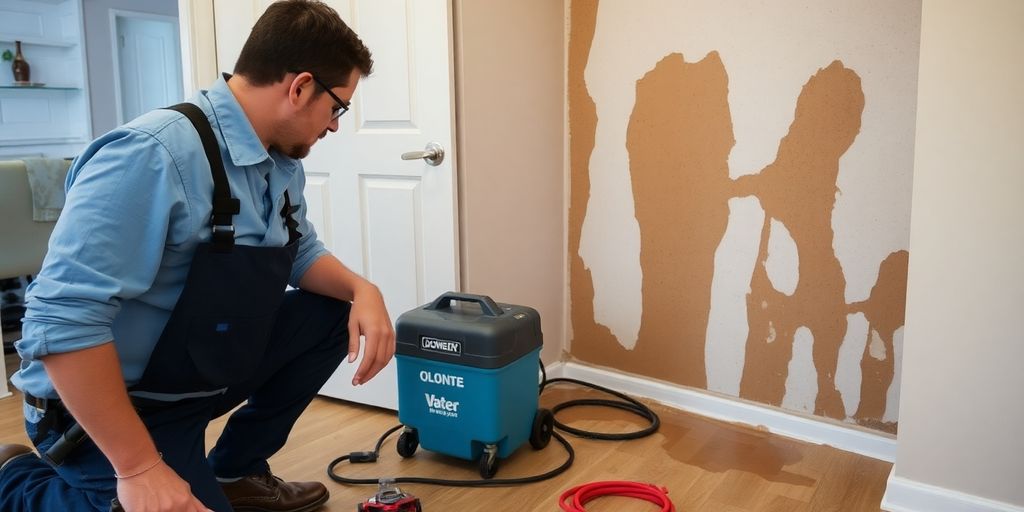
When dealing with water damage, it’s often best to call in the experts. Professional services can save you time and money in the long run. Here are some key points to consider:
Benefits of Professional Repair Services
- Expertise: Professionals have the training and experience to handle complex water damage situations.
- Advanced Equipment: They use specialized tools that can detect moisture and help in drying out areas effectively.
- Insurance Assistance: Many professionals can help you navigate the insurance claims process.
Choosing the Right Repair Company
- Research: Look for companies with good reviews and ratings.
- Get Estimates: Compare quotes from different companies to find the best deal.
- Check Credentials: Ensure the company is licensed and insured.
Understanding Repair Costs
| Service Type | Average Cost Range |
|---|---|
| Initial Inspection | $100 – $300 |
| Water Extraction | $500 – $1,500 |
| Structural Repairs | $1,000 – $5,000 |
Hiring professionals can make a significant difference in the recovery process. They can help ensure that your home is safe and dry, preventing further damage.
In summary, when facing water damage, it’s wise to consider hiring water damage restoration pros near you. They can provide trusted service and help you get your home back to normal quickly.
Insurance and Water Leak Damage Repair
Filing a Water Damage Claim
When you experience water damage, the first step is to file a claim with your insurance company. Make sure to document everything: take photos of the damage, keep receipts for repairs, and note any conversations with your insurer. This will help support your claim.
Understanding Insurance Coverage
Homeowner’s insurance usually covers sudden water damage, like a burst pipe, but it may not cover gradual damage, such as leaks that have been happening over time. It’s important to read your policy carefully to know what is included. Here’s a quick overview:
| Coverage Type | Typically Covered | Not Covered |
|---|---|---|
| Sudden water damage | Yes | Gradual leaks |
| Emergency repairs | Yes | Maintenance issues |
| Mold remediation | Sometimes | Long-term damage |
Working with Insurance Adjusters
After filing your claim, an insurance adjuster will assess the damage. They will determine how much your insurance will pay for repairs. Here are some tips for working with them:
- Be honest and provide all necessary information.
- Keep a record of all communications.
- Ask questions if you don’t understand something.
Remember, prompt action is key. The sooner you address water damage, the better your chances of a successful claim and restoration.
In summary, understanding your insurance policy and working closely with your insurance adjuster can make a big difference in how effectively you handle water leak damage repairs. Always keep your documentation organized and be proactive in your communication.
If your home has suffered from water leaks, it’s important to know how insurance can help with repairs. Many policies cover sudden water damage, but it’s best to check your specific plan. For expert help with water damage restoration and to learn more about your options, visit our website today!
Conclusion
In summary, dealing with water leak damage can be tough, but knowing what to do makes it easier. First, always act quickly to stop the leak and reduce damage. Next, dry out the area well to prevent mold and other problems. It’s also smart to check for hidden leaks and fix them right away. If the damage is too big, don’t hesitate to call in the experts. By following these steps, you can protect your home and keep it safe from water damage.
Frequently Asked Questions
What are the common causes of water leaks?
Water leaks can happen for many reasons. Some common causes include broken pipes, old plumbing, roof damage, and heavy rain. It’s important to check your home regularly to catch these issues early.
How can I tell if I have water damage in my home?
You might notice water stains on walls or ceilings, a musty smell, or peeling paint. If your floors feel soft or there are damp spots, those can also be signs of water damage.
What should I do first if I find a water leak?
The first thing to do is turn off the water supply to stop more water from coming in. Then, try to remove any standing water and dry the area as quickly as you can.
Can I fix water damage myself?
Some small repairs you can do yourself, like drying out a room or replacing a few tiles. However, for bigger problems, like fixing plumbing or structural damage, it’s best to call a professional.
How can I prevent water leaks in the future?
To prevent leaks, make sure to check your plumbing regularly, clean gutters, and keep an eye on your roof. Installing leak detection systems can also help catch problems early.
Will my insurance cover water damage repairs?
It depends on your insurance policy. Some plans cover water damage, while others do not. It’s a good idea to read your policy and talk to your insurance agent to understand what is covered.