
Dealing with a flooded house is never fun, but it’s something many homeowners might face. When water invades your space, quick action is key to minimizing damage and keeping your home safe. From figuring out where water might sneak in to knowing how to clean up the mess afterward, understanding the basics can really help. This guide breaks down what to do when your home floods and how to get it back to normal.
Key Takeaways
- Knowing your home’s flood risk can help you prepare better.
- Safety first: make sure it’s safe before re-entering a flooded home.
- Get water out fast using pumps, wet vacs, and dehumidifiers.
- Prevent mold by thoroughly drying and ventilating your home.
- Consider professional help for extensive water damage.
Understanding the Risks of Water Damage
Identifying Flood-Prone Areas
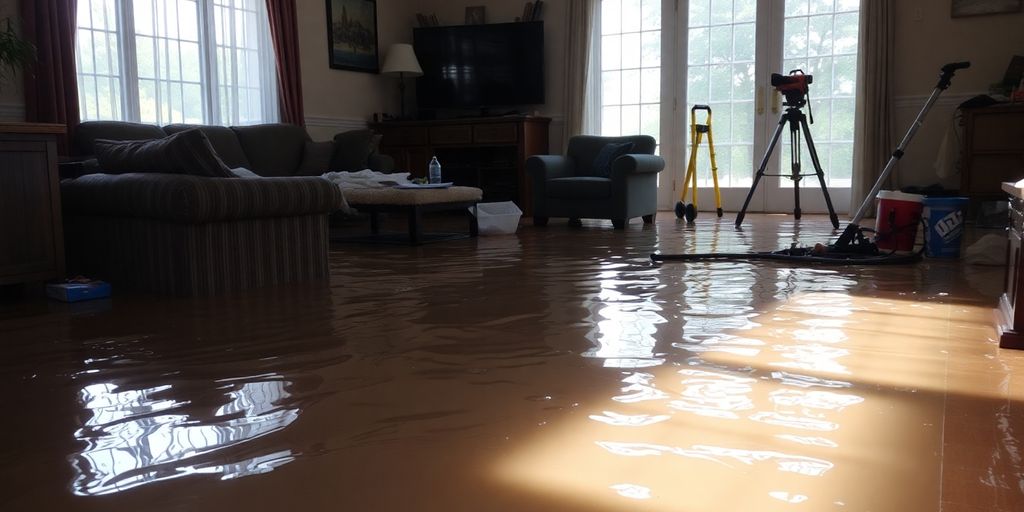
Living in a flood-prone area can be a real headache. Knowing your home’s flood risk is the first step in protecting it. Check out your local government’s website for FEMA elevation maps. These maps will show you if you’re in a flood plain or low-lying area. It’s a good idea to purchase flood insurance if you find out you are at risk. Remember, most standard homeowners insurance doesn’t cover flood damage.
Assessing Structural Vulnerabilities
Your home’s structure might be more vulnerable to water damage than you think. Look for cracks in the foundation or walls, as these can let water in during a flood. Check your basement, as it’s often the first place to flood. Make sure your gutters and downspouts are clear, so they can direct water away from your house. You might want to consider a sump pump to keep water out of your basement.
Recognizing Health Hazards
Floodwaters aren’t just water; they’re full of nasty stuff like chemicals and bacteria. Returning to a flooded home can be dangerous. Be aware of the risks, such as infectious diseases and chemical hazards. Mold is another big concern. It can start growing in just 48 hours. Wear protective gear, like gloves and masks, when you’re cleaning up. Make sure to disinfect everything thoroughly to avoid health issues.
Immediate Actions to Take After a Flood
Ensuring Personal Safety
First things first, your safety is the top priority. After a flood, the environment can be unpredictable and dangerous. Avoid any areas with standing water, as they might hide sharp objects or electrical hazards. If you have to walk through water, use a stick to check for stability and depth. It’s also wise to listen to local advisories about safe drinking water and boil water notices. Floodwaters can contain harmful bacteria, so don’t take any chances.
Contacting Insurance Providers
As soon as you’re safe, reach out to your insurance company. This step is crucial for starting the claims process. Have your policy number ready, and be prepared to provide details about the damage. Document everything with photos and notes. This documentation will be invaluable when filing your claim. Remember, if the flood is widespread, there might be delays, so patience is key.
Documenting the Damage
Before you start the cleanup, take the time to document all the damage thoroughly. Use your phone to take clear photos and videos of affected areas. This includes structural damage, ruined furniture, and any personal items that have been affected. Make a list of damaged items and their approximate value. This will not only help with insurance claims but also guide you on what needs to be prioritized during repairs.
Floods can turn your world upside down in an instant. Taking immediate steps to ensure safety and document the aftermath can make the recovery process a bit smoother. Stay calm, stay safe, and tackle one thing at a time.
Effective Water Removal Techniques
Using Pumps and Wet Vacs
When facing a flooded home, removing water quickly is your first priority. Pumps and wet vacuums are essential tools in this process. Start by using a sump pump to drain large volumes of water. These pumps are usually installed in the basement or the lowest part of your house. If you don’t have one, consider renting or purchasing a portable version. Once the water level is manageable, switch to a wet vac to suck up the remaining water. These vacuums are designed to handle water and can be a lifesaver in a flood.
Utilizing Dehumidifiers and Fans
After you’ve removed the standing water, it’s time to dry out your home. Dehumidifiers and fans are crucial here. Place several fans around the affected area to circulate air and speed up the drying process. A dehumidifier will help by pulling moisture out of the air, reducing humidity levels, and preventing mold growth. Run these machines continuously until the area is thoroughly dry.
Employing Professional Services
Sometimes, the damage is too extensive to handle on your own. In these cases, hiring professional water removal services can make a significant difference. Professionals have specialized equipment and expertise to ensure that your home is dried out properly. They can also help identify hidden moisture that could lead to mold or structural damage. Don’t hesitate to seek professional help if you’re overwhelmed by the scope of the damage.
Quick action and the right tools are essential to effectively manage flood damage in your home. By following these steps, you can significantly reduce the impact of flooding on your property.
For more DIY methods to mitigate water damage, check out our guide on handling flooding efficiently.
Preventing Mold and Mildew Growth
Thorough Drying and Ventilation
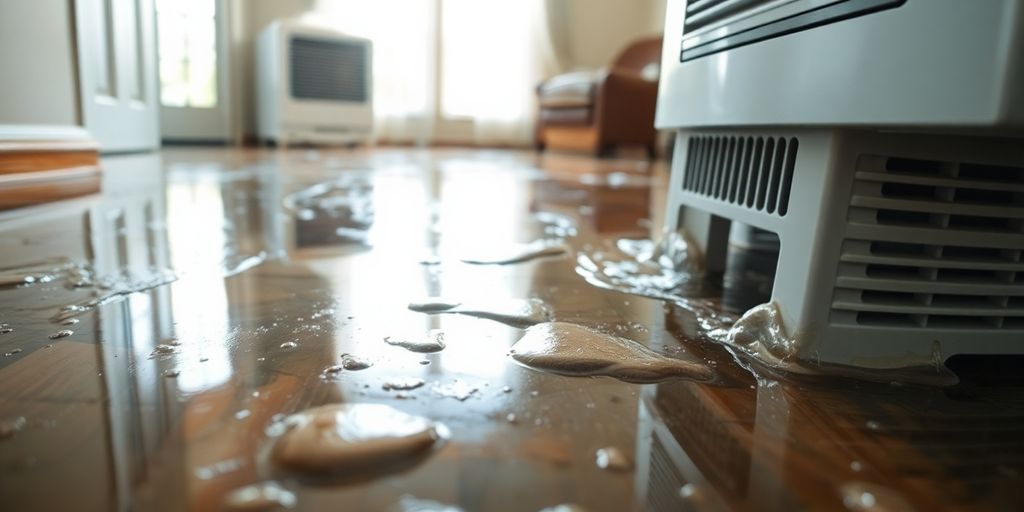
After a flood, getting rid of moisture is your first line of defense against mold. Open windows and doors to let fresh air circulate. If you’ve got electricity, run fans and a dehumidifier. These tools help pull moisture out of the air, making it harder for mold to set up shop. The faster you dry things out, the less chance mold has to grow. Keep an eye on humidity levels and aim to keep them below 60%.
Using Mold-Resistant Products
When you’re replacing materials like drywall or insulation, go for mold-resistant options. These products are designed to hold up better in wet conditions, giving mold fewer places to latch onto. Also, consider using paint with mold inhibitors. It might cost a bit more upfront, but it can save you a headache later.
Regular Monitoring and Maintenance
Mold can be sneaky. Even after you’ve dried everything out, keep checking for any signs of mold. Look in places that are often damp, like basements or bathrooms. If you spot mold, deal with it right away. Regularly cleaning and maintaining your home can stop mold before it becomes a big problem.
Keeping your home dry and well-ventilated is key to preventing mold. Regular checks and using the right products can make a huge difference in keeping mold at bay.
For more tips on keeping mold away, remember to control humidity levels indoors.
Cleaning and Disinfecting Your Home
Choosing the Right Cleaning Agents
Cleaning up after a flood is no small task. You need to pick the right cleaning agents to get the job done. Bleach is a common choice for disinfecting surfaces, but it’s not the only option. Consider using a mix of soap and water for basic cleaning, especially for surfaces that might react with bleach. Remember, never mix bleach with other cleaning agents to avoid dangerous reactions.
Safe Disposal of Contaminated Items
Floodwaters can be nasty, bringing in all sorts of contaminants. It’s crucial to safely dispose of items that have been soaked. Fabric items like clothes and curtains should be washed in hot water, while things like carpets and upholstered furniture might need to be thrown out if they’ve absorbed too much water. Mold can grow quickly, so if an item can’t be cleaned thoroughly, it’s safer to let it go.
Sanitizing Furniture and Fabrics
Once the water’s gone, the next step is to sanitize everything. For wooden furniture, a mild detergent and water should do the trick. For fabrics, a hot wash with detergent can help eliminate any lingering bacteria or mold spores. If you’re dealing with mold, make sure to wear protective gear like masks and gloves. And if it all feels overwhelming, don’t hesitate to reach out to a professional water damage restoration service to help bring your home back to life.
After a flood, it’s not just about drying things out. It’s about making sure your home is safe and clean for you and your family. Taking the time to properly clean and disinfect can make all the difference.
Repairing and Restoring Your Home
Assessing Structural Damage
After a flood, the first step in repairing your home is to assess the structural damage. Check for cracks in the foundation, warped walls, and any signs of shifting. It’s crucial to inspect the roof, windows, and doors for leaks or damage that might have occurred during the flood. If you’re unsure about the extent of the damage, hiring a structural engineer can provide a detailed evaluation.
Replacing Damaged Materials
Once you’ve assessed the damage, it’s time to replace the materials that can’t be salvaged. This might include drywall, insulation, and flooring that have been soaked through. Mold can quickly develop in these materials, so it’s important to remove and replace them as soon as possible. Consider using water-resistant materials for future protection, like tile or vinyl flooring, which can withstand moisture better than carpet or hardwood.
Hiring Restoration Experts
For comprehensive repairs, consider hiring professionals who specialize in flood restoration. They have the tools and expertise to handle everything from water extraction to structural repairs. This can be particularly beneficial if the damage is extensive. Restoration experts can also assist with filing a claim for the repairs, ensuring you get the necessary support from your insurance provider.
Repairing your home after a flood is not just about fixing what’s broken. It’s about making it a safe and comfortable place to live again. Taking the time to properly assess, replace, and restore your home ensures that you’re not only addressing current issues but also safeguarding against future problems.
Preparing for Future Floods
Getting ready for a potential flood isn’t just about being cautious; it’s about being proactive. Here’s how you can prepare your home and family for future flood events.
Installing Sump Pumps and Drains
Sump pumps are a must-have for homes in flood-prone areas. They sit at the lowest point of your home and help push water away from the foundation. It’s a good idea to test your sump pump regularly by pouring water into the pit to make sure it’s working. Consider having a backup pump ready in case the primary one fails. Make sure the discharge hose sends water several feet away from your home to prevent recycling it back through the foundation.
Creating a Flood Emergency Plan
Having a plan is crucial. Start by identifying evacuation routes and safe places to go when a flood warning is issued. Make sure all family members know the plan and have a list of emergency contacts. Prepare an emergency kit with essentials like water, non-perishable food, a flashlight, batteries, and important documents. Don’t forget about pets! Plan for their needs too, as many shelters don’t allow animals.
Investing in Flood Insurance
Most standard homeowner’s insurance policies don’t cover flood damage. If you live in an area prone to flooding, getting flood insurance is a wise move. This insurance can help cover the costs of repairs and replacements after a flood. Check if your area is in a flood plain using local resources or FEMA’s elevation maps to better understand your risk. Having the right insurance can make a big difference in recovery efforts.
Preparing for floods isn’t just about protecting property; it’s about safeguarding lives. By taking these steps, you can minimize potential damage and ensure a quicker recovery.
As we face the reality of climate change, preparing for future floods is more important than ever. Start by assessing your home’s vulnerability to flooding and consider investing in flood barriers or drainage systems. It’s also wise to create an emergency plan that includes evacuation routes and a supply kit. For more tips on how to protect your home from floods, visit our website today!
Conclusion
Dealing with a flood in your home is never easy, but taking the right steps can make a big difference. Start by ensuring your safety and then focus on drying out your space as quickly as possible. Use fans, dehumidifiers, and your air conditioner to speed up the process. Remember, the faster you dry things out, the less chance mold has to grow. If the flood was due to a natural disaster, be cautious when returning home and keep updated with local news for safety information. Don’t forget to sort through your belongings and clean everything thoroughly to avoid any health risks. And if it all feels overwhelming, don’t hesitate to call in professionals for help. They have the tools and expertise to restore your home safely. Stay safe and take it one step at a time.
Frequently Asked Questions
What should I do first after my house floods?
The first thing to focus on is your safety. Make sure it’s safe to enter your home. Watch out for downed power lines and electrical hazards. Once it’s safe, contact your insurance company and document the damage with photos.
How can I remove water from my house quickly?
Use pumps or wet vacs to get rid of standing water. Turn on fans and dehumidifiers to help dry things out. The faster you remove the water, the less chance mold has to grow.
Why is mold a big concern after a flood?
Mold can grow quickly in wet areas, sometimes within 48 hours. It can cause health problems and damage your home. That’s why drying everything out fast is really important.
Do I need to throw away furniture after a flood?
If furniture has been soaked, especially if it’s made of wood or has fabric, it might be best to get rid of it. Water can damage wood quickly and mold can grow in fabrics.
How can I prepare for future floods?
Consider getting flood insurance if you live in a flood-prone area. Install sump pumps and keep sandbags handy to protect your home. Having a flood emergency plan is also a good idea.
What cleaning agents should I use after a flood?
Start with a mix of soap and water to clean surfaces. You can use bleach for disinfecting, but never mix it with other cleaners. Always wear gloves when using strong cleaning agents.