
Dealing with water damage in your home can be really tough. It’s not just about cleaning up; it’s about making sure your home is safe and sound again. Whether it’s a burst pipe, a leaky roof, or a flood, knowing what to do next is key. This guide will walk you through the steps to take after water damage, from immediate actions to long-term prevention strategies. With the right approach, you can restore your home and prevent future problems.
Key Takeaways
- Act quickly to minimize damage and prevent mold growth.
- Document all damages for insurance claims before starting repairs.
- Use proper drying techniques to ensure all moisture is removed.
- Consider hiring professionals for severe damage and mold issues.
- Regular maintenance can help prevent future water damage.
Understanding the Impact of Water Damage on Your Home
Identifying Common Sources of Water Damage
Water damage can sneak up on you in a bunch of ways. It might be a burst pipe in the dead of winter or a sneaky roof leak that you only notice when the rain comes pouring down. Overflowing sinks and toilets are also culprits, not to mention those appliances like dishwashers that decide to leak at the worst times. Recognizing these sources early can save you a lot of headaches.
Assessing the Extent of Damage
Once you spot water where it shouldn’t be, the next step is figuring out how bad it is. You need to look beyond the obvious puddles. Check the walls, floors, and even the ceiling. Sometimes, water damage isn’t just about what you see. It’s about what’s lurking underneath. Is the drywall soft? Are the wooden floors buckling? Assessing the full extent helps you plan the right fix.
Recognizing Signs of Hidden Water Damage
Not all water damage is out in the open. Sometimes, it’s sneaky. You might notice a musty smell or feel a damp chill in a room. These are signs that water is hiding somewhere. Maybe it’s behind the walls or under the floorboards. Look for discoloration, peeling paint, or warped surfaces. These are clues that water is playing hide and seek in your home.
Water damage isn’t just about the visible mess. It’s about the silent, creeping issues that can cause long-term harm if not addressed. Always keep an eye out for unusual changes in your home environment.
Immediate Actions to Take After Water Damage
Ensuring Safety and Turning Off Utilities
First things first, safety is your top priority. Before stepping into any flooded area, make sure to turn off the electricity. If you can do it without getting wet, switch off the power at the main breaker. If that’s risky, call an electrician. Water and electricity are a bad mix. Also, wear rubber boots and gloves to protect yourself from contaminated water. You never know what’s in there.
Documenting Damage for Insurance Claims
Once it’s safe, grab your phone or camera and start documenting everything. Take photos and videos from different angles. Focus on walls, floors, and any furniture that’s been hit. Make a list of all damaged items to help with repairs and insurance claims. This step is super important because it might help you get the coverage you need. For more tips on how to document water damage, check out our guide.
Removing Standing Water Safely
Now, onto the water itself. If there’s a lot of it, you might need a wet/dry vacuum. For smaller puddles, buckets and mops can do the trick. But be careful—if the water is contaminated, don’t touch it. Call in professionals if you need to. Once the water’s out, start drying things up. Open windows, use fans, and if you have one, a dehumidifier will help a lot. The faster you dry things out, the less chance mold has to grow.
"Acting quickly can save thousands in repairs, prevent mold growth, and protect your home’s structural integrity."
Remember, these steps are just the beginning. Water damage can be overwhelming, but tackling it head-on makes a huge difference.
Effective Drying and Dehumidification Techniques
Using Fans and Dehumidifiers
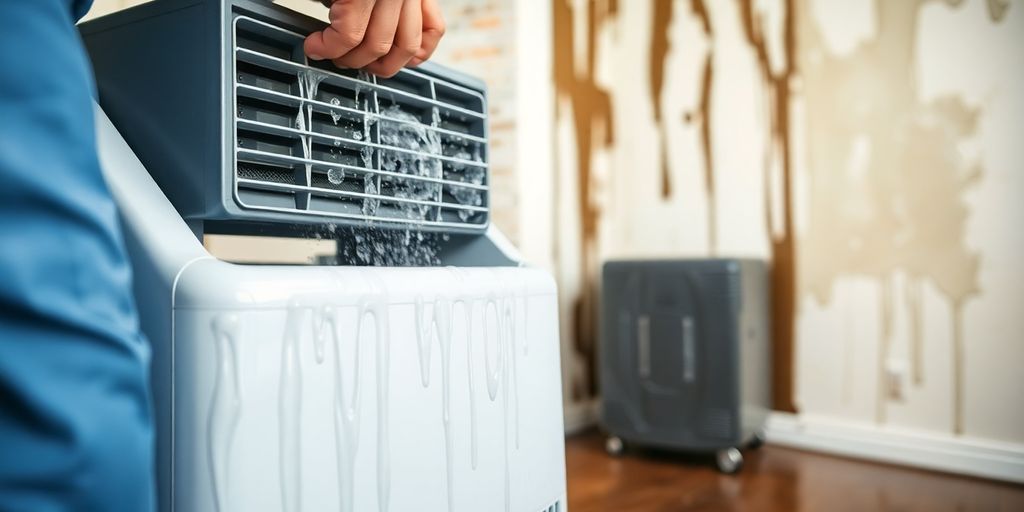
Once you’ve managed to get rid of standing water, it’s time to focus on drying the place out. Fans and dehumidifiers are your best friends here. Set up fans around the affected area to circulate air and speed up the drying process. Dehumidifiers are great for sucking moisture out of the air, which helps prevent mold. If you don’t own a dehumidifier, consider renting one. They can make a big difference, especially in humid areas.
Ventilating the Affected Areas
Open windows and doors to let fresh air in. This is a simple yet effective way to help dry out your space. If the weather is nice, this can be particularly helpful. Just be cautious if it’s humid outside, as that could slow down drying. You might also consider using exhaust fans, like those in your kitchen or bathroom, to help pull moisture out.
Monitoring Moisture Levels
Keep an eye on moisture levels as you dry out the area. You can use a moisture meter for this. They’re handy tools that can help you figure out when things are dry enough. Moisture meters can be purchased at most hardware stores and are easy to use. If you’re unsure about using one, a quick online search or chat with a store employee can get you up to speed. Remember, it’s important to ensure everything is thoroughly dry to avoid mold problems later on.
Dealing with water damage is no small feat. Taking the right steps to dry out your home can save you a lot of trouble down the road. It’s worth the effort to make sure it’s done right the first time.
Preventing Mold Growth After Water Damage
Identifying Mold-Prone Areas
After water damage, mold can quickly become a problem if not addressed immediately. Mold loves damp, dark spaces, so keep an eye on areas like basements, closets, and bathrooms. These spots often have the right conditions for mold to thrive. It’s crucial to identify these mold-prone areas early to prevent a bigger issue down the line.
Using Mold-Resistant Products
When repairing water-damaged areas, consider using mold-resistant products. These include paints, drywall, and insulation designed to repel mold. They don’t make your home mold-proof, but they add an extra layer of protection. Mold-resistant drywall, for instance, can be a smart choice for areas prone to moisture.
Hiring Professional Mold Remediation Services
If mold has already taken hold, it might be time to call in the pros. Professional mold remediation services have the tools and expertise to tackle mold effectively. They can assess the extent of the mold problem, remove it safely, and help restore your home. It’s often worth the investment to ensure your home is safe and healthy.
Taking quick action after water damage is key to preventing mold. Mold can grow rapidly, so drying affected areas quickly using fans, dehumidifiers, and proper ventilation is vital. Mopping up standing water is also crucial to minimize moisture and inhibit mold development.
Repairing and Restoring Your Home
Replacing Damaged Materials
After water damage, one of the first steps in repairing your home is to replace any materials that have been compromised. Drywall, insulation, and flooring are often the first to go. If these materials are left damp, they can become a breeding ground for mold, which is a whole other headache you don’t want. It’s usually a good idea to remove and replace these materials rather than trying to dry them out completely. This might seem like a big job, but it’s crucial for the health and safety of your home.
Restoring Structural Integrity
Water can really mess with the structure of your home. Wooden beams might warp, metal might rust, and concrete can erode. To restore your home’s structural integrity, you’ll likely need a professional to assess the damage. They’ll know what needs replacing and what can be salvaged. Sometimes, it’s as simple as reinforcing a few beams or replacing rusted metal parts. Other times, it might involve more extensive work. Either way, getting this right is key to making your home safe again.
Choosing the Right Restoration Professionals
When it comes to restoring your home, choosing the right professionals is a big deal. Look for experts who have experience with water damage and a good reputation. Ask for recommendations from friends or family, or check online reviews. It’s also smart to get a few quotes before deciding. Remember, the cheapest option isn’t always the best. You want someone who will do the job right the first time. A good professional will not only fix the immediate damage but also help with effective water damage cleanup, making sure your home is protected from future issues.
Restoring your home after water damage is no small feat, but with the right approach and professional help, you can bring your home back to its former glory. It’s about taking the right steps and not cutting corners.
Long-Term Strategies to Prevent Future Water Damage

Regular Maintenance and Inspections
Keeping your home safe from water damage starts with regular check-ups. It’s like going to the dentist—catch problems early and save yourself a headache later. Make it a habit to inspect your utility rooms, basements, and roofs. These areas often hide leaks and other issues. Regular inspections can save you from a lot of trouble by catching potential problems before they turn into major headaches.
Installing Water Detection Systems
Think of water detection systems as the smoke detectors for water damage. They alert you before a small leak becomes a swimming pool in your basement. These systems are pretty straightforward to install and can be a lifesaver. Place them near common trouble spots like under sinks, near water heaters, or in basements. Installing these devices can give you peace of mind and protect your home.
Improving Home Drainage Systems
Good drainage is like having a solid umbrella during a rainstorm. Without it, water can pool around your home, seeping into the foundation and causing damage. Consider grading your yard so water flows away from your house. Also, keep gutters clean and in good repair. A little effort here can make a big difference in keeping water at bay.
Remember, preventing water damage is about being proactive. A bit of maintenance today can save you from a lot of stress and repair costs down the road. It’s all about keeping your home safe and sound.
To keep your home safe from future water damage, it’s important to take proactive steps. Regularly check for leaks, maintain your gutters, and consider installing a sump pump. For more tips and expert help, visit our website today!
Conclusion
Wrapping up, dealing with water damage can be a real headache, but taking the right steps can make a world of difference. It’s all about acting fast and smart. Start by getting rid of the water and drying things out as soon as you can. Don’t forget to check for mold, because that stuff can sneak up on you. If things get out of hand, don’t hesitate to call in the pros—they’ve got the tools and know-how to get your home back in shape. Remember, the quicker you tackle the problem, the less damage you’ll have to deal with. So, keep calm, follow the steps, and you’ll be back to normal before you know it.
Frequently Asked Questions
What should I do first when I find water damage in my house?
The first thing you should do is make sure everyone is safe and turn off any utilities if needed. Then, document the damage with photos for your insurance company.
How can I tell if there is hidden water damage in my home?
Look for signs like musty smells, peeling paint, or water stains on walls and ceilings. These can indicate water damage that isn’t immediately visible.
Is it necessary to hire professionals for water damage cleanup?
While small issues might be handled on your own, hiring professionals ensures that all water and moisture are properly removed, preventing further damage and mold growth.
How can I prevent mold after water damage?
To prevent mold, dry out the area thoroughly using fans and dehumidifiers. It’s also a good idea to use mold-resistant products and keep the area well-ventilated.
What materials need to be replaced after water damage?
Materials like drywall, insulation, and carpets often need to be replaced if they’ve been soaked. Wood and other building materials might also need replacing if they’re damaged.
How can I stop water damage from happening again?
Regular maintenance and inspections of your home’s plumbing and roof can help prevent future water damage. Installing water detection systems and improving drainage can also be effective.