
Dealing with water leaks at home can be a real headache, especially when mold starts creeping in. It’s not just about the ugly spots on the walls or that musty smell—mold can mess with your health too. So, what can you do? Well, preventing mold after a water leak is all about quick action and some smart strategies. Let’s dive into some straightforward ways to tackle this issue head-on and keep your home safe and mold-free.
Key Takeaways
- Act fast to dry out any wet areas to stop mold from taking hold.
- Use dehumidifiers and fans to keep humidity levels low and prevent mold growth.
- Regularly check for leaks in pipes and around your home to catch problems early.
- Clean and disinfect areas that have been exposed to water to kill any mold spores.
- Keep an eye on humidity levels and ventilate damp areas to keep mold at bay.
Effective Water Removal Techniques
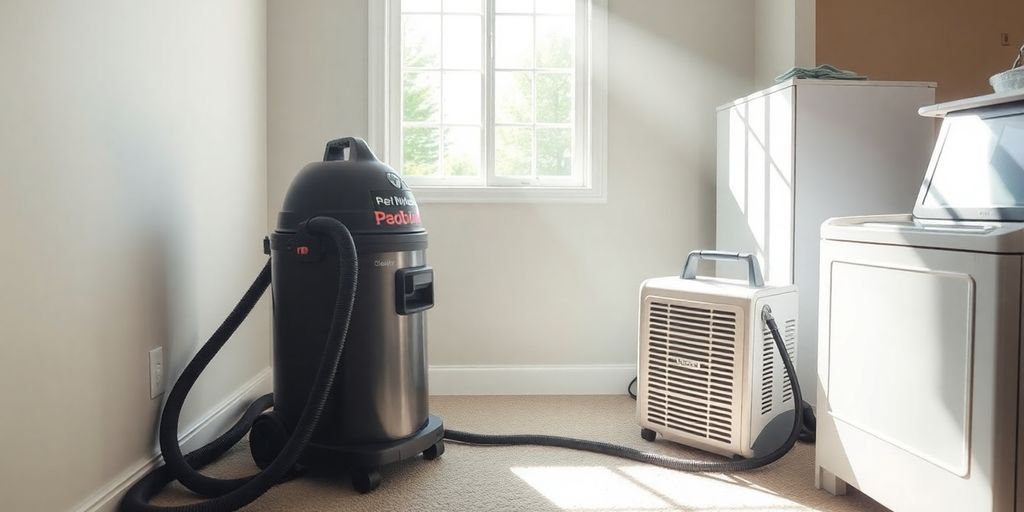
Utilizing Wet/Dry Vacuums for Quick Cleanup
When water invades your home, acting fast is key. A wet/dry vacuum is a handy tool for this. These vacuums can suck up a lot of water quickly—up to 10 gallons a minute. You can buy one, or if it’s a one-time thing, just rent it from a local hardware store. It’s a lifesaver for those big spills and can save your back from all that bending and scooping.
Removing Damp Carpets and Flooring
Once water hits the floor, it’s time to assess the damage. Carpets and certain types of flooring, like stone tiles, can trap moisture, making them a breeding ground for mold. If the damage is severe, you might need to rip out the affected areas. But if it’s not too bad, sometimes a good drying with household items like baking soda can do the trick. Remember, keeping your floors dry helps keep mold away.
Using Towels for Initial Drying
Before you start with any heavy-duty equipment, grab some towels. Lay them down to soak up as much water as you can from floors and furniture. This simple step lets you see how bad things really are and plan your next move. Even if the damage isn’t huge, it’s smart to regularly dry spots that collect moisture, like bathroom floors and window sills.
Quick action with simple tools can prevent a small water issue from turning into a big mold problem. Don’t underestimate the power of a towel in the fight against dampness!
Maintaining Low Humidity Levels
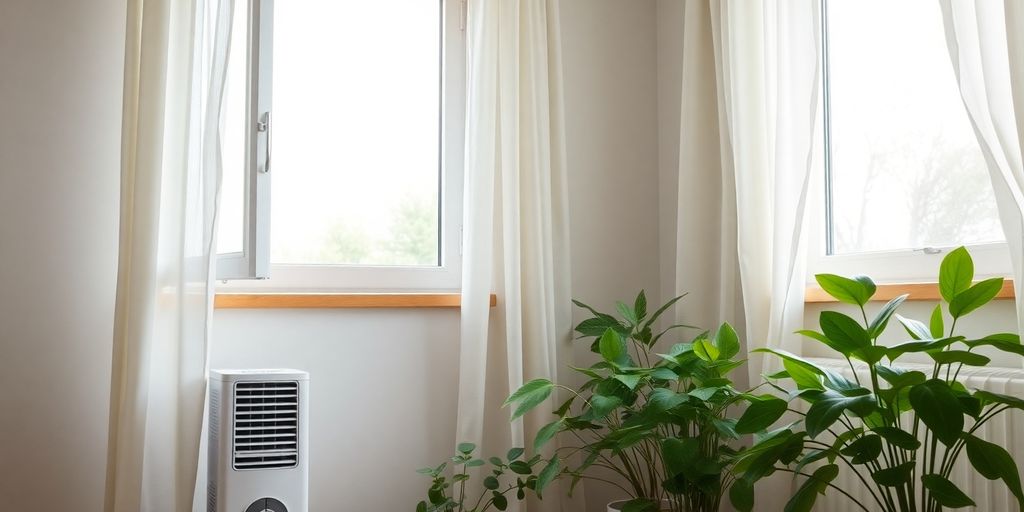
Keeping your home’s humidity in check is a straightforward way to fend off mold. High humidity makes it easy for mold to settle and spread, so managing it is key.
The Role of Dehumidifiers in Mold Prevention
Dehumidifiers are like the unsung heroes in the battle against mold. They pull moisture from the air, reducing the humidity level in your home. This is especially useful in areas prone to dampness, like basements and bathrooms. By maintaining a lower humidity level, dehumidifiers help create an environment where mold struggles to grow. Keeping your home’s humidity below 60% is a good target—this makes it tough for mold to thrive.
Understanding Relative Humidity
Relative humidity is a measure of how much moisture is in the air compared to the maximum amount of moisture the air can hold at a certain temperature. It’s usually expressed as a percentage. For example, if the air is holding half the moisture it can at a given temperature, the relative humidity is 50%. Aiming for a relative humidity between 30% and 50% is ideal for comfort and mold prevention. You can measure this with a simple humidity meter.
Ventilating Humid Areas Effectively
Proper ventilation is crucial in keeping humidity levels down. Use exhaust fans in the kitchen and bathroom to whisk away moisture from cooking and showers. If the weather permits, open windows to let fresh air circulate. Just be cautious not to let in more humidity from outside. Ceiling fans can also help by improving air circulation. Remember, the goal is to keep the air moving and moisture levels low to prevent mold from finding a foothold.
Identifying and Addressing Water Sources
Inspecting for Leaky Pipes and Faucets
First things first, let’s talk about pipes and faucets. These are the usual suspects when it comes to water leaks in your home. Regular inspections are key. Check under sinks, around toilets, and even in the basement if you have one. Look for any signs of moisture or discoloration on walls and ceilings. If you spot a leak, don’t wait! Fix it immediately. You might need a plumber, or you could try a DIY fix if you’re handy with tools.
Checking HVAC Systems for Water Damage
Your HVAC system can be a sneaky source of water issues. Condensation can build up, especially if the system isn’t running efficiently. Make sure to check the drain pans and the condensate lines regularly. If they’re clogged or overflowing, it could lead to water damage. Keep the filters clean and schedule regular maintenance to avoid these problems.
Ensuring Proper Drainage Around the Home
Proper drainage is crucial to keeping water away from your home’s foundation. Here are a few steps you can take:
- Ensure gutters and downspouts are clear and direct water away from the house.
- Consider grading the landscape so water naturally flows away from your home.
- Install a French drain if necessary to divert water from areas prone to flooding.
Poor drainage can lead to serious problems like foundation damage and basement flooding. It’s better to address these issues sooner rather than later.
Cleaning and Disinfecting Affected Areas
Using Bleach Solutions for Surface Cleaning
When dealing with water damage, it’s crucial to clean and disinfect affected areas thoroughly. A common method is using a bleach solution, which is effective in killing both bacteria and fungi. Bleach is a powerful disinfectant that can eliminate mold spores on surfaces like walls, floors, and baseboards. To make a bleach solution, mix one cup of bleach with a gallon of water. Apply it carefully to the surfaces, making sure to ventilate the area well to avoid inhaling fumes.
Disposing of Waterlogged Materials
After a flood or leak, any waterlogged items like carpets, furniture, or drywall need to be removed from the home. Mold can quickly take hold on damp materials, so it’s important to act fast. Items that are heavily soaked and cannot be dried quickly should be discarded to prevent mold growth. This includes things like rugs, upholstered furniture, and books.
Thoroughly Disinfecting Walls and Floors
Once you’ve cleaned the surfaces and removed any unsalvageable items, it’s time to focus on disinfecting. Use a strong disinfectant to clean walls and floors thoroughly. This step is essential to ensure that any remaining mold spores are killed. Pay special attention to corners and hidden areas where mold might thrive. In some cases, hiring professionals might be necessary to ensure that all areas are properly treated.
Quick action is key when dealing with water damage. By promptly cleaning and disinfecting affected areas, you can significantly reduce the risk of mold growth and protect your home from further damage. If the task feels overwhelming, consider reaching out to specialists like those at Ruach who offer comprehensive home services, including mold remediation.
Recognizing Types of Mold and Their Risks
Common Household Molds to Watch For
When dealing with water damage, it’s important to know what types of mold might pop up. Aspergillus is one of the more common ones. It’s tricky because it comes in a bunch of colors, not just the typical black or green. Then there’s Stachybotrys, often called black mold. This one’s notorious for being slimy and dark, usually hanging out in super moist places like bathrooms. Lastly, keep an eye out for Cladosporium, which tends to trigger allergies more than others.
Health Risks Associated with Mold Exposure
Mold isn’t just gross; it can mess with your health. Breathing in mold spores can lead to sneezing, coughing, itchy eyes, and even headaches. If you’re prone to allergies, mold can make things worse, causing tightness in the chest or even trouble breathing. Kids and older folks are especially at risk, so it’s crucial to address mold issues quickly.
Identifying Mold Growth Locations
Mold loves damp, dark spots. You might find it in your bathroom, around leaky windows, or even in the basement. Places with poor ventilation and high humidity are prime real estate for mold. Check around sinks, behind toilets, and in corners where water might collect. If your home has had water damage, be extra vigilant about inspecting these areas regularly.
Mold can be sneaky, showing up when you least expect it. Keeping an eye on potential hotspots and addressing leaks or dampness quickly can save you a lot of trouble down the line.
Implementing Regular Maintenance Practices
Routine Inspections for Water Damage
Regular checks around your home for signs of water damage can save you a lot of trouble down the road. Keep an eye out for leaks, especially around windows, doors, and roofs. Look for water stains on ceilings or walls, which might indicate a hidden leak. If you spot any signs of water damage, address them immediately to prevent mold growth.
Cleaning Gutters and Downspouts
Cleaning your gutters and downspouts might not be the most fun chore, but it’s super important. Clogged gutters can cause water to overflow and pool around your home’s foundation, leading to potential water damage. Make it a habit to clear them out, especially after heavy rains or in the fall when leaves are everywhere. Consider installing gutter guards to minimize debris buildup and ensure water flows freely away from your home.
Using Exhaust Fans in Moisture-Prone Areas
Exhaust fans are your best friend in places like bathrooms and kitchens where moisture tends to build up. They help reduce humidity levels, making it harder for mold to thrive. Always turn on the fan while showering or cooking, and leave it running for a few minutes after you’re done. If you don’t have exhaust fans, think about installing them to help keep these areas dry and mold-free.
Regular maintenance isn’t just about fixing things when they break. It’s about staying ahead of problems before they start. By keeping up with these tasks, you can help protect your home from water damage and the mold issues that often follow.
Taking Immediate Action After Water Damage
Assessing Damage Quickly
When water damage strikes, speed is your best friend. The first thing you should do is identify the source of the water and stop it if possible. Whether it’s a burst pipe or a leaky roof, cutting off the water supply prevents further damage. Once the water flow is controlled, quickly assess the extent of the damage. You might need to move furniture and other items to get a clear view of the affected areas.
Prioritizing Cleanup of Black and Gray Water
Not all water is the same when it comes to damage. Black water, which is contaminated and can include sewage, poses health risks and needs immediate attention. Gray water, while less hazardous, still requires prompt cleanup. Here’s a quick list to help prioritize:
- Black Water: Contact professionals immediately; do not attempt to clean this yourself.
- Gray Water: Can be managed with protective gear and proper cleaning solutions.
- Clean Water: Typically from broken pipes; still requires fast action to prevent mold.
Documenting Damage for Insurance Claims
Before you start cleaning up, take time to document the damage. Use your phone to take pictures and videos of everything—damaged items, water levels, and any visible structural damage. This documentation will be essential for insurance claims. Make sure to note the date and time of each photo. Keep a record of all your communications with your insurance company, and any professional services you hire for cleanup or repairs.
Quick action after water damage is crucial. It not only limits the damage but also helps in preventing mold growth, which can start as soon as 24 hours after exposure to moisture. Acting fast can save you a lot of trouble down the line.
If your home has suffered from water damage, it’s crucial to act fast. Start by turning off the water supply and unplugging any electrical devices in the affected areas. After that, reach out to a professional for help. At Ruach Home Services, we specialize in restoring homes after water damage. Don’t wait—visit our website to learn more and get the assistance you need today!
Wrapping It Up: Keep Mold at Bay
So, there you have it. Keeping mold out of your home after a water leak isn’t rocket science, but it does take a bit of effort and attention. Dry things out quickly, keep the air moving, and don’t let damp stuff hang around. Remember, mold loves moisture, so your best bet is to keep things dry and clean. If you ever find yourself dealing with a leak, act fast. Get rid of the water, dry everything thoroughly, and use a dehumidifier if you need to. It’s all about staying on top of things and not letting mold get a foothold. With these steps, you can keep your home safe and mold-free. Stay vigilant, and you’ll be just fine.
Frequently Asked Questions
Why is it important to dry wet areas quickly?
Drying wet areas quickly helps stop mold from growing. Mold loves damp places, so the faster you dry things, the less chance mold has to grow.
What is black water and why should it be cleaned first?
Black water is really dirty water and can have germs from waste. It’s important to clean it first because it’s dangerous and can cause mold to grow.
How can I keep humidity levels low in my home?
You can use a dehumidifier to take extra moisture out of the air. Also, opening windows and using fans helps keep the air dry.
What should I do with water-damaged items?
If items like carpets or furniture get wet, it’s best to remove them. Mold can grow on these items, so getting rid of them helps stop mold.
Why is mold dangerous to health?
Mold can make people sick, especially if they have allergies. It can cause coughing, sneezing, and other health problems.
What are some common places to find mold after water damage?
Mold often grows in places like behind walls, under carpets, or around windows where it’s damp and warm.