
Detecting and fixing water leaks in your home is crucial to avoid expensive repairs and high water bills. By being proactive and understanding your water system, you can spot leaks early and take action before they become major issues. Here are some essential tips to help you identify and repair home water leaks effectively.
Key Takeaways
- Know your home’s water system layout to identify leaks quickly.
- Monitor your water bills for unexpected increases that may indicate a leak.
- Regularly check appliances for leaks to prevent water damage.
- Use simple tests like food coloring in toilets to detect hidden leaks.
- Inspect outdoor areas and systems to catch leaks before they escalate.
Understanding Your Home’s Water System
Understanding your home’s water system is crucial for spotting leaks early. Here are some key areas to focus on:
Familiarity With Water Paths
Knowing where your water pipes run helps you quickly find the source of leaks. If you see a wet spot on a wall, understanding the layout can help you determine if it’s a plumbing issue.
Main Water Shut-off Valve Importance
Knowing where the main water shut-off valve is located is vital. If you find a leak, you can quickly turn off the water to prevent further damage until repairs are made.
Water Meter Insights
Being able to read your water meter is important for leak detection. By checking the meter before and after a period of no water use, you can see if water is still flowing, which might indicate a leak.
Preventative Maintenance Checks
Regular checks on areas prone to leaks, such as under sinks and around appliances, can help catch problems early. Here are some areas to inspect:
- Under sinks
- Around appliance connections
- At hose bibs
Knowing your water system makes you the first line of defense against leaks, leading to quicker responses and less damage.
By being aware of these aspects, you can save yourself from costly repairs and ensure your home remains safe and dry. Remember, efficient troubleshooting is key to maintaining your home’s plumbing system.
Monitoring Water Bills for Leak Detection
Keeping an eye on your water bills is a smart way to catch leaks before they become big problems. Here’s why it matters:
Unexplained Increase in Water Usage
- Track your bills to know what’s normal for your home. If you see a sudden jump in your bill without using more water, it might mean there’s a hidden leak.
- Regularly comparing your bills helps you spot these anomalies.
Cost Savings Through Early Detection
- Finding leaks early can save you money. Even a small leak can waste a lot of water, leading to higher bills.
- The sooner you find the leak, the more you can save on repairs and water costs.
Subtle Changes as Leak Indicators
- Some leaks are very slow, and you might not see any signs right away. Your water bill could be the first clue that something is wrong.
- Don’t ignore a higher-than-usual bill; it’s a chance to check for leaks.
Monitoring your water bills is a simple yet effective way to protect your home and wallet from the hidden costs of leaks.
By staying aware of your water usage, you can catch leaks early and avoid costly repairs later on. Remember, a little attention now can save you a lot later!
Regular Inspection of Household Appliances
Common Leak Sources in Appliances
Regularly checking your household appliances is essential to prevent water leaks. Here are some common sources:
- Washing machines: Look for worn hoses or loose connections.
- Dishwashers: Inspect door seals and hoses for any signs of wear.
- Water heaters: Check for rust or moisture around the base.
Preventing Water Damage
Preventing water damage is crucial for maintaining your home. Here are some tips:
- Schedule regular inspections of appliances.
- Replace old hoses and seals proactively.
- Keep an eye out for unusual moisture or puddles.
Mold and Mildew Prevention
To avoid mold and mildew, ensure that any leaks are addressed quickly. Here are some steps to take:
- Dry wet areas immediately to prevent mold growth.
- Use a dehumidifier in damp areas.
- Regularly clean and inspect areas prone to moisture.
Regular inspections can save you from costly repairs and keep your home safe from water damage.
By being proactive and vigilant, you can catch leaks early and protect your home effectively. Remember, monitor the water meter to detect a leak in your house. Turn off all the appliances like the washing machine, dishwasher, heater, and garbage disposal, along with checking for any signs of moisture around your appliances.
Utilizing Simple Tests for Leak Detection
Food Coloring Toilet Leak Test
One of the easiest ways to check for leaks in your toilet is by using food coloring. Simply add a few drops of food coloring into the toilet tank and wait for about 15-30 minutes. If you see colored water in the bowl, it means there’s a leak. This method is quick and effective for identifying leaks that often go unnoticed.
Listening for Running Water
Another simple test is to listen for any sounds of running water. If you hear water running when all taps are off, it could indicate a leak somewhere in your plumbing. Pay attention to these sounds, as they can help you find hidden leaks before they cause major damage.
Visual Inspection for Mildew and Mold
Regularly check for signs of mildew and mold, especially in areas like bathrooms and kitchens. These can be indicators of persistent moisture due to leaks. Look for damp spots, discoloration, or any unusual growths. If you find any, it’s time to investigate further.
Regularly performing these simple tests can help you detect water leaks early, thus preventing further damage and significant water wastage.
By using these methods, you can keep your home safe from the costly effects of water leaks. Remember, early detection is key!
Outdoor Leak Detection and Prevention
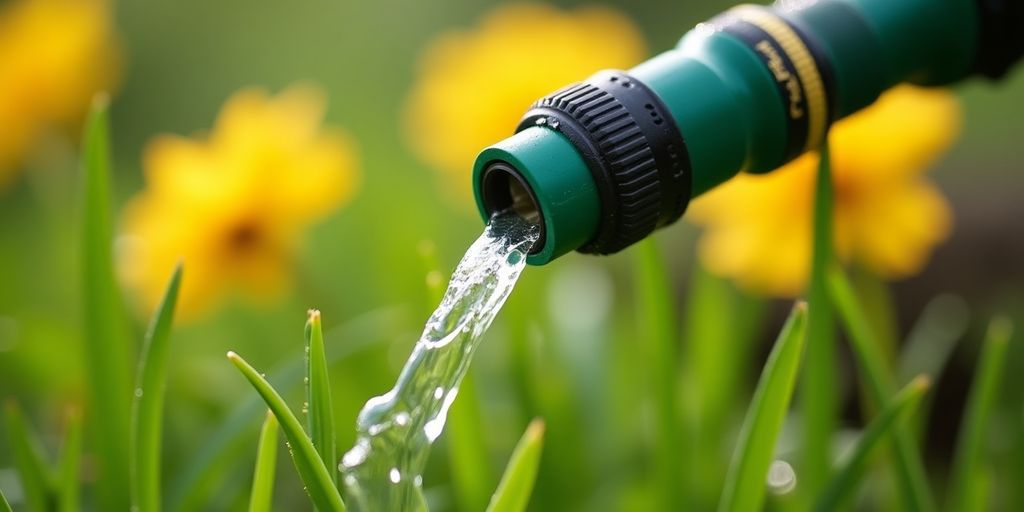
Inspecting Garden Hoses and Spigots
Outdoor leaks can often go unnoticed, but they can waste a lot of water. Regularly check your garden hoses and spigots for any signs of leaks. Look for wet spots or puddles around these areas, as they can indicate a problem. Here are some tips to help you:
- Inspect hoses for cracks or holes.
- Ensure spigots are tightly closed when not in use.
- Replace any damaged hoses immediately.
Checking Sprinkler Systems
Sprinkler systems are another common source of outdoor leaks. They can develop leaks that are hard to see, especially if they are underground. To prevent issues:
- Test your sprinkler system regularly.
- Look for areas in your yard that are overly wet or have grass that is greener than the rest.
- Adjust sprinkler heads to avoid watering sidewalks or driveways.
Addressing External Piping Issues
Pipes that run outside your home can also leak. Inspect these pipes for any signs of damage. Here’s what to do:
- Look for rust or corrosion on the pipes.
- Check for any unusual puddles in your yard, especially after it hasn’t rained.
- If you notice a drop in water pressure, it might be time to check for leaks.
Detecting and fixing outdoor leaks early can save you money and help conserve water.
Responding to Detected Leaks
Identifying the Leak Source
When you find a leak, the first step is to identify where it’s coming from. This can be tricky, but here are some common areas to check:
- Under sinks
- Around toilets
- Behind appliances
DIY Temporary Fixes
If you can locate the leak, you might be able to do a quick fix yourself. Here are some temporary solutions:
- Use duct tape to cover small leaks.
- Turn off the water supply to the affected area.
- Place a bucket under the leak to catch any dripping water.
When to Call a Professional
If the leak is severe or you can’t find the source, it’s time to call a professional plumber. It is essential to engage a licensed plumber to handle the repairs. They have the experience and tools necessary to fix the problem properly. Here are signs that you should call for help:
- Water damage is spreading.
- You hear water running when no taps are on.
- You see mold or mildew forming.
Remember, addressing leaks quickly can save you from costly repairs and water damage in the future!
The Importance of Water Pressure Testing
Testing your water pressure is a key step in finding leaks early. It helps you spot small leaks, keep your plumbing system strong, and protect your appliances. Here’s why it matters:
Identifying Subtle Leaks
- Reduced water pressure can be one of the first signs of a leak, especially if it’s small and hard to see.
- Regular checks can help you catch these leaks before they become bigger problems.
Ensuring System Integrity
- Proper water pressure means your plumbing is working well. If the pressure is off, it might mean there are issues like pipe damage or leaks.
- Keeping an eye on pressure helps you maintain a healthy plumbing system.
Protecting Home Appliances
- Many appliances need a certain water pressure to work right. If the pressure is too high or too low, it can damage them.
- By testing the pressure, you can prevent appliance breakdowns and save money on repairs.
| Pressure Level | Description | Action Needed |
|---|---|---|
| 40-60 psi | Ideal for most homes | No action needed |
| Below 40 psi | Low pressure | Check for leaks |
| Above 60 psi | High pressure | Install a regulator |
Regular water pressure testing is essential for keeping your home safe and your plumbing system in good shape. Don’t wait for a problem to arise; check your pressure today!
Water pressure testing is crucial for keeping your plumbing system in good shape. It helps identify leaks and ensures that your water supply is safe and efficient. If you want to learn more about how we can help with your water pressure testing needs, visit our website today!
Final Thoughts on Water Leak Detection and Repair
In conclusion, keeping an eye out for water leaks in your home is really important. By knowing how your water system works and watching your water bills, you can catch leaks early. Simple checks, like listening for dripping sounds or looking for wet spots, can save you a lot of money and trouble. If you notice any signs of a leak, don’t wait too long to fix it. Taking action quickly can prevent bigger problems down the road. Remember, a little effort now can keep your home safe and your wallet happy!
Frequently Asked Questions
What are the signs of a water leak in my home?
Look for damp spots on walls or ceilings, peeling paint, or musty smells. Also, check your water bill for sudden increases.
How can I check for leaks in my toilet?
You can add a few drops of food coloring to the toilet tank. If the color appears in the bowl after 30 minutes without flushing, there’s a leak.
Why is it important to know where my main water shut-off valve is?
Knowing the location of the main shut-off valve helps you quickly stop water flow in case of a leak, preventing further damage.
What should I do if I find a leak?
First, try to identify the source of the leak. You can make temporary fixes or call a plumber for help if it’s too big or complicated.
How can I prevent leaks in my appliances?
Regularly check hoses and connections on appliances like washing machines and dishwashers for wear and tear, and replace them if needed.
What role does monitoring my water bill play in detecting leaks?
Keeping an eye on your water bill helps you notice unusual increases in water usage, which can indicate a hidden leak.