
Taking on DIY repair projects can seem scary at first, but the truth is that many tasks around your home are easier than they look. By starting with smaller projects, you can build your skills and confidence over time. Whether you’re fixing a leaky faucet or painting a room, each task completed will make you feel proud and capable. This guide offers essential tips to help you tackle DIY projects with assurance and creativity, transforming your living space into a place that truly feels like home.
Key Takeaways
- Start with simple projects to build your skills and confidence.
- Gather the right tools before starting any DIY task.
- Don’t be afraid to make mistakes; they are part of learning.
- Research your projects thoroughly to understand what’s involved.
- Always prioritize safety by using protective gear and following instructions.
Building Confidence with Small DIY Projects
Starting with small DIY projects is a great way to build your skills and confidence. You don’t need to be a pro to make improvements in your home! Here are some tips to help you get started:
Choosing the Right Starter Projects
- Begin with simple tasks like painting a room or hanging a picture.
- Consider projects that require minimal tools and materials.
- Look for ideas that excite you and fit your skill level.
Gathering Essential Tools and Materials
- Make sure you have basic tools like a hammer, screwdriver, and measuring tape.
- You can often borrow tools from friends or rent them from local stores.
- Keep a checklist of materials needed for each project to stay organized.
Learning from Mistakes and Successes
- Don’t be afraid to make mistakes; they are part of the learning process.
- Celebrate your successes, no matter how small they may seem.
- Keep a journal of what you learn from each project to track your progress.
Starting small can lead to big changes in your home and your confidence. With each project, you’ll feel more capable and ready to tackle bigger challenges. Remember, even the pros started somewhere!
By taking these steps, you can transform your home and build your confidence with every project you complete. Whether it’s fixing a leaky faucet or painting a room, each task will help you grow your skills and feel proud of your accomplishments. Don’t forget, Ruach Home Services offers comprehensive home remodeling solutions if you ever need a hand!
Mastering Basic Home Repairs
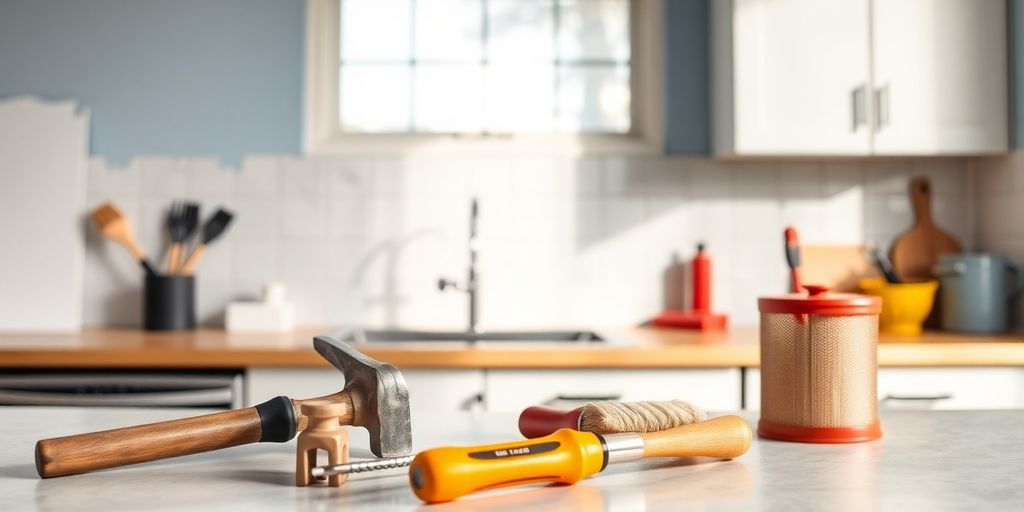
When it comes to home maintenance, knowing how to tackle basic repairs can save you time and money. Mastering these skills will empower you to handle common issues confidently. Here are some essential repairs every homeowner should learn:
Fixing Leaky Faucets and Pipes
- Identify the source of the leak. It could be a worn-out washer or a loose connection.
- Turn off the water supply before starting any repairs.
- Use a wrench to tighten connections or replace parts as needed.
Repairing Drywall Cracks and Holes
- Clean the area around the crack or hole.
- Apply a patch or joint compound to fill the space.
- Once dry, sand it smooth and paint over to match the wall.
Unclogging Drains Effectively
- Start with a plunger to dislodge the blockage.
- If that doesn’t work, try a drain snake to remove debris.
- For stubborn clogs, a mixture of baking soda and vinegar can help break down buildup.
Remember, tackling these repairs not only improves your home but also builds your confidence in DIY projects.
By mastering these basic repairs, you can maintain your home effectively and avoid costly professional help. Each small project you complete will add to your skills and confidence, making you more prepared for bigger challenges in the future.
Start small and gradually take on more complex tasks as you gain experience.
Enhancing Your Home’s Interior
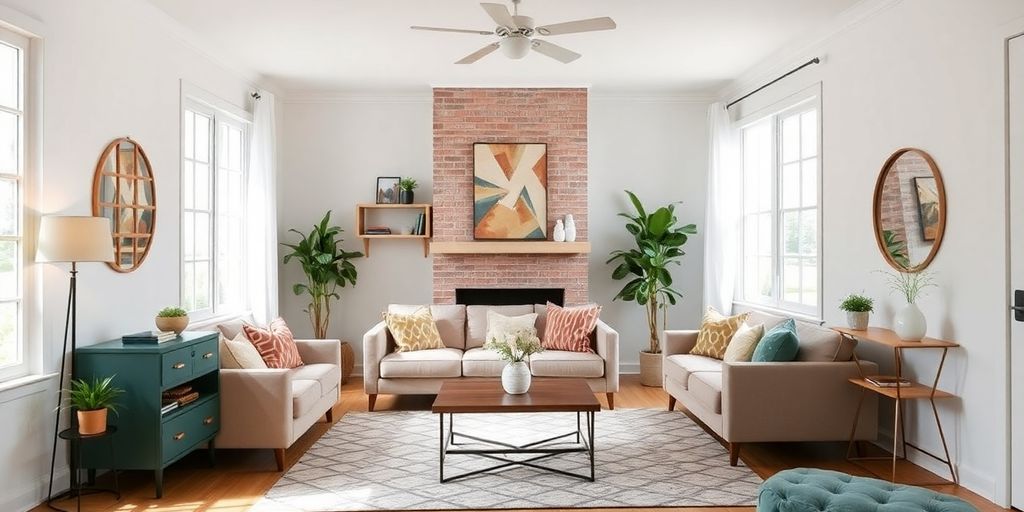
Painting Walls and Ceilings
A fresh coat of paint can completely change the look of a room. Choose colors that reflect your style and make the space feel inviting. Here are some tips:
- Start with a small area to practice.
- Use painter’s tape for clean edges.
- Invest in quality brushes and rollers for a smooth finish.
Installing New Light Fixtures
Updating light fixtures is a simple way to enhance your home’s ambiance. Consider these steps:
- Turn off the power before starting.
- Choose fixtures that match your decor style.
- Follow the manufacturer’s instructions for installation.
Upgrading Cabinet Hardware
Replacing cabinet knobs and pulls can give your kitchen or bathroom a quick facelift. Here’s how to do it:
- Select hardware that complements your cabinets.
- Use a drill to remove old hardware and install new ones.
- Ensure everything is aligned properly for a polished look.
By becoming familiar with these home DIY basics, you will be able to enhance your home’s functionality while also becoming more independent, lessening your reliance on professional callouts. Your home – and your budget – will thank you.
In summary, enhancing your home’s interior can be both fun and rewarding. With a few simple projects, you can create a space that truly reflects your personality and style. Remember, planning is key to achieving the best results!
Outdoor DIY Projects for Curb Appeal
Enhancing your home’s exterior can significantly boost its curb appeal. Here are some great projects to consider:
Maintaining Your Lawn and Garden
- Regular mowing keeps your lawn looking neat.
- Watering early in the morning helps prevent evaporation.
- Adding flower beds can make a big impact on your home’s appearance.
Building a Simple Deck or Patio
Creating a deck or patio can provide a perfect spot for relaxation and gatherings. Here’s how to get started:
- Plan your space: Decide on the size and location.
- Gather materials: Wood, nails, and tools are essential.
- Follow a simple design to ensure stability and safety.
Repairing and Painting Fences
A fresh coat of paint can transform an old fence. Here’s a quick guide:
- Inspect for damage: Look for loose boards or rust.
- Clean the surface: Remove dirt and old paint.
- Apply a weather-resistant paint for durability.
Remember: Small changes can lead to a big difference in how your home looks from the street.
By tackling these outdoor projects, you can enhance your home’s charm and make it more inviting for guests.
Safety Tips for DIY Home Repairs
When tackling DIY home repairs, safety should always come first. Here are some essential tips to keep you safe while working on your projects:
Wearing Proper Protective Gear
- Always wear safety goggles to protect your eyes from dust and debris.
- Use gloves to prevent cuts and scrapes on your hands.
- Consider wearing a mask if you’re working with materials that produce dust or fumes.
Understanding Electrical Safety
- Always turn off the power at the circuit breaker before starting any electrical work.
- Use a voltage tester to ensure that wires are not live before touching them.
- If you’re unsure about any electrical repairs, it’s best to call a professional.
Using Tools Correctly and Safely
- Read the instruction manual for each tool before use to understand its proper operation.
- Keep your workspace tidy to avoid tripping hazards.
- Store tools safely when not in use to prevent accidents.
Remember, taking the time to prioritize safety can prevent injuries and make your DIY projects more enjoyable.
By following these safety tips, you can confidently tackle your home repairs while minimizing risks. Always keep in mind that if a project feels too complicated or dangerous, it’s wise to seek help from professionals who offer remodeling services to ensure quality and safety in your home.
Planning and Budgeting for DIY Projects
When it comes to DIY projects, planning and budgeting are key to success. Here are some essential tips to help you get started:
Setting Realistic Goals and Timelines
- Start Small: Choose projects that are manageable and won’t overwhelm you.
- Create a Timeline: Estimate how long each project will take and set deadlines.
- Be Flexible: Allow for unexpected delays or challenges.
Estimating Costs and Saving Money
| Item | Estimated Cost | Tips for Savings |
|---|---|---|
| Tools | $50 – $200 | Rent tools instead of buying. |
| Materials | $20 – $500 | Buy in bulk or during sales. |
| Miscellaneous Supplies | $10 – $100 | Use what you already have. |
Prioritizing Projects for Maximum Impact
- Focus on projects that will enhance your home’s value.
- Consider the time and money each project will require.
- Tackle projects that will improve your daily life first.
Remember, every project is a learning experience. Embrace the process and enjoy transforming your home with confidence!
Advanced DIY Techniques for Experienced Homeowners
Tiling Floors and Backsplashes
Tiling can seem tricky, but with the right approach, you can achieve a professional look. Start by measuring your space accurately to determine how many tiles you need. Here’s a simple process to follow:
- Prepare the surface by cleaning and leveling it.
- Apply adhesive evenly using a notched trowel.
- Lay the tiles, ensuring they are spaced correctly with spacers.
- Once set, grout the tiles and clean any excess.
Installing Crown Molding
Adding crown molding can elevate the look of any room. To install it:
- Measure the walls and cut the molding at a 45-degree angle.
- Use a miter saw for precise cuts.
- Secure the molding with finishing nails and fill any gaps with caulk.
- Finish with paint or stain to match your decor.
Refinishing Hardwood Floors
Refinishing your hardwood floors can bring them back to life. Here’s how:
- Clear the room of furniture and cover vents.
- Sand the floors to remove the old finish.
- Clean the dust thoroughly before applying a new finish.
- Apply the finish in thin layers, allowing each to dry completely.
Remember, practice makes perfect! Each project you tackle builds your skills and confidence.
With these advanced techniques, you can take on more challenging projects and truly transform your home. Don’t forget to check out our new homeowner’s guide for more tips and checklists to help you along the way!
If you’re an experienced homeowner looking to take your DIY skills to the next level, explore our advanced techniques that can transform your projects. Don’t miss out on the chance to enhance your home with expert tips and tricks. Visit our website today for more information!
Final Thoughts on DIY Home Repairs
In conclusion, tackling DIY home repair projects can be both fun and rewarding. While some tasks may seem tough at first, remember that many of them are manageable with a little patience and practice. Start with simple jobs to build your skills and confidence. Don’t hesitate to do your research before diving into a project, as knowing what to expect can make a big difference. And if you ever feel stuck, it’s okay to ask for help. With time, you’ll find that you can transform your home into a space you love, all while saving money and gaining valuable experience. So roll up your sleeves, grab your tools, and enjoy the journey of making your home better!
Frequently Asked Questions
What are some easy DIY projects for beginners?
Some simple projects include painting a room, changing cabinet hardware, and fixing small holes in drywall.
How do I choose the right tools for my DIY projects?
Start with basic tools like a hammer, screwdrivers, and a measuring tape. You can add more as you take on bigger projects.
What should I do if I make a mistake during a project?
Mistakes are part of learning! Take your time to fix it, or ask for help if you need it.
How can I ensure my safety while doing DIY repairs?
Always wear protective gear like gloves and goggles, and make sure you understand how to use your tools safely.
What is the best way to budget for DIY projects?
Plan your projects, estimate costs, and prioritize them based on what will have the biggest impact.
Can I handle electrical repairs myself?
Basic electrical repairs can be done by homeowners, but always turn off the power first and consult a professional if you’re unsure.