
Fixing your roof might not be the most exciting home project, but it’s definitely one of the most important. Whether you’re dealing with leaks, missing shingles, or just want to give your roof a little TLC, knowing the basics can save you a lot of headaches—and cash. In this guide, we’ll walk you through some essential tips for home roof repair that every homeowner should know. From understanding different roofing materials to deciding when it’s time to call in the pros, we’ve got you covered.
Key Takeaways
- Understand the different types of roofing materials and their pros and cons.
- Regular inspections can catch small issues before they become big problems.
- Avoid common mistakes like neglecting maintenance or choosing the wrong materials.
- Know when it’s time to DIY and when to hire a professional for roof repairs.
- Weather conditions can greatly impact your roof, so plan repairs accordingly.
Understanding Your Roof’s Material and Structure
Types of Roofing Materials
When it comes to roofing, there’s quite a variety of materials you might encounter. You’ve got your classic asphalt shingles, which are everywhere because they’re affordable and easy to install. Then, there’s metal roofing—think tin or aluminum—that’s durable and great for shedding snow. Tile roofing, often seen in warmer climates, offers a unique aesthetic and lasts a long time. Wood shakes or shingles provide a natural look, but they require more maintenance. And let’s not forget about newer options like synthetic roofing materials, which mimic the look of other materials while offering improved durability.
Pros and Cons of Each Material
Each roofing material comes with its own set of advantages and drawbacks.
- Asphalt Shingles: Affordable and easy to install, but they may not last as long as other materials.
- Metal Roofing: Long-lasting and energy-efficient, but it can be noisy during rainstorms.
- Tile Roofing: Offers a long lifespan and great fire resistance, but it’s heavy and may require extra structural support.
- Wood Shakes/Shingles: Provide a natural look and are environmentally friendly, but they can be high maintenance and susceptible to fire.
- Synthetic Roofing: Durable and versatile, but they can be more expensive upfront.
How Roof Structure Affects Repairs
The structure of your roof plays a significant role in how repairs are handled. A simple, sloped roof might be easier and cheaper to repair than a complex, multi-level roof with valleys and dormers. Understanding your roof’s structure can help you anticipate potential repair challenges. For instance, roofs with steep slopes or unique architectural features might need specialized repair techniques. Additionally, the type of support system—like trusses or rafters—can affect the roof’s resilience to damage and its ability to bear weight, especially during heavy snowfall or storms.
Remember, knowing your roof’s material and structure isn’t just about maintenance; it’s about being prepared. Whether you’re fixing a leak or planning a full replacement, this knowledge is your first line of defense against unexpected roofing woes.
For expert storm damage repair, consider services that offer comprehensive solutions, from structural repairs to mold remediation, ensuring your roof is as good as new.
Regular Roof Inspections: A Preventive Measure
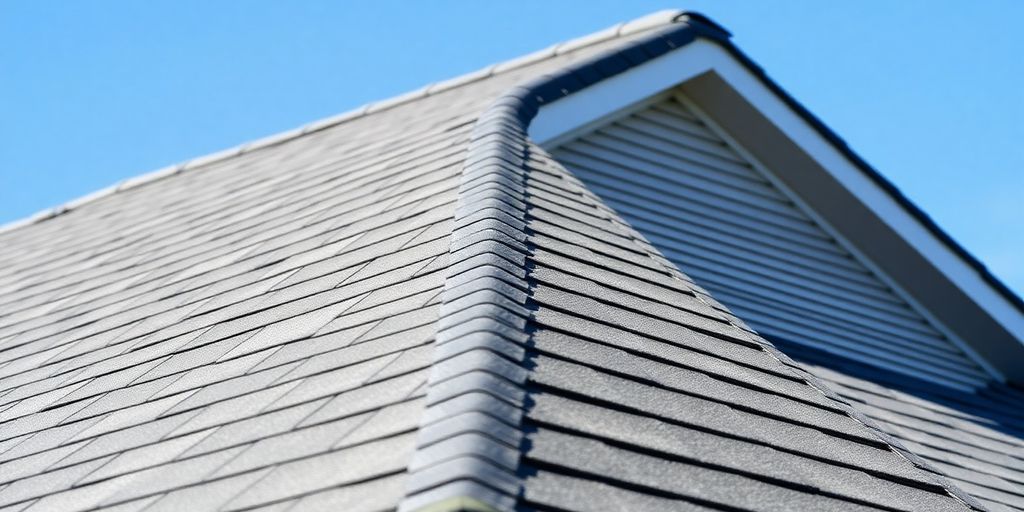
Keeping an eye on your roof might not be the most thrilling task, but it’s super important. Regular inspections can save you a ton of money and headaches down the road. Spotting issues early means you can fix them before they turn into major problems. Ideally, you should check your roof at least twice a year, once in the spring and once in the fall. During these checks, look for missing or damaged shingles, inspect the areas around vents and chimneys, and clear any debris that might have piled up. This proactive approach helps you catch issues before they escalate into something more serious.
When you’re up there inspecting, keep an eye out for early warning signs of damage. Even small things like tiny cracks or a few missing shingles can lead to big leaks if ignored. Here are some things to watch for:
- Shingles that are curling, blistering, or missing
- Rust or cracks in the flashing around chimneys and vents
- Signs of water damage or stains on your ceiling
By catching these signs early, you can prevent more extensive damage and keep your home safe and dry.
Sometimes, it’s best to call in the pros. If you’re not comfortable doing the inspection yourself or if your roof is particularly high or steep, hiring a professional is a smart move. A professional inspector can spot issues you might miss and provide a detailed assessment of your roof’s condition. They can also advise on necessary repairs or maintenance to extend the life of your roof. Plus, Bowie Home Services offers reliable solutions for roofing and siding repairs, ensuring your roof is in top shape. So, whether you’re a DIY enthusiast or prefer to leave it to the experts, regular inspections are key to maintaining a healthy roof.
Common Roofing Mistakes and How to Avoid Them
Neglecting Maintenance Tasks
One of the biggest blunders homeowners make is skipping regular maintenance on their roofs. This includes cleaning gutters and removing debris from the roof surface. These tasks might seem minor, but they are crucial in preventing water damage and extending the life of your roof. Regular upkeep can save you from costly repairs down the line.
Ignoring Minor Damages
It might be tempting to overlook small issues like a missing shingle or a tiny leak, thinking they won’t cause much harm. However, these minor damages can quickly escalate into significant problems if left unaddressed. Always keep an eye out for these issues and address them promptly to avoid bigger headaches later.
Choosing the Wrong Materials
Selecting the wrong materials for your roof can lead to a host of problems. It’s not just about picking the cheapest option. Consider durability, climate suitability, and maintenance needs. For instance, if your region experiences heavy rainfall, opting for roofing materials with excellent water resistance is wise.
- Durability: Ensure materials can withstand your local weather conditions.
- Maintenance: Some materials require more upkeep than others.
- Cost vs. Quality: Balance your budget with the long-term benefits of high-quality materials.
Taking the time to choose the right materials can make all the difference in the longevity and efficiency of your roof. Prioritize quality and suitability over price alone.
Misaligned or Improperly Fastened Flashing
A common issue that often goes unnoticed is misaligned or improperly fastened flashing. Flashing is essential in preventing leaks, especially around chimneys, vents, and skylights. Make sure the flashing is properly overlapped and securely fastened to ensure a reliable roofing system. Regular checks can prevent water from seeping in and causing damage.
DIY Roof Repairs vs. Hiring Professionals
Pros and Cons of DIY Repairs
Taking on roof repairs yourself can seem like a good way to save money. You’re not paying for labor, and with a bit of research, you might feel ready to tackle the job. However, DIY repairs come with risks. Without the right experience, you might misjudge the severity of the damage or use incorrect materials, leading to more problems down the line.
Here’s a quick rundown of what to consider:
- Cost Savings: You avoid labor costs, which can be significant.
- Control Over the Process: You’re in charge, which can be satisfying.
- Skill Requirement: Lack of expertise can lead to mistakes.
- Safety Risks: Climbing onto a roof is dangerous without proper training.
When to Call a Professional
Sometimes, the best decision is to let a pro handle it. If the damage is extensive or if you’re uncertain about the repair process, it’s wise to get help. Professionals have the tools, knowledge, and experience to fix the issue properly the first time.
- Complex Repairs: For serious damage, like structural issues or large leaks, pros are necessary.
- Safety Concerns: Avoid the risk of injury by hiring someone trained for the job.
- Warranty and Insurance: Professionals often provide warranties and are insured, offering peace of mind.
Safety Tips for DIY Enthusiasts
If you decide to go the DIY route, keep safety top of mind. Here are some tips:
- Wear the Right Gear: Use non-slip shoes and a helmet.
- Use Proper Equipment: A sturdy ladder and harness are crucial.
- Check the Weather: Avoid working on the roof during rain or high winds.
While DIY repairs can be tempting, they often require more time and effort than anticipated. Consider your skills and the complexity of the repair before deciding to do it yourself.
For those who prefer professional help, Ruach Home Services offers reliable and insured roofing solutions, ensuring your home repair needs are met with expertise and care.
Weather Considerations in Roof Repair
Impact of Weather on Roofing Materials
Weather can really mess with your roof. Rain, wind, sun, and snow each have their own way of causing trouble. Heavy rains can lead to leaks if your roof isn’t sealed properly, while strong winds might lift shingles or tiles right off. Sun exposure can make materials brittle over time, and snow can add a ton of weight. It’s vital to know what your roof is up against so you can prepare.
Preparing Your Roof for Storms
Storms are unpredictable, but you can still get ready. Here’s a quick list:
- Check for loose shingles or tiles and secure them.
- Clean out gutters to prevent water backup.
- Trim nearby trees to avoid branches falling on your roof.
These steps can help your roof stand a better chance during a storm.
Heat and Humidity Challenges
Heat and humidity are sneaky. They can warp materials and create the perfect conditions for mold. If you live in a hot or humid area, consider materials that are resistant to these conditions. Ventilation is key too. Make sure your attic has good airflow to keep things cool and dry.
Remember, your roof is your first line of defense against the elements. Taking the time to understand how weather affects it can save you a lot of hassle and money in the long run.
Essential Tools and Materials for Roof Repair
When it comes to tackling roof repairs, having the right tools is half the battle. Here’s a quick rundown of some essentials:
- Hammer and Nails: For securing loose shingles or tiles.
- Roofing Nail Gun: Speeds up the process of nailing down shingles.
- Pry Bar: Handy for removing damaged shingles.
- Caulking Gun: Essential for applying sealants around chimneys and vents.
- Tape Measure: For accurate measurements and cutting.
These tools are just the starting point. Depending on the complexity of the repair, you might need more specialized equipment.
The materials you choose can make or break your roof repair project. Investing in high-quality materials ensures durability and longevity. Consider these options:
- Asphalt Shingles: Popular for their affordability and ease of installation.
- Metal Panels: Known for their durability and longevity.
- Rubber Roofing: Offers excellent waterproofing, especially for flat roofs.
Each material has its own pros and cons, so choose what’s best for your home and climate.
Safety should never be an afterthought. Equip yourself with the right gear:
- Hard Hat: Protects against falling debris.
- Safety Harness: Essential for preventing falls from heights.
- Non-slip Boots: Provides better traction on sloped surfaces.
Remember, no roof repair is worth risking your safety. Always prioritize using the right safety gear and consider hiring professionals if the task seems too daunting.
For those looking to transform their living spaces with expert craftsmanship, Ruach Home Services offers a range of remodeling services, including roofing. Their commitment to quality ensures customer satisfaction and excellence in every project.
Steps to Effective Roof Leak Repair
Identifying the Source of Leaks
Finding the source of a roof leak is often more challenging than it seems. Water can travel from the point of entry to where it finally drips, making it tricky to pinpoint the exact spot. Start by inspecting your attic during daylight hours. Look for any areas where sunlight is peeking through or for signs of water stains and mold. Remember, a small leak can lead to a huge problem if ignored. If you’re having trouble, a garden hose can help simulate rain, allowing you to track down the leak.
Temporary vs. Permanent Fixes
When you spot a leak, deciding between a temporary or permanent fix is crucial. Temporary solutions, like tarps or plastic sheeting, can prevent immediate damage but are not a long-term answer. For a more lasting solution, consider using roofing cement or silicone caulk for minor leaks. These materials are versatile and can be applied to various roofing types. Permanent repairs might require replacing shingles or flashing, which is best handled by professionals.
Sealing and Waterproofing Techniques
Sealing your roof properly is key to preventing future leaks. Focus on high-risk areas like chimneys, vents, and skylights. Use a high-quality sealant that can withstand harsh weather conditions. Regularly inspect these areas for any signs of wear or damage. Investing in durable sealants and materials ensures your roof remains watertight for longer. Additionally, keep your gutters clean to prevent water backup, which can lead to leaks. A well-maintained roof not only protects your home but also saves you from costly repairs in the future.
A proactive approach to roof maintenance can save you from significant headaches down the line. Regular inspections and using quality materials are your best defense against leaks.
Maintaining Your Roof for Longevity
Regular Cleaning and Debris Removal
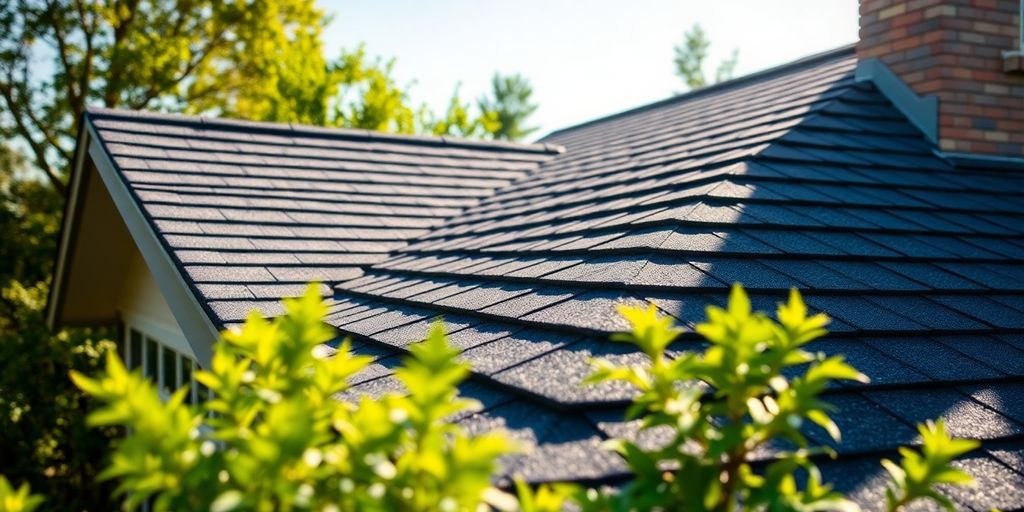
Keeping your roof clean is like brushing your teeth—it’s essential for long-term health. Regularly clear away leaves, branches, and other debris that can trap moisture and lead to rot or mold. This is especially important after a storm when debris is more likely to accumulate. Neglecting this simple task can shorten your roof’s lifespan significantly.
- Clear gutters: Ensure they are free from leaves and twigs to prevent water back-up.
- Inspect roof surface: Look for any debris that might have settled.
- Remove algae and moss: These can cause shingles to deteriorate.
Protecting Against Mold and Mildew
Mold and mildew are not just unsightly; they can cause real damage to your roof. High humidity and poor ventilation are common culprits. To protect your roof:
- Ensure proper ventilation: Check soffit and ridge vents.
- Use mold-resistant materials: When possible, choose shingles designed to resist mold growth.
- Regular inspections: Keep an eye out for early signs of mold.
Regular maintenance and inspections prevent roofline issues. Seasonal checks are effective in identifying damage.
Scheduling Professional Maintenance
Sometimes, it’s best to call in the pros. Ruach Home Services offers comprehensive roof maintenance that can spot issues you might miss. Consider scheduling a professional inspection at least once a year to catch potential problems early.
- Annual inspections: A trained eye can identify issues before they become costly repairs.
- Professional cleaning: Experts can remove stubborn mold or debris safely.
- Maintenance plans: Consider a scheduled maintenance plan to keep your roof in top shape.
By staying on top of these tasks, you can extend the life of your roof and avoid costly repairs. Remember, a little maintenance goes a long way in protecting your home.
Taking care of your roof is key to making it last longer. Regular checks for damage, cleaning out gutters, and fixing small issues can save you from big problems later. If you want to learn more about how to keep your roof in great shape, visit our website for helpful tips and expert advice!
Wrapping Up Your Roof Repair Journey
So, there you have it, folks. Tackling roof repairs might seem like a daunting task, but with a bit of know-how and some elbow grease, it’s totally doable. Remember, regular check-ups are your best friend when it comes to keeping your roof in tip-top shape. Catch those little problems before they turn into big headaches. And hey, don’t shy away from calling in the pros if things get too tricky. They’ve got the tools and the skills to get it done right. At the end of the day, a well-maintained roof means a safer, cozier home for you and your family. So, keep an eye on those shingles, and happy repairing!
Frequently Asked Questions
How often should I inspect my roof?
It’s a good idea to check your roof at least twice a year, especially after big storms, to catch any problems early.
What are the signs of roof damage?
Look out for missing shingles, water stains on your ceiling, or any sagging areas on your roof.
Can I fix my roof myself?
Small repairs might be okay for DIY, but for bigger issues or if you’re unsure, calling a professional is safer.
How long does a roof last?
Most roofs last about 20 to 30 years, but it depends on the materials and weather conditions.
What should I do if my roof leaks during a storm?
Try to cover the area with a tarp to prevent more water from coming in and call a roofer as soon as possible.
Why is regular roof maintenance important?
Regular maintenance helps catch small issues before they become big, expensive problems.