
Dealing with water damage is never fun. It can happen because of a burst pipe, a heavy storm, or even a faulty appliance. The aftermath can be stressful and overwhelming. But don’t worry, there are steps you can take to tackle the mess and get your home back to normal. This guide will walk you through the essential tips for cleaning up water damage effectively.
Key Takeaways
- Act fast to minimize damage and prevent mold growth.
- Identify the type of water damage to determine the cleanup approach.
- Use the right equipment like dehumidifiers and fans for drying.
- Document everything for insurance claims.
- Know when it’s time to call in professional help.
Understanding the Types of Water Damage
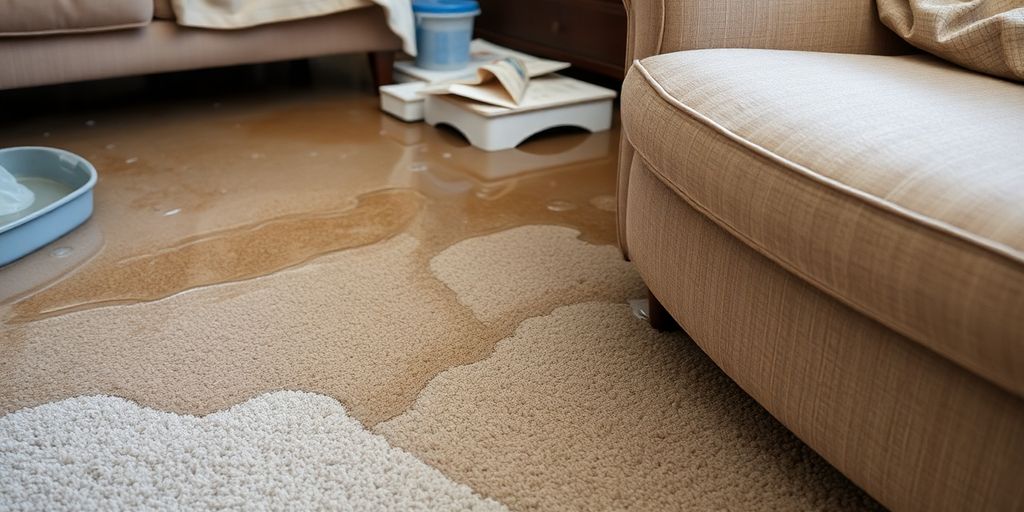
Water damage comes in different forms, and knowing what you’re dealing with is key to fixing it right. Water is classified based on its source and how clean or dirty it is. Let’s break down the three types:
Clean Water Damage
Clean water damage, also known as Category 1, comes from a clean source. This could be a broken pipe, an overflowing sink, or rainwater. It’s not harmful to humans, but that doesn’t mean you can take your time. Act fast to dry out the area and stop any mold from popping up. Here’s a quick list of what to do:
- Turn off the water source.
- Start drying the area immediately.
- Keep an eye out for mold growth.
Gray Water Damage
Gray water, or Category 2, is a bit more tricky. It’s water that has some contaminants, like from a washing machine or dishwasher. This type can make you sick if not handled carefully. Protective gear is a good idea here. You’ll want to:
- Remove the water quickly.
- Disinfect the area.
- Ventilate the space to reduce moisture.
Black Water Damage
Black water damage, or Category 3, is the worst. This water is highly contaminated, think sewage backups or floodwaters. It’s a big health risk and needs professional help. You definitely don’t want to tackle this on your own. Professionals use specialized equipment and methods to make sure everything is safe again. If you suspect black water damage, call in the pros immediately.
Understanding these types helps you know what steps to take and when to call for professional help. It’s not just about fixing damage, it’s about keeping your home safe.
Immediate Actions to Minimize Water Damage
When water damage strikes, acting quickly is crucial. Every moment counts, and the steps you take immediately can make a huge difference in the overall impact on your property.
Shut Off the Main Water Supply
The first thing you should do when you discover water damage is to shut off the main water supply. This step is vital to stop any more water from entering your home and causing further damage. Locate your main water valve and turn it off as soon as possible. This simple action can significantly reduce the amount of water that seeps into walls and floors, saving you from costly repairs later.
Remove Standing Water Quickly
Once the water supply is off, it’s time to tackle the water that’s already there. Use towels, mops, or a wet/dry vacuum to remove standing water as fast as you can. The longer water sits, the more damage it can cause, not just to your floors and walls, but also to your belongings. Don’t forget to check hidden areas like under furniture and inside closets where water might be lurking.
Increase Ventilation
After getting rid of the standing water, your next move is to increase ventilation. Open windows and doors to let fresh air circulate throughout the space. If you have fans, set them up to blow air across wet areas. This will help speed up the drying process and reduce the risk of mold growth. In cases where natural ventilation isn’t enough, consider renting industrial fans or dehumidifiers to help dry out the space more effectively.
Taking these immediate steps can greatly reduce the extent of water damage and help preserve the integrity of your home. Remember, quick action is your best defense against the long-term effects of water damage.
Effective Use of Equipment for Drying
Drying out your space after water damage can feel overwhelming, but using the right equipment can make a huge difference. Here’s how to effectively use fans, dehumidifiers, and air movers to get your home back to normal.
Positioning Fans Strategically
Fans are your go-to tool for drying out a water-damaged area. Position them smartly to maximize airflow. Try placing them in a circular pattern to create a continuous flow of air. Whether you’re using box fans or oscillating ones, keep them running non-stop to help speed up the drying process. Remember, the goal is to keep the air moving, so check the positions regularly and adjust as needed.
Choosing the Right Dehumidifier
A dehumidifier is crucial in tackling excess moisture in the air. Select one with the right capacity for your space. A small room might only need a compact unit, but larger areas will benefit from a more powerful dehumidifier. Keep an eye on the water reservoir to prevent overflow, and run it alongside your fans to enhance drying efficiency. This combo reduces the risk of mold and further damage.
Utilizing Air Movers
Air movers are like supercharged fans, designed to move air at high speed. They’re perfect for drying floors and carpets. Place them at floor level, aiming them across the wet surfaces. These machines are particularly useful for getting into those hard-to-reach spots where moisture tends to linger. By using air movers, you’re not just drying the surface but also helping to prevent potential mold growth.
When dealing with water damage, having the right tools isn’t just about efficiency; it’s about safeguarding your home from future issues. Consistent airflow and moisture control are key to a successful restoration.
If the situation feels too big to handle or you’re worried about missing something, don’t hesitate to seek professional water damage restoration services. They have the expertise and equipment to ensure everything is dried properly and restored to its original state.
Cleaning and Sanitizing Affected Areas
Disinfecting Surfaces
When it comes to cleaning up after water damage, disinfecting surfaces is crucial. Start by removing any debris and dirt. Use a mixture of warm water and a mild detergent to scrub surfaces clean. Once cleaned, apply a disinfectant to kill any bacteria or mold spores that might be lingering. Pay special attention to areas that were submerged in water, as they are more prone to contamination. It’s a good idea to wear gloves and ensure the area is well-ventilated during this process.
Using Antimicrobial Treatments
After cleaning, consider using antimicrobial treatments to further protect your home. These treatments help prevent mold and bacteria from growing back. They are especially useful in areas that are hard to dry completely, like behind walls or under floors. You can find these treatments in most hardware stores, and they are usually applied by spraying or wiping onto surfaces. Make sure to follow the instructions on the label for the best results.
Deodorizing the Space
Water damage can often leave behind unpleasant odors. To tackle this, deodorizing is essential. Start by airing out the space; open windows and doors to let fresh air circulate. You can also use deodorizers specifically designed for water damage restoration. These products neutralize odors rather than just masking them. For a natural approach, try placing bowls of white vinegar or baking soda around the affected area to absorb smells. This step not only improves air quality but also makes your home more comfortable to return to.
Documenting Damage for Insurance Claims
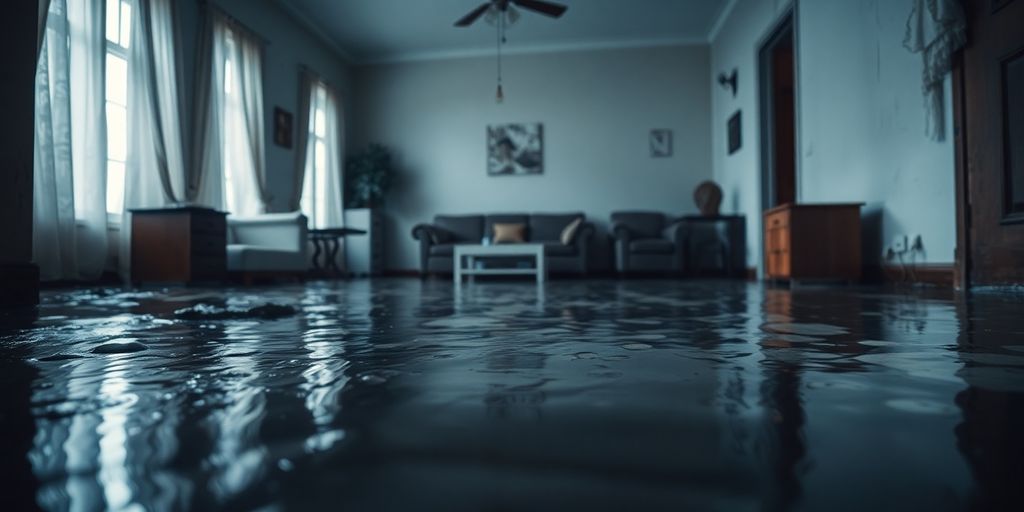
When faced with water damage, one of the first things you should do is to meticulously document everything for your insurance claims. This step is crucial to ensure that you can get the necessary compensation to cover the repair costs.
Taking Photographs and Videos
Start by taking clear photographs and videos of all the affected areas. Capture images from multiple angles to fully illustrate the extent of the damage. These visual records are invaluable when negotiating with your insurance company, as they provide undeniable proof of the situation. Remember to include close-ups of damaged items and wide shots of entire rooms, if applicable.
Keeping a Written Record
Alongside visual documentation, keep a detailed written log of all the events. Note down the date and time when the damage was first noticed, the actions you took, and any communications with professionals or your insurance company. This written record can serve as a timeline and help clarify any discrepancies that might arise during the claims process.
Filing the Insurance Claim
Once you have gathered all your evidence, it’s time to file your insurance claim. Contact your insurance provider as soon as possible to report the damage. Be ready to provide them with the documentation you’ve collected. It’s also a good idea to keep copies of all the documents you send. Filing promptly and thoroughly can significantly speed up the processing time of your claim.
Documenting your water damage meticulously not only helps in getting your insurance claim processed faster but also ensures that you are adequately compensated for all the losses incurred.
If you’re dealing with extensive damage or complex insurance policies, consider consulting a public adjuster to assist with the process. This can be especially helpful if you feel overwhelmed or unsure about handling the claim on your own. For more on handling these situations, read about effective water damage restoration.
When to Call Professional Restoration Services
Dealing with Extensive Damage
When water damage gets out of hand, it’s time to bring in the pros. Extensive damage could mean anything from a flooded basement to a soaked living room carpet. Experts have the right tools and techniques to handle these situations efficiently. They can assess the full extent of the damage, which isn’t always visible to the untrained eye. So, if you’re dealing with more than just a small puddle, it’s wise to call in the cavalry.
Handling Black Water Situations
Black water is not something to mess around with. This type of water damage involves contaminated water, often from sewage or floodwaters. It’s a health hazard, and cleaning it up on your own can be risky. Professional services are equipped to safely remove black water and sanitize the affected areas, ensuring your home is safe for you and your family.
Addressing Structural Concerns
Sometimes water damage isn’t just about wet carpets and soggy furniture. It can affect the very structure of your home. Water can seep into walls and floors, leading to potential structural issues. When you suspect that the damage has compromised the integrity of your home, don’t hesitate to reach out to professionals. They can provide a thorough assessment and recommend the best course of action to restore your home to its former glory.
Feeling overwhelmed by water damage? You’re not alone. Many homeowners face this challenge and find relief by turning to professional restoration services. It’s not just about fixing what’s broken; it’s about protecting your home and your peace of mind.
If you find yourself in need of expert guidance, consider reaching out to Ruach Home Services for comprehensive water damage restoration and remodeling support in Arlington, Virginia. Their team is ready to help you navigate through the restoration process with ease.
Preventing Future Water Damage
Regular Plumbing Maintenance
Keeping an eye on your plumbing is like giving your home a health check-up. Pipes get old, and leaks can sneak up when you least expect them. Regular maintenance is key. Here’s what you should do:
- Inspect pipes for signs of wear and tear.
- Fix leaks as soon as you spot them.
- Unclog drains regularly to prevent water buildup.
Regular checks can save you from a big headache later on. If you notice anything odd, like damp spots or a musty smell, take action right away.
"Maintaining your plumbing system isn’t just about fixing what’s broken—it’s about keeping everything running smoothly to prevent future mishaps."
Installing Sump Pumps and Water Alarms
Think of sump pumps and water alarms as your home’s early warning system. They help keep water at bay and alert you when something’s amiss. Here’s why they’re helpful:
- Sump pumps keep your basement dry by pumping water out.
- Water alarms sound off when they detect leaks.
- Backflow valves prevent water from flowing the wrong way.
These tools are especially handy if you live in a flood-prone area. They give you peace of mind knowing you’re prepared for unexpected water issues.
Investing in Flood Insurance
No one likes to think about floods, but being prepared is smart. Flood insurance can be a lifesaver when water damage strikes. Here’s what you should know:
- It covers damages that regular homeowner’s insurance might not.
- Offers financial protection for repairs and replacements.
- Gives you peace of mind during stormy seasons.
Consider this insurance as a safety net. It won’t stop the flood, but it’ll help you bounce back quicker. In places like Columbia, Maryland, where water damage can be a concern, planning ahead is crucial. Trusted brands for water damage restoration can offer guidance on insurance coverage and restoration processes.
To keep your home safe from future water damage, it’s important to take some simple steps. Start by checking for leaks in your plumbing and fixing them right away. Make sure your gutters are clean and direct water away from your house. If you notice any signs of moisture, like mold or damp spots, address them quickly. For more tips and expert help, visit our website today!
Wrapping It Up: Your Guide to Water Damage Restoration
So, you’ve made it through the nitty-gritty of water damage cleanup. It’s not a walk in the park, but knowing what to do can make all the difference. Remember, acting fast is your best bet to keep things from getting worse. Whether it’s a leaky pipe or a full-blown flood, getting rid of water and drying everything out is key. Don’t forget to document everything for insurance claims; it might seem like a hassle, but it’ll save you headaches later. And hey, if things get too overwhelming, don’t hesitate to call in the pros. They’ve got the tools and know-how to get your place back to normal. Stay safe, and here’s to a dry, mold-free home!
Frequently Asked Questions
What is the first step in dealing with water damage?
The first thing you should do is stop the water source. This could mean turning off the main water supply. Quick action helps prevent more damage.
Why is it important to document water damage?
Taking photos and keeping a record helps when you file an insurance claim. It shows what was damaged and helps prove your case.
How can I dry out my home after a water leak?
You can use fans and dehumidifiers to help dry out the area. Open windows to let fresh air in, which can also speed up the drying process.
When should I call a professional for water damage?
If the damage is big, involves dirty water, or affects the structure of your home, it’s best to call experts. They have the right tools and skills to fix it safely.
What are some ways to prevent future water damage?
Regularly check and fix plumbing issues, install sump pumps, and consider getting flood insurance to protect your home from future damage.
What types of water damage are there?
There are three types: clean water, gray water, and black water. Clean water is safe, gray water has some dirt, and black water is very dirty and unsafe.