
Taking on a remodeling house project can be both exciting and overwhelming. Whether you’re updating your kitchen, revamping your bathroom, or overhauling your entire home, the process involves a lot of moving parts. From setting your goals to managing the construction, it’s easy to feel lost without a clear plan. This guide will walk you through key steps to help make your remodeling journey smoother and more rewarding.
Key Takeaways
- Plan ahead and set clear goals to avoid surprises during your remodel.
- Stick to a realistic budget to keep your project on track financially.
- Hire experienced professionals and communicate your expectations clearly.
- Choose materials and designs that balance style, function, and durability.
- Regularly monitor progress to ensure your project stays on schedule.
Planning Your Remodeling House Project
Setting Clear Goals for Your Remodel
Before jumping into a remodeling project, take the time to define what you want to achieve. Ask yourself: What’s the purpose of this renovation? Are you looking to increase space, improve functionality, or simply refresh the look of your home? Having clear goals will keep you focused and help avoid unnecessary detours. Write down your priorities and share them with everyone involved in the project. This way, everyone stays on the same page.
Creating a Realistic Budget
Let’s be real—renovations can get expensive fast. Start by researching the typical costs for the kind of remodel you’re planning. Make a list of all potential expenses, from materials to labor, and don’t forget to include a buffer for unexpected costs (around 10-15% of your total budget). Stick to your budget as much as possible to avoid financial stress later. If you’re unsure about costs, consult with professionals, like Ruach Home’s remodeling services, to get a better idea of what’s realistic.
Gathering Inspiration and Ideas
This is the fun part! Look for inspiration everywhere—magazines, social media, home improvement shows, or even your favorite coffee shop’s decor. Create a mood board or a digital folder to collect ideas that speak to you. Keep in mind the overall style of your home so that the new design feels cohesive. And don’t shy away from thinking outside the box; sometimes, an unexpected idea can turn into the highlight of your remodel.
Thoughtful planning at the start can save you from headaches later on.
Choosing the Right Professionals for the Job
Hiring Experienced Contractors
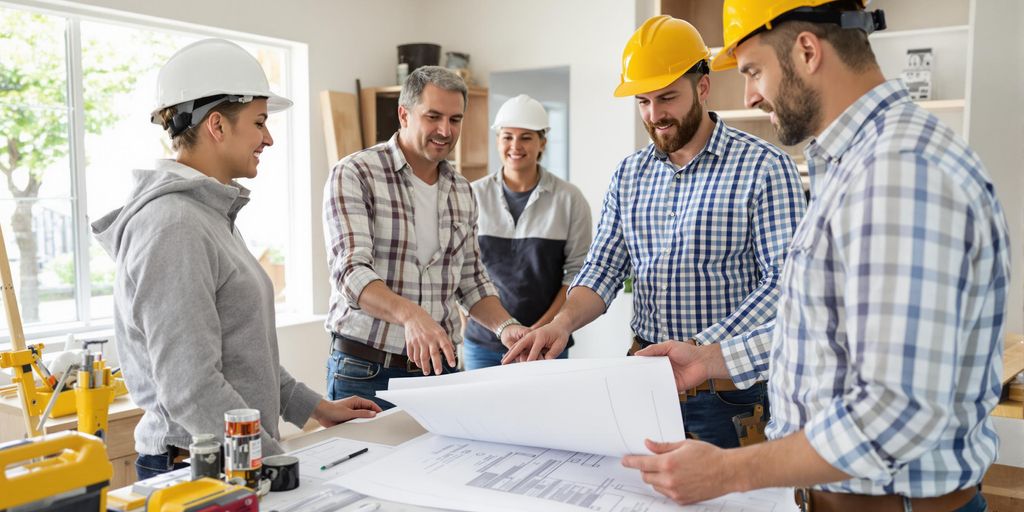
When starting a remodeling project, the general contractor you pick can make or break the whole thing. Make sure they have a solid track record with projects like yours. Ask for references, check online reviews, and don’t be shy about asking questions. A good contractor will be upfront about their experience and costs. Also, look for someone who communicates well—it’s not just about the work but also how they handle unexpected issues.
Selecting Skilled Subcontractors
Subcontractors, like electricians and plumbers, play a huge role in the quality of your remodel. Specialized skills are key here, so don’t just go with whoever’s available. Your contractor might have their own network, but you can still ask for details about their experience. It’s smart to meet them, even briefly, to make sure they understand your expectations.
Communicating Effectively with Your Team
Clear communication is everything. Set up regular check-ins to go over progress and address any concerns. Whether it’s weekly meetings or quick updates, staying in the loop helps avoid misunderstandings. Make sure everyone knows what’s expected, from timelines to specific design choices. This is your project, so don’t hesitate to speak up if something seems off.
Designing a Functional and Aesthetic Space
Balancing Functionality and Style
Creating a space that works well and looks good is no small feat. Start by thinking about how you’ll use the area daily. For example, in a kitchen, you’ll want to ensure there’s enough counter space near the stove and sink for easy meal prep. At the same time, consider how it feels to be in the space—does it reflect your taste? Striking this balance will make your remodel both practical and enjoyable. One tip: use furniture or layouts that create distinct zones in open areas. This helps maintain flow while keeping things visually appealing.
Selecting High-Quality Materials and Finishes
The materials you pick can make or break your project. High-quality finishes not only look better but tend to last longer. Think about the flooring: hardwood might be pricier upfront, but it can hold up for decades if cared for properly. On the other hand, laminate is cheaper but might need replacing sooner. Here’s a quick comparison:
| Material | Durability | Cost |
|---|---|---|
| Hardwood | High | $$$$ |
| Laminate | Moderate | $$ |
| Tile | High | $$$ |
When choosing finishes, try to match them with the overall design. A sleek, modern look might call for polished surfaces, while a rustic vibe could benefit from natural textures like stone or wood.
Incorporating Energy-Efficient Features
If you’re remodeling, it’s the perfect time to think about energy efficiency. Adding features like LED lighting, better insulation, or energy-efficient windows can save you money in the long run. Plus, it’s better for the planet. Consider appliances, too—an energy-efficient fridge or washer might cost more upfront but will lower your utility bills over time. And don’t forget about smart home tech! Programmable thermostats or motion-sensor lights can make your home both efficient and convenient.
Thoughtful design isn’t just about how a space looks—it’s about how it works for you and your family every single day.
Preparing Your Home for Renovation
Clearing and Organizing the Space
Before the first hammer swings, clearing out your home is one of the most important steps. Contractors can’t work efficiently if they’re tripping over furniture or navigating around clutter. Start by packing up personal belongings and storing them in a safe area. If you don’t have enough space, renting a storage unit could be a lifesaver. Don’t forget to label your boxes—it’ll make unpacking much easier later. Additionally, clean the area thoroughly; a dust-free, clear space helps the team work faster and reduces the risk of damage.
Setting Up Temporary Living Arrangements
Renovations can be noisy, messy, and disruptive, so it’s smart to plan where you’ll stay during the process. If it’s a large-scale project, consider staying with friends, family, or even renting a temporary place. For smaller renovations, you might manage by setting up a mini-living space in another part of your home. Think about essentials like a microwave, fridge, and sleeping area. This way, you can avoid unnecessary stress while the work is ongoing.
Protecting Valuables and Furniture
Renovation zones can get chaotic, so it’s crucial to protect your belongings. Cover furniture with heavy-duty plastic sheets or blankets to shield them from dust and debris. Move fragile or expensive items to a different room or secure them in a locked cabinet. If you have valuable items like artwork or electronics, consider storing them off-site. Taking these precautions ensures your possessions stay safe throughout the project.
Renovating your home is exciting but comes with its fair share of challenges. A little preparation now can save you from headaches later.
Managing the Remodeling Process
Monitoring Progress Regularly
Staying on top of your remodeling project is key to keeping everything on track. Make it a habit to check in with your contractor or project manager frequently—whether that’s through weekly meetings or quick daily updates. This ensures you’re aware of what’s happening and can address any hiccups right away. If you can, visit the site periodically to see the work firsthand. Sometimes, small miscommunications can be caught early just by being present.
Addressing Issues Promptly
No matter how well you plan, unexpected problems can arise. Maybe a material is backordered, or a structural issue pops up during demolition. The key is to tackle these surprises head-on. Sit down with your contractor to discuss solutions and adjust your plan as needed. Flexibility is your best friend here—being open to alternatives can save both time and money. Also, keep some extra funds in your budget for these "just in case" moments.
Staying on Schedule and Budget
A remodeling project can quickly spiral out of control if you’re not careful. To avoid this, stick to your timeline and budget as closely as possible. Create a detailed schedule at the start, outlining every phase of the project, and share it with your team. If delays happen—and they probably will—adjust the timeline realistically without losing sight of your end goal. Similarly, track your expenses closely to ensure you’re not overspending. A simple spreadsheet can be a lifesaver for this.
Remodeling is a balancing act—between time, money, and your vision. Stay involved, stay flexible, and don’t be afraid to speak up when something doesn’t feel right. That’s how you keep your project moving forward.
Maximizing the Value of Your Remodel
Focusing on High-ROI Improvements
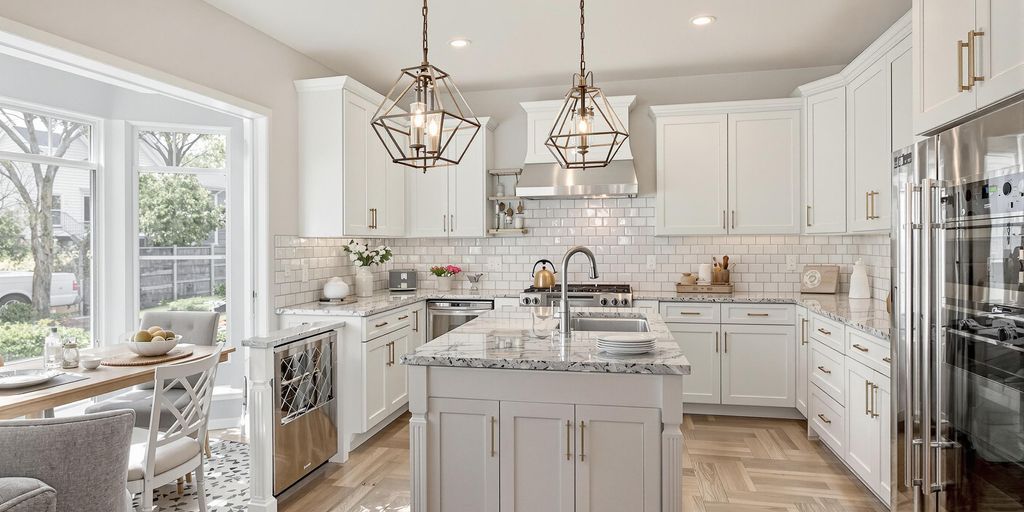
When planning your remodel, it’s smart to prioritize upgrades that deliver a strong return on investment. Think about features that improve both the functionality and appeal of your home. For example, converting an unused space into a home office or finishing the basement can significantly boost property value. Buyers often appreciate open floor plans, so removing non-structural walls to create a more spacious layout could also be a wise choice.
Pro Tip: High-ROI projects don’t just benefit resale value—they also make your home more enjoyable while you live in it.
Keeping Resale Value in Mind
Trends come and go, but your home’s resale value will stick with you. Avoid overly trendy designs that might feel outdated in a few years. Instead, opt for timeless upgrades like neutral color schemes, durable flooring, and modern yet classic fixtures. If you’re planning to sell within the next five years, these choices can help your home appeal to a wider range of buyers.
Designing for Long-Term Maintenance
A remodel isn’t just about how your home looks right now—it’s also about how it will hold up over time. Choose materials and finishes that are both durable and easy to maintain. For instance, quartz countertops are not only stylish but also resistant to stains and scratches. Similarly, energy-efficient windows and appliances can save you money on utility bills while reducing your home’s environmental impact.
| Feature | Why It Matters | Example Improvements |
|---|---|---|
| Energy Efficiency | Saves money and appeals to buyers | LED lighting, smart thermostats |
| Durability | Reduces future repair costs | Hardwood floors, metal roofing |
| Functionality | Makes everyday life easier | Walk-in closets, kitchen islands |
By focusing on these areas, you can ensure your remodel adds real value to your home, both financially and functionally.
Evaluating the Success of Your Project
Comparing Results to Initial Goals
Once your remodeling project wraps up, it’s time to sit down and compare the final outcome to the goals you set in the beginning. Did you achieve what you envisioned? This is your chance to measure how well the project met your expectations. Consider factors like functionality, aesthetics, and whether the space feels like the upgrade you hoped for. A simple checklist can help:
- Was the project completed within the planned budget?
- Did the timeline stay on track?
- Are the new features meeting your practical needs?
Identifying Areas for Improvement
No project is ever perfect, and that’s okay. Take a moment to reflect on what could have been better. Maybe communication with contractors wasn’t as smooth as it could have been, or perhaps certain materials didn’t meet your expectations. Jot down these observations so you can avoid similar pitfalls in the future. Think of it as constructive criticism for yourself and your team.
Documenting Lessons for Future Projects
Finally, make sure to document everything you’ve learned during this process. What worked well? What didn’t? Keeping a record of these insights can be incredibly helpful for your next renovation. For instance, if you found success with a specific contractor or material supplier, note it down. Or if you discovered that creating a more detailed budget early on could have saved some headaches, write that, too.
Remodeling is as much about learning as it is about transforming your home. Treat every project as a stepping stone to better results in the future.
To see if your project is doing well, you need to look at how it meets its goals. Check if you’re getting the results you wanted and if your team is happy with their work. If you want to learn more about how to measure your project’s success, visit our website for helpful tips!
Wrapping It Up
Remodeling your home can feel like a big deal, but with some planning and patience, it’s totally doable. Remember to take it step by step—plan ahead, set a budget, and communicate with your contractor. Keep your goals in mind, but be flexible if things don’t go exactly as planned. At the end of the day, it’s all about creating a space that works for you and your family. So, take a deep breath, trust the process, and enjoy the transformation. You’ve got this!
Frequently Asked Questions
What should I do before starting a home remodel?
Before starting, make a clear plan. Decide on the areas to renovate, set goals, and create a realistic budget. Also, gather ideas and inspiration to help shape your vision.
How do I choose the right contractor for my project?
Research contractors thoroughly. Look for experience, read reviews, and ask for recommendations. Always interview potential contractors to ensure they understand your vision and are reliable.
What are some tips for staying on budget during a remodel?
Stick to your budget by setting priorities and avoiding unnecessary upgrades. Plan for unexpected costs by keeping a small buffer in your budget.
How can I prepare my home for renovation work?
Clear out the renovation space and store your belongings safely. Cover furniture, protect valuables, and set up a temporary living area if necessary.
What are high-ROI improvements for a home remodel?
Focus on upgrades like kitchen and bathroom renovations, adding energy-efficient features, or creating functional spaces like a home office. These often increase your home’s value.
How do I ensure my remodel stays on schedule?
Regularly check progress, communicate with your team, and address issues quickly. Having a detailed timeline and sticking to it can help keep the project on track.