
Ever looked around your house and thought, “I could totally fix that myself”? Yeah, me too. Home repairs can seem daunting, but with the right know-how, they’re totally doable. Whether you’re tackling a leaky faucet or giving your deck a facelift, there are plenty of projects you can handle without calling in the pros. Let’s dive into some essential tips to repair your home like a pro, even if you’re just a weekend warrior.
Key Takeaways
- Start with small projects to build your confidence and skills.
- Always have a basic toolkit ready for unexpected repairs.
- Know when a job is too big and it’s time to call a professional.
- Regular maintenance can prevent costly repairs down the line.
- Safety first: always use the right protective gear and follow guidelines.
Mastering Basic Plumbing Repairs
Taking control of your home’s plumbing can save you a lot of stress and money. With a few basic skills, you can handle common issues that pop up from time to time. Let’s dive into some essential plumbing repairs you can tackle yourself.
Fixing Leaky Faucets and Pipes
Leaky faucets are not just annoying; they waste a lot of water. A dripping faucet can waste up to 3,000 gallons of water a year! The usual culprits are worn-out washers or gaskets, which are fairly easy to replace. Here’s how you can fix them:
- Turn off the water supply to the faucet.
- Remove the handle by loosening the screw underneath.
- Replace the washer or gasket with a new one.
- Reassemble the faucet and turn the water back on.
For leaky pipes, you’ll need some plumber’s tape and a wrench. Wrap the tape around the threads of the pipe, tighten it with the wrench, and you should be good to go.
Unclogging Toilets Without Chemicals
Chemical drain cleaners can be harsh on your pipes and aren’t always effective. Instead, try these steps:
- Use a plunger to create suction and dislodge the clog.
- If that doesn’t work, a toilet auger can reach further down the pipe.
- For stubborn clogs, try pouring hot water mixed with dish soap down the toilet.
These methods are safer for your plumbing and the environment.
Replacing Showerheads and Faucets
Replacing a showerhead or faucet is a simple way to upgrade your bathroom. Here’s a quick guide:
- Unscrew the old showerhead or faucet using a wrench.
- Clean the threads and apply plumber’s tape for a tight seal.
- Screw on the new fixture and ensure it’s secure.
Taking the time to learn these basic plumbing repairs can not only save you money but also give you a sense of accomplishment. Plus, it’s handy to know in case of emergencies.
If you ever find yourself overwhelmed, Ruach Home Services offers essential plumbing solutions like drain cleaning and clog removal to keep your home’s plumbing in top shape.
Maintaining Your Home’s Exterior
Repairing Cracks in Driveways
Cracks in your driveway might seem minor, but they can lead to bigger problems if ignored. Resurfacing them promptly is vital. If the cracks are too severe, consider slab jacking, which involves injecting grout under the slabs to lift them. It’s a cost-effective alternative to replacing the slabs. Regular maintenance not only improves the appearance but also prevents further damage.
Cleaning and Sealing Gutters
Your gutters play a crucial role in protecting your home from water damage. Inspect them at least twice a year to remove debris. If you notice any leaks, seal them immediately. In cases where the gutter is beyond repair, replacement is necessary. Overflowing gutters can cause significant water damage, so keeping them clean and functional is essential.
Inspecting and Maintaining Roofs
A well-maintained roof is key to a healthy home. Have a professional inspect your roof every six months. Address any maintenance tasks they recommend to avoid costly repairs or replacements. A little attention now can save you from major expenses later.
Keeping up with these exterior maintenance tasks can save you time and money in the long run. Regular inspections and repairs prevent small issues from becoming major headaches.
DIY Electrical Fixes You Can Handle
Taking on electrical tasks around the house might sound intimidating, but there are several you can tackle without too much hassle. Here’s a breakdown of some electrical fixes you can handle on your own.
Replacing Light Fixtures Safely
Switching out an old light fixture for a new one can refresh a room’s look. Safety first: always turn off the power at the breaker box before starting. Here’s a simple guide:
- Remove the old fixture by unscrewing it from the ceiling.
- Disconnect the wires, noting which ones connect where.
- Connect the new fixture’s wires to the existing ones (usually matching colors).
- Secure the new fixture to the ceiling.
- Turn the power back on and test your handiwork.
If you’re unsure about the wiring, it’s better to consult a professional.
Installing Dimmer Switches
A dimmer switch can change the mood of a room with just a twist. Here’s how to install one:
- Turn off the power at the circuit breaker.
- Remove the existing switch plate and unscrew the switch from the box.
- Disconnect the wires from the old switch.
- Connect the new dimmer switch wires to the house wires (usually black to black, green to ground).
- Secure the dimmer switch in the box and attach the switch plate.
- Restore power and test the dimmer.
Dimmer switches not only set the ambiance but can also save energy.
Troubleshooting Dead Outlets
Dead outlets can be a nuisance. Before calling an electrician, try these steps:
- Check the circuit breaker: Sometimes, the solution is as simple as flipping a switch.
- Test the outlet with another device to ensure it’s not the appliance that’s faulty.
- Inspect for loose connections behind the outlet.
If these steps don’t help, it might be time to bring in a professional.
"Handling basic electrical repairs yourself can be empowering and save you money. But always prioritize safety and know when to call in the pros."
For more detailed guides or complex projects, consider reaching out to Ruach Home Services for expert advice and assistance.
Interior Home Repair Essentials
Taking care of your home’s interior doesn’t have to be daunting. With a little effort and some know-how, you can tackle common issues and keep your living space looking great.
Patching and Painting Walls
Walls endure a lot of wear and tear, from accidental bumps to nail holes. Patching up these imperfections is a straightforward task if you have the right materials. Here’s a quick guide:
- Gather Supplies: You’ll need spackle or joint compound, a putty knife, sandpaper, and paint that matches your wall.
- Fill the Holes: Apply the spackle with the putty knife, ensuring it’s smooth and flush with the wall.
- Sand and Paint: Once dry, sand the area lightly, then paint over it to blend with the rest of the wall.
A freshly painted wall can transform a room, making it feel new and vibrant again. Don’t rush the process; patience is key to achieving a seamless finish.
Weatherstripping Doors and Windows
Drafty doors and windows can lead to higher energy bills and an uncomfortable home. Weatherstripping is an easy fix that can make a big difference:
- Choose the Right Type: Foam tape, V-strip, and door sweeps are popular options.
- Measure and Cut: Ensure you have the correct measurements before cutting your weatherstripping.
- Install Carefully: Attach it to clean, dry surfaces for the best seal.
Refinishing Hardwood Floors
Hardwood floors add charm to any home, but they can lose their luster over time. Refinishing them can bring back their shine:
- Assess the Damage: Light scratches might only need a screen and recoat, while deeper ones may require sanding.
- Prepare the Area: Clear the room and clean the floors thoroughly.
- Apply Finish: Use a brush or roller to apply the finish, following the wood grain.
By maintaining your home’s interior, you not only enhance its beauty but also its value. If you’re considering more extensive changes, like a remodel, Ruach Home Services can help you plan and execute your vision.
When to Call in the Professionals
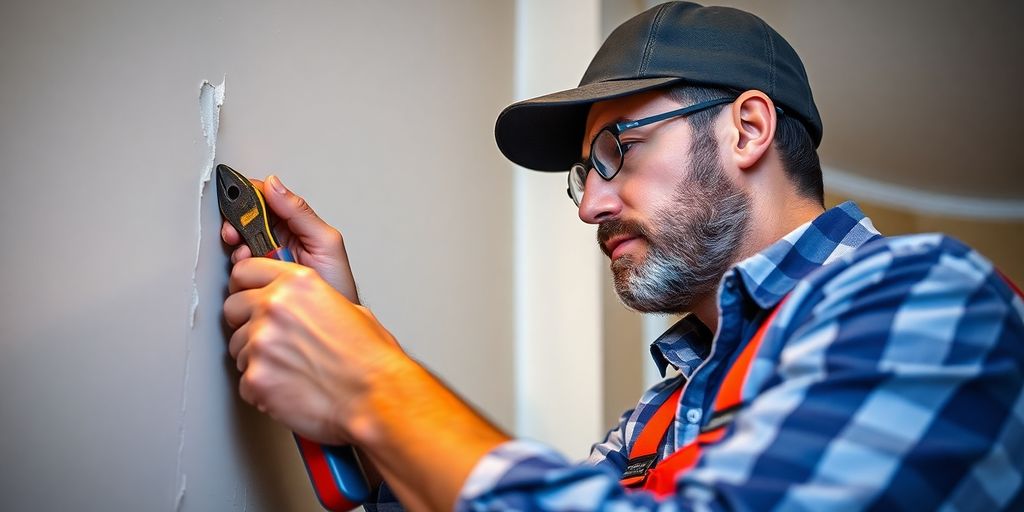
Knowing when to tackle a home repair yourself and when to call in the experts is an important part of homeownership. While DIY projects can be rewarding, some tasks are best left to the pros to avoid costly mistakes or potential hazards.
Handling Major Plumbing Issues
Sure, fixing a dripping faucet or unclogging a drain can be straightforward, but when it comes to major plumbing repairs, like replacing underground pipes or dealing with significant sewer issues, it’s time to call in a professional. Attempting these complex jobs on your own could lead to flooding or even structural damage. For peace of mind and to prevent further complications, trust a skilled plumber to handle these tasks.
Dealing with Electrical Upgrades
Swapping out a light fixture is one thing, but dealing with electrical upgrades or faulty wiring is another beast entirely. In the U.S., electrical malfunctions cause over 50,000 fires each year. This is one area where safety cannot be compromised. Hiring a licensed electrician ensures the job is done safely and up to code, protecting both your home and your family.
Managing Asbestos Removal
If your home was built before the 1980s, it might contain asbestos, a hazardous material that requires careful handling. If asbestos is found in good condition, it’s often best left undisturbed. However, if you plan to remodel or if the asbestos is damaged, a professional must handle its removal. Improper handling can release dangerous fibers into the air, posing serious health risks.
For those big, daunting projects, remember: it’s better to call in the experts than to risk your safety or your home’s integrity. Ruach Home Services can provide the professional touch needed for these complex tasks, ensuring everything is done right the first time.
Enhancing Your Home’s Curb Appeal
Restoring and Staining Decks
Bringing life back to your deck can make a huge difference in how your home looks. Start by cleaning the deck thoroughly. You can use a power washer, but be careful not to damage the wood. Once it’s clean and dry, inspect for any loose boards or nails that need fixing. After repairs, choose a stain that suits your style—something that complements the exterior of your home. Staining not only improves the appearance but also protects the wood from weather damage.
Painting Exterior Walls
A fresh coat of paint can work wonders for your home’s exterior. Choosing the right color is crucial; it should blend well with the neighborhood while reflecting your personal taste. Before painting, make sure to repair any cracks or chips in the walls. Priming the surface ensures better paint adhesion and longevity. Consider tackling this project during mild weather to avoid issues with paint drying too quickly or slowly.
Landscaping for a Lush Lawn
A well-maintained lawn is key to great curb appeal. Start by removing weeds and debris. Regular mowing and edging give your lawn a neat look. Fertilizing the grass will keep it green and healthy. Consider planting native flowers or shrubs for added color and texture. If you’re unsure about plants, consulting with a professional service like Ruach Home Services can offer guidance on creating a beautiful, sustainable landscape.
"First impressions matter. A little effort in enhancing your home’s curb appeal can significantly boost its market value and your enjoyment of the space."
Essential Tools for Home Repair
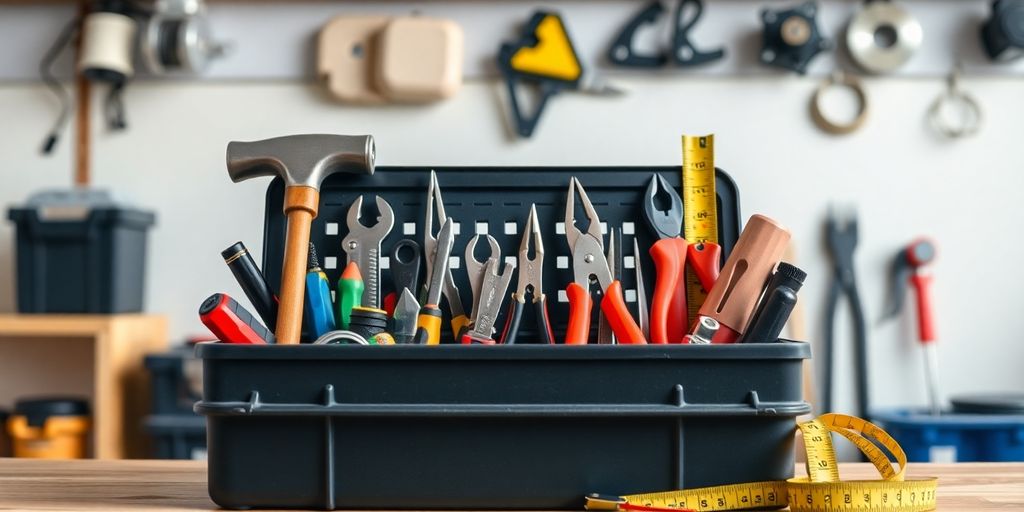
Having the right tools can make all the difference when tackling home repairs. Whether you’re fixing a leaky faucet or remodeling your kitchen, these tools will set you up for success.
Must-Have Tools for Every Homeowner
Every homeowner should have a basic toolkit ready for any small repair. Here’s what you need:
- Hammer: A good hammer is essential for any home repair. Whether you’re hanging pictures or doing light demolition, you’ll want a sturdy one.
- Screwdrivers: Both flathead and Phillips screwdrivers are necessary. They’re used for everything from tightening cabinet handles to assembling furniture.
- Tape Measure: Accurate measurements are crucial, especially if you’re doing any kind of installation.
Using Power Tools Safely
Power tools can be a game-changer, but they require careful handling:
- Read the Manual: Before using any power tool, take time to read the manual. It sounds boring, but it’s important.
- Wear Safety Gear: Always use goggles and ear protection when operating power tools.
- Keep Your Workspace Clean: A tidy area reduces the risk of accidents.
Safety should always come first when using power tools. A little caution can prevent a lot of trouble.
Building a Basic Tool Kit
Building a basic tool kit doesn’t have to be expensive. Start with the essentials and expand as needed:
- Adjustable Wrench: Perfect for plumbing tasks like tightening pipes.
- Pliers: These are versatile and can be used for gripping, twisting, and cutting wires.
- Utility Knife: Handy for cutting drywall, opening boxes, or trimming materials.
With these tools in your arsenal, you’ll be ready to handle most home repairs like a pro. Remember, investing in quality tools will save you time and frustration in the long run.
When it comes to fixing things around the house, having the right tools is key. From hammers to screwdrivers, these essentials can make any repair job easier. Don’t wait until something breaks—visit our website to learn more about how we can help you with your home repair needs!
Wrapping It Up
So there you have it, folks. Tackling home repairs might seem daunting at first, but with a little patience and the right tools, you can handle a lot more than you think. Remember, it’s all about taking small steps and learning as you go. Sure, there will be times when you’ll need to call in the pros, and that’s okay too. The key is knowing your limits and not being afraid to get your hands dirty. Whether it’s fixing a leaky faucet or patching up a wall, every little bit helps in keeping your home in tip-top shape. So grab that toolbox and give it a shot. Who knows, you might just surprise yourself with what you can do. Happy fixing!
Frequently Asked Questions
How do I fix a leaky faucet?
To fix a leaky faucet, first turn off the water supply. Then, remove the handle and replace the washer or O-ring. Reassemble the faucet and turn the water back on to check for leaks.
What’s the best way to unclog a toilet without using chemicals?
You can unclog a toilet by using a plunger first. If that doesn’t work, pour hot water and dish soap into the bowl, let it sit for a while, and then try flushing again.
How can I tell if I need to call a professional for a home repair?
If a repair involves complex systems like electrical wiring or major plumbing, or if you’re unsure about your skills, it’s best to call a professional to avoid costly mistakes.
What tools should every homeowner have?
Every homeowner should have basic tools like a hammer, screwdriver set, pliers, tape measure, and a level. These tools are essential for most minor repairs.
How often should I clean my gutters?
It’s a good idea to clean your gutters at least twice a year, in the spring and fall, to prevent clogs and water damage.
Can I paint my house’s exterior by myself?
Painting your house’s exterior can be a big job. If you’re comfortable with heights and have the right equipment, you can do it yourself. Otherwise, hiring a professional is safer and often more efficient.