
Water damage can really throw a wrench in your plans. Whether it’s a busted pipe or a flood, it can mess up your home big time. But don’t stress too much. With the right steps, you can tackle the mess and get things back to normal. This guide will walk you through what to do if water damage hits your place. From understanding the causes to drying everything out and cleaning up, we’ve got you covered.
Key Takeaways
- Water damage can come from leaks, floods, or busted pipes, and it needs quick action.
- Always put safety first: turn off power and avoid standing water.
- Document the damage for insurance claims before starting cleanup.
- Drying out the area fast helps prevent mold and further damage.
- Professional help can make the cleanup process smoother and more effective.
Understanding Water Damage and Its Causes
Common Causes of Water Damage
Water damage can sneak up on homeowners in many ways, often when least expected. Leaky pipes are a frequent culprit, sometimes bursting due to freezing temperatures or just wearing out over time. Roof damage is another common issue, allowing rain to seep through and soak ceilings and walls. Faulty appliances, like dishwashers or water heaters, can also spring leaks, leading to water pooling in unwanted places. Nature isn’t always kind either; storms and floods can bring water rushing into homes. Poor drainage around a house can cause water to seep into basements, while damaged water lines might require a call to your local water company for fixes.
Signs of Water Damage
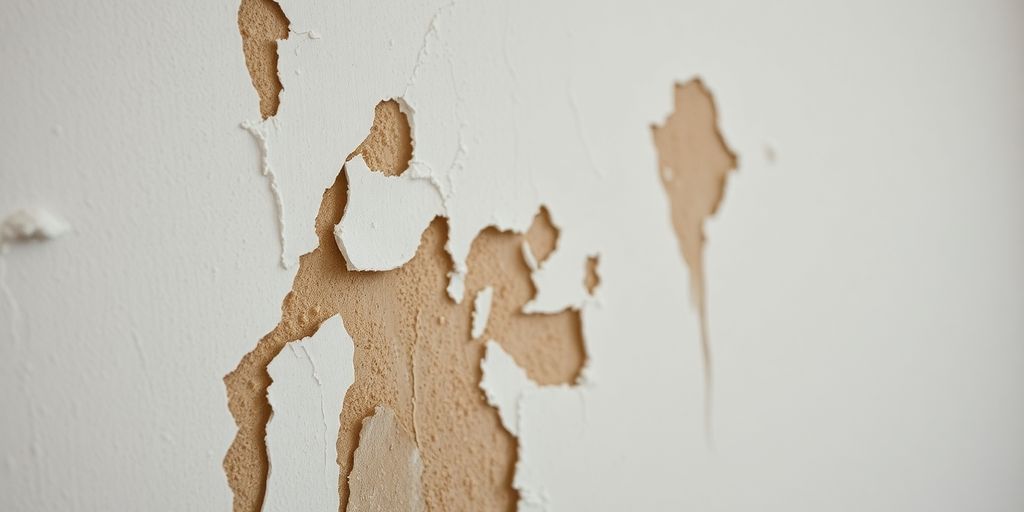
Spotting water damage early can save a lot of trouble. Keep an eye out for water stains on walls or ceilings—these are often telltale signs. Musty odors might indicate hidden moisture, possibly leading to mold growth. Warped or buckled flooring is another red flag, as is peeling paint or wallpaper. If you notice any of these signs, it’s time to investigate further.
Impact on Property and Health
Water damage isn’t just about soggy carpets or stained walls. It can lead to serious structural issues, weakening walls and floors over time. Mold growth is a significant concern, often developing within 24-48 hours of water exposure. This can lead to respiratory problems and other health issues if not addressed promptly. In the long run, untreated water damage can compromise the safety and integrity of your home, making it crucial to take action as soon as you notice any signs.
Water damage can feel overwhelming, but understanding its causes and effects is the first step in tackling it effectively. Don’t wait until it’s too late to address the problem.
Immediate Steps to Take After Water Damage
Ensuring Safety First
When water damage strikes, your first priority should be safety. Identify and stop the water source to prevent further damage. This might mean turning off the main water supply or fixing a burst pipe. Next, check for electrical hazards. Water and electricity don’t mix, so if there’s any doubt, it’s best to turn off the power.
Before you dive into any cleanup, make sure the environment is safe. It’s better to wait a bit than to risk injury.
Documenting the Damage
Once safety is secured, it’s time to document the damage. Grab your phone and take photos or videos of everything affected. This will be crucial for your insurance claim. Don’t forget to thoroughly document all damage to facilitate effective insurance claims and recovery. Make a list of damaged items, noting their condition and value if possible. This step might feel tedious, but it will save you headaches down the line.
Contacting Professionals for Help
Water damage can be overwhelming, and sometimes it’s best to call in the pros. Reach out to a water damage restoration company to assess the situation. They have the expertise and equipment to handle the mess efficiently. A professional team can help with everything from water extraction to drying and sanitizing, ensuring your home is safe and habitable again. Plus, they can provide documentation for your insurance company, making the claims process smoother.
Effective Water Extraction Techniques
Using Wet Vacuums and Pumps
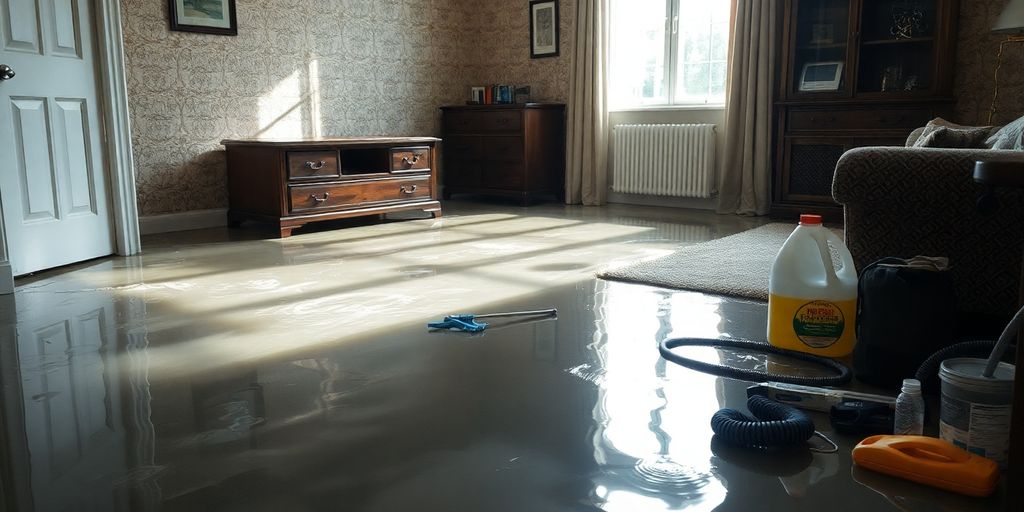
When dealing with water damage, getting rid of the water quickly is super important. Wet vacuums and pumps are your best friends here. These tools are designed to pull out standing water from carpets, floors, and other surfaces. Imagine using a giant straw to suck up all that water! For bigger areas, you might need to use powerful pumps that can handle large volumes of water. But for smaller spots, a wet vacuum might do the trick. It’s kind of like a vacuum cleaner but for water.
Removing Furniture and Belongings
Once you’ve got the water out, it’s time to move stuff around. You don’t want your furniture or belongings to sit in water and get ruined. Start by moving everything out of the wet areas. If you can’t move something, like a heavy couch or a big table, try to lift it off the floor with blocks or something sturdy. This helps prevent further damage. Also, check your stuff for any signs of water damage, like stains or a musty smell, and dry them out as soon as possible.
Engaging Professional Services
Sometimes, the water damage is just too much to handle on your own. That’s when you should think about calling in the pros. Professional services can bring in industrial-grade equipment and expertise to make sure everything is dried out properly. They have the know-how to tackle tough situations, like water that’s seeped into walls or under floors. Plus, they can help prevent mold from growing, which can be a real headache if left unchecked. Calling in the experts might just save you a lot of time and stress in the long run.
Dealing with water damage can be overwhelming, but taking the right steps can make a huge difference. Remember, the faster you act, the better you can protect your home and belongings.
Drying and Dehumidification Process
Using Air Movers and Dehumidifiers
After getting rid of the standing water, the next big task is to dry things out. Air movers and dehumidifiers are your best friends here. Air movers help circulate air, speeding up the evaporation process. Think of them as high-powered fans that push air across wet surfaces, helping them dry quicker. Dehumidifiers, on the other hand, pull moisture out of the air, lowering the humidity and preventing mold from setting up shop. Both tools work together to create a dry environment.
Monitoring Moisture Levels
Keeping an eye on moisture levels is crucial. You don’t want to think everything’s dry and then find mold a week later. Use moisture meters to check the levels in walls, floors, and other materials. These gadgets can give you a real-time look at how much moisture is left. It’s a bit like checking the weather—except you’re looking for dryness. Regular checks help you know when the drying process is done.
Focusing on Hard-to-Reach Areas
Hard-to-reach spots, like inside walls or under floors, can be tricky. But they’re important. If moisture lingers here, it can cause problems down the road. Sometimes, you might need special equipment, like drying mats or injectors that blow warm air into tight spaces. It’s like giving these hidden areas a little extra attention to make sure they’re dry too.
Drying thoroughly is not just about what’s visible. It’s about ensuring every nook and cranny is free of moisture to prevent future headaches. This process is vital to maintaining your property’s integrity and health.
Cleaning and Sanitizing Affected Areas
Using EPA-Approved Disinfectants
Once everything’s dried out, the next big step is cleaning and sanitizing. You really want to make sure all those nasty bacteria and mold spores are gone. EPA-approved disinfectants are your best friends here. They’re tough on germs but safe for your home. Make sure you hit all the surfaces—walls, floors, and any personal items that got soaked. To clean a flooded bathroom, mix a cup of bleach with a gallon of water for those hard surfaces. Scrub well and rinse it off to make sure everything’s sanitized properly.
Protective Gear and Safety Measures
Safety first, right? When you’re dealing with chemicals and potentially harmful stuff, it’s super important to protect yourself. Grab some gloves, masks, and maybe even goggles. You don’t want to breathe in any bad stuff or get it on your skin. It’s not just about avoiding immediate harm; you want to stay safe in the long run too. So, suit up before you start scrubbing.
Professional Cleaning Services
Sometimes, no matter how hard you try, DIY cleaning just doesn’t cut it. That’s where the pros come in. They have the gear and know-how to tackle tough jobs, especially if there’s serious mold or bacteria involved. If you’re worried about missing spots or just want peace of mind, hiring a professional cleaning service can be a smart move. They’ll make sure everything’s cleaned up and safe, letting you focus on getting back to normal.
Repairing and Restoring Your Property
Addressing Structural Damages
Water damage can really mess up your home’s structure. You might see warped floors, sagging ceilings, or even cracks in the walls. These are signs that water has weakened your house’s bones. Hiring professionals is a smart move here. They know their stuff and can make sure everything gets fixed right and up to code. Trying to DIY structural repairs is risky business and can lead to more problems down the road.
Repairing Walls and Floors
Walls and floors take a beating from water. Hardwood floors can start to buckle, while drywall might need to be cut out. It’s often necessary to remove wall panels or plaster to let the area dry out properly. If you don’t, mold can become a big issue. For floors, quick action is key to prevent warping. Sometimes, it means pulling up the flooring to dry out the subfloor.
Ensuring Electrical Safety
Water and electricity are a dangerous mix. After any water damage, you need to get your electrical systems checked. Don’t flip the switch yourself—call in a pro. They can spot any hazards and fix them safely. This step is crucial to avoid fires or shocks. Remember, it’s not just about getting the lights back on; it’s about keeping your home safe for everyone.
Tackling water damage repairs isn’t just about fixing what’s broken. It’s about making sure your home is safe and sound for the long haul. From structural fixes to electrical safety, each step needs careful attention to detail.
Preventing Future Water Damage
Regular Maintenance Tips
Keeping your home in good shape can help ward off water problems. Regular checks on your roof, plumbing, and appliances can catch leaks early. Make sure to clean those gutters and downspouts often, so water flows away from your house. This simple routine can save you a lot of trouble.
- Inspect your roof for missing shingles or tiles.
- Check under sinks and around appliances for leaks.
- Clean gutters and downspouts to prevent clogs.
Emergency Preparedness Plans
When it comes to water damage, having a plan is key. Know what to do if a pipe bursts or a storm hits. Keep emergency contacts handy. Prepare a kit with essentials like flashlights and first-aid supplies. It’s also smart to have an evacuation route planned out.
- List emergency contacts, including a plumber.
- Prepare an emergency kit with essentials.
- Plan an evacuation route.
Stay ready. It’s better to have a plan and not need it than to need a plan and not have it.
Investing in Flood Insurance
If you live in a flood-prone area, consider getting flood insurance. Standard homeowner’s insurance usually doesn’t cover flooding. Flood insurance can be a lifesaver, covering repairs and replacements if water does damage your home. Talk to your insurance agent about your options.
- Evaluate your flood risk.
- Discuss coverage options with your agent.
- Understand what your policy covers and doesn’t cover.
By taking these steps, you’re not just protecting your home, you’re giving yourself peace of mind. For more expert tips on safeguarding your home against water damage, check out our mitigation guide.
To keep your home safe from future water damage, it’s important to take some simple steps. Start by checking for leaks in pipes and roofs regularly. Make sure your gutters are clean and direct water away from your house. Installing a sump pump can also help manage excess water. If you want to learn more about protecting your home, visit our website for helpful tips and services!
Wrapping It Up
Alright, so there you have it. Dealing with water damage is no walk in the park, but knowing the steps can make it a bit less overwhelming. From figuring out how bad the damage is, to getting all that water out, drying everything up, and finally cleaning and fixing stuff—each step is super important. It’s not just about making your place look good again; it’s also about keeping it safe and sound. So, whether you’re doing it yourself or calling in the pros, having a plan and acting fast can save you a lot of headaches down the line. Remember, the quicker you jump into action, the better off you’ll be. Good luck, and stay dry!
Frequently Asked Questions
What exactly is water damage?
Water damage happens when water gets into places it shouldn’t be, like from leaks, floods, or broken pipes, and harms your property.
How can I tell if my home has water damage?
Look for signs like water stains on walls or ceilings, a musty smell, floors that are warped or buckled, and paint or wallpaper that is peeling.
What should I do first if I find water damage?
First, make sure everyone is safe. Then, call your insurance company, and start drying out your home to stop more damage.
Why is it important to dry out areas after water damage?
Drying out areas is crucial because it prevents mold from growing and stops further damage to your home’s structure.
Can I clean up water damage by myself?
For small water spills, you might handle it yourself. But for big problems, it’s best to call professionals who have the right tools and know-how.
How can I stop water damage from happening again?
Regularly check your plumbing and roof for leaks, keep gutters clean, and think about getting flood insurance if your area floods often.