
Water damage is one of those things that can catch homeowners off guard, especially in a city like Los Angeles. Whether it’s from a sudden pipe burst or an unexpected rainstorm, the aftermath can be overwhelming. The good news? With the right strategies, you can tackle water damage and even prevent it from happening again. This guide breaks down practical steps for dealing with water damage and keeping your home safe.
Key Takeaways
- Act fast to minimize damage—time is critical when dealing with water issues.
- Turn off utilities immediately to avoid safety risks during water damage situations.
- Proper drying and dehumidifying are essential to prevent mold growth.
- Document all damage thoroughly for smoother insurance claims.
- Consider professional help for severe water damage or mold issues.
Understanding the Causes of Water Damage in Los Angeles
Common Sources of Water Intrusion
Water can sneak into homes in more ways than one. Some of the usual culprits include:
- Leaky or burst pipes, which can happen suddenly or due to gradual wear and tear.
- Roof damage, often from missing shingles, clogged gutters, or heavy storms.
- Poor drainage systems around the property, causing water to pool near the foundation.
- Heavy rainfall or flash floods, especially during intense weather events in Los Angeles.
Impact of Los Angeles Climate on Water Damage
The weather in Los Angeles plays a huge role in water damage risks. While the city is known for its dry spells, when it rains, it really pours. Sudden storms can overwhelm drainage systems and lead to flooding. Plus, high humidity during certain months can worsen issues like mold growth after water intrusion. It’s a double-edged sword—droughts dry out the soil, and when it finally rains, the ground can’t absorb the water fast enough, causing runoff and potential damage.
Signs of Water Damage to Watch For
Spotting water damage early can save you from major headaches later. Keep an eye out for:
- Stains or discoloration on walls and ceilings.
- Warped or buckling floors.
- A musty smell, which could indicate mold or mildew.
- Cracks in the foundation or walls.
- Peeling paint or wallpaper.
Ignoring the early signs of water damage can lead to expensive repairs and even health risks. Stay vigilant and act quickly to protect your home.
Immediate Steps to Take After Water Damage
Ensuring Safety by Turning Off Utilities
The first thing you need to do after water damage is to make sure everyone is safe. Turn off the electricity and gas immediately to avoid risks like electric shocks or gas leaks. Water and electricity are a dangerous mix, so it’s better to err on the side of caution. If you’re unsure how to do this, call your utility company or a professional for help. Also, remove any valuable items from the area to prevent further damage.
Extracting Standing Water Quickly
Once the area is safe, you’ll need to get rid of any standing water as fast as possible. Use tools like wet vacuums, pumps, or even absorbent towels for smaller areas. Standing water can cause mold to grow within 24-48 hours, so speed is key. If the water level is too high or you don’t have the right tools, consider reaching out to a restoration company for professional help. They have the equipment and expertise to handle the situation effectively.
Documenting Damage for Insurance Claims
Before you start cleaning up, take pictures or videos of the damage. This step is crucial for filing insurance claims. Capture everything—damaged furniture, walls, floors, and personal items. Having detailed documentation will make it easier to prove the extent of the damage to your insurance company. Keep receipts for any emergency repairs or services you hire, as these can also be included in your claim.
Quick action within the first 24 hours can make a huge difference in minimizing damage and speeding up recovery.
Effective Water Damage Remediation Techniques
Using Professional Water Extraction Tools
When water damage hits, the first step is to get rid of all that standing water. Specialized equipment like industrial-grade pumps and wet vacuums can make this process faster and more thorough than doing it manually. Homeowners might be tempted to handle it themselves, but hiring a pro ensures the water is extracted from every nook and cranny. This keeps the damage from spreading and reduces the risk of long-term problems like mold or structural damage.
Drying and Dehumidifying Affected Areas
After the water’s gone, your home isn’t out of the woods just yet. The moisture left behind can still cause issues. Professionals use tools like dehumidifiers, air movers, and even heat drying systems to pull moisture out of the air and materials. Think of it like drying a sponge—you can’t just wring it out and call it a day. The goal here is to get everything as dry as possible, as quickly as possible, to stop things like mold from taking root.
Cleaning and Disinfecting Surfaces
Once everything is dry, it’s time to clean up. Water damage often leaves behind dirt, bacteria, and sometimes even harmful contaminants. Surfaces need to be scrubbed down and disinfected to make sure they’re safe to use again. For areas like carpets or upholstered furniture, specialized cleaning solutions might be necessary. If you skip this step, you’re basically inviting mold and bacteria to stick around and cause more trouble later.
Thorough remediation not only repairs the damage but also ensures a healthier living space for you and your family.
Preventing Mold and Mildew After Water Damage
Importance of Prompt Mold Remediation
Mold doesn’t waste time—it can start growing within 24 to 48 hours after water damage. Acting quickly is key. Begin by thoroughly drying out the area and removing any materials that are too damaged to save. Items like soaked carpets or drywall can be breeding grounds for mold. If the problem seems too big to handle, don’t hesitate to call in professionals. They have the tools and know-how to tackle mold before it spreads.
Using Mold-Resistant Materials
When repairing or renovating after water damage, consider using materials designed to resist mold. For instance, mold-resistant drywall and paint can add an extra layer of protection. These materials are especially useful in moisture-prone spots like bathrooms or basements. They won’t make your home mold-proof, but they’ll definitely make it harder for mold to take hold.
Maintaining Proper Ventilation
Keeping the air moving is one of the simplest ways to prevent mold. Use exhaust fans in bathrooms and kitchens, and open windows when possible to let fresh air circulate. If you live in a humid area like Los Angeles, a dehumidifier can be a lifesaver. Proper ventilation helps keep moisture levels in check, making your home a less inviting place for mold and mildew to grow.
Regularly inspecting your home for leaks and damp spots can save you a lot of trouble down the line. Mold is easier to prevent than it is to remove, so stay on top of it.
Long-Term Strategies to Safeguard Your Home
Regular Roof and Plumbing Inspections
Keeping a close eye on your roof and plumbing can save you from a world of trouble. Small leaks or cracks can quickly escalate, leading to costly repairs if left unchecked. Schedule inspections at least twice a year—once before the rainy season and once after. During these checks, look for missing shingles, clogged gutters, or signs of corrosion on pipes. If you’re not comfortable doing this yourself, hire a professional. Trust me, it’s worth it.
Sealing Leaks and Cracks
Even the tiniest gaps in windows, doors, or walls can let water seep in over time. Use caulk or weatherproof sealants to close these gaps. Focus on areas around window frames, door thresholds, and any visible cracks in your foundation. In a city like Los Angeles, where sudden rainstorms can catch you off-guard, this simple step can make a huge difference in keeping water out.
Installing Home Waterproofing Systems
If you really want to go the extra mile, consider installing a waterproofing system. This could include sump pumps, drainage systems, or even basement waterproofing. While these systems might seem like a big investment upfront, they can protect your home from extensive water damage down the line. Plus, they provide peace of mind during unexpected weather events.
When to Call Professional Water Damage Services
Identifying Severe Water Damage Scenarios
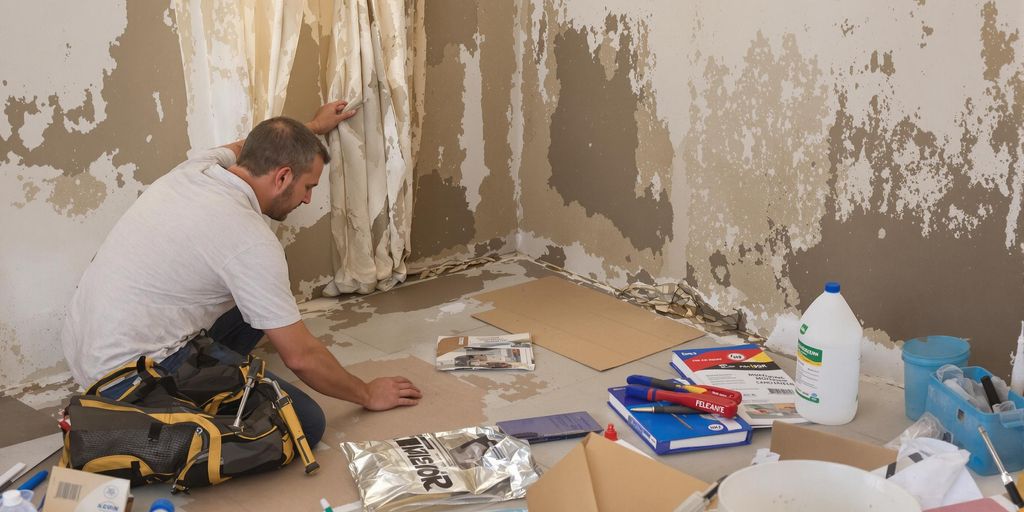
Sometimes, the damage is just too much to handle on your own. If water has seeped into your walls, floors, or even the foundation, you’re looking at a situation that requires more than a mop and a bucket. Structural issues, electrical hazards, and contamination from sewage or floodwaters are all indicators that you need professional help.
Signs you should call in the pros:
- Water damage spreads across multiple rooms or levels.
- There’s visible mold growth or a strong, musty odor.
- The water is classified as “black water” (contaminated with sewage or chemicals).
Benefits of Professional Expertise
Hiring a professional service isn’t just about convenience—it’s about doing the job right. Experts bring specialized equipment like industrial-grade dehumidifiers and air movers to dry your home faster and more thoroughly. They also know how to assess hidden damage and prevent long-term issues like mold growth or structural weakening.
Some advantages of hiring professionals:
- Faster water extraction and drying.
- Expertise in dealing with insurance claims.
- Access to advanced cleaning and disinfecting tools.
Don’t underestimate the value of a trained eye. Experts can spot problems that you might miss, saving you from bigger headaches down the road.
Choosing the Right Restoration Company
Not all restoration companies are created equal. Look for one with good reviews, proper licensing, and 24/7 availability. You want a team that can respond quickly and handle everything from water extraction to repairs. Ask about their process, guarantees, and whether they’ll help you with insurance documentation.
Key factors to consider:
- Are they licensed and insured?
- Do they have experience with your specific type of water damage?
- Can they provide a clear timeline and estimate?
If you’re dealing with water damage from a recent storm or flood, remember that residents with home damage after Helene can start cleanup efforts right away. Professional services can help streamline the process and ensure your home is restored safely and efficiently.
The Role of Insurance in Water Damage Remediation
Understanding Your Home Insurance Policy
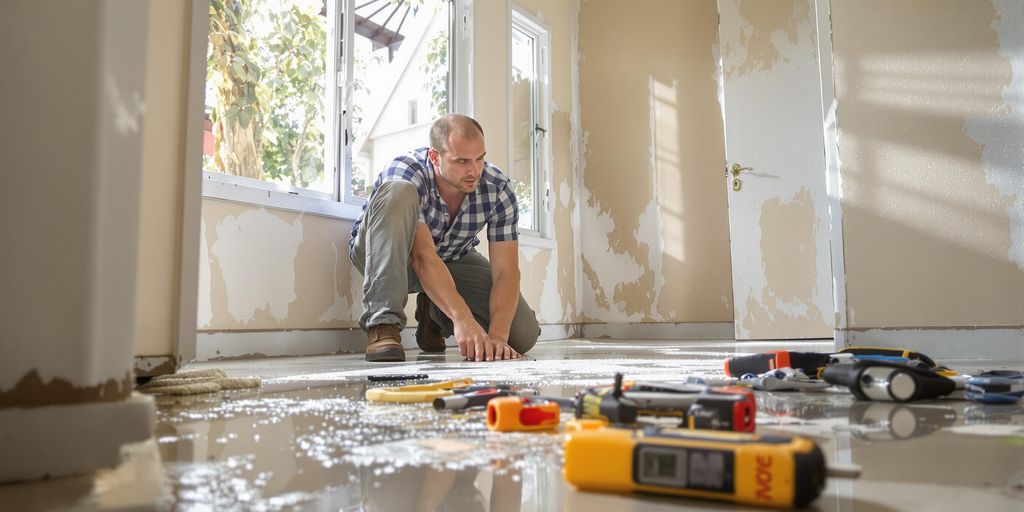
When water damage strikes, the first thing you need to know is whether your home insurance policy covers the specific type of damage. Most standard policies cover sudden and accidental events, like a burst pipe, but they often exclude damage caused by neglect or flooding. For flood-related incidents, you’ll likely need a separate policy, such as one offered by the NFIP. Take the time to read through your policy or ask your insurance agent to clarify what’s covered and what isn’t. It’s better to know ahead of time than to be caught off guard.
Filing a Water Damage Claim
Filing a claim can feel overwhelming, especially when you’re already dealing with the stress of water damage. Here’s a simple step-by-step guide to help you through it:
- Document the damage: Take photos or videos of all affected areas and items. This will serve as evidence for your claim.
- Contact your insurance company: Notify them as soon as possible. They may send an adjuster to assess the damage.
- Mitigate further damage: Take temporary measures, like tarping a leaking roof or shutting off water supply, to prevent things from getting worse. Keep receipts if you hire professionals for this.
- Submit your claim: Provide all necessary documentation, including photos, receipts, and a detailed list of damaged items.
Working with Insurance Adjusters
Once your claim is filed, an insurance adjuster will likely visit your home to evaluate the extent of the damage. Be prepared to walk them through the affected areas and explain what happened. It’s a good idea to have your documentation handy, including any receipts for emergency repairs. If the process feels overwhelming, some homeowners choose to hire a public adjuster to advocate on their behalf. Remember, the goal is to ensure you receive the compensation you’re entitled to so you can get your home back to normal.
Insurance plays a key role in fixing water damage in homes. It helps cover the costs of repairs, making it easier for families to recover from unexpected water issues. If you face water damage, check your insurance policy to see what is covered. For more help and to learn about our services, visit our website today!
Wrapping It Up
Taking care of water damage in Los Angeles can feel overwhelming, but it doesn’t have to be. By staying on top of things like fixing leaks quickly, keeping your home ventilated, and knowing when to call in the pros, you can save yourself a lot of stress and money down the road. Remember, the sooner you act, the better your chances of avoiding bigger problems like mold or structural damage. A little effort now can go a long way in keeping your home safe and comfortable for years to come.
Frequently Asked Questions
What are the common causes of water damage in Los Angeles homes?
Water damage in Los Angeles often happens due to leaking pipes, roof damage, clogged gutters, or heavy rainstorms. Sometimes, faulty appliances like washing machines or water heaters can also cause issues.
How can I tell if my home has water damage?
Look for warning signs like water stains on walls or ceilings, peeling paint, warped floors, a musty smell, or mold growth. These are clear indicators of water damage.
What should I do immediately after discovering water damage?
Start by turning off the water and electricity to prevent further damage or safety risks. Then, remove standing water and dry the affected areas as quickly as possible. Document the damage for insurance purposes.
How can I prevent mold after water damage?
Make sure to dry all wet areas thoroughly and use dehumidifiers to remove moisture from the air. Cleaning and disinfecting surfaces can also help prevent mold growth.
When should I call a professional for water damage repair?
If the water damage is extensive, involves sewage, or has led to mold growth, it’s best to call a professional. They have the tools and expertise to handle severe cases effectively.
Does homeowners insurance cover water damage?
It depends on your policy. Most insurance covers sudden and accidental water damage, but not issues caused by neglect or lack of maintenance. Check your policy or consult your insurer for details.