
Dealing with the aftermath of a fire is one of the most challenging experiences a homeowner can face. From the immediate shock to the long road of repairs, it’s easy to feel overwhelmed. Fire damage remediation is a critical process that helps you get your home—and your life—back on track. This guide will walk you through the key steps and considerations for tackling fire damage in 2025, whether it’s understanding safety measures, working with professionals, or handling insurance claims.
Key Takeaways
- Fire damage remediation involves more than just cleaning; it addresses structural, water, and smoke damage.
- Safety should always come first—wait for professionals to assess the property before entering.
- Working with experienced professionals ensures thorough cleaning and restoration, avoiding risks from DIY efforts.
- Documenting damage and communicating effectively with your insurance provider can simplify the claims process.
- Using advanced tools and techniques can speed up recovery and improve long-term outcomes.
Understanding the Basics of Fire Damage Remediation
Key Components of Fire Damage
When a fire strikes, it doesn’t just burn—it leaves behind a range of damage types that need to be addressed. Fire damage can be broken into three main categories:
- Thermal Damage: The heat from the fire can warp metal, crack concrete, and destroy wood. It’s not just about what burns; it’s about what gets weakened or distorted.
- Smoke Damage: Soot and residues cling to surfaces, seep into fabrics, and even penetrate walls. This leaves behind odors and stains that are tough to remove.
- Water Damage: The water used to extinguish the fire often soaks into walls, floors, and furniture, creating a breeding ground for mold and structural problems.
Understanding these elements helps homeowners plan the right steps for restoration.
The Role of Professional Inspection
A professional inspection is not just a formality; it’s the backbone of effective fire damage remediation. Inspectors assess:
- Structural Integrity: Are beams, walls, or floors compromised?
- Extent of Smoke and Soot Damage: How far has it spread, and what materials are affected?
- Water Damage: Identifying areas where water has pooled or soaked in.
This detailed evaluation helps prioritize what can be salvaged and what needs replacing. It’s like creating a roadmap for the entire cleanup and repair process.
Common Misconceptions About Fire Damage
There are a lot of myths floating around about fire damage. Let’s clear up a few:
- "Smoke odors will fade on their own." Nope. Smoke particles embed themselves into materials and ductwork. Without proper cleaning, the smell can linger for months.
- "Things will dry out eventually." Sure, but residual moisture can lead to mold, rot, and even electrical hazards.
- "Everything is a total loss." Modern restoration techniques mean more can be saved than you might think. Let the experts decide what’s worth restoring.
- "I can handle this myself." Fire damage cleanup is complex and often dangerous. Professional services, like those offered by Ruach Home Services, are equipped to handle the job safely and thoroughly.
Fire damage remediation isn’t just about cleaning up—it’s about making your home safe and livable again. A clear understanding of the basics can make the process feel less overwhelming.
Prioritizing Safety After a Fire Incident
Essential Safety Measures to Take
After a fire, the first thing on your mind should be safety. Fires can weaken structures, leave behind harmful toxins, and create hidden dangers. Always wait for the fire department to declare your property safe to enter. Once cleared, proceed cautiously, keeping an eye out for damaged beams, exposed wires, or unstable walls.
Here are some steps to follow:
- Avoid entering the property until professionals give the green light.
- If entry is allowed, limit movement to avoid stirring up soot particles.
- Stay alert for hazards like broken glass, nails, or standing water.
If you feel unsure about the safety of your home, it’s better to step back and call in experts for an assessment.
Safety isn’t just about protecting yourself physically—it’s about making smart choices to prevent further harm.
Protective Gear and Equipment
When entering a fire-damaged area, wearing the right gear can make a huge difference. Protective equipment isn’t optional; it’s your shield against potential health risks. Equip yourself with:
- Thick gloves to guard against sharp debris.
- Sturdy boots with slip-resistant soles.
- Respirator masks to filter out harmful particles.
- Safety goggles to protect your eyes from soot and ash.
Even with this gear, limit your time inside and avoid touching anything unless absolutely necessary.
When to Re-Enter Your Property
Timing is everything when it comes to re-entering your home after a fire. Rushing in too soon can expose you to unseen dangers. Always:
- Wait for structural assessments to confirm it’s safe.
- Ensure ventilation to clear out lingering smoke and fumes.
- Check for hazards like live wires or gas leaks.
If you’re unsure, consult a professional team specializing in fire damage restoration. Companies like expert home remodeling and damage restoration services not only assess safety but also help secure and restore your property efficiently.
Steps to Secure Your Property Post-Fire
Boarding Up and Tarping
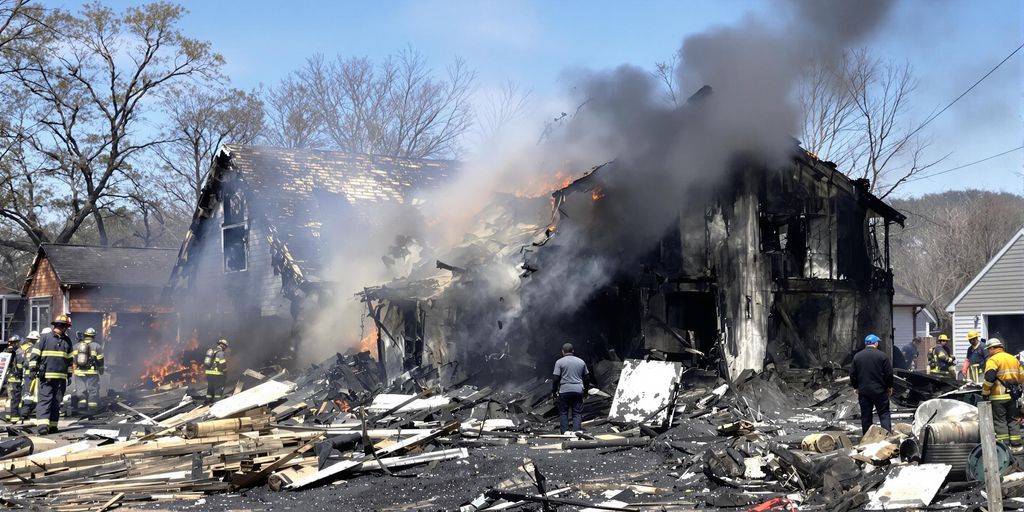
After a fire, your first move should be to physically secure the property. Broken windows, doors, or holes in the roof leave your home vulnerable to weather and intruders. Boarding up windows and doors is a quick and effective way to block unauthorized access. For roof damage, use sturdy tarps to prevent rainwater from seeping in and causing further issues.
Preventing Unauthorized Access
Fires often leave homes exposed, making them easy targets for theft or vandalism. Adding temporary fencing or hiring security can help keep the area safe. Make sure to also alert neighbors to watch for any unusual activity around your property.
Addressing Immediate Structural Concerns
Fire can weaken walls, ceilings, and floors, making them unsafe. Before re-entering, have a professional inspect the structure. If certain areas are at risk of collapsing, they should be reinforced or blocked off. This step ensures that you and any workers remain safe while restoration begins.
Mitigating Water Damage from Firefighting Efforts
Removing Standing Water
When firefighters extinguish a blaze, they often leave behind a lot of water in the process. That water can pool in unexpected places, soaking floors, walls, and even furniture. The first step is to get rid of any standing water as quickly as possible. High-powered pumps work best for this job, but even a wet/dry vacuum can help if you’re in a pinch. The longer water sits, the more damage it can cause, so speed is crucial.
Drying and Dehumidifying Affected Areas
Once the standing water is gone, the next task is drying everything out. This isn’t just about air-drying; you’ll need industrial fans and dehumidifiers to pull moisture out of walls, floors, and the air. Wooden materials, for example, can warp if not dried properly. Keep the equipment running for several days, and check for hidden pockets of moisture in areas like crawl spaces or behind drywall.
Preventing Mold Growth
Mold thrives in damp conditions, and it can start growing in as little as 24 to 48 hours. To stop it in its tracks, clean and disinfect all affected surfaces thoroughly. Using mold inhibitors can also add an extra layer of protection. If you’re overwhelmed, consider reaching out for expert water damage restoration services to ensure your property is safe and mold-free.
Quick action after a fire can save you from bigger headaches later. Address water damage immediately to protect your home and health.
The Importance of Professional Fire Damage Cleaning
Hazards of DIY Cleaning
Cleaning up after a fire might seem like something you can tackle yourself, but it’s a risky move. Without the right tools and knowledge, you could accidentally make things worse. For example, soot can be acidic, and scrubbing it with the wrong materials might cause permanent damage to surfaces. Plus, fire-damaged areas often contain toxic residues—think about all the synthetic materials in your home that burned—so you’re dealing with health risks too. Here’s why DIY cleaning isn’t the best idea:
- You might miss hidden damage that professionals would catch.
- Using household cleaners can spread soot instead of removing it.
- Without proper protective gear, exposure to harmful particles is dangerous.
Specialized Cleaning Techniques
Professional restoration teams bring more to the table than just a mop and bucket. They use advanced tools and methods to clean every nook and cranny effectively. For instance, thermal fogging is a technique that neutralizes smoke odors deep inside walls and fabrics. Air scrubbers help clean the air, removing soot particles you can’t even see. Here’s a quick look at some of the specialized techniques:
| Technique | Purpose |
|---|---|
| Abrasive Cleaning | Removes stubborn soot from hard surfaces |
| Thermal Fogging | Neutralizes smoke odors in porous materials |
| Air Scrubbing | Filters out airborne soot and smoke particles |
Dealing with Toxic Residues
After a fire, your home isn’t just covered in soot. It’s covered in chemicals released from burning plastics, electronics, and other materials. These residues can be harmful if not handled properly. Professionals know how to dispose of these materials safely, ensuring your home is not only clean but safe to live in again. They also test for lingering toxins to make sure nothing dangerous is left behind.
Professional fire damage restoration is about more than just cleaning—it’s about making your home safe and livable again. Let the experts handle it so you can focus on moving forward.
Navigating Insurance Claims for Fire Damage
Documenting the Damage
The first step in dealing with fire damage and insurance claims is to document everything thoroughly. This means taking clear photos and videos of all affected areas, including structural damage, personal belongings, and water damage caused by firefighting efforts. Don’t forget to keep receipts for any expenses related to the fire, like temporary housing or immediate repairs.
- Take pictures from multiple angles.
- Create a list of damaged items with descriptions and estimated values.
- Save any receipts or invoices for emergency expenses.
Communicating with Your Insurance Provider
Contact your insurance company as soon as possible to report the fire and begin the claims process. When speaking with your agent, keep detailed notes of all conversations. Ask them for a clear breakdown of what documentation is needed and inquire about coverage details, like temporary housing if your home is uninhabitable.
Key Questions to Ask:
- What is covered under my policy?
- Are there any deadlines for submitting claims?
- Will my policy cover professional restoration services?
Understanding Coverage and Next Steps
Insurance policies can be tricky to interpret, so take the time to review your coverage carefully. If you’re unsure about anything, consider hiring a public adjuster or consulting with legal professionals to ensure you receive the full benefits of your policy.
| Common Coverage Areas | Potential Exclusions |
|---|---|
| Structural repairs | Pre-existing damage |
| Personal property loss | Luxury items without riders |
| Temporary living expenses | Unapproved DIY repairs |
Filing an insurance claim after a fire can feel overwhelming, but staying organized and proactive makes a huge difference. Keep all your documentation in one place and follow up regularly with your insurer to avoid delays.
For a detailed breakdown of steps specific to California wildfires, check out this guide on essential insurance steps.
Advanced Tools and Techniques in Fire Damage Remediation
State-of-the-Art Restoration Equipment
Modern fire damage remediation relies heavily on advanced tools to tackle both visible and hidden damage. For instance, infrared thermography is used to detect heat signatures and moisture pockets within walls or ceilings, ensuring no hidden damage is left untreated. High-powered air scrubbers and industrial dehumidifiers help clean the air and remove excess moisture, which is critical for preventing secondary issues like mold growth. Additionally, abrasive blasting tools, such as soda or dry ice blasters, are employed to clean soot from surfaces without causing further harm. These tools not only save time but also improve the quality of restoration.
Innovative Deodorization Methods
Lingering smoke odor is one of the toughest challenges after a fire incident. To combat this, professionals use ozone generators and hydroxyl machines, which neutralize odors at a molecular level. Fogging techniques, including thermal and ULV (ultra-low volume) fogging, distribute deodorizing agents throughout the property, reaching even the smallest crevices. Proper ventilation and air purification systems also play a role in ensuring the property smells fresh and is safe for reoccupation.
Efficient Soot and Smoke Removal
Soot and smoke residues can cause long-term damage if not addressed promptly. Specialized vacuums with HEPA filters are used to remove fine soot particles from surfaces, while chemical sponges are employed for delicate cleaning tasks. For tougher stains, professionals might use solvent-based cleaners or alkaline solutions to neutralize acidic soot. A combination of manual cleaning and advanced air filtration ensures that both visible and airborne particles are effectively eliminated.
It’s amazing how today’s technology can make such a difference in restoring homes after fire damage. These tools and methods not only speed up the process but also ensure a safer and more thorough cleanup.
Long-Term Recovery and Restoration Planning
Rebuilding and Renovation Strategies
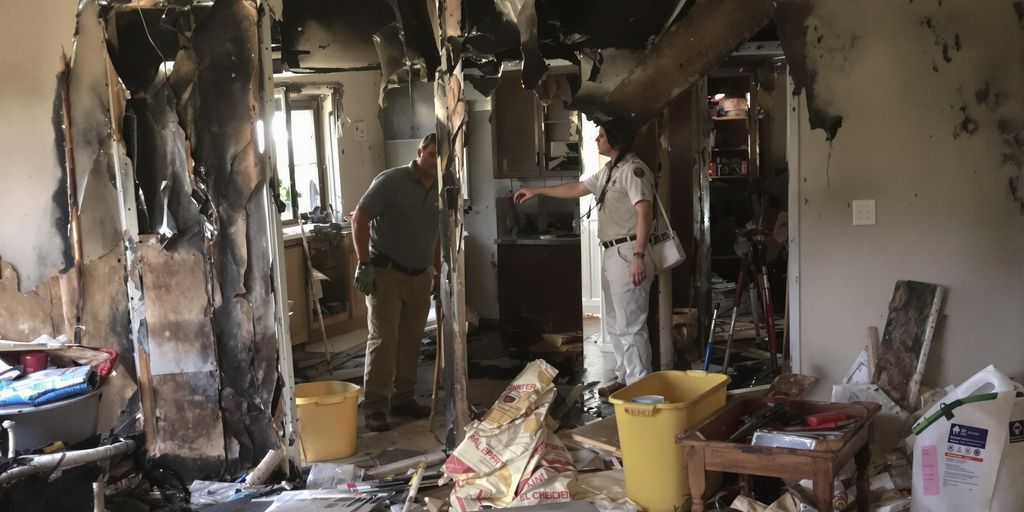
After a fire, rebuilding your home can feel overwhelming. The key is to break it into manageable steps. Start with structural repairs—walls, roofs, and foundational elements should be addressed first. Then move on to interior improvements like drywall, flooring, and paint. Always consult with professionals to ensure safety and compliance with local building codes. If you’re considering upgrades, like energy-efficient windows or modernized layouts, this is the perfect time to incorporate them.
Ensuring Structural Integrity
Your home’s structural integrity isn’t just about looks; it’s about safety. A professional inspection can identify hidden damages, like weakened beams or compromised foundations. Repairs should focus on making the structure sound enough to handle future stress. For example, if your roof suffered damage, ensure it’s reinforced to handle heavy snow or storms. Don’t cut corners here—safety is non-negotiable.
Preventing Future Risks
Once the restoration is complete, think about how to minimize future fire risks. Install smoke detectors in every room and test them monthly. Consider investing in a home sprinkler system or flame-resistant building materials. Create a fire escape plan for your family and practice it regularly. These steps can make your home safer and give you peace of mind.
Recovery is a journey, but with careful planning and the right help, you can rebuild stronger and safer than before.
Planning for long-term recovery and restoration is essential after any damage to your home. It involves careful steps to ensure your space is safe and comfortable again. At Ruach Home Services, we are here to help you every step of the way. If you need assistance with restoration or remodeling, visit our website to learn more about our services and how we can support you. Don’t wait—take action today!
Wrapping It Up
Dealing with fire damage is no small task, but taking the right steps can make all the difference. From ensuring safety to working with professionals for cleanup and restoration, every action you take helps bring your home closer to normal. Remember, you don’t have to do it all alone—there are experts ready to guide you through the process. By staying proactive and informed, you can turn a tough situation into a manageable one. Here’s to rebuilding and moving forward.
Frequently Asked Questions
What should I do immediately after a fire?
The first thing to do is ensure everyone’s safety. Avoid entering the property until it’s declared safe by authorities. Contact your insurance company and document the damage with photos and videos.
Can I clean up fire damage myself?
It’s not recommended. Fire damage often involves toxic residues like soot and smoke, which require specialized cleaning methods. Professionals have the tools and expertise to handle it safely.
How long does fire damage restoration take?
The timeline varies depending on the extent of the damage. Minor repairs might take a few days, while major restoration could take weeks or even months.
Does insurance cover all fire damage costs?
Coverage depends on your policy. Most insurance covers structural damage, personal belongings, and temporary housing. Always check with your provider for specific details.
What are the risks of delaying fire damage cleanup?
Delaying cleanup can lead to further structural damage, mold growth, and lingering odors. Quick action helps minimize long-term problems and costs.
How can I prevent future fires in my home?
Install smoke detectors, keep fire extinguishers handy, and regularly check electrical systems. Avoid leaving cooking unattended and ensure flammable items are stored safely.