
After a fire, getting your home back to normal can be a huge task. It’s not just about fixing what’s broken, but also dealing with water damage from putting out the fire, cleaning up soot, and removing smoke odors. That’s where fire restoration services come in. They help restore your home to its former glory, making it safe and comfortable again. Let’s dive into some key takeaways about these services.
Key Takeaways
- Fire restoration services handle both fire and water damage to bring your home back to life.
- Choosing the right company is crucial for a smooth restoration process.
- Assessing damage thoroughly helps in salvaging more items and aids in insurance claims.
- Cleaning and deodorization are vital to remove smoke and soot effectively.
- Reconstruction is not just about fixing; it’s about improving your home’s resilience.
Understanding Fire Restoration Services
The Importance of Professional Fire Restoration
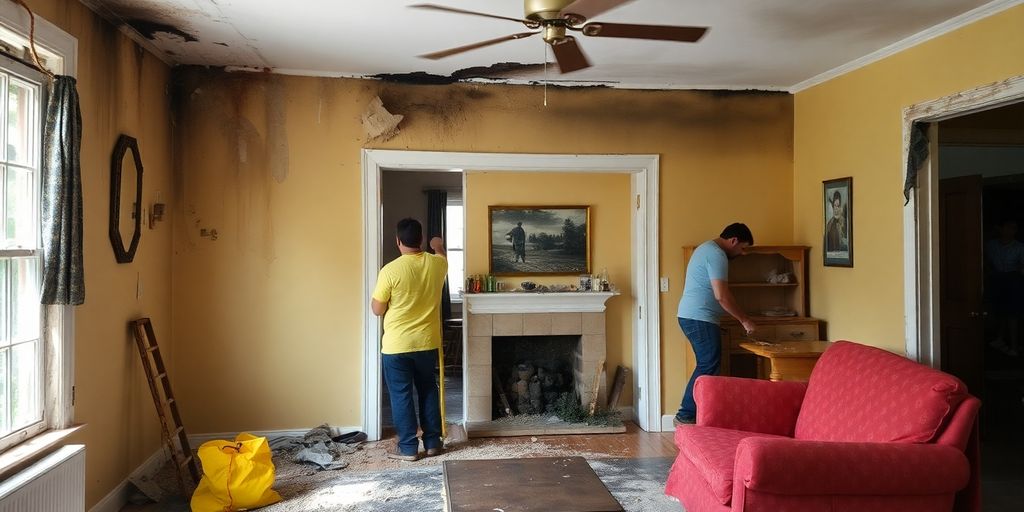
Experiencing a fire in your home is overwhelming. Once the flames are out, the real challenge begins—restoring your property to its former state. This is where professional fire restoration services step in. Hiring experts ensures that the damage is assessed accurately and restored efficiently. They not only clean and repair but also help prevent further issues like mold or structural weaknesses.
Key Steps in the Fire Restoration Process
Fire restoration is a multi-step process, and each phase is crucial:
- Inspection and Assessment: Professionals assess the extent of fire, smoke, and water damage.
- Board-Up and Roof-Tarp Service: To prevent further damage, windows, walls, and roofs are secured.
- Water Removal and Drying: This step is vital as water from firefighting efforts can cause additional damage.
- Smoke and Soot Removal: Special techniques and equipment are used to remove smoke and soot from surfaces.
- Cleaning and Sanitizing: Personal belongings and other items are cleaned, and odors are removed.
- Restoration: This final step involves repairing and rebuilding areas of the home that were damaged.
Choosing the Right Fire Restoration Company
Selecting the right company is critical. Look for a service that offers a comprehensive range of restoration solutions. They should be equipped to handle everything from minor smoke damage to major structural repairs. Companies like Ruach Home Services provide full-scale restoration, ensuring every detail is addressed, from initial cleanup to final repairs. It’s also wise to choose a company that offers support with insurance claims, making the process smoother and less stressful for you.
Fire restoration is not just about fixing what’s broken. It’s about restoring your peace of mind and ensuring your home is safe and comfortable once again.
Assessing Fire and Water Damage
Evaluating Structural Damage
After a fire, the first thing to do is check out how bad the structural damage is. This means you need to look closely at the walls, floors, and roof. It’s crucial to ensure the building’s safety before any restoration begins. Fire can weaken structures, and water from firefighting can cause even more issues like warping or swelling in wood and drywall. Start by:
- Conducting a visual inspection for obvious signs of damage.
- Hiring a professional to assess less visible issues, like weakened beams.
- Using tools like moisture meters to detect hidden water damage.
Identifying Salvageable Items
Once the structural integrity is assessed, it’s time to figure out what can be saved. Not everything is a lost cause; many items can be restored. Here’s how to approach it:
- Sort through belongings: Separate items into categories – those that are visibly damaged, those that seem fine, and those that are questionable.
- Consider sentimental value: Sometimes, it’s worth trying to save items that have personal significance.
- Assess the cost of restoration: Compare the cost of restoring an item versus replacing it.
Remember, items exposed to water might have hidden damage, like mold or rust, which need to be addressed quickly.
Documenting Damage for Insurance Claims
Proper documentation is key to making successful insurance claims. This is where FEMA’s Initial Damage Assessment Checklists can be handy. Make sure to:
- Take clear photos of all damaged areas and items.
- Keep a detailed list of all damages, including descriptions and estimated values.
- Store all receipts and documents related to repairs and replacements.
Proper documentation not only aids in insurance claims but also helps you keep track of what’s been done and what still needs attention. It’s a small step that can save a lot of headaches down the road.
By being thorough in your assessment, you not only ensure the safety and stability of your home but also streamline the restoration process, making it as efficient and stress-free as possible.
Comprehensive Cleaning and Deodorization
Techniques for Soot and Smoke Removal
Cleaning up after a fire isn’t just about scrubbing walls and floors. It’s a detailed process that tackles the stubborn soot and smoke damage left behind. One of the first things professionals do is assess the extent of the soot coverage. For smaller, delicate items, they might use gentle hand-washing techniques or specialized dry cleaning methods like soot erasers. These tools are designed to lift soot without damaging the surface beneath.
For bigger jobs, immersion cleaning becomes essential. This involves soaking items in a special solution that breaks down the soot and smoke residue. Ultrasonic cleaning is a particularly nifty method, using sound waves to clean items with intricate details or hard-to-reach areas.
Advanced Deodorization Methods
Once the soot is dealt with, the lingering smell of smoke is the next hurdle. It’s not just about masking the odor; it’s about neutralizing it. Advanced techniques like thermal fogging mimic smoke’s behavior, allowing the deodorizing agent to penetrate deeply into materials. Another powerful method is ozone treatment, which uses ozone molecules to dismantle odor-causing particles at a molecular level.
Professionals might also use counteractants, which bind chemically with odor molecules, ensuring the smell is truly gone. Choosing the right method depends on the material involved and the depth of odor penetration.
Ensuring Air Quality Post-Restoration
After cleaning and deodorization, it’s crucial to focus on air quality. Smoke can leave behind particles that aren’t immediately visible but can affect health over time. Using air scrubbers and hydroxyl generators can help purify the air, removing any remaining contaminants.
Maintaining air quality is not just about immediate safety but also about long-term health. It’s essential to ensure that your home is a safe place to return to, free from the lingering effects of fire damage.
After fire damage, it’s crucial to assess and repair structural integrity. This involves thorough inspections and necessary repairs following cleaning and deodorization to ensure safety and restore the property.
Reconstruction and Repairs After Fire Damage
Restoring Structural Integrity
After a fire, your home’s structure might look like it’s taken a real beating. The first step is to get the structural integrity checked out. This involves a thorough inspection by professionals who know what to look for, like cracks or weaknesses in the walls and foundation. They’ll decide what needs fixing and what can be salvaged. It’s not just about patching things up; it’s about making sure your home is safe to live in again.
Modernizing and Enhancing Resilience
While you’re at it, why not think about giving your home a modern twist? Fire restoration is a chance to update things. You can opt for modern materials that are not only stylish but also more resistant to fire and other disasters. This might include installing new windows, doors, or even a new roof that can withstand the elements better than before. It’s all about making your home not just as good as it was, but even better.
Handling Contents Restoration with Care
When it comes to your personal belongings, the aim is to save as much as possible. Experts will assess each item to see if it can be restored. Items that can be saved go through a detailed cleaning process to remove soot and odors. This is where the real magic happens, bringing your cherished items back to life. It’s not just about cleaning; it’s about restoring memories and making your house feel like home again.
Rebuilding after a fire is more than just fixing walls and roofs. It’s about restoring the heart of your home, ensuring every corner feels safe, welcoming, and resilient.
Preventive Measures and Future Safety
Fire safety isn’t just about having a smoke alarm. It’s about being ready for the unexpected. Creating a fire safety plan is crucial, and it should be something every household member knows by heart. Start with an escape plan, mapping out at least two ways to exit every room. Practice this plan regularly, making sure everyone knows what to do and where to meet outside.
Next, ensure you have functional smoke detectors on every floor, especially near bedrooms. Test them monthly and change batteries at least once a year. Consider investing in smart smoke detectors that can send alerts to your phone.
Fire extinguishers are another must-have. Keep them in accessible spots like the kitchen and garage. Learn how to use them properly, and check their pressure gauges regularly.
Keeping your home safe from fire hazards involves regular upkeep. Check electrical cords and outlets for wear and tear. Faulty wiring is a common fire starter, so don’t ignore frayed cords or flickering lights.
Chimneys and fireplaces need annual inspections and cleaning to prevent creosote buildup, a major fire risk. If you use space heaters, keep them away from flammable materials and never leave them unattended.
Schedule routine checks of your heating system, especially before the cold season kicks in. A well-maintained furnace or boiler is less likely to cause a fire.
Knowledge is power, especially when it comes to fire prevention. Host a family meeting to discuss fire safety. Teach kids about the dangers of playing with matches or lighters and the importance of alerting an adult if they find them.
Consider attending a local fire safety workshop or inviting a professional to your home for a consultation. They can provide personalized advice and help you identify potential hazards you might have missed.
Lastly, stay informed about new fire safety technologies and practices. As innovations emerge, they can offer better protection and peace of mind for your home.
"Fire safety is not just a one-time task but a continuous commitment to keeping your home and loved ones safe. Regular updates and education can make all the difference."
Navigating Insurance and Restoration Services
Understanding Insurance Policies
When dealing with the aftermath of a fire, understanding your insurance policy is crucial. Policies can be tricky, with all the fine print and various clauses. It’s essential to know what your policy covers and what it doesn’t. For instance, some policies might cover the cost of temporary housing while others might not. Make sure to read through your policy carefully and, if needed, consult with a professional to understand the specifics.
Working with Restoration Professionals
After a fire, you’ll need to work closely with restoration professionals like Ruach Home Services who offer comprehensive fire restoration services. They handle everything from emergency board-up to smoke and soot removal. It’s important to choose a company that communicates well and keeps you informed throughout the process. Here’s what to expect:
- Initial Assessment: Professionals will assess the damage to determine the scope of work needed.
- Plan Creation: A detailed plan will be created outlining the steps for restoration.
- Execution: The team will execute the restoration plan, keeping you informed at every step.
Streamlining the Claims Process
Filing an insurance claim after a fire can be overwhelming. To streamline the process, keep detailed records of all communications and document the damage thoroughly. Photographs and itemized lists can be invaluable. Here’s a simple approach to manage your claims effectively:
- Document Everything: Take photos of all damages and keep receipts for any expenses related to the fire.
- Communicate with Insurer: Keep in constant contact with your insurance company, providing them with all necessary documentation.
- Follow Up: Regularly check in on the status of your claim to ensure it is progressing.
“Navigating the maze of insurance claims can be daunting, but with the right preparation and professional support, you can ensure a smoother recovery process.”
By understanding your policy, collaborating with experienced restoration professionals, and keeping organized records, you can effectively manage the insurance and restoration process after a fire.
Emotional and Psychological Recovery After a Fire

Coping with the Trauma of a House Fire
Experiencing a house fire is not just about the physical damage; it’s a deeply emotional event. The shock and stress can linger long after the flames have been doused. People often face anxiety, depression, and a sense of loss. It’s crucial to acknowledge these feelings and understand that they’re normal reactions to such a traumatic experience. Talking to a professional therapist or joining a support group can be beneficial. Remember, healing takes time, and it’s okay to seek help.
Community Support and Resources
In times of crisis, community support can be a beacon of hope. Neighbors, friends, and local organizations often step up to offer assistance. They might help with temporary housing, meals, or even just a listening ear. It’s important to tap into these resources and not isolate yourself. Being part of a community can provide comfort and a sense of belonging during difficult times. Check with local agencies to see what support systems are available in your area.
Rebuilding a Sense of Home and Security
After a fire, the concept of home might feel shattered. Rebuilding isn’t just about bricks and mortar; it’s about restoring your sense of security and comfort. Start by salvaging personal items that hold emotional value. This can help in creating a familiar environment. Gradually, as you repair and restore, focus on making your space feel safe and welcoming again. Adding personal touches and familiar items can help in reclaiming your home as a sanctuary.
Reconstructing your life after a fire is more than just physical restoration. It’s about embracing the journey of emotional healing and finding new ways to feel secure and at peace in your surroundings.
Recovering emotionally and mentally after a fire can be tough. It’s important to take small steps to heal and find support. Talking to friends, family, or a counselor can help you feel less alone. If you need assistance with your home after a fire, visit our website for more information on how we can help you rebuild and restore your space. Don’t hesitate to reach out!
Wrapping Up: Your Path to Recovery
So, there you have it. Dealing with the aftermath of a fire is no small feat, but with the right help, your home can be brought back to life. It’s all about finding a team that knows what they’re doing, like Coastal Restoration CA. They don’t just fix the obvious stuff; they dig deep to make sure everything’s safe and sound. From water damage to smoke and soot, they handle it all. And let’s be honest, having someone else take care of the insurance paperwork is a huge relief. In the end, it’s about getting your home back to the way it was, maybe even better. So, if you’re ever in that tough spot, remember there’s a way forward. Reach out, get the help you need, and start the journey back to normal. It’s not just about fixing a house; it’s about getting your life back on track.
Frequently Asked Questions
What does a fire restoration company do?
A fire restoration company helps clean up and repair homes after a fire. They remove smoke, soot, and water left from firefighting efforts, and fix any damage to make the home safe again.
How do professionals remove smoke smell from a house?
Professionals use special machines and cleaning products to get rid of smoke smells. They clean surfaces and use air scrubbers to make the air fresh again.
Can all items be saved after a fire?
Not all items can be saved after a fire. Professionals check each item to see if it can be cleaned and restored or if it needs to be replaced.
What should I do immediately after a fire?
After a fire, make sure everyone is safe and call the fire department if needed. Then, contact a fire restoration company to start the cleanup process as soon as possible.
How long does fire restoration take?
The time it takes to restore a home after a fire depends on the amount of damage. It can take a few days to several weeks to complete the restoration.
Will my insurance cover fire damage restoration?
Most home insurance policies cover fire damage restoration, but it’s important to check with your insurance company to understand what is included.