
When a flood hits, it’s not just water that invades your space; it’s chaos. Everything gets turned upside down, and you might feel lost trying to figure out where to even start. That’s where professional flood restoration services come in. They know exactly what to do to bring your home back to life, handling everything from water removal to preventing mold. Hiring the right service can make all the difference, ensuring the process is smooth and efficient. Let’s dive into what you need to know about these services and how they can help you recover quickly.
Key Takeaways
- Professional flood restoration services are crucial for effective recovery after water damage.
- Quick action is necessary to prevent further damage and mold growth.
- Choosing the right service involves checking experience, licensing, and equipment.
- Modern technology plays a key role in efficient flood restoration.
- Clear communication and follow-up services are important for customer satisfaction.
Understanding the Importance of Professional Flood Restoration
Why Quick Action is Essential
When water invades your home, acting fast is not just recommended—it’s critical. Delays in addressing flood damage can lead to severe consequences, such as mold growth, structural damage, and even health risks. The longer water remains in your home, the more damage it can cause. That’s why professional flood restoration services, like those offered by Ruach Home Services, prioritize rapid response to minimize these risks. They have the tools and expertise to start the drying process immediately, preventing further harm.
The Risks of DIY Restoration
Taking on flood restoration yourself might seem like a cost-saving idea, but it can be risky. Without the right equipment and knowledge, you might miss hidden water damage or fail to dry areas thoroughly. This oversight can lead to mold, which is not only damaging to your property but also a health hazard. Moreover, improper handling can worsen the damage, leading to higher repair costs in the long run.
Benefits of Hiring Experts
Professional flood restoration teams bring a wealth of experience and specialized equipment to the table. They can quickly assess the situation and implement effective solutions to restore your home to its pre-flood condition. Hiring experts means you also get assistance with insurance claims and paperwork, easing your burden during a stressful time. With professionals, you can be assured that your home is in capable hands, allowing you to focus on getting back to normalcy.
Choosing the Right Flood Restoration Service
Evaluating Experience and Expertise
When you’re trying to find the best flood restoration service, look at their experience and expertise first. Companies with a solid track record are more likely to handle the job efficiently. Ask about their past projects and how long they’ve been in the business. It’s also a good idea to check if their technicians have the right training and certifications. This way, you know they’re using the latest techniques to get your property back in shape.
Checking Licensing and Insurance
Before you hire anyone, make sure they have the proper licenses and insurance. This is important because it means they follow industry standards and you’re protected if something goes wrong. Always ask for proof of licensing and insurance. It’s just a smart move to avoid any legal or financial headaches down the line.
Assessing Equipment and Technology
The right equipment can make a big difference in how quickly and thoroughly your home is restored. Inquire about the tools they use for water extraction, drying, and dehumidification. State-of-the-art technology not only speeds up the process but also shows the company’s commitment to doing the job right. A reliable service will be open about their equipment and how it helps in restoration efforts.
Hiring a professional flood restoration service is not just about fixing the damage—it’s about peace of mind. Knowing that trained experts are handling the situation can relieve a lot of stress during a challenging time.
When you’re in need of expert water damage restoration in Falls Church, Virginia, consider Ruach Home Services for their reliable and prompt solutions.
The Flood Restoration Process Explained
Understanding how flood restoration works can make the whole ordeal a little less daunting. Here’s a breakdown of the essential steps involved in the process.
Initial Assessment and Inspection
Before any restoration work begins, a thorough inspection is crucial. Professionals will assess the extent of the water damage using tools like moisture meters and thermal cameras. This helps identify any hidden issues, such as structural damage or potential mold growth. A detailed assessment ensures that nothing is overlooked, setting the stage for effective restoration.
Water Extraction and Drying
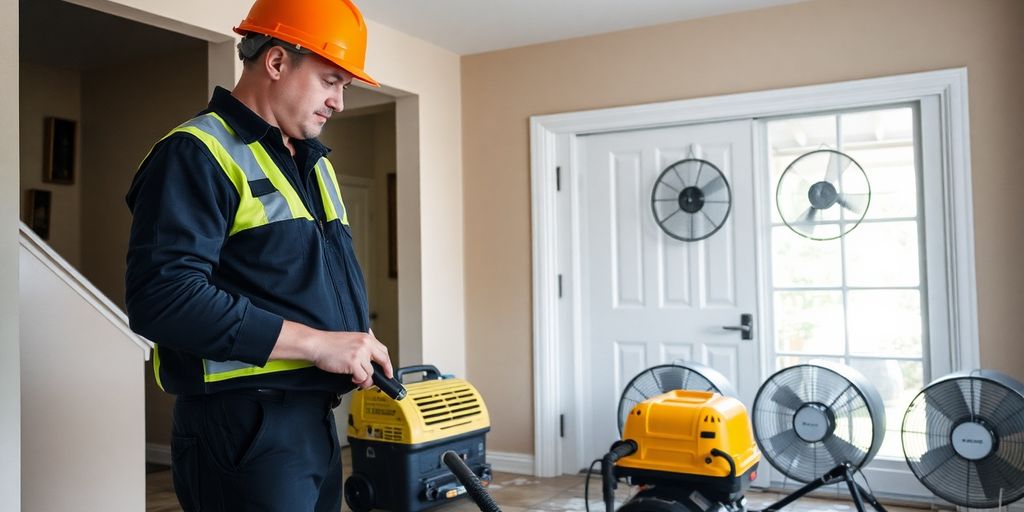
Once the assessment is complete, the next step is to remove any standing water. This is done using pumps, wet/dry vacuums, or sometimes even buckets if needed. Afterward, the focus shifts to drying out the affected areas. Air movers and dehumidifiers are employed to speed up the drying process, helping to prevent mold and further damage.
Cleaning and Sanitization
After drying, cleaning and sanitizing the area is a must. This involves thoroughly washing all surfaces, furniture, and belongings with appropriate cleaning agents to stop any fungal or bacterial growth. The goal here is to restore your space not just to a dry state, but a safe and clean one.
Remember, working with professionals during this process can significantly reduce stress and ensure that the job is done right the first time.
For more detailed guidance on handling water damage, including insurance assistance and preventive measures, consider consulting with certified professionals.
Preventing Future Flood Damage
Implementing Preventive Measures
Taking steps to prevent flood damage can save you from a lot of stress and expense down the road. Start by ensuring proper drainage around your home. Clear gutters and downspouts regularly to prevent water accumulation. Consider installing sump pumps in basements or low-lying areas to efficiently remove water. Another great preventive measure is landscaping with native plants, which can help absorb excess water and reduce runoff.
Regular Maintenance Tips
Regular maintenance is your best friend when it comes to prevention. Inspect your plumbing systems for leaks or corrosion and address any issues immediately. This proactive approach can prevent unexpected water incidents. Additionally, check your home’s foundation for cracks and seal them to stop water from seeping in.
- Check gutters and downspouts every few months.
- Inspect plumbing for any signs of leaks or corrosion.
- Seal foundation cracks to prevent water ingress.
Community Resources for Preparedness
Getting involved with community resources can be a fantastic way to prepare for floods. Local governments often offer workshops or information sessions on flood preparation. You can also join neighborhood groups focused on emergency preparedness. Sharing resources and strategies with your neighbors not only helps you prepare but strengthens community bonds.
"Being prepared is half the battle. By taking preventive measures and staying informed, you can significantly reduce the risk of flood damage to your property."
The Role of Technology in Modern Flood Restoration
Advanced Water Extraction Tools
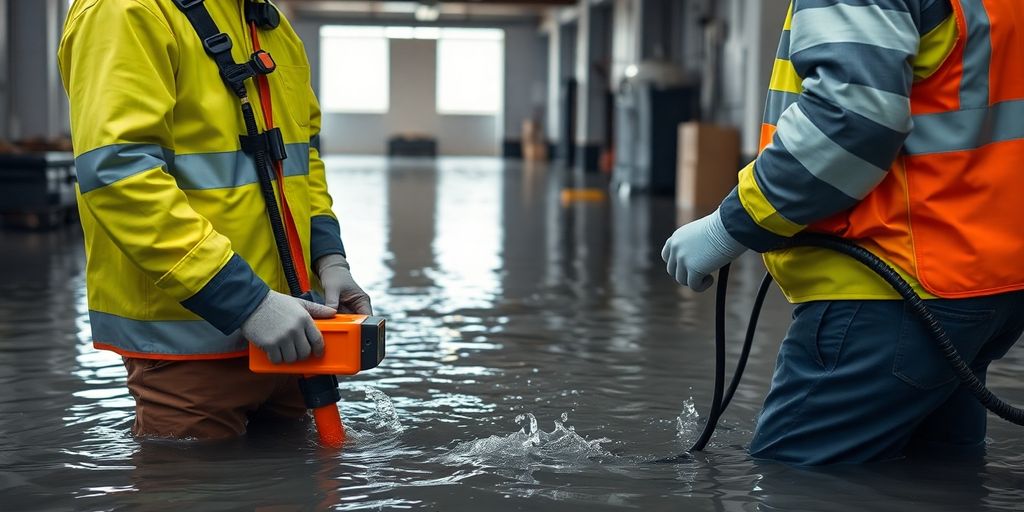
In today’s flood restoration, technology plays a huge role, especially when it comes to water extraction. High-tech pumps and vacuums are now commonplace, allowing for rapid removal of water from properties. These tools are not only efficient but also designed to handle large volumes of water quickly, minimizing the potential for further damage. Some systems even come equipped with sensors that can detect moisture levels, ensuring that no hidden pockets of water are left behind.
Innovative Drying Techniques
Once the water is out, the drying process begins, and here, technology shines again. Desiccant dehumidifiers and air movers are used to speed up drying times significantly. These devices are essential for preventing mold growth and structural damage. Some companies also use infrared cameras to spot moisture hidden behind walls and floors, ensuring a thorough dry-out.
Monitoring and Assessment Technology
Keeping track of the restoration process is crucial, and technology helps with that too. Restoration professionals now use digital tools to monitor humidity and temperature levels in real-time. This data is crucial for adjusting equipment settings to optimize drying conditions. Additionally, drones and data analytics are increasingly being used to assess damage and plan restoration efforts, providing a bird’s-eye view that can be invaluable in large-scale incidents.
Embracing modern technology not only speeds up the restoration process but also improves the accuracy and effectiveness of recovery efforts. As technology advances, so too does our ability to restore homes and businesses after flooding events.
Ensuring Safety and Compliance During Restoration
Environmental Considerations
Flood restoration isn’t just about removing water and repairing damage; it’s also about ensuring the environment is safe and healthy. After a flood, issues like mold, mildew, and contaminated water can pose significant risks. Choosing a service that prioritizes eco-friendly practices is crucial. This means using cleaning agents that are safe for the environment and disposing of waste responsibly. Such measures not only protect the planet but also ensure your home or workplace is safe post-restoration.
Health and Safety Protocols
When dealing with flood damage, health and safety should be at the forefront. Professional restoration services follow strict protocols to protect both their workers and the property owners. This includes using personal protective equipment (PPE), like gloves and masks, and ensuring all team members are trained in safety procedures. Adhering to these protocols minimizes the risk of accidents and health issues, providing peace of mind during a stressful time.
Regulatory Compliance
Compliance with local and national regulations is non-negotiable in flood restoration. Restoration companies must follow guidelines related to waste disposal, water extraction, and building codes. This ensures that the restoration is not only effective but also legal and safe. Companies like Restor-It are known for their commitment to thorough compliance, ensuring every project meets the necessary standards. This compliance protects you from potential legal issues down the line and ensures the restoration is done right.
Safety and compliance are not just boxes to check off; they’re integral to a successful restoration. Ignoring these aspects can lead to bigger problems in the future, both legally and health-wise. Always choose a service that values these principles.
Customer Support and Follow-Up Services
Importance of Clear Communication
In the chaos of dealing with flood damage, clear communication is your lifeline. It’s not just about knowing what’s happening but about feeling in control. Good communication means you’ll get regular updates, understand each step of the process, and know who to contact if something goes sideways. When you hire a service that values transparency, you’re not just hiring them for their technical skills but for their ability to make you feel informed and confident throughout the restoration process.
Availability of Follow-Up Services
Once the initial restoration is done, the job isn’t over. A good flood restoration service will offer follow-up services to ensure everything is holding up as it should. This can include post-restoration inspections, tips on preventive maintenance, and even regular check-ins to catch any potential issues early. Companies that offer these services show they’re committed to the long-term health of your property, not just a quick fix.
Building Long-Term Relationships
It’s not just about fixing the immediate problem. Building a relationship with your restoration service can be beneficial in the long run. They get to know your property and any unique challenges it might have, which can speed up future services if needed. Plus, having a trusted team on call means you’re not scrambling for help in the event of another disaster. It’s all about creating a partnership that prioritizes your peace of mind.
At Ruach Home Services, we believe that great customer support is key to a successful project. Our team is always ready to help you with any questions or concerns you may have. We don’t just stop at completing a job; we follow up to ensure everything is perfect. If you need assistance, don’t hesitate to reach out! Visit our website to learn more about our services and how we can help you today!
Conclusion
In the end, dealing with flood damage is no walk in the park, but having the right team on your side can make all the difference. Professional flood restoration services are like a lifeline when you’re knee-deep in water and stress. They know what they’re doing, and they do it fast, which is exactly what you need when time is of the essence. From drying out your space to handling the insurance red tape, they take a load off your shoulders. So, don’t wait around. Reach out to the experts and get your life back on track. It’s all about getting back to normal as quickly as possible, and with the right help, you can do just that.
Frequently Asked Questions
Why should I hire a professional for flood restoration?
Hiring a professional ensures that your property is restored quickly and safely. They have the right skills and tools to handle the damage and prevent future issues like mold growth.
What are the risks of doing flood restoration myself?
DIY flood restoration can lead to missed damage, improper drying, and mold growth. Professionals know how to properly assess and fix all issues.
How do I choose the best flood restoration service?
Look for experience, proper licensing, insurance, and good reviews. It’s important they have the right equipment and a fast response time.
What does the flood restoration process involve?
It typically includes an initial assessment, water removal, drying, and cleaning. Professionals might also sanitize the area to prevent mold.
How can I prevent future flood damage?
Regular maintenance, installing preventive measures like sump pumps, and staying informed with community resources can help prevent future flood damage.
What role does technology play in flood restoration?
Modern technology helps with faster water extraction, efficient drying, and better monitoring of the restoration process.