
Dealing with water damage in your house can be a real headache. It’s not just about the mess, but also figuring out how to fix it and prevent it from happening again. Whether it’s from a leaky roof, a burst pipe, or a flood, water damage can cause serious problems if not addressed quickly. This guide will walk you through everything you need to know about house water damage restoration, from the initial assessment to choosing the right professionals for the job.
Key Takeaways
- Understanding the different types of water damage is crucial for effective restoration.
- Quick response is key to minimizing water damage in your home.
- Professional restoration services can save time and prevent future issues.
- Regular maintenance can help prevent water damage before it starts.
- Knowing your insurance policy can ease the restoration process.
Understanding House Water Damage Restoration
Types Of Water Damage
Water damage comes in various forms, each with unique challenges. Clean water damage is the least severe, originating from sources like broken pipes or rain. It’s easier to handle as it doesn’t pose immediate health risks. Then there’s gray water damage, which involves slightly contaminated water from appliances like washing machines. Lastly, black water damage is the most hazardous, involving sewage or floodwaters, and requires professional cleanup due to health risks.
Common Causes Of Water Damage
Water damage can sneak up on you from several sources. Burst pipes are a common culprit, especially in colder climates where pipes can freeze and break. Leaky roofs, often from old or damaged shingles, allow rain to seep in. Appliances like dishwashers or water heaters can fail, leading to unexpected indoor floods. And don’t forget natural disasters like floods or hurricanes, which can cause widespread damage.
Signs Of Water Damage
Spotting water damage early can save you a ton of trouble. Look for discoloration on walls or ceilings, which could indicate a leak. A musty odor might mean mold is lurking somewhere in your home. Warped floors or peeling paint are also red flags. If you notice any of these signs, it’s time to act fast to prevent further damage.
Water damage can be sneaky, creeping in silently and leaving a trail of destruction. It’s crucial to stay vigilant and address any signs as soon as they appear to avoid bigger headaches down the road.
- Regularly inspect areas prone to water exposure.
- Consider regular plumbing checks to catch issues early.
- Install water sensors to detect leaks before they become disasters.
The Water Damage Restoration Process
Initial Assessment
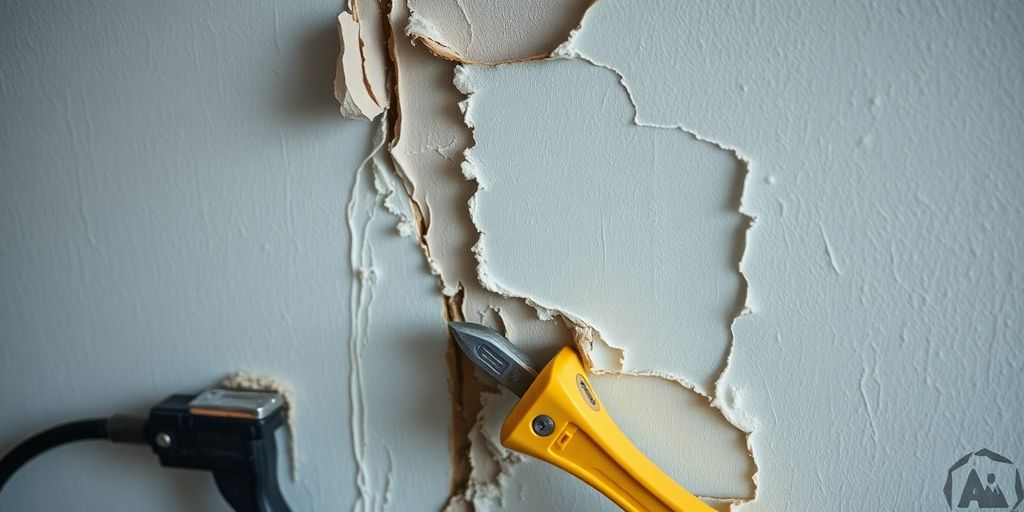
The first step in dealing with water damage is a thorough assessment. Professionals come in and evaluate the extent of the damage. They check everything from the structural integrity to the moisture levels in the air and materials. This helps them decide the best course of action. It’s crucial to identify both visible and hidden damage to avoid future problems.
Water Extraction Techniques
Once the assessment is done, it’s time to get rid of the water. Specialists use various techniques and equipment to remove water quickly and efficiently. This might include industrial-grade vacuums, pumps, and even submersible units for deep water. The goal is to get the water out as fast as possible to prevent further damage.
Drying And Dehumidification
After water extraction, the focus shifts to drying and dehumidifying the affected area. High-speed air movers and dehumidifiers are employed to remove moisture from the air and surfaces. This step is crucial to prevent mold growth and other related issues. It might take several days to ensure everything is completely dry.
Proper drying and dehumidification are essential steps in the restoration process to ensure that your home is free from moisture-related issues in the future.
For detailed steps on ensuring thorough drying and preventing mold, consider effective water damage restoration practices.
Choosing The Right Restoration Professionals
Qualifications To Look For
When you’re dealing with water damage, picking the right team is a big deal. Experience is key—you want professionals who’ve been around the block a few times. Look for certifications like IICRC (Institute of Inspection, Cleaning and Restoration Certification). It’s like a stamp of approval that they know their stuff. Insurance is another must-have. This protects you in case something goes wrong during the restoration. Also, check if they have specialized equipment for different kinds of water damage. Not every flood is the same, and tools can make a huge difference.
Questions To Ask
Before you sign on the dotted line, ask a few questions. First, get a clear picture of the timeline. How long will the job take? You don’t want this dragging on forever. Next, inquire about their process. What steps do they follow from start to finish? This gives you an idea of their thoroughness. Lastly, discuss the warranty. What happens if the problem comes back? A good company will offer a solid guarantee.
Cost Considerations
Money matters, right? Get a detailed quote upfront. You don’t want surprise charges popping up later. Compare a few estimates to see what’s reasonable. Remember, the cheapest isn’t always the best. Quality work might cost more, but it’s worth it in the long run. Some companies might offer financing options, so ask about that too.
Choosing the right restoration professionals can make or break your recovery process. It’s not just about fixing the damage but also about peace of mind.
For those in Arlington, Virginia, Ruach Home Services can be a great choice. They focus on improving quality of life with reliable service and have a comprehensive approach to water damage management.
Preventing Future Water Damage
Regular Maintenance Tips
Staying on top of regular home maintenance is like giving your house a check-up. It might not be the most exciting task, but it can save you from a lot of headaches down the road. Here’s what you can do:
- Inspect your roof: Check for missing or damaged shingles and fix them right away.
- Clean your gutters: Make sure water flows freely to prevent it from pooling around your foundation.
- Look at your home’s exterior: Cracks in the walls or foundation can be a way for water to sneak in.
Keeping an eye on these areas regularly helps you catch small issues before they become big, costly problems.
Installing Proper Drainage Systems
Good drainage isn’t just for farmers and gardeners. It’s crucial for keeping your home dry and safe. Consider installing these systems:
- Sump pumps: These are a must-have if your basement tends to flood. They pump out water before it can cause damage.
- French drains: These are underground pipes that redirect water away from your house.
- Downspout extensions: Simple yet effective, they help channel rainwater far from your foundation.
Emergency Preparedness
Nobody wants to think about emergencies, but being prepared can make all the difference. Here’s how you can be ready:
- Have an emergency kit ready: Include essentials like flashlights, batteries, and bottled water.
- Know where your water shut-off valve is: This can stop a leak from turning into a flood.
- Keep important documents safe: Store them in waterproof containers or digital formats.
By taking these steps, you’re not just protecting your home—you’re ensuring peace of mind. For more expert tips to prevent water damage inside your home, consider installing smart thermostats, water leak detection systems, and regular inspection of appliance hoses.
Insurance And House Water Damage Restoration
Understanding Your Policy
When dealing with water damage, the first thing you should do is understand your insurance policy. Policies can be tricky, and it’s important to know what is and isn’t covered. Most Homeowners Insurance typically covers water damage caused by broken pipes, which can lead to significant property damage. However, things like flooding from natural disasters may not be included. Always read the fine print and, if needed, talk to your insurance agent to clarify any doubts.
Filing A Claim
Once you’ve grasped your policy, the next step is filing a claim. It might seem overwhelming, but breaking it down into steps can help:
- Document the Damage: Take photos and videos of everything affected by the water.
- Contact Your Insurance Company: Let them know about the damage as soon as possible.
- Fill Out Necessary Paperwork: Complete any forms your insurer requires to process your claim.
Keep a record of all communications with your insurer. This can be useful if there are any discrepancies later on.
Working With Adjusters
After filing, an insurance adjuster will likely visit your home to assess the damage. Be prepared to show them all the documentation you’ve gathered. Here are some tips:
- Be Honest: Clearly explain how the damage occurred.
- Ask Questions: Make sure you understand their assessment and the next steps.
- Stay Involved: Keep in touch with the adjuster to stay updated on the claim’s progress.
Navigating insurance after water damage can feel like a maze, but staying organized and informed makes the journey smoother. Remember, the goal is to restore your home and peace of mind as quickly as possible.
Health Risks Associated With Water Damage
Mold Growth
When water invades your home, mold isn’t far behind. It can start growing within just 24 to 48 hours after water exposure. Mold spores are sneaky; they float through the air, landing on surfaces and multiplying rapidly. Breathing in these spores can lead to respiratory issues, especially for those with asthma or allergies. If you notice a musty smell or see spots on walls and ceilings, it’s time to act. Mold doesn’t just damage your house—it can hurt your health.
Structural Integrity Issues
Water can be a home’s worst enemy when it comes to its structure. Over time, it seeps into wood, drywall, and other materials, causing them to weaken and deteriorate. This can result in sagging ceilings, warped floors, and even cracks in the foundation. Ignoring these issues might lead to severe structural failures, which can be dangerous and costly to repair. It’s crucial to inspect your home for these signs after any water damage event.
Contaminated Water Concerns
Not all water is clean. In fact, water from floods or sewage backups can be teeming with harmful bacteria and viruses. Coming into contact with contaminated water can lead to infections and illnesses. It’s essential to handle such situations with care, using protective gear and proper cleaning methods. If you’re unsure about the safety of the water, it’s best to call in professionals. Ruach Home Services can provide expert guidance and solutions to ensure your home is safe and clean.
Water damage isn’t just about the mess—it can pose serious health risks if not addressed promptly. Always prioritize safety and consider professional help to restore your home effectively.
Restoration Equipment And Techniques
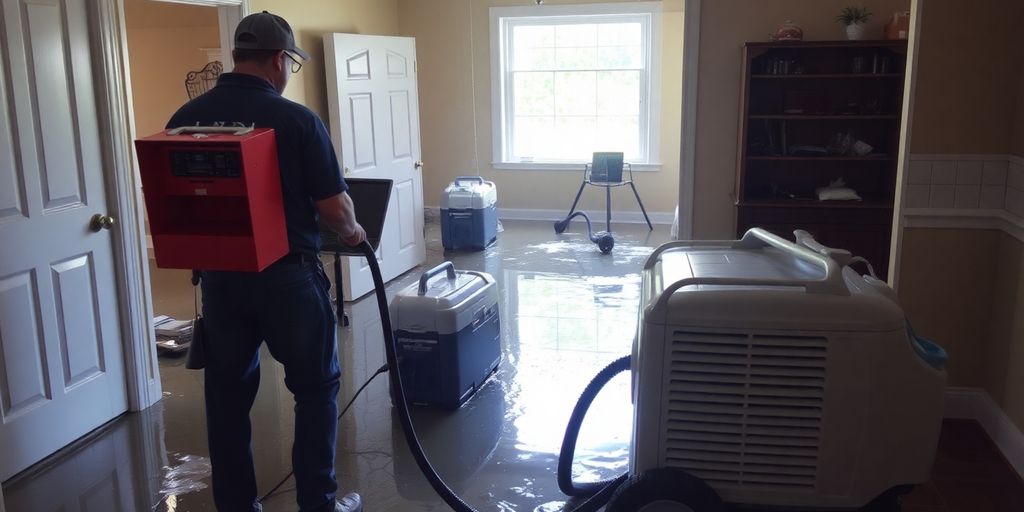
When it comes to tackling water damage, having the right gear can make all the difference. Effective water damage restoration requires essential equipment that not only speeds up the process but also ensures it’s done right.
Advanced Drying Equipment
To kick things off, pumps are a must-have. They’re perfect for removing standing water quickly, saving your home from further damage. Once the water’s out, it’s all about drying, and that’s where fans and air movers come into play. They circulate air, speeding up the evaporation process, which is crucial for preventing mold growth.
- Pumps: Remove large volumes of water efficiently.
- Fans/Air Movers: Increase airflow to dry surfaces faster.
- Dehumidifiers: Extract moisture from the air, helping to dry things out thoroughly.
Moisture Detection Tools
Next up, moisture meters and infrared cameras. These tools are like your water damage detectives. They help spot hidden moisture in walls and floors that you might miss otherwise. This is key to making sure everything’s truly dry before you call it a day.
- Moisture Meters: Measure moisture levels in materials.
- Infrared Cameras: Detect moisture behind walls and under floors.
Restoration Chemicals
Finally, let’s talk about chemicals. Sometimes, drying isn’t enough, and you need to get rid of odors or prevent mold. That’s where antimicrobial and cleaning agents come in. They help sanitize and deodorize the affected areas, making your home safe and pleasant again.
- Antimicrobial Agents: Prevent mold and bacteria growth.
- Deodorizers: Eliminate musty smells.
- Cleaning Agents: Ensure surfaces are sanitized.
Using the right equipment is not just about efficiency; it’s about ensuring that your home is restored to a safe and healthy environment. With the right tools, you can tackle water damage effectively and prevent future issues.
For those looking to handle the job themselves or just curious about the process, understanding these tools and techniques is a great start. Remember, sometimes it’s best to call in the professionals to make sure everything’s done right.
When it comes to restoring your home, having the right tools and methods is key. Our team at Ruach Home Services is here to help you with all your restoration needs. Whether it’s water damage, fire damage, or mold issues, we have the expertise to bring your home back to life. Don’t wait any longer—visit our website to learn more about our services and get started today!
Wrapping It Up
So, there you have it. Fixing water damage in your home isn’t a walk in the park, but it’s doable. With the right steps and maybe a bit of help from the pros, you can get your place back to normal. Remember, acting fast is key. The longer you wait, the worse it can get. And hey, don’t be afraid to ask for help if you need it. Sometimes, it’s just better to let the experts handle the messy stuff. At the end of the day, your home is your safe space, and taking care of it is worth the effort. Good luck, and here’s to a dry, cozy home!
Frequently Asked Questions
What is water damage restoration?
Water damage restoration is the process of cleaning, drying, and repairing a home after it has been damaged by water. This can include fixing leaks, removing water, and repairing walls and floors.
What are the common causes of water damage in homes?
Common causes of water damage include leaking pipes, heavy rain, broken appliances like washing machines, and clogged gutters.
How can I tell if my house has water damage?
Signs of water damage include wet spots on walls or ceilings, a musty smell, peeling paint, and mold growth.
Why is it important to fix water damage quickly?
Fixing water damage quickly is important because it can prevent mold growth, structural damage, and other health risks.
What should I look for in a water damage restoration professional?
Look for professionals who are experienced, have good reviews, and are licensed and insured.
Does homeowners insurance cover water damage?
Homeowners insurance may cover water damage, but it depends on your policy and the cause of the damage. It’s important to check your policy and speak with your insurance company.