
Dealing with flood damage at home can feel overwhelming, but taking the right steps can make all the difference. From ensuring safety to choosing the right repair services, there’s a lot to consider. This guide breaks it all down into simple, actionable tips to help you get your home back to normal.
Key Takeaways
- Always prioritize safety by turning off electricity and wearing protective gear before entering a flooded area.
- Use professional-grade equipment or hire experts for effective water removal and drying to prevent mold.
- Inspect your home for structural damage, and don’t hesitate to call professionals if repairs are beyond your expertise.
- Address mold issues promptly by recognizing early signs and hiring specialists when needed.
- Invest in preventive measures like flood barriers and sump pumps to reduce the risk of future flooding.
Safety Measures to Take After a Home Flood
Turning Off Power and Gas Safely
When your home floods, the first thing to check is the power and gas. Water and electricity are a dangerous mix, so turn off the main power supply as soon as you can. If the breaker box is in a wet area, don’t risk it—call a professional electrician instead. For gas, locate the shutoff valve and turn it off to avoid leaks. If you smell gas or suspect a leak, leave the house immediately and contact your gas company.
Wearing Protective Gear to Minimize Risks
Re-entering a flooded home can expose you to contaminated water and sharp debris. Put on rubber boots, gloves, and a mask before going inside. These basic items can protect you from cuts, infections, and other health risks. If you’re dealing with standing water, goggles might also come in handy to shield your eyes from splashes.
Ensuring Structural Safety Before Entry
Before stepping back into your home, check for signs of structural damage. Look out for sagging ceilings, cracked walls, or warped floors—these could indicate serious issues. If anything looks unstable, it’s best to wait for an inspector or a structural engineer to give the all-clear. Remember, safety comes first, even if it means delaying cleanup.
Steps for Effective Water Extraction and Drying
Using Professional Water Removal Equipment
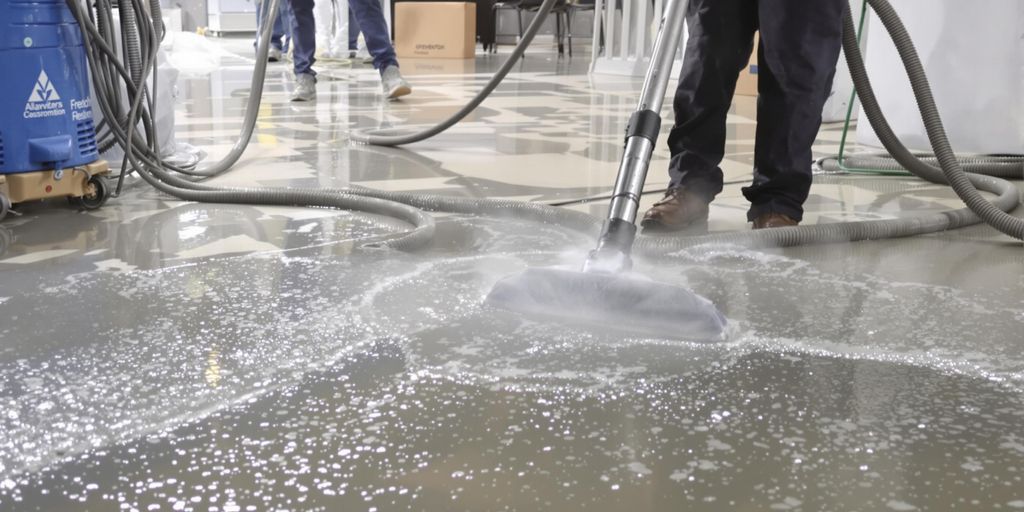
When dealing with large amounts of water, basic tools like mops and towels just won’t cut it. Using specialized equipment such as wet-dry vacuums, submersible pumps, or industrial-grade water extractors can make a huge difference. These tools are designed to quickly and efficiently remove standing water from floors, carpets, and other surfaces. If you don’t own such equipment, you can rent it from a local hardware store or hire a professional service like Ruach Home Services to handle the job safely and effectively.
Preventing Mold Growth Through Proper Drying
Mold can start growing within 24-48 hours after a flood, so drying out your home is a race against time. Start by removing damp items like rugs, curtains, and furniture to a dry area. Use fans, air movers, and dehumidifiers to reduce moisture levels in the air. Position fans strategically to create consistent airflow, and be sure to empty dehumidifier water reservoirs regularly. For extra precaution, consider using a mold inhibitor spray on affected surfaces.
Ventilation Techniques for Faster Recovery
Good ventilation can speed up the drying process significantly. Open windows and doors to let fresh air circulate, especially if the weather is dry. If natural ventilation isn’t an option, exhaust fans or HVAC systems can help. Central air conditioning can also work wonders by pulling moisture out of the air. Just make sure to clean or replace filters afterward to avoid spreading contaminants. Combining ventilation with professional-grade equipment ensures your home dries out faster, reducing the risk of long-term damage.
Proper water extraction and drying aren’t just about salvaging your home—it’s about preventing future headaches like mold and structural issues. Taking these steps early can save you time, money, and stress in the long run.
Assessing and Repairing Structural Damage
Identifying Signs of Structural Weakness
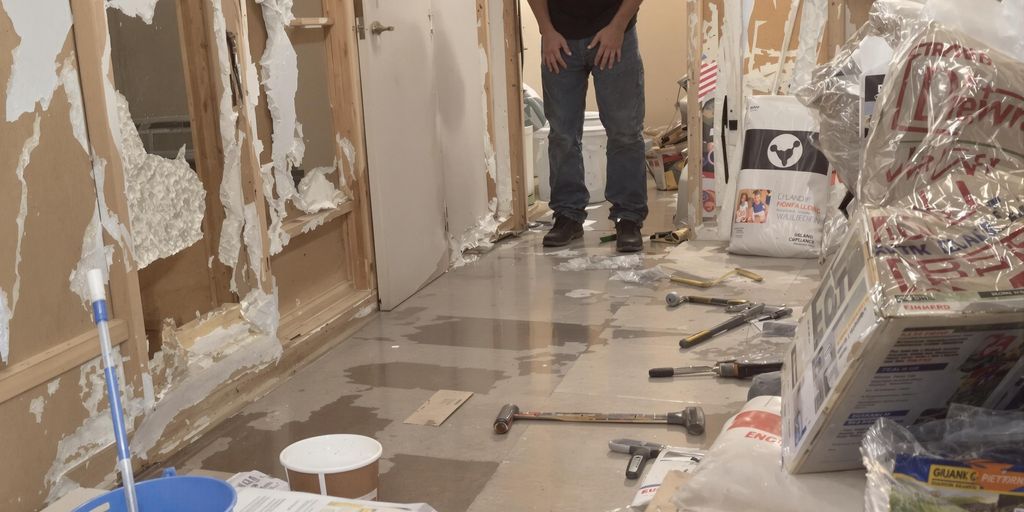
When floodwaters recede, the real work begins. Start by inspecting your home for signs of structural damage. Look for cracks in the walls, sagging ceilings, or warped floors. Pay close attention to the foundation, as even small cracks can signal bigger issues. Also, check for doors or windows that no longer close properly—this could mean the building has shifted. If you’re unsure, it’s always better to consult a professional.
Repairing Walls, Floors, and Foundations
Once you’ve identified the damage, it’s time to make repairs. For walls, you might need to replace water-damaged drywall or insulation. Floors that have warped or buckled will likely need to be removed and replaced. Foundation repairs, however, are more complex and often require the expertise of a contractor. Remember, a structure is considered Substantially Damaged if repair costs exceed 50% of its market value, which means you must meet current building codes.
When to Call a Structural Engineer
Sometimes, the damage is too severe for DIY fixes. If you notice large cracks, bowing walls, or significant settling, call a structural engineer immediately. They can assess the extent of the damage and recommend the safest way to proceed. This step isn’t just about fixing your home—it’s about ensuring it’s safe for your family to live in again.
Don’t rush the repair process. Taking the time to properly assess and fix structural issues now will save you headaches—and money—down the road.
Mold Remediation and Prevention Strategies
Recognizing Early Signs of Mold Growth
Mold can start growing in as little as 24 to 48 hours after a flood. Watch out for discoloration on walls, ceilings, or floors, as well as a musty odor. Ignoring these signs can lead to serious health risks and extensive property damage. Early detection is key to minimizing the impact.
Hiring Professional Mold Removal Services
Sometimes, cleaning up mold on your own just won’t cut it. That’s when you need to consider professional help. Companies like Ruach Home Services specialize in identifying mold sources, safely removing affected materials, and treating the area to prevent regrowth. Professionals use advanced tools and techniques to ensure thorough cleaning, saving you time and reducing risks.
Maintaining a Mold-Free Environment
Keeping your home mold-free doesn’t stop after removal. Here are a few tips:
- Keep humidity levels below 50% using dehumidifiers or air conditioners.
- Fix leaks in your roof, walls, or plumbing as soon as they’re spotted.
- Regularly clean and dry areas prone to moisture, like bathrooms and basements.
A mold-free home is not just about aesthetics; it’s about protecting your family’s health and your property’s value.
Choosing the Right Flood Damage Repair Service
Evaluating Experience and Certifications
When it comes to picking a flood repair service, experience really matters. Companies with years under their belt tend to handle tricky situations better. Check if their technicians hold certifications like IICRC (Institute of Inspection Cleaning and Restoration Certification). These ensure they’re trained in the latest techniques. Experienced teams can spot hidden damage and fix it right the first time.
Checking References and Reviews
Don’t just take a company’s word for it—dig into their reputation. Ask for references and actually call past clients to see how their experience went. Online reviews are another goldmine. Look for consistent praise about their professionalism and reliability. Watch out for companies with a lot of complaints or vague responses to issues.
Understanding Cost Estimates and Transparency
Flood repairs aren’t cheap, so get detailed cost estimates upfront. A good company will break down every charge and explain it. Beware of quotes that seem too good to be true—they often come with hidden fees or subpar work. Clear communication about costs and timelines can save you a lot of headaches later.
Picking the right service isn’t just about fixing your home; it’s about peace of mind during a stressful time. Take your time to choose wisely.
Restoring Electrical and Plumbing Systems
Inspecting Electrical Systems for Safety
Flooding can wreak havoc on your home’s electrical system, posing serious safety risks. Before you even think about flipping a light switch, hire a licensed electrician to inspect the wiring, outlets, and circuit breakers. Damaged electrical components must be replaced to avoid fires or electric shocks.
Here’s a quick checklist for electrical safety after a flood:
- Shut off power at the main breaker (if it’s safe to access).
- Look for signs of corrosion or water damage in outlets and switches.
- Replace any submerged appliances or electronics—they’re likely unsafe.
Repairing Damaged Plumbing Fixtures
Floodwaters don’t just stop at electrical systems—they often leave plumbing in shambles. Pipes can crack, fixtures may loosen, and sewer lines might clog. Start by assessing visible damage, but don’t overlook hidden issues. Call a plumber to:
- Check for leaks or cracks in pipes.
- Test water pressure to ensure it’s back to normal.
- Clear blockages in drains or sewer lines caused by debris.
Pro Tip: After a flood, inspect drains and sewer lines for blockages. Ignoring this step can lead to backups and even more damage.
Upgrading Systems to Prevent Future Issues
Once repairs are done, take it a step further by upgrading. Modern electrical panels and plumbing systems are designed to withstand more wear and tear. Consider installing:
- Ground fault circuit interrupters (GFCIs) to cut power during surges.
- Backflow preventers to stop sewage from re-entering your home.
- Elevated outlets and pipes to keep them above flood levels.
Investing in upgrades now can save you from headaches—and expenses—down the road.
Preventing Future Flood Damage
Installing Flood Barriers and Sump Pumps
Flood barriers and sump pumps are two of the most effective tools to keep water out of your home. Flood barriers act as a shield, stopping water from entering vulnerable areas like doors or windows. On the other hand, sump pumps remove water that manages to seep into basements or crawl spaces. When choosing a sump pump, look for one with a battery backup, so it keeps working even during power outages.
- Types of flood barriers to consider:
- Key sump pump features:
Improving Home Drainage Systems
A poorly designed drainage system can turn minor rain into a major problem. Start by checking your gutters and downspouts. They should be clean and direct water at least 10 feet away from your home. If your yard tends to collect water, consider installing a French drain or grading your landscape to slope away from the house.
Here’s a quick checklist for better drainage:
- Clean gutters twice a year.
- Extend downspouts to discharge water far from the foundation.
- Install a French drain for areas prone to pooling.
- Regrade your yard if water flows toward your home.
Ensuring Adequate Flood Insurance Coverage
Even with the best prevention strategies, floods can still happen. That’s why having the right insurance is so important. Standard homeowner policies often don’t cover flood damage, so you’ll need a separate flood insurance policy. Take time to review your coverage limits and ensure they reflect the current value of your home and belongings.
Flood insurance isn’t just about repairing damage; it provides peace of mind knowing you’re financially protected if the worst happens.
When shopping for flood insurance, ask about:
- Coverage for structural damage
- Replacement costs for personal belongings
- Waiting periods before the policy becomes active
By combining physical barriers, improved drainage, and proper insurance, you can significantly reduce the risk of future flood damage and protect your home and family.
To stop future flood damage, it’s important to take some simple steps. First, make sure your gutters and downspouts are clean and working well. This helps direct water away from your home. Next, consider using sandbags or barriers during heavy rain to protect your property. Lastly, if you have a basement, think about installing a sump pump to remove water quickly. For more tips and help, visit our website today!
Wrapping It Up
Dealing with flood damage is no small task, but it’s not something you have to face alone. Taking quick action, staying safe, and leaning on the right professionals can make all the difference. Whether it’s drying out your home, fixing structural issues, or preventing future problems, every step matters. Remember, it’s a process—don’t rush it. With a bit of patience and the right help, you’ll have your home back to being a safe and comfortable place for you and your family. You’ve got this!
Frequently Asked Questions
What should I do first after my home floods?
Your top priority should be safety. Turn off the electricity and gas if it’s safe to do so. Avoid entering the home until you’re sure it’s structurally sound. Wear protective gear like gloves and boots to protect yourself from contaminated water.
How can I prevent mold after a flood?
To prevent mold, act quickly. Remove standing water and dry out the affected areas using fans, dehumidifiers, and proper ventilation. If mold has already started to grow, consider hiring professionals to handle the cleanup.
When should I call a professional for flood damage repair?
It’s a good idea to call a professional if the damage is extensive, if there’s mold growth, or if you’re unsure about the safety of your home’s structure. Experts have the tools and experience to handle severe damage effectively.
What equipment do professionals use for water removal?
Professionals use specialized tools like industrial-grade pumps, wet vacuums, air movers, and dehumidifiers to remove water and moisture efficiently. These tools help speed up the drying process and prevent further damage.
How can I choose a reliable flood damage repair service?
Look for a service with good reviews, proper certifications, and transparent pricing. Ask for references and check their experience in handling similar situations. A reliable service will communicate openly and provide detailed cost estimates.
What steps can I take to avoid future flood damage?
You can install flood barriers, sump pumps, and improve your home’s drainage system. Also, consider getting adequate flood insurance to protect against financial losses.