In 2025, the world of home and business services is evolving like never before. With technology advancing at breakneck speed, businesses and homeowners alike are finding new ways to streamline their operations, save money, and improve their overall quality of life. From AI-driven solutions to sustainable practices, the landscape is filled with opportunities to make life easier and more efficient. Let’s dive into the key takeaways from this exciting era of ‘all services’ that are shaping the future.
Key Takeaways
- AI is becoming a big part of everyday services, changing how we live and work.
- Smart home tech is making our homes more comfortable and efficient.
- Businesses are using digital tools to grow and reach more customers.
- Sustainable practices are helping both homes and businesses go green.
- New rules in 2025 are shaping how services are delivered and used.
Maximizing Efficiency with All Services for Home and Business
Streamlining Operations with Integrated Solutions
In 2025, integrated solutions are the backbone of streamlined operations for both homes and businesses. Imagine having a single platform that manages everything from scheduling to billing. This kind of integration not only saves time but also reduces errors, allowing you to focus on what truly matters. Businesses can benefit from software that consolidates tasks, while homeowners might enjoy a smart home system that controls lighting, security, and climate from a single app.
Enhancing Productivity through Automation
Automation is no longer a luxury; it’s a necessity. Whether it’s using automated chatbots for customer service or having a robotic vacuum clean your house, these technologies free up valuable time for more important tasks. For businesses, automation tools can handle repetitive tasks, such as data entry and report generation, while homes can benefit from automated lighting and appliance control.
Cost-Effective Strategies for Small Businesses
Small businesses are always looking for ways to cut costs without sacrificing quality. Implementing cost-effective strategies like utilizing cloud services or adopting a remote work model can significantly reduce overhead expenses. Additionally, small businesses can explore affordable financing options for home improvement projects, ensuring they have the resources needed to grow without financial strain.
In the fast-paced world of 2025, efficiency isn’t just about working harder; it’s about working smarter. By embracing integrated solutions and automation, both homes and businesses can achieve more with less effort.
Innovative Technologies Transforming All Services in 2025
The Rise of AI in Everyday Services
Artificial Intelligence (AI) is not just a buzzword anymore; it’s reshaping how we live and work. In 2025, AI is becoming more integrated into daily services, making tasks easier and more efficient. AI agents are now enhancing software platforms, allowing companies to extend their lifespan without frequent costly upgrades. This shift is not just about saving money; it’s about creating smarter solutions that adapt to user needs over time. AI is transforming industries by providing smarter, more adaptive solutions.
Smart Home Innovations for Better Living
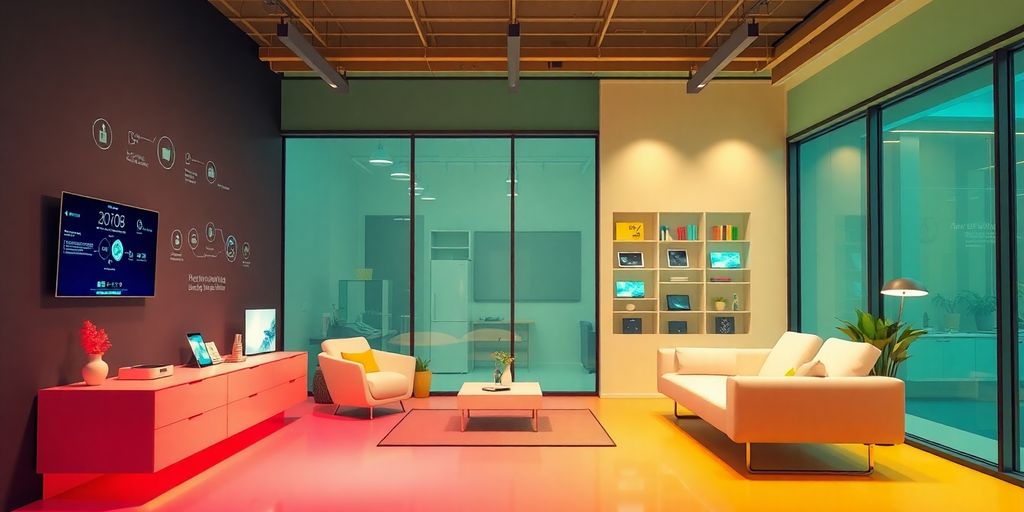
Smart homes are no longer a thing of the future—they’re here and transforming how we live. With advancements in technology, homes are becoming more intuitive, adjusting lighting, temperature, and even security based on our habits and preferences. Imagine a home that knows when you’re coming back and sets the perfect ambiance for you. These innovations not only provide comfort but also enhance energy efficiency, making living spaces more sustainable.
Digital Solutions for Business Growth
Businesses are leveraging digital solutions to drive growth and efficiency. From AI-driven analytics to cloud-based platforms, technology is enabling companies to make data-driven decisions faster. This is especially crucial for small businesses looking to compete with larger players. With digital tools, they can streamline operations, improve customer engagement, and expand their market reach. The future of business is digital, and those who embrace these technologies will thrive.
Sustainable Practices in All Services for a Greener Future
Eco-Friendly Home Services You Can Trust
In 2025, eco-friendly home services are not just a trend—they’re becoming a necessity. Companies like Ruach Home Services are leading the charge by offering a range of sustainable options, from energy-efficient remodeling to eco-conscious damage restoration. Homeowners can now opt for services that not only fix and enhance their living spaces but also contribute to a healthier planet. When you choose eco-friendly services, you’re investing in a future that prioritizes both your home’s integrity and the environment.
Sustainable Business Solutions for Long-Term Success
Businesses are increasingly adopting sustainable practices to ensure long-term success. By integrating AI and other smart technologies, companies can drastically reduce their carbon footprint. AI helps in collecting and analyzing sustainability data, which can streamline operations and cut down on waste. This shift not only benefits the environment but also improves a company’s bottom line by reducing costs and appealing to eco-conscious consumers. Sustainability is no longer a choice; it’s a strategic imperative for businesses aiming for resilience and growth.
Reducing Carbon Footprint with Smart Technologies
Smart technologies play a pivotal role in reducing carbon footprints across various sectors. From AI-driven energy management systems to smart grids, technology is helping both homes and businesses become more energy-efficient. Here’s how smart tech is making a difference:
- Energy Management: AI can optimize energy use in real-time, reducing waste and lowering bills.
- Smart Grids: These systems distribute energy more efficiently, ensuring that renewable sources are used effectively.
- Automated Systems: From smart thermostats to lighting, automation helps maintain energy efficiency with minimal human intervention.
Embracing smart technologies isn’t just about keeping up with trends—it’s about making a meaningful impact on the planet. As we move forward, the integration of these technologies will be crucial in achieving sustainability goals.
Enhancing Customer Experience with All Services
Personalized Services for Unique Needs
In 2025, businesses are zeroing in on personalization to keep customers happy. Tailoring services to individual needs isn’t just a nice-to-have anymore—it’s a must. Companies are using data to understand what customers want, crafting experiences that feel just right for each person. From customized product recommendations to personalized communication, businesses are making every interaction count.
Leveraging AI for Superior Customer Support
AI is changing the game in customer service. With AI, companies can offer support that’s not just fast, but smart. Chatbots and virtual assistants are handling simple queries, freeing up human agents for more complex issues. This blend of AI and human touch ensures customers get the help they need, when they need it. It’s about making support more efficient and less frustrating.
Building Trust with Transparent Practices
Trust is everything in today’s market. Companies are finding that being open about their practices builds customer loyalty. Whether it’s about how data is used or the steps taken to ensure product quality, transparency is key. Customers appreciate honesty, and businesses that communicate openly often find themselves rewarded with long-term relationships.
In a world where choices are endless, the companies that stand out are those that truly understand and respect their customers’ needs. It’s about creating a connection that goes beyond transactions.
Navigating the Regulatory Landscape for All Services
Understanding Compliance in 2025
In 2025, compliance is more than just a buzzword; it’s a necessity for businesses. With regulations constantly changing, staying on top of them can feel like a full-time job. Businesses need to be proactive in understanding the rules that affect their operations. Compliance isn’t just about avoiding fines; it’s about building trust with customers and stakeholders.
- Regularly review updates in legislation to stay compliant.
- Implement training programs to ensure all employees understand compliance requirements.
- Use technology to automate compliance monitoring and reporting.
Adapting to New Consumer Privacy Laws
Consumer privacy laws are getting stricter, and businesses must adapt. Customers expect their data to be handled with care, and any breach can lead to serious consequences. Businesses should focus on transparency and communication to build trust.
- Conduct regular audits of data practices to ensure compliance.
- Update privacy policies and make them accessible to consumers.
- Invest in secure technology to protect consumer data.
Ensuring Data Security Across Platforms
Data security is a top priority for businesses in 2025. With the rise of digital services, protecting sensitive information is more important than ever. Companies must adopt robust security measures to safeguard their data.
- Implement multi-factor authentication to enhance security.
- Regularly update and patch software to prevent vulnerabilities.
- Educate employees about the importance of data security.
In today’s digital age, data security is not just a technical issue but a business imperative. Companies that prioritize security will build stronger relationships with their customers and gain a competitive edge.
For businesses like Ruach Home Services, understanding these regulatory landscapes means offering not just quality home services, but also peace of mind to their customers through secure and compliant practices.
The Economic Impact of All Services on Local Communities
Job Creation through Service Expansion
The expansion of services in local communities has a significant impact on employment. By broadening the range of services available, communities can create a variety of job opportunities. This not only helps reduce unemployment but also stimulates local economies. Service expansion leads to more job openings, ranging from entry-level positions to more specialized roles. This variety ensures that individuals with different skills and backgrounds can find suitable employment.
Supporting Local Economies with Home-Based Businesses
Home-based businesses play a crucial role in supporting local economies. These enterprises often source materials locally, which helps to keep money within the community. Additionally, home-based businesses contribute to the diversity and resilience of the local economy. They offer unique products and services, attracting customers who seek personalized and niche offerings. This not only benefits the business owners but also enriches the community’s economic landscape.
Community Engagement and Development Initiatives
Engaging with the community is essential for the sustainable development of local services. Service providers that actively participate in community development initiatives can build strong relationships with residents. This involvement can take various forms, such as sponsoring local events, supporting educational programs, or investing in community infrastructure. By doing so, they foster a sense of community pride and collaboration, which can lead to further economic and social benefits.
In 2025, the economic landscape of local communities is expected to evolve, with service expansion playing a pivotal role in shaping the future. As panelists discuss the potential outcomes for Iowa’s economy, it’s clear that a focus on local services can drive growth and resilience.
Future Trends in All Services for Home and Business
Predictive Analytics for Better Decision Making
Predictive analytics is shaping up to be a game-changer for both homes and businesses. By analyzing patterns and trends, these tools help predict future outcomes, allowing for smarter decisions. For instance, homeowners can foresee maintenance needs before they become costly repairs. Businesses can anticipate market shifts and adjust strategies proactively. Predictive analytics is not just about data; it’s about foresight.
The Role of Blockchain in Service Delivery
Blockchain technology is not just for cryptocurrencies anymore. It’s becoming vital in service delivery by ensuring transparency and security. Imagine a home service that uses blockchain to verify the quality and authenticity of products and services. This tech is also revolutionizing business contracts, making them more secure and less prone to fraud. In 2025, blockchain is all about building trust.
Embracing Change: Preparing for the Future
Change is inevitable, and embracing it is crucial for growth. Whether it’s adopting new technologies or shifting business models, being adaptable is key. Homeowners might start integrating more smart technologies for efficiency and sustainability. Businesses could pivot towards more digital solutions to stay competitive. Here’s a quick checklist for embracing change:
- Stay informed about technological advancements
- Be open to experimenting with new tools
- Continuously gather and act on customer feedback
As we look to the future, the ability to adapt and innovate will separate the leaders from the followers in the service industry.
These trends highlight the importance of staying ahead of the curve. Whether you’re a homeowner or a business leader, keeping an eye on these developments will be essential for navigating the future landscape of services.
As we look ahead, the future of home and business services is bright and full of exciting possibilities. Innovations in technology and customer service are set to transform how we manage our spaces. From smart home solutions to eco-friendly remodeling options, there’s something for everyone. Don’t miss out on these trends! Visit our website to learn more about how we can help you stay ahead of the curve and make your home or business the best it can be!
Wrapping It Up: The Future of Home and Business Services
So, there you have it. As we look ahead to 2025, it’s clear that the landscape for home and business services is evolving fast. Whether you’re running a small business from your living room or managing a larger enterprise, the opportunities are endless. With technology advancing at lightning speed, and new trends emerging every day, there’s never been a better time to explore what these services can do for you. From boosting efficiency to enhancing customer experiences, the benefits are real and within reach. So, why not dive in and see how you can make the most of what’s out there? The future is bright, and it’s yours for the taking.
Frequently Asked Questions
What are the key benefits of using all services for home and business in 2025?
In 2025, all services for home and business are designed to maximize efficiency and productivity. They integrate advanced technologies like AI and automation, making everyday tasks easier and more cost-effective. This helps businesses grow and homes run smoothly.
How is AI changing services in 2025?
AI is revolutionizing services by offering smarter solutions for both homes and businesses. It helps automate routine tasks, provides personalized experiences, and enhances decision-making, making services more efficient and user-friendly.
What sustainable practices are being adopted in services?
Services are adopting eco-friendly practices to reduce their carbon footprint. This includes using energy-efficient technologies, promoting recycling, and offering green alternatives to traditional services, contributing to a healthier planet.
How do all services enhance customer experience?
All services are focusing on personalized experiences to meet unique customer needs. By leveraging AI, they provide faster, more accurate support and build trust through transparent practices, ensuring customer satisfaction.
What are the regulatory challenges for services in 2025?
In 2025, services must navigate new regulations, including consumer privacy laws and data security measures. Understanding and complying with these regulations is crucial for businesses to operate smoothly and maintain customer trust.
How do all services impact local communities economically?
All services contribute to local economies by creating jobs and supporting small businesses. They encourage community engagement and development, fostering a thriving local economy and improving quality of life for residents.