
Thinking about giving your home a makeover in 2025? You’re not alone. Home renovations can breathe new life into your space, but they often come with a hefty price tag. Whether it’s a new kitchen, an extra bathroom, or a complete home overhaul, finding the right way to fund these projects is crucial. In this article, we’ll explore various financing options available to homeowners looking to renovate, helping you decide which path might be the best fit for your needs.
Key Takeaways
- Home renovation loans can be a great option if you’re looking to borrow against the future value of your property.
- Home equity options like HELOCs can offer flexibility but come with their own set of risks.
- Government programs may provide financial assistance for energy-efficient home upgrades.
- Cash-out refinancing might be worth considering if you want to tap into your home’s equity at a potentially lower interest rate.
- Credit cards can be used for smaller projects, but watch out for high interest rates.
Understanding Home Renovation Loans
Home renovation loans can be a great way to finance your remodeling projects. They allow you to borrow money based on the future value of your home after renovations. This can give you more borrowing power compared to other financing options. But, it’s important to know the different types of loans available and weigh their advantages and disadvantages.
Types of Home Renovation Loans
There are several types of home renovation loans, each catering to different needs:
- FHA 203(k) Loans: These are government-backed loans that cover the cost of buying and renovating a home. They’re a popular choice for those buying fixer-uppers.
- Fannie Mae HomeStyle Loans: Similar to the FHA 203(k), these loans also cover purchase and renovation costs. However, they offer more flexibility in terms of property types and renovation scope.
- Personal Loans: Although not specifically for renovations, personal loans can be used for home improvements. They typically have higher interest rates but don’t require home equity.
- Home Renovation Loan: This type of loan is specifically designed for renovations, allowing you to borrow against the after-renovation value of your home.
Pros and Cons of Renovation Loans
When considering a renovation loan, it’s crucial to weigh the pros and cons:
Pros:
- Increased Borrowing Power: You can borrow based on the future value of your home.
- Comprehensive Financing: Covers both purchase and renovation costs.
- Flexible Options: Different loan types to suit various needs.
Cons:
- Higher Interest Rates: Renovation loans often come with higher rates compared to traditional mortgages.
- Complex Process: These loans can involve more paperwork and inspections.
- Potential Delays: The approval process can be longer, sometimes taking months.
How to Qualify for a Renovation Loan
Qualifying for a renovation loan involves several steps:
- Credit Score: A good credit score is essential. Most lenders require a score of at least 620.
- Income Verification: You’ll need to provide proof of income to ensure you can repay the loan.
- Property Appraisal: The lender will require an appraisal to determine the after-renovation value of your home.
Taking the time to understand your financing options can make a big difference in how smoothly your renovation project goes. Make sure to do your research and choose the best loan type for your situation.
In conclusion, home renovation loans can be a powerful tool for transforming your living space. By understanding the different types and their pros and cons, you can make a smart decision that aligns with your financial goals.
Exploring Home Equity Options
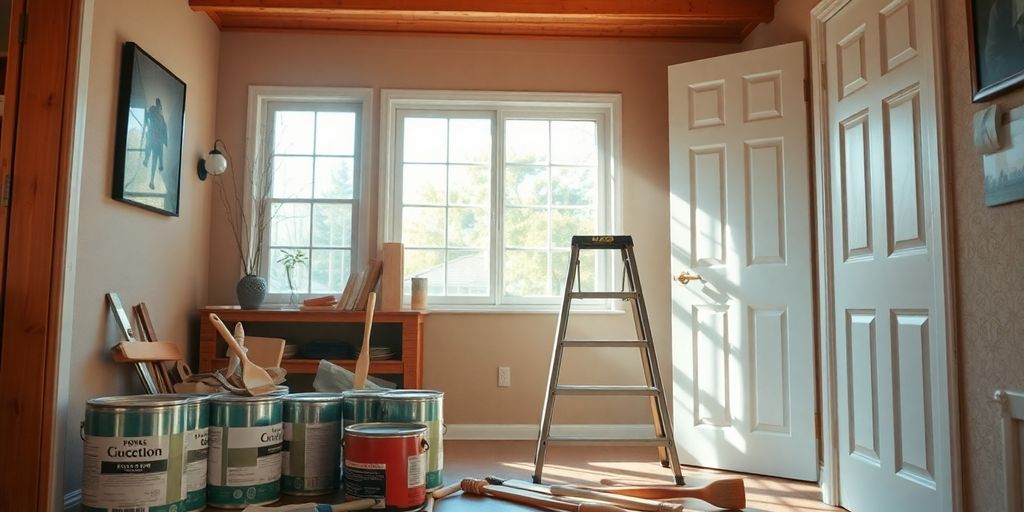
When considering financing for home renovations, tapping into your home’s equity can be a smart move. This section explores the different home equity options available, weighing their benefits and risks.
Home Equity Loans vs. HELOCs
Home equity loans and Home Equity Lines of Credit (HELOCs) are two popular ways to use your home’s value for financing. Home equity loans provide a lump sum with a fixed interest rate, meaning your monthly payments remain constant. This can be beneficial if you prefer predictable payments. On the other hand, a HELOC offers a revolving line of credit, allowing you to borrow as needed, which can be ideal for ongoing projects. However, HELOCs often come with variable interest rates, so your payments can fluctuate.
Benefits of Using Home Equity
Using home equity for renovations can offer several advantages:
- Lower Interest Rates: Typically, home equity loans and HELOCs have lower interest rates compared to personal loans or credit cards.
- Tax Deductions: Interest on home equity loans or HELOCs may be tax-deductible if used for home improvements.
- Larger Loan Amounts: You can often borrow more compared to unsecured loans because you’re using your home as collateral.
Risks Involved with Home Equity Financing
Despite the benefits, there are risks to consider:
- Equity Requirement: You need sufficient equity in your home, which might be a challenge for newer homeowners.
- Market Fluctuations: If the housing market declines, you could owe more than your home is worth.
- Foreclosure Risk: Defaulting on these loans could lead to losing your home, as it serves as collateral.
When leveraging home equity for renovations, it’s crucial to weigh these options carefully. Consider your financial situation and long-term goals to decide if this path aligns with your needs.
Government Assistance Programs for Renovations
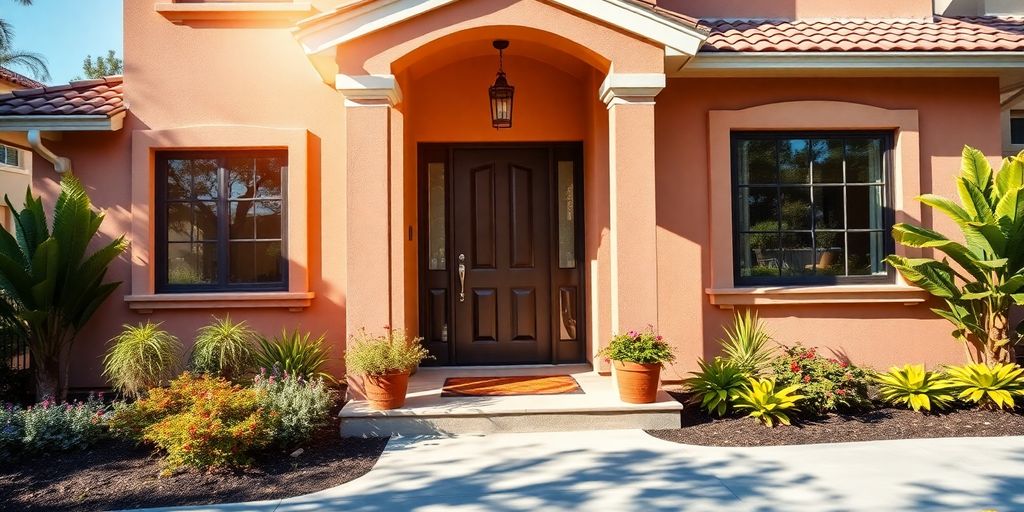
Exploring government assistance programs might be a great way to fund your home renovation without breaking the bank. These programs can provide financial support, especially if you’re looking to make energy-efficient improvements.
Federal Housing Administration Loans
The Federal Housing Administration (FHA) offers loans specifically designed for home renovations. These include Title I loans and Energy Efficient Mortgages (EEMs). Title I loans can be used for both small and large home improvements, while EEMs provide extra financing for energy-saving upgrades. These loans can be a lifeline for homeowners who need to make necessary repairs but lack the upfront cash.
Energy Efficient Mortgages
Energy Efficient Mortgages allow you to incorporate the cost of energy improvements into your primary mortgage. This means you can make eco-friendly upgrades like installing solar panels or upgrading insulation without needing a separate loan. Energy efficiency not only helps the environment but can also reduce your utility bills in the long run.
State and Local Incentives
Many states and local governments offer incentives to encourage home renovations that improve energy efficiency. These can come in the form of tax credits, rebates, or low-interest loans. For example, ReCoverCA provides financial assistance to homeowners in disaster-affected areas, helping them rebuild and improve their homes. Always check with your local government to see what programs might be available to you.
Government assistance programs can be a smart choice for homeowners looking to improve their homes without taking on high-interest debt. By exploring these options, you can find the support you need to enhance your living space while keeping costs manageable.
Cash-Out Refinancing for Home Improvements
How Cash-Out Refinancing Works
Cash-out refinancing is like hitting two birds with one stone. You refinance your mortgage and pull out some of your home equity as cash. Here’s the deal: you get a new mortgage that’s bigger than what you owe, and the difference comes to you as cash to use for renovations. This can be a smart move if you need a big chunk of money and have built up a good amount of equity in your home. But remember, you’ll need more than 20% equity, a new appraisal to confirm your home’s value, and a decent credit score to qualify.
When to Consider Cash-Out Refinancing
Think about cash-out refinancing if:
- Mortgage rates are lower now than when you originally bought your house.
- You have significant equity built up.
- You want to combine your renovation financing with your mortgage into one monthly payment.
It’s not for everyone, though. If you’ve just bought your home or don’t have much equity, this might not be your best bet.
Potential Drawbacks of Cash-Out Refinancing
While cash-out refis can be handy, they come with some downsides:
- You might end up with higher monthly payments.
- Closing costs can be steep, cutting into the cash you get.
- Most lenders cap your borrowing at 80% of your home’s current value, which could limit your funds.
A cash-out refinance can be a powerful tool for funding home improvements, but it’s crucial to weigh the costs against the benefits and consider your long-term financial goals.
Before diving in, make sure to crunch the numbers and see if this really suits your situation.
Personal Loans for Home Renovations
Advantages of Personal Loans
Personal loans can be a lifesaver when you’re looking to spruce up your home without the hassle of tapping into your home equity. These loans are unsecured, meaning you don’t have to put your house on the line. This makes them a popular choice for smaller projects. You can get your hands on the cash pretty quickly, often without a lengthy approval process. Need to borrow just a little? Personal loans are great for smaller amounts, typically under $20,000, making them ideal for minor renovations or repairs.
Interest Rates and Terms
When it comes to interest rates, personal loans are kind of a mixed bag. They tend to be higher than those for secured loans, ranging from 8% to 15%, depending on your credit score and the lender. Plus, you might encounter origination fees, which can add up. The good news? The payback terms are usually between five and ten years, which is manageable for many folks. But remember, the quicker you pay it off, the less interest you’ll end up paying.
Eligibility Criteria for Personal Loans
To snag a personal loan, you’ll need to have a decent credit score. Lenders like to see a solid credit history with on-time payments. They’ll also look at your income and existing debts to determine if you can handle another payment. While some lenders offer loans up to $100,000, most people won’t qualify for that much. It’s always a good idea to check your credit report before applying, so you know where you stand.
Personal loans can be a smart choice for homeowners without equity, but it’s important to weigh the costs and benefits. Consider the interest rates and fees, and make sure the loan fits into your budget before diving in.
For more detailed information on how you can explore personal loan options for home improvement, consider the various amounts and terms available to suit your renovation needs.
Using Credit Cards for Home Renovations
Pros and Cons of Credit Card Financing
Using a credit card for your home renovation can be a smart move, especially for smaller projects. Credit cards offer convenience and speed, allowing you to purchase materials and pay contractors without waiting for loan approvals. Plus, if you have a card with a 0% introductory APR, you could finance your renovations without paying interest for a set period.
However, there are downsides. Credit cards typically have higher interest rates compared to other financing options. If you can’t pay off the balance quickly, you might end up paying more in interest than you would with a loan. It’s also easy to overspend and max out your card, which can negatively impact your credit score.
Managing Credit Card Debt
When using credit cards for renovations, it’s important to manage your debt wisely. Start by setting a budget for your project and stick to it. Pay off the balance as soon as possible to avoid high interest charges. If you’re using a no-interest introductory credit card, make sure to pay off the full balance before the promotional period ends to avoid retroactive interest.
Consider setting up automatic payments to ensure you don’t miss any due dates. Keeping track of your spending and regularly reviewing your statements can also help you stay on top of your debt.
Alternatives to Credit Card Financing
If credit card financing doesn’t seem right for you, there are other options to consider. Personal loans can be a good alternative, especially if you need to borrow a larger sum. They often come with fixed interest rates and set repayment terms, which can make budgeting easier.
Home equity loans or lines of credit might also be worth exploring if you have significant equity in your home. These options typically offer lower interest rates than credit cards, making them more cost-effective for larger projects.
Using credit cards for home renovations can be a convenient and quick solution, but it’s essential to weigh the pros and cons carefully. Consider your financial situation and explore all available options before deciding.
Evaluating the Best Financing Option for Your Needs
Factors to Consider When Choosing a Loan
When you’re knee-deep in planning a home renovation, the financing choice can feel like a big puzzle. Each option has its own quirks, so it’s crucial to weigh them against your personal situation. Consider the loan amount you need, the interest rates, and how long you’re comfortable making payments. If you’re eyeing a Ruach Home Services financing option, think about how it fits into your overall budget and renovation plan.
Comparing Interest Rates and Fees
Here’s where the numbers game really kicks in. Different loans come with varying interest rates and fees, so it’s a good idea to line them up side by side. A simple table can help:
| Loan Type | Interest Rate Range | Fees |
|---|---|---|
| Home Equity Loan | 3%-7% | Appraisal Fee |
| Personal Loan | 8%-30% | Origination Fee |
| Credit Card | 15%-25% | Annual Fee |
Remember, a lower interest rate might come with higher fees, so do the math to see the real cost over time.
Long-Term vs. Short-Term Financing
Deciding between long-term and short-term financing is like choosing between a marathon and a sprint. Long-term options, like home equity loans, spread payments out, which can be easier on the monthly budget. But short-term loans, such as personal loans, might cost less in interest overall. Think about how quickly you can realistically pay off the debt without straining your finances.
Picking the right financing isn’t just about the numbers. It’s about finding a balance that keeps your financial health intact while making your home renovation dreams a reality.
When it comes to finding the right way to pay for your home repairs or upgrades, it can feel overwhelming. But don’t worry! We’re here to help you choose the best financing option that fits your needs. Visit our website today to learn more about how we can assist you in making your home dreams a reality!
Wrapping It Up
So, there you have it. Renovating your home is a big deal, and figuring out how to pay for it can be just as daunting. But with the right financing option, you can make your dream home a reality without breaking the bank. Whether you go for a home renovation loan, tap into your home equity, or even consider a RenoFi loan, each option has its perks and pitfalls. Take your time, weigh the pros and cons, and choose what fits your situation best. Remember, the goal is to enhance your living space while keeping your finances in check. Happy renovating!
Frequently Asked Questions
What are the different types of home renovation loans?
There are several options for home renovation loans, including personal loans, home equity loans, and government-backed loans like the FHA 203k. Each has its own terms and conditions, so it’s important to choose the one that fits your needs.
How do home equity loans and HELOCs work for renovations?
Home equity loans give you a lump sum of money based on your home’s value, while HELOCs offer a line of credit you can draw from as needed. Both use your home as collateral.
What should I consider before using a credit card for home improvements?
Using a credit card can be convenient, but it often comes with higher interest rates. It’s important to manage your spending and pay off the balance quickly to avoid large interest charges.
Are there government programs to help with home renovation costs?
Yes, programs like the Federal Housing Administration loans and Energy Efficient Mortgages can help cover renovation costs. Check for state and local incentives as well.
When is cash-out refinancing a good option for home improvements?
Cash-out refinancing might be a good choice if you can secure a lower interest rate than your current mortgage. It allows you to take out a new mortgage for more than you owe and use the extra cash for renovations.
What factors should I consider when choosing a financing option for my renovation?
Consider how much money you need, how quickly you can repay, and the interest rates. Think about whether you want to use your home as collateral and how comfortable you are with monthly payments.