
Looking for home damage repair services nearby? You’re not alone. Whether it’s a leaky roof or a cracked foundation, finding the right help can feel like a chore. With so many options out there, it’s hard to know who to trust. This guide is here to make things easier for you. We’ll walk you through the steps to find reliable repair services in 2025, ensuring your home gets the care it needs without the hassle.
Key Takeaways
- Identify the type of home damage you have to find specialized repair services.
- Research local contractors and verify their credentials before hiring.
- Always get multiple quotes to compare costs and services offered.
- Understand your insurance policy to maximize your claim benefits.
- Consider preventive measures to avoid future home damage.
Understanding Home Damage Repair Services
Types of Home Damage Repairs
Home damage repair services cover a wide range of issues that can affect your home. Common types include:
- Water Damage Repair: This involves fixing leaks, removing water, and drying out affected areas. It’s crucial to address water damage quickly to prevent mold growth.
- Fire Damage Restoration: This includes cleaning up soot, removing smoke odor, and repairing structural damage caused by fire.
- Storm Damage Repair: Involves repairing roofs, windows, and siding damaged by severe weather conditions.
Common Causes of Home Damage
Understanding what causes home damage can help in prevention and quick action when needed. Common causes include:
- Natural disasters like storms, floods, and earthquakes.
- Accidents such as fires or burst pipes.
- Wear and tear over time, leading to structural issues.
The Importance of Timely Repairs
Timely repairs are essential to prevent further damage and maintain the safety and value of your home. Ignoring small issues can lead to larger, more expensive problems down the road.
Addressing home damage promptly can save you money and stress in the long run. It’s not just about fixing what’s broken, but also about preserving your home’s integrity and your peace of mind.
For those in the DMV area, finding a reliable home repair service ensures your home gets the attention it needs, with a focus on quality and customer satisfaction.
Choosing the Right Contractor for Home Damage Repair
Researching Local Contractors
Finding the right contractor can sometimes feel like a daunting task, but it’s all about doing your homework. Start by asking around—friends, family, or neighbors might have some good recommendations. You can also check online reviews to see what others are saying. Word of mouth is often the best way to find someone reliable. Make a list of potential contractors and do a quick background check to ensure they have a solid reputation.
Questions to Ask Potential Contractors
Once you’ve narrowed down your list, it’s time to interview them. Here are some questions you might want to ask:
- How long have you been in business?
- Can you provide references from past clients?
- What kind of insurance do you carry?
- Are you licensed to work in this area?
- What is your estimated timeline for this project?
These questions will help you gauge their experience and reliability.
Checking Credentials and References
Before you sign anything, make sure to verify their credentials. This includes checking their licenses and insurance. It’s also a good idea to contact their references to get a sense of their work quality and professionalism. Don’t hesitate to ask for proof of insurance—this protects you in case something goes wrong during the project.
Taking the time to choose the right contractor can save you a lot of headaches down the line. It’s worth the effort to ensure you’re hiring someone who is both qualified and trustworthy.
For those in need of professional home repair services, Ruach Home Services is a great option to consider. They specialize in damage restoration and have a strong reputation for quality and customer satisfaction.
Evaluating Costs and Estimates for Repairs
Understanding Repair Estimates
When you’re looking into home repairs, getting an estimate is like trying to read a foreign language. Each contractor might have their own way of breaking down costs, so it’s crucial to know what you’re looking at. Typically, estimates will include labor, materials, and sometimes a bit extra for unexpected issues. Don’t be shy about asking the contractor to explain each part of the estimate. You want to know exactly what you’re paying for, right?
Comparing Quotes from Different Contractors
Now, let’s talk about getting multiple quotes. It’s a bit like shopping around for a new phone. You wouldn’t just buy the first one you see, would you? Aim to get at least three estimates. This way, you can compare and see if one of them is way off the mark. If a quote seems too good to be true, it probably is. Be wary of lowball offers that might mean shoddy work or hidden fees later on.
Budgeting for Unexpected Expenses
Even with the best-laid plans, things can go sideways. Home repairs are notorious for surprises that can blow your budget. Experts suggest setting aside an extra 10-20% of your budget for these unexpected costs. Think of it as a safety net. It’s better to be prepared than caught off guard when something inevitably goes wrong.
Preparing for home repairs can feel overwhelming, but taking the time to understand estimates, compare quotes, and budget for surprises will save you headaches down the road. Remember, a little planning now can prevent a lot of stress later.
Navigating Insurance Claims for Home Damage
Understanding Your Insurance Policy
Before diving into the claims process, get to know your insurance policy inside and out. This means understanding what types of home damage are covered and any limitations that might exist. Policies vary greatly—some might cover water damage from a leaky roof, while others won’t touch it if it’s due to negligence. It’s crucial to know your policy’s specifics to avoid surprises later.
Documenting Damage for Claims
Once damage occurs, grab your camera or smartphone and start documenting everything. Take clear photos or videos of all affected areas. Make a list of damaged items, noting their condition and estimated value. This documentation will be vital when you file your claim. It’s also a good idea to keep receipts for any temporary repairs or accommodations you need while your home is being fixed.
Working with Insurance Adjusters
When it comes time to work with an insurance adjuster, being prepared can make a big difference. Adjusters will visit your property to assess the damage and determine the payout. Be ready to show them your documentation and discuss the extent of the damage. It’s helpful to be present during their visit to answer any questions and ensure nothing is overlooked. Keep in mind, the adjuster’s goal is to settle the claim fairly, but they work for the insurance company, so being thorough and clear about your needs is key.
Dealing with home damage can be overwhelming, but understanding the insurance claims process can help you get back on your feet faster. By preparing thoroughly and maintaining clear communication, you can navigate the process more smoothly and increase your chances of receiving a fair settlement. For more detailed steps, this guide outlines essential steps for navigating the property insurance claims process, aiming to help individuals avoid common pitfalls and enhance their chances of receiving a fair settlement.
Preventive Measures to Avoid Future Home Damage
Regular Home Maintenance Tips
Keeping up with regular home maintenance can save you a ton of headaches down the road. Start with the basics: check your plumbing for leaks and inspect your roof for missing shingles or other damage. Routine gutter cleaning is a must to prevent water damage. Make a habit of checking your smoke detectors and carbon monoxide alarms every few months. It’s all about catching small issues before they turn into big problems.
Upgrading to Durable Materials
Sometimes, spending a bit more upfront can save you in the long run. Consider using durable materials like metal roofing or fiber cement siding, which can withstand harsh weather better than traditional materials. If you’re redoing your deck or patio, opt for composite materials that are resistant to rot and insect damage. These upgrades not only extend the life of your home but also add value.
Implementing Safety Measures
Safety measures aren’t just about protecting your home; they’re about keeping your family safe too. Install handrails on stairs and grab bars in bathrooms to prevent falls. Make sure your home has a fire extinguisher in key areas like the kitchen and garage. Have an escape plan in place for emergencies and practice it regularly with your family.
Prevention is often the best cure when it comes to home maintenance. By investing a little time and effort now, you can avoid costly repairs and keep your home safe and sound for years to come.
For more on keeping your property safe from damage, consider regular inspections and weatherproofing.
The Role of Technology in Modern Home Repairs

Innovative Repair Techniques
Modern home repair has come a long way with the help of technology. One standout innovation is resin injection, which is making waves in fixing issues like subsidence. This method is not only efficient but also minimizes disruption to your home. Other advancements include 3D printing for custom parts and drones for roof inspections, which save time and reduce the need for scaffolding.
Using Apps to Find Contractors
Gone are the days of flipping through the yellow pages to find a contractor. Now, there are apps that can connect you with local professionals in just a few taps. These apps often provide reviews, ratings, and even cost estimates, making it easier to find a reliable service. Some apps even allow you to track the progress of your repair project, giving you peace of mind.
Smart Home Solutions for Damage Prevention
Smart home technology isn’t just about convenience; it’s also about protection. Devices like smart water sensors can alert you to leaks before they become major problems. Similarly, smart thermostats can help prevent frozen pipes in winter. These technologies are becoming essential tools for proactive home maintenance.
Embracing technology in home repairs not only streamlines the process but also offers peace of mind. By integrating smart solutions and innovative techniques, homeowners can ensure their homes are not only repaired but also fortified against future issues.
Sustainable Practices in Home Damage Repair
Eco-Friendly Materials and Methods
Incorporating eco-friendly materials into home repairs is like giving your house a green makeover. We’re talking about using recycled or sustainably sourced materials that reduce the environmental impact. For instance, bamboo flooring or recycled steel can be great choices. Not only do these materials help the planet, but they also often offer durability and a unique aesthetic. Choosing sustainable options can make your home not only safer but also more stylish.
Benefits of Sustainable Repairs
Why go green with your home repairs? Well, besides helping the environment, sustainable repairs can actually save you money in the long run. Energy-efficient windows and insulation can cut down on heating and cooling costs. Plus, they can increase your home’s value. It’s a win-win situation—good for your wallet and the Earth. And let’s not forget, these choices can lead to healthier indoor air quality, which is a huge plus for your family.
Finding Green Contractors
So, you’re sold on sustainable repairs, but now you need to find the right contractor. Start by asking potential contractors if they use eco-friendly materials and methods. Check their credentials and look for certifications in green building practices. You might even find that some contractors specialize in sustainable repairs, like Ruach Home Services, who are known for their eco-conscious approach. Make sure to ask for references and see if previous clients were satisfied with their work. A little homework upfront can lead to big benefits down the line.
Embracing sustainable practices in home damage repair isn’t just a trend—it’s a smart choice for the future. By opting for eco-friendly solutions, you’re investing in a healthier home and a healthier planet.
Handling Emergency Home Repairs
Identifying Urgent Repairs
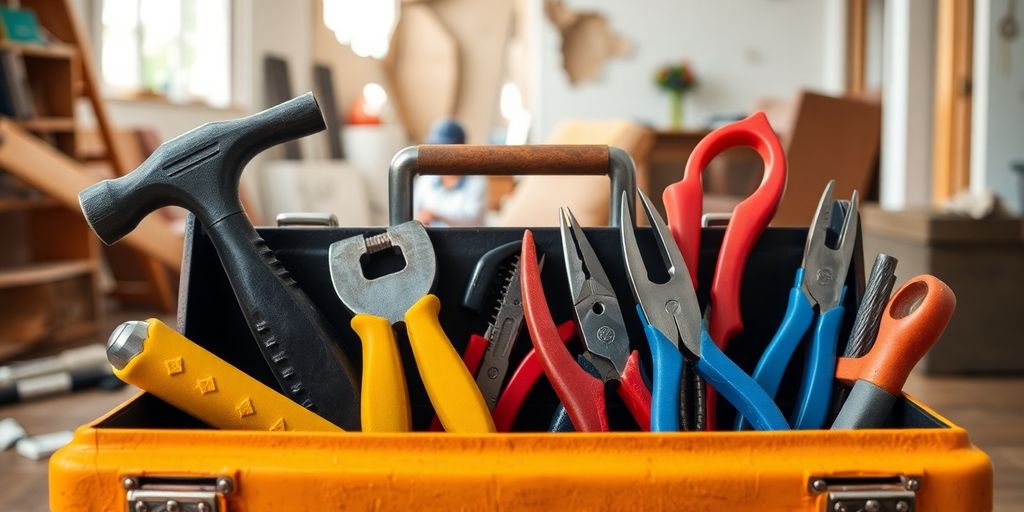
When disaster hits, it’s crucial to quickly figure out what repairs need immediate attention. Prioritize issues that pose safety risks or could lead to further damage if not addressed right away. For instance, a leaking roof during a rainstorm or a busted pipe causing water to flow freely are situations you should tackle first.
Emergency Repair Services Near You
Finding reliable help fast is essential in emergencies. Consider services like Ruach Home Services that offer 24/7 support for storm damage. They can handle temporary fixes such as tarping roofs or boarding up windows, which can be lifesavers until permanent repairs are made. It’s a good idea to have a list of local emergency services handy, so you’re not scrambling when the time comes.
Preparing for Natural Disasters
Preparation can save a lot of hassle later. Make sure your home is ready for anything Mother Nature throws your way. Here are some steps to take:
- Check your insurance policy: Ensure you understand what’s covered and update it if necessary.
- Create an emergency kit: Include essentials like water, non-perishable food, flashlights, and a first-aid kit.
- Regular maintenance: Keep gutters clean and inspect your roof and foundation regularly to prevent small issues from becoming big problems.
Taking proactive measures can significantly reduce the stress and cost of emergency repairs. Always be prepared, and remember, it’s not just about fixing things when they break, but preventing them from breaking in the first place.
When emergencies strike at home, quick action is key. Whether it’s a burst pipe or a damaged roof, knowing how to handle these situations can save you time and money. Don’t wait until it’s too late! Visit our website for expert tips and services that can help you manage any home repair crisis effectively. Your home deserves the best care, and we’re here to provide it!
Wrapping It Up: Your Path to Reliable Home Repair
So, there you have it. Finding a trustworthy home repair service isn’t just about picking the first name that pops up on Google. It’s about doing your homework, asking around, and making sure the contractor you choose is the real deal. Remember, a little effort now can save you a ton of headaches down the road. Whether it’s storm damage or just a leaky roof, having a reliable team on your side makes all the difference. So take your time, trust your gut, and soon enough, you’ll have your home back to its best self. Good luck out there!
Frequently Asked Questions
What should I look for in a home repair contractor?
Look for a contractor with good reviews, proper licenses, and insurance. It’s also important they have experience with your specific repair needs.
How can I save money on home repairs?
Get multiple quotes from different contractors to compare prices. Also, try to handle small repairs yourself if you can.
What’s the first step in filing an insurance claim for home damage?
First, document all the damage with photos and notes. Then, contact your insurance company to start the claim process.
How often should I do home maintenance checks?
It’s a good idea to check your home every season, especially before winter and after any big storms.
What are some eco-friendly materials for home repairs?
Consider using bamboo flooring, recycled glass countertops, or low-VOC paints for a more sustainable home repair.
How can technology help with home repairs?
There are apps that help you find trusted contractors, and smart home devices can alert you to issues like leaks or smoke.