
Dealing with water damage is stressful. Whether it’s from a burst pipe, a storm, or an overflowing appliance, the mess can feel overwhelming. And while it might be tempting to tackle the cleanup yourself, hiring professionals can save you time, effort, and potential headaches. This guide will help you understand what to look for in water damage cleanup companies near you and how to make the best choice for your home.
Key Takeaways
- Professional cleanup is often more effective than DIY efforts.
- Untreated water damage can lead to serious health issues, like mold growth.
- Look for companies with certifications and emergency availability.
- Documenting damage and checking reviews are crucial before hiring.
- Preventative measures can help avoid future water damage.
Understanding the Importance of Professional Water Damage Cleanup
Why DIY Cleanup May Not Be Enough
Handling water damage on your own might seem like a cost-saving move, but it’s often more trouble than it’s worth. Water can seep into walls, floors, and even structural components, causing damage that’s not immediately visible. Missing hidden moisture can lead to bigger problems, like mold growth or structural weakening. DIY tools often lack the power to fully extract water or dry out affected areas, leaving your home vulnerable to long-term damage.
Health Risks of Untreated Water Damage
When water damage isn’t addressed professionally, it can pose serious health risks. Standing water and damp conditions create the perfect environment for mold, bacteria, and viruses to thrive. Mold spores, for example, can trigger allergies, asthma, and other respiratory issues. Contaminated water, like that from flooding, can carry harmful pathogens, increasing the risk of infections or illnesses.
How Professionals Ensure Thorough Restoration
Water damage restoration experts bring specialized tools and knowledge to the table. They use industrial-grade equipment like dehumidifiers, air movers, and moisture meters to ensure every trace of water is removed. Professionals also follow strict protocols to clean and sanitize affected areas, minimizing health risks. Their expertise ensures that your home is restored not just to look good but also to be safe and structurally sound.
Don’t underestimate the impact of water damage. Acting quickly and hiring professionals can save you money, protect your health, and preserve the integrity of your home.
For more insights into why water damage restoration is vital, consider the health, safety, and financial benefits it provides.
Key Qualities to Look for in Water Damage Cleanup Companies
Certifications and Training to Verify
When searching for a water damage cleanup company, one of the first things to check is their certifications. Look for affiliations with organizations like the Institute of Inspection, Cleaning and Restoration Certification (IICRC). These credentials ensure the company follows industry standards and uses proper techniques. Certified professionals are trained to handle everything from minor leaks to major flooding events.
Experience with Various Types of Water Damage
Not all water damage is the same. Some companies specialize in storm-related flooding, while others might focus on plumbing issues or sewage backups. Choose a company with a proven track record in handling your specific type of damage. This ensures they’ll know how to address the unique challenges of your situation, whether it’s mold prevention or structural repairs.
Availability for Emergency Services
Water damage doesn’t wait for convenient hours, and neither should the cleanup crew. A reliable company will offer 24/7 emergency services to minimize further damage. Quick response times are crucial to prevent issues like mold growth and worsening structural problems. Always ask if they guarantee a specific response window for emergencies.
A good water damage cleanup company doesn’t just clean up the mess—they help restore your peace of mind by acting fast and handling the situation professionally.
Steps to Take Before Hiring a Water Damage Cleanup Company
Documenting the Damage for Insurance
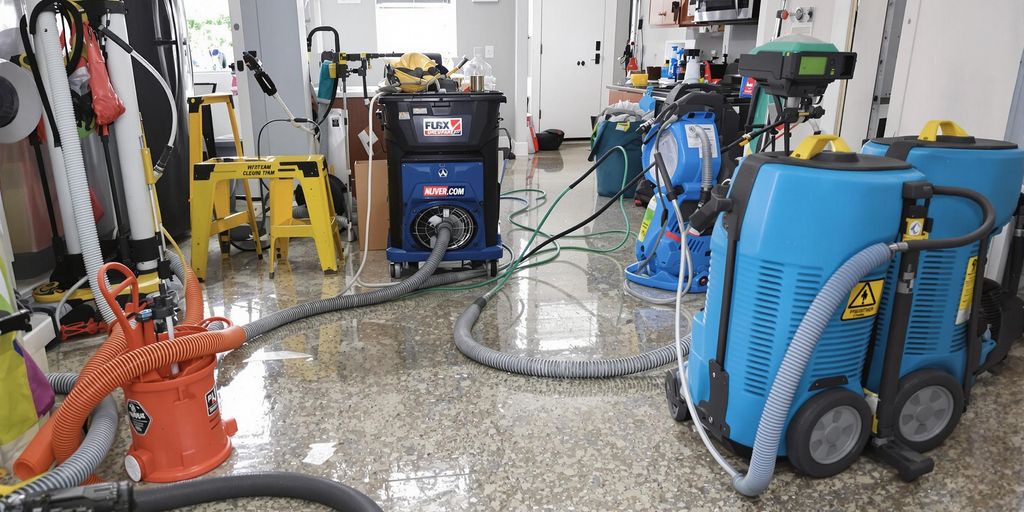
Before you even think about hiring a water damage cleanup company, grab your phone or camera and take clear pictures of all the damage. This step is critical for insurance claims. You’ll want to capture everything—walls, floors, furniture, and even small items that might be affected. If water is still present, note the areas with standing water. This documentation will help when you talk to your insurance provider and can also guide the restoration company in understanding the extent of the damage.
Checking Online Reviews and References
Not all water damage cleanup companies are created equal. Spend some time looking up reviews on trusted platforms. Read both the good and bad reviews to get a balanced view of their work. If possible, ask the company for references and contact past clients. A reputable company won’t hesitate to provide these. Look for companies associated with organizations like the Institute of Inspection, Cleaning and Restoration Certification (IICRC) or other credible bodies. These affiliations often indicate a higher level of professionalism.
Requesting Detailed Cost Estimates
Once you’ve narrowed down your options, request a detailed cost estimate from each company. Make sure the estimate breaks down the costs for labor, materials, and any additional services. Avoid companies that give vague or overly general quotes. Transparency in pricing is a good sign of reliability. Also, confirm whether the company will work directly with your insurance provider to simplify the claims process. This can save you a lot of hassle down the road.
Hiring a water damage cleanup company doesn’t have to be overwhelming. Take your time to research, document, and verify before making a decision. A little effort upfront can save you big headaches later on.
How to Identify Reputable Water Damage Cleanup Companies Near Me
Using Local Directories and Online Platforms
Finding a trustworthy water damage cleanup company starts with knowing where to look. Local directories and online platforms are great starting points. Websites like BBB.org often list businesses specializing in water damage restoration, complete with reviews and ratings. Customer reviews can offer valuable insights, but remember to take overly positive or negative comments with a grain of salt. Look for companies that consistently demonstrate reliability and professionalism.
Verifying Licenses and Insurance
Before you hire anyone, double-check their credentials. A reputable company should have up-to-date licenses and carry insurance that covers both their employees and any potential damage to your property. This step is non-negotiable. It’s also worth asking if they’re certified by organizations like the Institute of Inspection, Cleaning and Restoration Certification (IICRC). These certifications indicate a commitment to industry standards and best practices.
Avoiding Common Scams in the Industry
Unfortunately, the water damage restoration field isn’t immune to scams. Be wary of companies that demand full payment upfront or offer suspiciously low quotes. Legitimate businesses will provide a detailed estimate and won’t pressure you into making hasty decisions. Trust your gut—if something feels off, it probably is. Always get everything in writing, from the scope of work to the payment terms. This protects you from unexpected surprises later on.
A little due diligence upfront can save you from a lot of headaches—and expenses—down the road. Take your time to vet companies thoroughly before making a decision.
The Role of Insurance in Water Damage Restoration
Understanding Your Coverage Options
When water damage strikes, the first thing you need to do is figure out what your homeowner’s insurance covers. Policies can vary widely. Some cover damage from sudden pipe bursts, while others might exclude flooding caused by natural disasters. It’s critical to read the fine print or call your insurance provider to clarify.
Here’s a quick breakdown of common scenarios:
| Type of Damage | Typically Covered by Insurance? |
|---|---|
| Burst pipes | Yes |
| Flooding from heavy rain | No (usually requires separate flood insurance) |
| Leaking roof from a storm | Sometimes (depends on policy) |
| Mold caused by neglect | No |
If your policy doesn’t cover a particular type of damage, you might need to explore out-of-pocket options or additional coverage.
Working with Your Insurance Provider
Once you’ve confirmed your coverage, it’s time to notify your insurance company. Call them as soon as possible and provide details about the situation. They’ll likely send out an adjuster to assess the damage. Before they arrive, take these steps:
- Document everything. Snap photos or record videos of the damage from multiple angles.
- Make a list of damaged items, including approximate costs.
- Prevent further damage by taking temporary measures, like tarping a roof or shutting off water.
Insurance companies often prefer working with established water damage restoration services. A company like Ruach Home Services can assist not only with cleanup but also with navigating the insurance claims process.
Ensuring Proper Documentation for Claims
When dealing with insurance, thorough documentation is your best friend. Keep all receipts, from emergency services to temporary fixes. If you hire a restoration company, ask for detailed invoices that outline the work performed. This can prevent disputes later.
"The more detailed your claim, the smoother the process will be." Taking the extra time to organize your paperwork upfront can save you a lot of stress down the line.
Preventing Future Water Damage After Restoration
Addressing the Root Cause of the Damage
After dealing with water damage, it’s vital to figure out what caused the issue in the first place. Was it a leaky pipe, roof damage, or poor drainage? Fixing the root cause is the first step to preventing it from happening again. Ignoring this step could mean facing the same problem down the line. For example, if a burst pipe caused the damage, ensure all your plumbing is inspected and repaired as needed. Similarly, if heavy rain overwhelmed your gutters, consider upgrading them to handle more water.
Installing Preventative Measures Like Sump Pumps
A sump pump can be a game-changer, especially if your home is prone to flooding or located in a low-lying area. These devices pump out water that collects in your basement or crawlspace, keeping your home dry. You might also want to consider backup systems, like battery-operated sump pumps, for when the power goes out. Other preventative measures include sealing basement walls with waterproof coatings and installing French drains to redirect water away from your home.
Regular Maintenance to Avoid Recurrence
Regular upkeep is key to avoiding future water damage. Here are a few tips to keep your home in good shape:
- Inspect your roof for missing or damaged shingles and repair them promptly.
- Clean your gutters and downspouts to ensure proper water flow.
- Check your plumbing for leaks or corrosion, especially in older homes.
- Test your sump pump at least once a year to make sure it’s working properly.
Consistent maintenance might feel like a chore, but it’s a lot easier than dealing with water damage again. A little effort now can save you a lot of trouble later.
For a thorough solution, consider working with a professional water damage restoration company. Water damage restoration services not only fix the damage but can also help you identify weak spots in your home to prevent future issues.
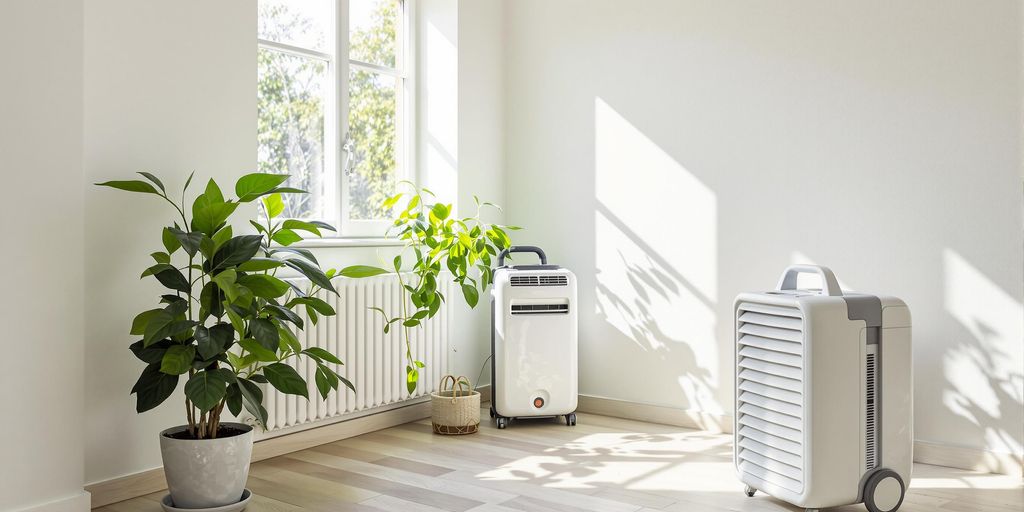
After your home has been restored from water damage, it’s important to take steps to prevent future issues. Start by checking for leaks regularly and ensuring that your gutters are clean. Installing a sump pump can help manage excess water, and using dehumidifiers can keep the air dry. Don’t forget to keep an eye on your plumbing and fix any small problems before they become big ones. For more tips and professional help, visit our website today!
Wrapping It Up
Finding a trustworthy water damage cleanup company doesn’t have to be overwhelming. Start by checking reviews, certifications, and asking the right questions. It’s always better to act quickly when water damage happens, so having a reliable company in mind beforehand can save you a lot of stress. Remember, the goal is to restore your home and peace of mind as soon as possible. Take your time to choose wisely, and you’ll be in good hands when the unexpected happens.
Frequently Asked Questions
What should I do first if I discover water damage?
Your first step is to ensure everyone’s safety. If there’s standing water, avoid the area and turn off the electricity if possible. Next, identify the water source and stop it, like shutting off the main water valve. Take photos of the damage for insurance purposes and contact a professional water damage cleanup company immediately.
Can I handle water damage cleanup on my own?
While minor water damage might be manageable, most situations require professional help. Experts have the tools and knowledge to thoroughly dry, clean, and restore areas, preventing mold and further damage. DIY efforts might miss hidden moisture, leading to bigger problems later.
How do I choose a reliable water damage cleanup company?
Look for companies with proper certifications, like IICRC, and check their experience with similar cases. Read online reviews, ask for references, and verify their licenses and insurance. Also, ensure they offer emergency services and provide a detailed cost estimate upfront.
Is water damage covered by homeowners insurance?
It depends on your policy and the cause of the damage. Sudden issues like burst pipes are often covered, while gradual problems like leaks might not be. Always review your policy and consult your insurance provider for clarity.
How long does water damage restoration take?
The time varies based on the extent of the damage. Minor cases might take a few days, while severe damage requiring extensive repairs can take weeks. Professionals can give you a more accurate timeline after assessing the situation.
What can I do to prevent water damage in the future?
Address the root cause of previous damage, like fixing leaks or improving drainage. Install preventive tools like sump pumps or water alarms. Regularly inspect your home for signs of water issues and maintain appliances like water heaters and washing machines.