
Remodeling your home can be a big task. Whether you’re looking to update your kitchen or add a new room, finding the right contractor is key. You want someone reliable and skilled, right in your area. This guide will help you navigate the process, from understanding your needs to finalizing contracts. Let’s get started on making your home the best it can be!
Key Takeaways
- Identify what you want to change in your home before reaching out to contractors.
- Check reviews and verify the credentials of contractors in your area.
- Compare different proposals to ensure you’re getting a fair deal.
- Communication is crucial; choose a contractor who listens and responds well.
- Have a clear contract with payment plans and contingency clauses.
Understanding Your Home Remodeling Needs
Identifying Key Areas for Improvement
Before diving into a home remodel, it’s important to figure out which parts of your house need attention. Start by walking through each room and jotting down what stands out. Is the kitchen too cramped? Does the bathroom need a facelift? Maybe the living room could use more natural light. Pinpointing these areas will help you focus your efforts and resources where they’re needed most. Don’t just think about aesthetics—consider functionality too. A beautiful kitchen is great, but if it’s not practical for cooking, it might not be worth the investment.
Setting Realistic Goals and Expectations
Once you know what needs fixing, it’s time to set some goals. Be honest with yourself about what you can achieve. If you’ve got a small budget, a complete overhaul might not be feasible. Instead, prioritize what’s most important to you. Maybe start with the bathroom this year and tackle the kitchen next. Remember, it’s about making your home work for you, not just keeping up with the Joneses.
Prioritizing Projects Based on Budget
Budgeting is where the rubber meets the road. It’s easy to get carried away dreaming about all the changes you want, but money talks. Break down your projects into must-haves and nice-to-haves. This way, if your budget gets tight, you know what can be postponed. Consider creating a simple table like this to keep track:
| Project | Estimated Cost | Priority |
|---|---|---|
| Kitchen Remodel | $15,000 | High |
| Bathroom Upgrade | $7,000 | Medium |
| Living Room Lighting | $2,500 | Low |
Remodeling your home is a journey, not a race. Take the time to plan carefully and you’ll end up with a space that truly feels like home.
Researching Home Remodeling Contractors
Checking Online Reviews and Testimonials
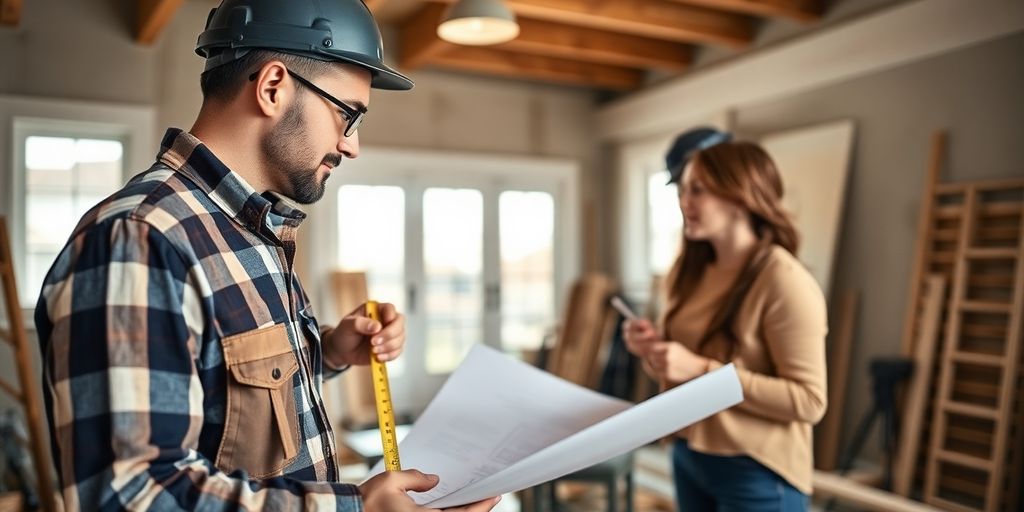
When you’re on the hunt for a reliable contractor, the internet is your best friend. Start by browsing through online reviews and testimonials. Websites like Yelp and Google Reviews offer a treasure trove of insights from past clients. These reviews can give you a sense of the contractor’s reliability and quality of work. Don’t just focus on the star ratings; read the comments to get a feel for common themes, whether good or bad. If a contractor has consistently positive feedback, it’s a good sign they’re trustworthy. And if you have friends who’ve recently remodeled their homes, ask them about their experiences. Personal recommendations can be invaluable.
Verifying Licenses and Insurance
Before you get too far in the process, make sure your potential contractors have the right credentials. It’s crucial to verify that they hold the necessary licenses and insurance to operate in your area. This step isn’t just about legal compliance; it protects you from liability in case of accidents or damages during the project. You can usually find this information on the contractor’s website or by contacting them directly. A contractor who is upfront about their qualifications is often more reliable.
Exploring Contractor Portfolios
Take a look at the contractor’s portfolio to see the kind of work they’ve done in the past. A good portfolio will showcase a range of projects, from small renovations to major remodels. Pay attention to the details and the quality of work in the photos. This will give you an idea of their style and whether it aligns with your vision. If possible, visit some of their completed projects in person to get a real sense of their craftsmanship. Remember, a picture might be worth a thousand words, but seeing the work firsthand is priceless.
Choosing the right contractor can make all the difference in your home remodeling journey. It’s not just about finding someone who can do the job, but finding someone you can trust to bring your vision to life. Take your time, do your research, and don’t rush the decision.
Evaluating Contractor Proposals and Bids
Understanding Cost Estimates and Breakdowns
When you finally get a contractor’s estimate, expect a detailed, transparent breakdown of costs. This is called a cost-plus estimate, where every line item is visible, showing exactly what you’re paying for. Most contractors add a 15-20% markup as their management fee. This transparency helps you see the real cost of your project, from labor to the fixtures you choose. But remember, if one bid is way lower than others, it might be a red flag.
Comparing Contractor Offers
Don’t expect contractor estimates to look the same. They rarely do. Instead, you’ll need to dig through each to see what’s included and what’s not. Make a list of the differences and ask questions if something’s unclear. This is where you get to understand the nuances of each offer and make the best choice for your project.
Assessing Value Beyond Price
Price isn’t everything. Sure, it’s important, but you also need to look at what you’re getting for that price. Does the contractor have a good reputation? Are they known for quality work? Do they offer warranties or guarantees? These are important factors that add value beyond just the dollar amount.
When evaluating contractor proposals, it’s not just about finding the lowest price. It’s about finding the right balance of cost, quality, and trust. You want someone who will not just complete the job, but do it well and stand by their work.
Conducting Interviews with Potential Contractors
Preparing Essential Questions to Ask
Before you even sit down with a potential contractor, you need to have your questions lined up. Think about what you really want to know. Ask about their experience with projects similar to yours, and how they handle unexpected problems. Check if they’re available when you need them and if their team is up to the task. Don’t forget to ask about interview questions they typically face and how they handle post-interview follow-ups. This can give you a good sense of their professionalism and how they might handle your project.
Evaluating Communication and Responsiveness
When you meet with contractors, pay close attention to how they communicate. Are they listening to you, or just waiting for their turn to talk? A contractor who listens well and responds clearly is a good sign. It means they’ll probably keep you in the loop during the project. Also, see how quickly they get back to you after your initial contact. If they take forever, that might be a red flag.
Assessing Contractor Experience and Expertise
Experience matters, but it’s not just about how long they’ve been in business. Ask about the types of projects they’ve completed and check if they have a portfolio. Look for any specialties they might have that align with your needs. You want someone who knows what they’re doing and can show it. If they hesitate or can’t provide examples, you might want to keep looking.
Finding the right contractor is like hiring a new employee. You wouldn’t hire someone without an interview, and the same goes for your home projects. Take your time, ask the right questions, and trust your instincts.
Finalizing Contracts and Agreements
Ensuring Clear Terms and Conditions
When it comes to home remodeling, the contract is your safety net. It’s the document that lays out everything, from the nitty-gritty details of the project to the big-picture goals. Make sure every detail is crystal clear to avoid headaches later on. Check that the terms cover the scope of work, timelines, and costs thoroughly. If something’s unclear, don’t hesitate to ask for clarification. Remember, this is your project, and you have every right to understand what’s happening.
Setting Payment Schedules and Milestones
Money matters can get tricky, so having a clear payment schedule is a lifesaver. Typically, contractors ask for a down payment to get started, with further payments at various stages of the project. Discuss this upfront and agree on milestones that trigger payments. This way, you can ensure that the work is progressing as planned and your money is well spent. Milestones help keep the project on track and avoid any financial surprises.
Including Contingency Plans for Delays
Let’s face it, delays happen. Whether it’s due to unexpected weather or supply chain hiccups, having a contingency plan in your contract is wise. Outline what happens if the project doesn’t go as planned. Will there be penalties? Can the timeline be adjusted? Having these discussions early on will save you stress later. It’s all about being prepared for the unexpected.
A well-drafted contract is like a roadmap for your remodeling journey. It helps you and your contractor stay on the same page and ensures that everyone knows their role in bringing your vision to life.
For more detailed steps on planning your home remodel, check out our guide on home renovation essentials.
Managing the Remodeling Process
Maintaining Open Communication with Contractors
Keeping the lines open with your contractor is key. Regular check-ins help ensure that everything’s on track and any hiccups can be smoothed out quickly. Clear communication prevents misunderstandings and helps keep your project running smoothly. Set up weekly meetings or calls to discuss progress, address concerns, and make any necessary adjustments.
Monitoring Progress and Quality of Work
Stay involved by visiting the site regularly. This doesn’t mean hovering over the workers but making sure the work aligns with your expectations. Having a checklist can be helpful to track completed tasks and spot any issues early. You might even want to keep a simple progress log to note down what’s been done and what needs attention.
Handling Unexpected Challenges and Changes
Let’s face it, remodeling rarely goes exactly as planned. Be ready for surprises, whether it’s discovering old plumbing that needs replacing or a delay in material delivery. Having a contingency budget is wise for these unforeseen expenses. It’s not just about money, though. Flexibility in your timeline and plans can save a lot of headaches. And remember, it’s okay to ask your contractor for advice on how to tackle these bumps in the road.
Remodeling is a journey, not just a project. Being prepared and staying flexible can turn potential stress into a satisfying transformation of your home.
Post-Remodeling Considerations
Conducting a Final Walkthrough and Inspection
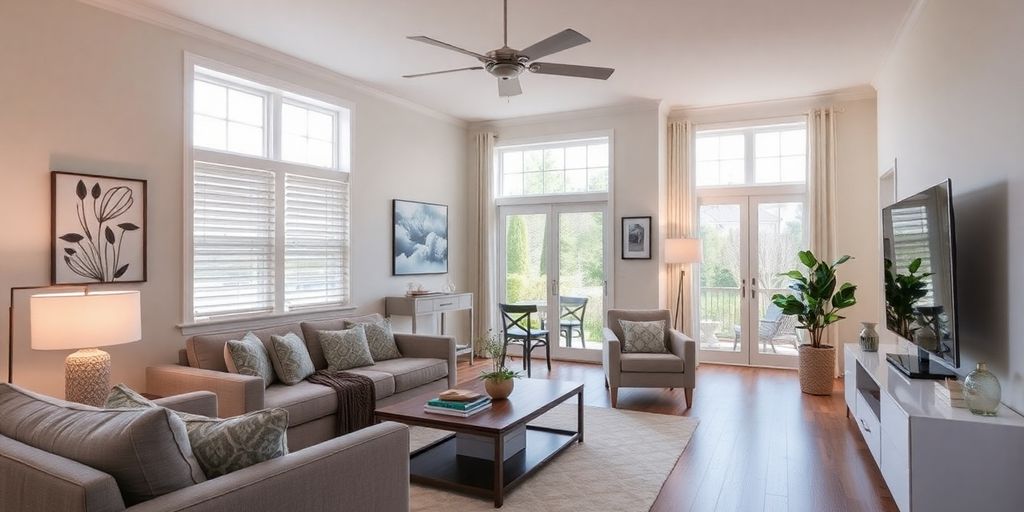
Once the dust has settled and the contractors have packed up their tools, it’s time for the final walkthrough. This step is all about making sure everything is as it should be. Check every corner and detail to ensure the work meets your standards. Look for any imperfections or issues that might have been overlooked. It’s your chance to confirm that everything aligns with what was agreed upon in the contract.
Addressing Any Remaining Issues
Even with the best contractors, there might be a few loose ends. Maybe a cabinet door doesn’t close right, or a tile is slightly off. Don’t hesitate to bring these up. It’s better to address them now rather than later. Make a list and discuss it with your contractor. Most reputable contractors will be more than willing to fix these issues promptly.
Ensuring Satisfaction with the Completed Project
Finally, take a moment to step back and see the bigger picture. Are you happy with the result? Does it feel like the dream space you envisioned? Your satisfaction is key. If something feels off, communicate it. A good contractor values your happiness and will work towards making sure you’re completely satisfied with the finished product.
It’s easy to get caught up in the excitement of a remodel, but remember, the end goal is a space that feels right for you and your family. Take the time to ensure every detail is perfect, and you’ll enjoy the results for years to come.
Consider creating a larger table and a more functional layout if your formal dining room isn’t being used to its full potential. This can enhance your space’s usability and make it more enjoyable for everyday living.
After remodeling your home, there are a few important things to think about. First, make sure to check for any issues that might have come up during the work. It’s also a good idea to keep your space clean and organized to enjoy your new look. If you have questions or need help, don’t hesitate to reach out! Visit our website for more tips and to see how we can assist you further.
Conclusion
Wrapping up your search for the best home remodeling contractors, remember that patience and diligence are your best friends. It’s not just about finding someone who can swing a hammer; it’s about finding a partner who understands your vision and can bring it to life. Take your time to research, ask around, and meet with potential contractors. Trust your gut feeling when it comes to choosing the right one. After all, this is your home, and you deserve the best. With the right contractor, your remodeling project can be a smooth journey rather than a stressful ordeal. Good luck, and may your home transformation be everything you hoped for!
Frequently Asked Questions
How do I start planning my home remodel?
Begin by figuring out the main areas in your home that need a makeover. Set clear goals for what you want to achieve and make sure your plans fit your budget.
What should I look for in a home remodeling contractor?
Find a contractor who has positive reviews, the right licenses, and insurance. Check out their past work and make sure they have experience with projects like yours.
How can I make sure I’m getting a fair price from a contractor?
Get written bids from a few contractors and compare them. Look at the details, like costs for materials and labor, to see which offers the best value.
What questions should I ask a potential contractor?
Ask about their experience, how they handle problems, and their timeline for completing the project. Make sure they communicate well and understand your vision.
How do I keep my remodeling project on track?
Stay in touch with your contractor regularly, keep an eye on the work being done, and have a backup plan for any unexpected issues that come up.
What should be included in the remodeling contract?
The contract should clearly state the work to be done, payment schedule, deadlines, and what happens if there are delays or changes.