
So, you’re thinking about changing things up at home in 2025? Maybe your windows are drafty or the house just feels too big now that the kids are gone. Whatever the reason, finding the right replacement home solution is a big deal. It’s not just about fixing what’s broken; it’s about making your place work for you now and in the future. Let’s dig into the options and see what fits your life best.
Key Takeaways
- Replacement homes can address both current and future needs.
- Energy efficiency is a top consideration when replacing windows.
- Alternative housing options like tiny homes and container homes offer unique benefits.
- Understanding local zoning laws is crucial when planning home changes.
- Smart home technology can enhance convenience and security.
Understanding Replacement Home Solutions
What Are Replacement Home Solutions?
Replacement home solutions are all about finding new housing options that fit your current needs. Whether your family is growing, or you’re just tired of your old place, these solutions offer a fresh start. They can range from building a new house on your existing lot to exploring innovative housing types like tiny homes or prefab units. The idea is to find something that suits your lifestyle better than your current home.
Benefits of Choosing Replacement Homes
Opting for a replacement home can bring a host of benefits. First off, you get to customize your living space to perfectly match your needs. No more awkward layouts or outdated features. Another big plus is energy efficiency. New homes are built with modern materials and technologies, which can save you a lot on utility bills. Plus, there’s the added bonus of potentially boosting your home’s resale value.
Common Misconceptions About Replacement Homes
There are a few myths about replacement homes that need debunking. One common belief is that they’re always more expensive than renovating. While initial costs can be high, the long-term savings on energy and maintenance often make them a smarter financial choice. Another misconception is that replacement homes lack character, but with so many design options available, you can create a space that’s uniquely yours. Lastly, some think these homes are only for those with large budgets, but there are affordable options out there if you know where to look.
Choosing a replacement home is about more than just a new roof over your head. It’s a chance to create a space that truly meets your needs and reflects your personal style. Don’t let misconceptions hold you back from exploring this exciting option.
Evaluating Your Current Home Needs
Identifying Signs for Replacement
Knowing when it’s time to replace parts of your home can feel like a guessing game. But if you start noticing things like drafty windows or doors that don’t close right, it might be time to think about replacements. Here are a few signs to watch out for:
- Drafts and Temperature Changes: If certain rooms in your house feel colder or hotter than others, this might mean your insulation or windows aren’t doing their job.
- Visible Damage: Look for cracks, warping, or other visible signs of wear and tear around your home.
- Rising Energy Bills: If your energy bills keep climbing with no clear reason, your home might be losing energy efficiency.
Taking a closer look at these signs can help you decide if it’s time to invest in replacement solutions or seek guidance from Ruach Home Services for expert advice on remodeling challenges.
Assessing Energy Efficiency
Energy efficiency isn’t just about saving money—it’s about comfort too. A home that’s well-insulated and has efficient appliances will not only keep your bills down but also make your living space more comfortable.
- Insulation Check: Make sure your attic and walls are properly insulated. Poor insulation can lead to heat loss in winter and heat gain in summer.
- Window and Door Seals: Check for gaps or cracks in windows and doors. Sealing these can prevent drafts and improve efficiency.
- Appliance Efficiency: Consider upgrading to energy-efficient appliances that use less electricity and water.
Considering Future Family Needs
When planning for home replacements, think about what your family might need in the future. Are you planning to expand your family, or maybe you’re thinking about aging in place? Here are some considerations:
- Space Requirements: Will you need more bedrooms or bathrooms in the future?
- Accessibility: Consider features that make your home easier to navigate as you age, like wider doorways or a step-free entrance.
- Lifestyle Changes: Think about how your hobbies or work-from-home needs might change over time.
Taking these factors into account can help ensure that your home remains a comfortable and functional space for years to come.
Exploring Alternative Housing Options
Tiny Homes and Their Benefits
Tiny homes are all the rage these days. Imagine living in a space that’s less than 400 square feet. Sounds crazy, right? But these compact dwellings are designed to maximize every inch of space. Tiny homes offer a simpler lifestyle with less clutter and lower costs. They’re often mobile, giving you the freedom to pick up and move whenever you want. Plus, maintaining a tiny home is a breeze—less space means less to clean and fewer repairs.
Container Homes: A Modern Solution
Shipping container homes are a cool, modern twist on housing. They’re made from—you guessed it—shipping containers. These homes are super sturdy and can withstand harsh weather. The best part? They’re eco-friendly. By repurposing old containers, you’re cutting down on waste. You can stack them, arrange them in different shapes, and even add multiple containers to create a larger living space.
Prefabricated Units: Quick and Efficient
Prefabricated, or prefab homes, are built in sections at a factory and then transported to your site for assembly. This method saves time and often money. You can choose from various designs and customize your home to fit your needs. Prefabs are energy-efficient, too. They often come with modern insulation and energy-saving appliances, making them a smart choice for those looking to reduce their carbon footprint.
Choosing the right alternative housing option can transform your lifestyle, offering freedom, sustainability, and creativity in how you live. Whether it’s a tiny home, a container home, or a prefab unit, each offers unique benefits that might just fit your needs and budget.
- Tiny Homes: Ideal for minimalists seeking freedom and flexibility.
- Container Homes: Great for eco-conscious individuals who love modern design.
- Prefabricated Units: Perfect for those who want a quick, customizable, and energy-efficient home.
If you’re considering a home renovation, exploring these alternative options could offer exciting possibilities beyond traditional housing.
Choosing the Right Replacement Windows
Energy Efficiency and Cost Savings
When you’re thinking about replacing windows, energy efficiency is a big deal. Old windows can be drafty, letting the cold air in during winter and the hot air in during summer. Replacing them can save you a ton on your energy bills. Look for windows with double or triple glazing, as they trap heat better. Also, consider the frame material; vinyl and fiberglass are known for their insulating properties.
Here’s a quick list to help you choose energy-efficient windows:
- Check for the ENERGY STAR label.
- Look for low U-factor ratings, which indicate better insulation.
- Consider windows with gas fills like argon or krypton for extra insulation.
Noise Reduction and Comfort
If you’re tired of the noise from the street or your neighbor’s lawnmower, new windows can help. Modern windows come with soundproofing features that can drastically reduce outside noise. While they won’t make your home completely silent, they can make a noticeable difference.
- Double or triple-pane windows are best for noise reduction.
- Laminated glass can also help block sound.
- Proper installation is crucial for maximum soundproofing.
Enhancing Curb Appeal
New windows can totally change the look of your home. Whether you’re aiming for a modern vibe or something more classic, there’s a style out there for you. Plus, they can boost your home’s resale value. Think about how different window designs might look from the outside and how they fit with your home’s overall style.
"Swapping out your old windows not only makes your home look better but also increases its value. It’s like giving your house a facelift."
Consider these tips for enhancing curb appeal:
- Choose a window style that complements your home’s architecture.
- Consider larger windows to improve natural light and views.
- Don’t forget about color; the right frame color can make a big impact.
Maximizing Return on Investment
Cost-Effective Upgrades
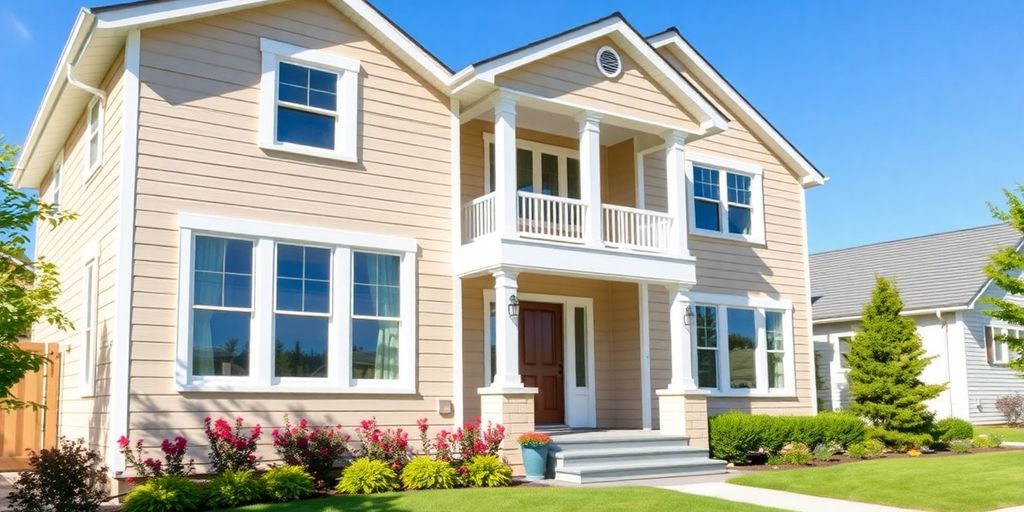
When it comes to boosting your home’s value, not all improvements are created equal. Some upgrades offer better returns than others. Upgrading your windows, for instance, is a smart choice. New windows not only enhance your home’s appearance but also improve energy efficiency, leading to potential savings on utility bills. If you’re planning to sell, this could be a major selling point.
Consider these cost-effective upgrades:
- Window Replacement: As mentioned, this can significantly increase your home’s value.
- Insulation Improvements: Better insulation can reduce energy costs and make your home more comfortable.
- Kitchen and Bathroom Updates: These are often the most scrutinized areas by potential buyers.
Financing Options for Homeowners
Financing your home improvements doesn’t have to be daunting. There are several options available to help you manage costs:
- Home Equity Loans: These are ideal if you have significant equity in your home.
- Personal Loans: A good option if you need quick access to funds without using your home as collateral.
- Government Grants and Rebates: Check for any available programs that support energy-efficient upgrades.
Long-Term Benefits of Replacement Homes
Investing in a replacement home can offer substantial long-term benefits. Not only do you get to enjoy modern amenities and improved energy efficiency, but you also stand to gain financially in the future.
Replacement homes, designed with sustainability in mind, align with the evolving preferences of California real estate buyers. This trend towards eco-friendly living could mean a higher resale value down the line.
In the end, the key is to balance initial costs with potential long-term gains. By choosing the right upgrades and financing options, you can maximize your return on investment and enjoy your home to the fullest.
Navigating Zoning and Building Regulations
Understanding Local Zoning Laws
When you’re thinking about a new home or making changes to your current one, local zoning laws are your first hurdle. These laws dictate what you can build and where. They help keep neighborhoods organized but can be a real pain if you’re not prepared. Knowing these rules early can save you from headaches later on. For instance, some areas might not allow certain types of homes, like tiny homes or container houses, due to zoning restrictions. It’s important to check with your local government or planning office to understand what’s allowed in your area.
Securing Necessary Permits
Once you know what you can build, the next step is getting the right permits. This process can feel like a maze, with different permits needed for different projects. Typically, you’ll need a building permit, but there could be more depending on your project, like electrical or plumbing permits. It’s a good idea to make a checklist:
- Identify the type of permits needed.
- Gather all necessary documents and plans.
- Submit your application to the local authority.
- Wait for approval before starting any work.
Without these permits, you risk fines or having to tear down your hard work.
Working with Professionals
Unless you’re a zoning expert, you’ll likely need some help. Architects, contractors, and real estate agents can be invaluable. They know the ins and outs of local laws and can guide you through the process. When choosing professionals, look for those with experience in your type of project. Ask for recommendations or check reviews to find someone reliable. Working with the right people can make your building experience smoother and more enjoyable.
Building or renovating a home isn’t just about design and construction; it’s about understanding the rules that govern your space. By being proactive and informed, you can turn potential obstacles into stepping stones.
Incorporating Smart Home Technology
Smart Thermostats and Energy Management
Smart thermostats are like the brain of your home’s heating and cooling system. They learn your habits and adjust the temperature to your liking, all while saving energy. It’s like having a personal assistant that keeps your home comfy and your bills low. Imagine cutting your energy costs by up to 10% just by switching to a smart thermostat. Here’s a quick list of what a smart thermostat can do:
- Learn your schedule and adjust temperatures accordingly.
- Allow you to control your home’s climate remotely via smartphone.
- Provide insights into your energy usage.
Home Security Enhancements
When it comes to security, smart technology is a game-changer. You can monitor your home from anywhere with smart cameras and locks. These devices send alerts to your phone if there’s any unusual activity, giving you peace of mind. Here’s how smart security can benefit you:
- Remote monitoring: Keep an eye on your home no matter where you are.
- Instant alerts: Get notifications for any suspicious activity.
- Easy access control: Lock or unlock doors from your phone.
Integrating Smart Appliances
Smart appliances are all the rage now, and for good reason. They make life easier and more efficient. From smart fridges that tell you when you’re out of milk to ovens you can preheat on your way home, these devices are changing the way we live. Here are some perks of smart appliances:
- Convenience: Control appliances with just a tap on your phone.
- Efficiency: Smart appliances often use less energy.
- Connectivity: Many smart devices can talk to each other, creating a seamless home experience.
Embracing smart technology in your home is not just about keeping up with trends; it’s about making your life easier and more efficient. As technology evolves, so does the way we interact with our living spaces. It’s an exciting time to be a homeowner, with so many options to enhance your home’s functionality and comfort.
Maintaining Your Replacement Home
Regular Maintenance Tips
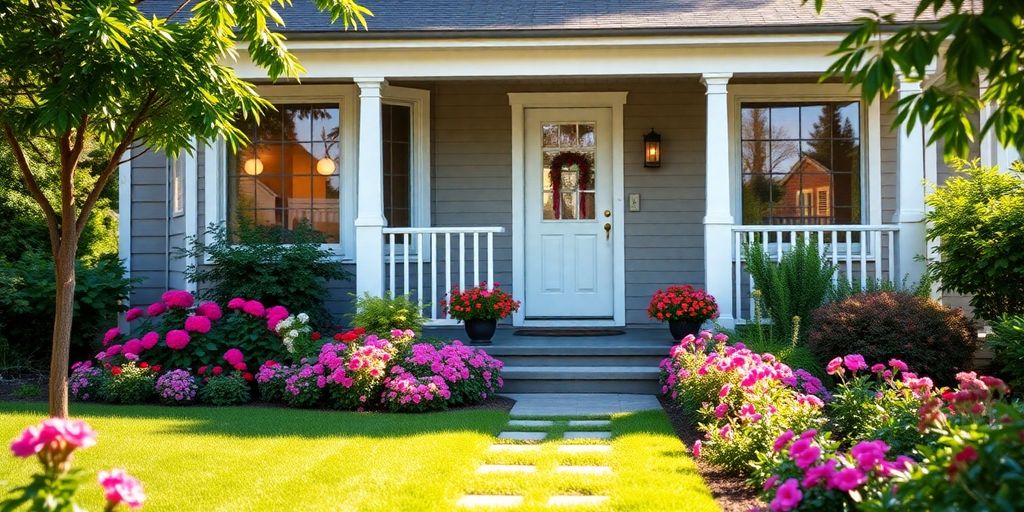
Keeping your replacement home in top shape means sticking to a regular maintenance schedule. Consistency is key here. Start by making a checklist of tasks that need to be done monthly, seasonally, and annually. For instance:
- Monthly: Check for leaks in plumbing, inspect the HVAC filters, and test smoke detectors.
- Seasonally: Clean gutters, inspect the roof for damage, and ensure windows and doors are sealed properly.
- Annually: Service major appliances, check the foundation for cracks, and refresh exterior paint where needed.
By following a routine, you can catch small issues before they become big headaches.
Seasonal Checks and Preparations
Each season brings its own set of challenges and requirements for your home. In winter, focus on preventing frozen pipes and ensuring your heating system is efficient. Spring is the time to check for any winter damage and prepare your air conditioning. Summer means keeping an eye on pest control and ventilation, while fall is perfect for cleaning up leaves and prepping for colder months.
Taking time to prepare your home for each season not only prolongs its life but also ensures a comfortable living environment year-round.
When to Seek Professional Help
Sometimes, despite your best efforts, things go wrong. Knowing when to call in the pros is crucial. If you notice persistent issues like water damage, electrical problems, or structural concerns, it’s time to reach out to experts. Ruach Home Services can provide professional assistance with remodeling or repairs, ensuring your home remains safe and sound. Don’t wait until a small problem turns into a costly repair.
Taking care of your new home is important for keeping it safe and comfortable. Regular checks and maintenance can help you spot problems early, saving you time and money. If you need help with repairs or improvements, visit our website for expert services that can make your home even better!
Conclusion
So, there you have it, folks. Finding the right replacement solutions for your home in 2025 doesn’t have to be a headache. Whether you’re swapping out windows, doors, or even considering a whole new heating system, the key is to do your homework. Check out the latest options, weigh the pros and cons, and don’t be afraid to ask for help if you need it. Remember, your home is your sanctuary, and making the right choices now can save you a lot of hassle down the road. Happy renovating!
Frequently Asked Questions
What are replacement home solutions?
Replacement home solutions are options for homeowners looking to replace or upgrade parts of their home, such as windows or entire structures, to improve functionality, energy efficiency, or aesthetics.
How do I know if my home needs replacement solutions?
Signs that your home might need replacement solutions include drafty windows, outdated designs, high energy bills, or structural damage. Assessing these factors can help you decide if replacements are necessary.
What are the benefits of choosing replacement homes?
Replacement homes can offer improved energy efficiency, reduced maintenance costs, enhanced comfort, and increased property value, making them a worthwhile investment for many homeowners.
Are tiny homes a good alternative housing option?
Yes, tiny homes are a popular alternative housing option due to their affordability, efficiency, and minimal environmental impact. They are ideal for those looking to downsize or live a more sustainable lifestyle.
What should I consider when choosing replacement windows?
When choosing replacement windows, consider factors like energy efficiency, noise reduction, durability, and how they complement your home’s design. These aspects will ensure you make a wise investment.
How can smart home technology be integrated into replacement homes?
Smart home technology can be integrated into replacement homes through devices like smart thermostats, security systems, and energy management tools, enhancing convenience, security, and efficiency.