
Dealing with a water leak on your property can feel overwhelming, but knowing what to do makes all the difference. Whether it’s a sudden gush of water or a slow drip, leaks can lead to bigger problems if ignored. This guide walks you through spotting signs of a leak, taking immediate action, and preventing future issues. By staying informed, you can protect your home and save yourself a lot of stress.
Key Takeaways
- Turn off the water supply immediately to stop further damage.
- Check for visible signs like mold, damp spots, or unusual water bills.
- Document everything, including photos, for insurance purposes.
- Dry the affected areas quickly to prevent mold growth.
- Call a professional plumber for complex or hard-to-find leaks.
Recognizing the Signs of a Water Leak on Your Property
Unexplained Increases in Water Bills
Have you noticed your water bill creeping up without any changes in your usage? A sudden spike in water costs can be one of the first clues that there’s a hidden leak somewhere. Even a small, consistent drip can waste hundreds of gallons of water over time, adding unnecessary expenses to your budget. Keep an eye on your monthly statements, and if something seems off, it’s time to investigate.
Visible Dampness or Mold Growth
Damp spots on walls, ceilings, or floors are often the most obvious indicators of a leak. You might also spot mold or mildew forming in areas that shouldn’t be damp, like behind furniture or in corners. Mold thrives in moisture-rich environments, so its presence is a big red flag. Not only does this signal a water issue, but it can also lead to serious health concerns if left unchecked.
Decreased Water Pressure
If your faucets or showerheads suddenly have less water pressure, it could mean water is escaping from your pipes before it even reaches its destination. This isn’t just an inconvenience—it’s often a sign of a bigger problem within your plumbing system. Listen for unusual sounds like dripping or hissing when the water is turned off, as these noises might indicate a hidden issue. Hidden water leaks can sometimes be detected by these subtle audio cues.
Immediate Actions to Take When You Discover a Leak
Shutting Off the Water Supply
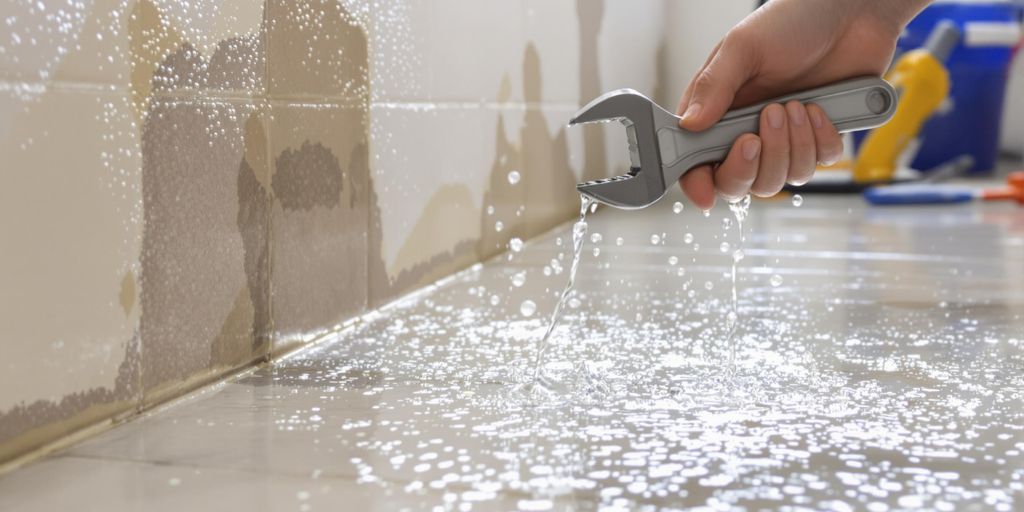
The first thing you should do when you notice a water leak is to shut off the water supply. Locate the main stopcock, which is often found under the kitchen sink or near your water meter. Turn it clockwise to stop the flow of water. If the leak is coming from an appliance, like a washing machine, check for isolation valves and turn those off as well. This simple step can prevent further damage while you figure out the next moves.
Ensuring Electrical Safety
Water and electricity are a dangerous mix, so this step is critical. Start by turning off the electricity in areas affected by the leak. Head to your fuse box and shut off the breakers for those zones. Use a flashlight for visibility instead of candles, which can pose a fire risk. If water has pooled near electrical outlets or appliances, avoid all contact until a professional has assessed the situation. Safety should always come first.
Documenting the Damage for Insurance
Take a moment to document the damage thoroughly. Snap photos of the affected areas, including any soaked floors, walls, or belongings. Write down details about when you discovered the leak and any immediate actions you took. This documentation will be invaluable when working with your insurance provider. Companies like Ruach Home Services can assist with both restoration and navigating insurance claims, making the process smoother for homeowners.
Acting quickly and methodically when a leak occurs can save you from bigger headaches down the road. Stay calm, focus on safety, and don’t hesitate to call in professionals if needed.
Common Causes of Water Leaks on Your Property
Aging or Damaged Pipes
Pipes don’t last forever. Over time, materials like iron or copper corrode, and even modern PVC pipes can develop cracks. Temperature changes, water pressure fluctuations, and general wear and tear all contribute to pipe deterioration. Old, worn-out pipes are a major culprit behind leaks, especially in homes built decades ago. If you notice rust stains or discoloration near pipes, it might be time for an inspection.
Tree Root Intrusion
Trees are beautiful, but their roots can be sneaky troublemakers. As roots grow, they naturally seek out moisture, and underground pipes carrying water are prime targets. When roots invade, they can crack or block pipes, causing leaks that are often hard to detect. If you’ve got large trees near your property, keep an eye out for slow drainage or unexplained wet spots in your yard.
Faulty Plumbing Fixtures
Sometimes, the issue isn’t underground but right in your bathroom or kitchen. Leaky faucets, worn-out seals, or improperly installed fixtures can all lead to water escaping where it shouldn’t. Even a small drip can waste gallons of water over time. Regularly checking and maintaining fixtures can save you from bigger headaches down the road.
A small leak today can lead to major damage tomorrow. Staying vigilant can help you avoid costly repairs.
Effective Tools and Techniques for Leak Detection
Using Water Leak Detectors and Sensors
Water leak detectors are handy devices that can spot leaks early. These gadgets use sound, temperature, or moisture sensors to alert you when water is escaping somewhere it shouldn’t. Setting these up in high-risk areas like basements or under sinks can save you from major headaches later.
Here are a few benefits of using these devices:
- Easy to install and monitor.
- Some models connect to your phone for real-time updates.
- Prevents costly water damage by catching leaks fast.
Inspecting Common Problem Areas
Sometimes, the best tools are your own eyes and a flashlight. Inspect areas like under sinks, around toilets, and near water heaters regularly. Look for signs like:
- Puddles or damp spots.
- Rust or corrosion on pipes.
- A musty smell that hints at hidden moisture.
If you spot any of these, it’s time to dig deeper.
Monitoring Water Meter Activity
Your water meter can tell you a lot about your plumbing. Here’s a simple way to check for leaks:
- Turn off all water in your home.
- Check the water meter reading.
- Wait an hour without using any water, then check again.
If the meter moves, you probably have a leak. This method is especially useful for spotting hidden issues in underground pipes or behind walls.
Quick Tip: Catching leaks early not only saves money but also helps conserve water, which is a win-win.
For more complex situations, consider reaching out to a professional. Companies like Ruach Home Services offer specialized leak detection and water damage restoration services to help you tackle these problems effectively.
Steps to Mitigate Damage After a Leak
Removing Standing Water Quickly
Dealing with standing water as soon as possible is critical. Water left unchecked can cause significant structural damage and promote mold growth within just 24-48 hours. Use a wet/dry vacuum, buckets, or even towels to remove water from the affected area. If the leak is extensive, consider renting a pump or hiring professionals to expedite the process. Don’t forget to check hidden spots like under furniture or inside cabinets where water may have pooled unnoticed.
Drying Affected Areas Thoroughly
Once the water is removed, drying the area is the next step. Open windows and doors to increase airflow, and use fans or dehumidifiers to speed up the drying process. For soaked carpets, pull them up and let the subfloor dry completely. Moisture trapped in walls or flooring can lead to long-term problems, so be thorough. If you’re unsure whether an area is dry, use a moisture meter to check.
Preventing Mold Growth
Mold can start forming surprisingly fast after a water leak. To prevent this, clean and disinfect all affected surfaces, especially porous materials like wood and fabric. Use a solution of water and bleach or a commercial mold inhibitor. Keep the area well-ventilated during this process. If you notice any signs of mold, such as discoloration or a musty smell, act immediately to remove it. In severe cases, consult a mold remediation specialist to ensure it doesn’t spread further.
When to Call a Professional for Help
Identifying Complex Leak Issues
Sometimes, a water leak isn’t as straightforward as a dripping faucet or a visible pipe crack. For hidden leaks—like those lurking behind walls, under floors, or in your yard—professional expertise is a must. Licensed plumbers come equipped with specialized tools like thermal imaging cameras and moisture meters to pinpoint the source of the problem without tearing apart your home unnecessarily. This saves you time, money, and a lot of frustration.
Understanding Insurance Coverage
Before picking up the phone to call a plumber, take a moment to review your insurance policy. Many policies cover emergency repairs or even reimburse the cost of leak detection services. Knowing what’s covered can save you from unexpected expenses. Remember to document the damage thoroughly, with clear photos and notes about the incident. This kind of preparation can make filing a claim much smoother. If you’re unsure about your coverage, consulting a professional service like Ruach Home Services can help clarify your options.
Choosing a Reputable Plumber
Not all plumbers are created equal. When hiring someone to handle your leak, look for these key qualities:
- Proper licensing and certifications
- Positive customer reviews and testimonials
- Experience with similar types of repairs
- Availability for emergency services
Taking the time to vet your plumber ensures the job gets done right the first time. After all, a poorly executed repair can lead to even bigger problems down the line.
Calling in a professional isn’t just about fixing the leak—it’s about protecting your home and your peace of mind.
Preventing Future Water Leaks on Your Property
Regular Plumbing Maintenance
Keeping up with routine plumbing maintenance is one of the smartest ways to avoid future leaks. Check your pipes, faucets, and water heaters for signs of wear and tear. Even a minor leak today can snowball into a costly repair. Make it a habit to:
- Inspect under sinks and around appliances for damp spots.
- Replace old or corroded pipes before they fail.
- Schedule an annual plumbing inspection with a professional.
Installing Leak Detection Systems
Modern leak detection systems are a game-changer. These devices can alert you to leaks in real time, helping you take action fast. Some systems even shut off the water automatically if a leak is detected. Consider installing detectors in high-risk areas like basements, near water heaters, or under sinks. It’s a small investment that can save you a lot of stress later.
Addressing Early Warning Signs
Don’t ignore the little things—they’re often the first signs of a bigger problem. If you notice:
- Unusually high water bills.
- Low water pressure.
- Damp spots or peeling paint on walls.
Take action immediately. Investigate these issues or call in a plumber to check things out. A quick response can prevent more extensive damage.
"Preventing home water damage is crucial, as leaks can occur unnoticed, especially when homeowners are away. To mitigate this risk, it’s advisable to shut off the main water supply and have a trusted neighbor check the property regularly." Learn more about preventing home water damage.
To stop water leaks from happening again, it’s important to take some simple steps. First, check your pipes and fix any leaks you find. Make sure your gutters are clean and working well to direct water away from your home. Also, consider using water alarms that can alert you to leaks early. If you want to learn more about keeping your home safe from water damage, visit our website for helpful tips and services!
Wrapping It Up
Dealing with a water leak can feel overwhelming, but taking quick and thoughtful action can make all the difference. By shutting off the water, documenting the damage, and calling in the right professionals, you can minimize the impact and get your home back to normal faster. Remember, staying on top of maintenance and keeping an eye out for early signs of trouble can save you a lot of stress (and money) in the long run. So, next time you hear that drip-drip-drip, don’t ignore it—take charge and tackle it head-on!
Frequently Asked Questions
What are the early signs of a water leak?
Look out for sudden spikes in your water bill, damp spots on walls or ceilings, and reduced water pressure. Strange sounds like dripping or running water can also be indicators.
How do I turn off the water supply during a leak?
Locate the main shut-off valve, often found near your water meter or under the kitchen sink. Turn it clockwise to stop the water flow immediately.
Can I fix a water leak on my own?
Minor leaks, like a dripping faucet, can often be fixed with basic tools. However, for hidden or major leaks, it’s best to call a professional plumber to avoid further damage.
What should I do to prevent mold after a water leak?
Quickly remove standing water, use fans or dehumidifiers to dry the area, and clean affected surfaces with mold-killing solutions. Keep humidity levels low to prevent mold growth.
When should I call a professional for a water leak?
If the leak is hidden, causing structural damage, or involves complex plumbing, it’s time to call a licensed plumber. Delaying professional help can lead to costly repairs.
How can I prevent water leaks in the future?
Regularly inspect and maintain your plumbing system, install water leak detectors, and address small issues like dripping faucets before they escalate.