
Water is life, right? But clean water? That’s a whole other story. Around the globe, millions still struggle to get it. Luckily, there’s a bunch of new tech and methods popping up to tackle this issue. From solar-powered filters to smart water management systems, there’s a lot happening in water remediation. Let’s dive into some of these innovative approaches and see how they’re making a splash.
Key Takeaways
- New tech like solar filters and smart systems are revolutionizing water cleaning.
- Desalination is becoming more energy-efficient, making seawater a viable source.
- Community involvement is key in implementing sustainable water practices.
- Digital solutions are helping manage water resources better.
- Innovative sanitation systems are crucial for public health.
Advanced Technologies in Water Remediation
Solar-Powered Water Filtration Systems
Solar-powered water filtration is making waves as a sustainable solution for clean water access. Using solar energy, these systems can effectively filter contaminants from water without relying on traditional power sources. A notable innovation is the Solar Absorber Gel, which purifies water by absorbing it at room temperature and releasing it when heated by the sun. It filters out pathogens, metals, and other unwanted particles, making it a simple yet effective tool for producing safe drinking water.
Desalination Techniques for Freshwater
Desalination is crucial for converting seawater into freshwater, especially in arid regions. Recent advancements have made this process more energy-efficient. For example, using larger membranes in desalination plants has increased the amount of water processed while lowering operational costs. These improvements are vital for providing freshwater in areas with limited natural sources.
Membrane Filtration Innovations
Membrane filtration technologies are evolving rapidly, offering new ways to clean water. Innovations like carbon nanotube (CNT) filters are capable of removing a wide range of contaminants, including organic and inorganic compounds. This technology not only enhances water quality but also increases the efficiency of water treatment processes. Membrane filtration is becoming a key player in ensuring safe and clean water for communities worldwide.
With advancements in solar-powered filtration, desalination, and membrane technologies, the future of water remediation looks promising. These innovations are not just about improving technology; they’re about providing comprehensive solutions for contaminated groundwater treatment and ensuring clean water for everyone.
The Role of Technology in Ensuring Clean Water
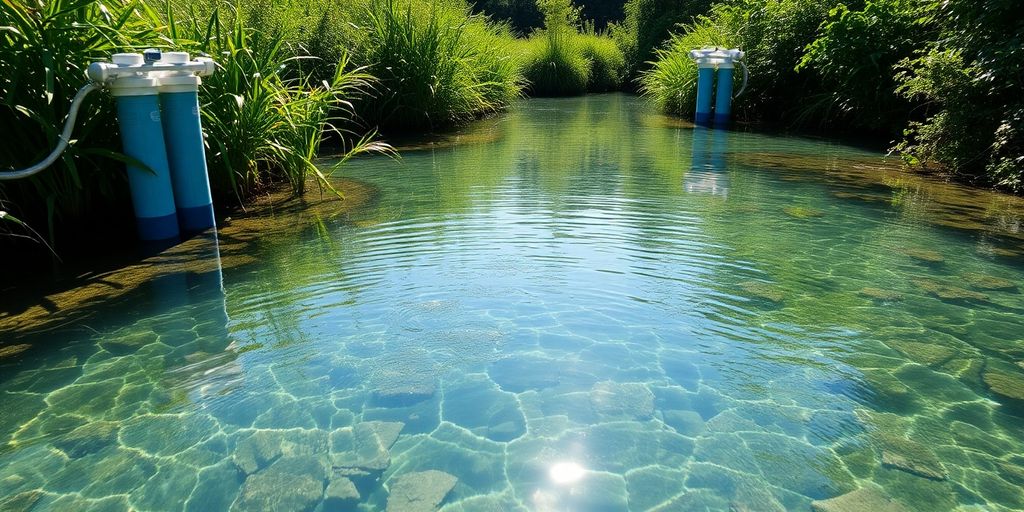
Advanced oxidation processes (AOPs) are at the forefront of modern water treatment technologies. These processes involve generating highly reactive species, like hydroxyl radicals, to degrade pollutants in water. AOPs are incredibly effective at breaking down complex organic compounds that traditional methods might miss. They are particularly useful in treating industrial wastewater, where the presence of persistent organic pollutants is common. Some popular AOPs include ozone-based treatments and Fenton reactions, which use hydrogen peroxide and iron catalysts.
Ultraviolet Light Applications
Ultraviolet (UV) light is a powerful tool for disinfecting water. It works by deactivating the DNA of microorganisms, making them unable to reproduce. This method is highly effective against bacteria, viruses, and protozoa. Unlike chemical disinfectants, UV light does not introduce any harmful byproducts into the water. Its application is widespread in both municipal water treatment facilities and portable water purification systems for outdoor enthusiasts.
Digital Solutions for Water Management
Digital solutions are revolutionizing how we manage water resources. From real-time monitoring to predictive maintenance, these technologies are making water management more efficient. For instance, digital water solutions enable real-time monitoring of water quality and infrastructure, enhancing the management of modern water systems. These systems allow for immediate tracking and response to issues, promoting efficiency and sustainability in water resource management. Key technologies include IoT sensors, data analytics, and cloud-based platforms, which together provide a comprehensive overview of water systems, helping to optimize their performance and reduce water waste.
As technology continues to evolve, its role in ensuring access to clean water becomes increasingly important. Embracing these innovations not only makes water treatment more effective but also more sustainable, paving the way for a healthier future for all.
Sustainable Practices in Water Remediation
Water is precious, and keeping it clean and available is something we all need to think about. Sustainable practices in water remediation play a big role in making sure we have enough clean water now and in the future. Let’s dive into some key areas where these practices shine.
Composting Flush Toilets
Composting flush toilets are a smart way to handle waste without using much water. They transform human waste into compost, which can be used to enrich soil. This system not only saves water but also reduces the need for chemical fertilizers. It’s an eco-friendly solution that turns waste into a resource.
Greywater Reuse Systems
Greywater systems take water from sinks, showers, and washing machines and treat it so it can be reused for things like irrigation. By reusing greywater, we cut down on the demand for fresh water. This not only helps conserve water but also reduces the strain on our sewage systems.
Community Involvement and Education
Getting communities involved is crucial for sustainable water management. Public awareness campaigns can educate people about the importance of water conservation and pollution prevention. When communities are informed and engaged, they make better choices that support sustainable water use. This is where green remediation comes into play, focusing on minimizing negative impacts while maximizing positive outcomes.
Challenges and Solutions in Global Water Access
Addressing Water Inequality
Water inequality is a huge issue worldwide. About 2 billion people still don’t have access to safe drinking water. Most of these people live in rural areas, and many are in the least developed countries. It’s a stark reminder that while some of us take water for granted, others face daily struggles to get even the most basic supply. To tackle this, we need more investment in infrastructure and innovative technologies to improve access to clean water. Public education is also key, helping communities understand the importance of water conservation and hygiene.
Impact of Environmental Disasters
Environmental disasters like floods and droughts can make water access even harder. These events damage infrastructure and contaminate water sources, leaving communities without clean water. Climate change only makes this worse, with more frequent and severe weather events. To combat this, we need robust systems in place that can withstand such disasters. This includes better planning and response strategies, as well as building infrastructure that’s more resilient to extreme weather.
Strategies for Vulnerable Communities
For communities most at risk, tailored solutions are essential. This might mean rainwater harvesting systems in dry areas or mobile water purification units in disaster zones. Community involvement is also crucial. When locals are part of the planning and implementation, solutions are more likely to be effective and sustainable. It’s also important to address the root causes of vulnerability, such as poverty and lack of education, which can exacerbate water access issues.
The challenge of global water access isn’t just about technology; it’s about people. Solutions must be inclusive and consider the diverse needs of different communities. Only then can we move towards a future where everyone has access to clean and safe water.
Innovative Sanitation Systems for Public Health
Biological Filtration Methods
Biological filtration is a natural way to treat water using living organisms. These systems use bacteria to break down waste and impurities, making water cleaner. They’re great for rural areas where traditional systems might not be available. Imagine a setup where water passes through layers of gravel and sand, with bacteria doing the hard work. It’s simple, yet effective.
Constructed Wetlands for Waste Management
Constructed wetlands are like nature’s own treatment plants. They mimic natural wetlands to filter and clean wastewater. Plants and soil work together to remove pollutants. These systems are cost-effective and can be a beautiful addition to landscapes. Plus, they support wildlife, adding a touch of nature to urban settings.
IoT in Water and Sanitation
The Internet of Things (IoT) is changing how we manage water and sanitation. Sensors and smart devices collect data on water quality and usage. This data helps in making informed decisions about water management. Imagine knowing exactly where leaks are happening or how much water a community is using in real-time. IoT makes this possible, helping to save water and reduce waste.
Innovative sanitation systems are more than just technology; they are a necessity for public health and environmental sustainability. With growing populations and urbanization, these systems play a crucial role in ensuring everyone has access to clean water and sanitation. They are not just solutions, but essential components of our future infrastructure.
Chemical and Biological Methods in Water Treatment
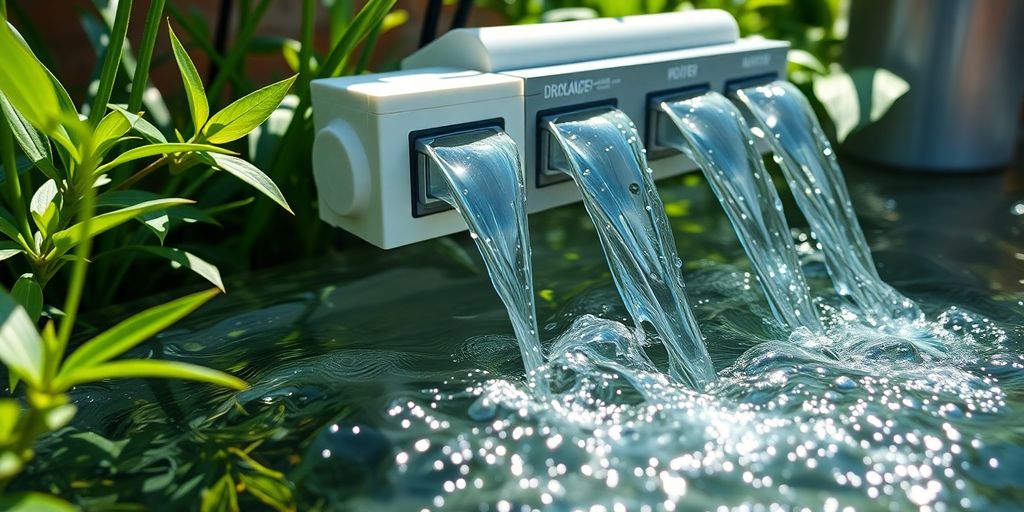
Water treatment is vital for providing safe drinking water. Various methods, both chemical and biological, are used to ensure water is clean and safe.
Chlorination and Disinfection Techniques
Chlorination is one of the oldest and most common methods for disinfecting water. It involves adding chlorine or chlorine compounds to water, effectively killing bacteria and other pathogens. While effective, it can produce by-products that may be harmful if not managed properly.
- Chlorine is easy to use and relatively inexpensive.
- It provides a residual disinfectant effect, continuing to protect water as it travels through pipes.
- Care must be taken to control the formation of disinfection by-products.
Biofiltration and Natural Processes
Biofiltration uses natural processes to purify water. Microorganisms play a key role in breaking down organic matter and pollutants. This method is sustainable and can be very effective in certain contexts.
- Activated sludge systems use bacteria to consume organic waste.
- Constructed wetlands use plants and soil to filter water naturally.
- These methods are environmentally friendly and often cost-effective.
Ozonation and Advanced Purification
Ozonation involves dissolving ozone into water. Ozone is a powerful oxidant that can destroy bacteria, viruses, and other contaminants.
- Ozone is generated on-site and injected into the water.
- It reacts with impurities, breaking them down.
- Ozonation does not leave harmful residues, making it a clean option.
The combination of these methods can address a wide range of water quality issues, providing safe and clean water for various uses.
Incorporating these methods into water treatment strategies ensures a comprehensive approach to clean water. For instance, alternative methods like reverse osmosis and ion exchange can complement these techniques, offering robust solutions for water purification.
Infrastructure and Policy for Water Remediation
Building Robust Water Supply Systems
Creating strong water supply systems is a big deal in making sure everyone has clean water. These systems need to handle both the water we drink and the water we use in our homes and businesses. They must be built to last, with pipes that don’t leak and treatment plants that can handle all kinds of water problems.
- Reliable pipelines: These are the veins of our water systems, moving water from one place to another without losing a drop.
- Treatment plants: Facilities that clean water, making it safe to use.
- Storage tanks: These hold water, ready for when we need it, ensuring there’s always enough.
Regulatory Frameworks for Water Safety
Having rules in place is like having a playbook for keeping water safe. These rules help make sure that all the water we use meets certain standards. Governments and organizations work together to create these guidelines, ensuring that water is tested and treated properly before it reaches us.
- Water quality standards: These are the benchmarks that water must meet to be considered safe.
- Monitoring systems: Regular checks that help catch any problems early.
- Compliance measures: Steps that companies and municipalities must follow to ensure they are meeting safety standards.
Investment in Research and Development
Investing in research and development is key to keeping our water systems up-to-date and efficient. By putting money into new technologies and methods, we can find better ways to treat and supply water. This includes everything from new filtration techniques to advanced monitoring systems that can detect issues before they become problems.
- Innovative technologies: New tools and methods that make water treatment faster and more effective.
- Research grants: Financial support for scientists and engineers working on water-related projects.
- Collaboration: Partnerships between universities, governments, and private companies to push the boundaries of what’s possible in water technology.
"Building a future where clean water is accessible to all requires not just technology, but a commitment to sustainable practices and policies."
For more on aligning federal investments and actions with efficient and sustainable water infrastructure development, you can explore this policy.
To effectively tackle water issues, we need strong plans and rules. It’s important to have the right tools and support to clean up and fix water damage. If you’re facing water problems, don’t wait! Visit our website to learn how we can help you restore your home and keep it safe.
Conclusion
In the end, making sure everyone has access to clean water isn’t just a dream—it’s something we can actually do. With all these new technologies, like solar-powered filters and advanced sanitation systems, we’re getting closer to solving the water crisis. But it’s not just about the tech; it’s about people coming together, sharing ideas, and making smart choices. We need to keep pushing for better solutions and not forget about the communities that still struggle every day. The journey to clean water for all is a big one, but with the right tools and teamwork, it’s definitely within reach.
Frequently Asked Questions
What are some new technologies for cleaning water?
New ways to clean water include using solar power, special filters, and turning saltwater into freshwater.
How can technology help people get clean water?
Technology helps by cleaning water, making sure it’s safe to drink, and managing how much water we use.
Why is sanitation important for health?
Sanitation keeps germs away, which helps stop the spread of diseases and keeps people healthy.
What challenges do people face in getting clean water?
Many people struggle with water pollution, not having enough water, and not having the right tools to clean it.
How do environmental disasters affect clean water access?
Disasters can make water dirty and hard to get, making it tough for people to find safe water to drink.
What role do communities play in water management?
Communities help by learning about water use, teaching others, and working together to keep water clean.