
In today’s world, finding ways to make our homes more sustainable is crucial. Innovative home solutions not only help reduce our impact on the environment but also create healthier living spaces for us and future generations. By adopting eco-friendly practices and utilizing advanced technologies, we can contribute to a greener future while enjoying the comforts of modern living.
Key Takeaways
- Utilizing renewable energy sources like solar and wind can significantly lower energy costs.
- Choosing eco-friendly building materials helps protect the environment and improves indoor air quality.
- Smart home technology can enhance energy efficiency and convenience in daily life.
- Implementing water conservation techniques is essential for sustainable living.
- Innovative waste management practices, including composting and recycling, can reduce landfill waste.
Harnessing Renewable Energy in Homes
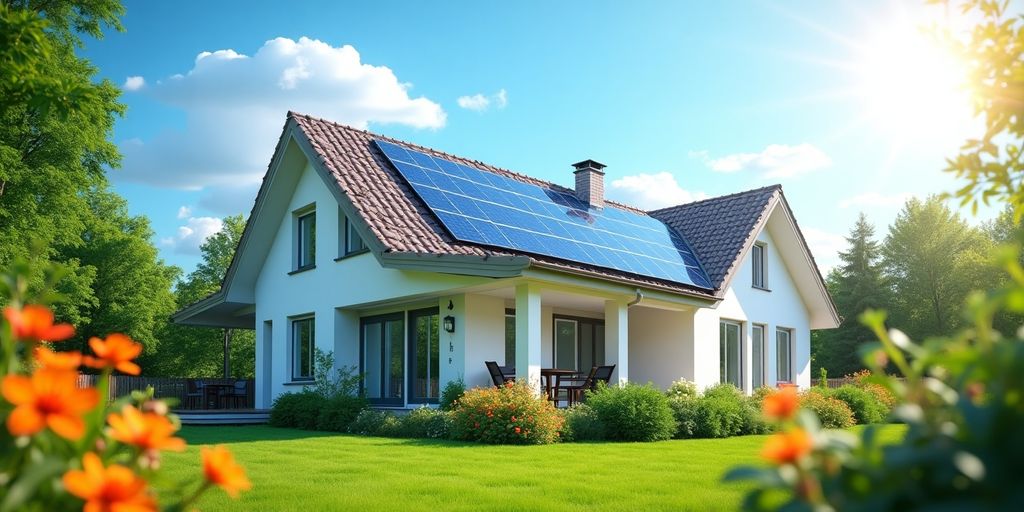
In today’s world, using renewable energy in our homes is more important than ever. This shift not only helps the environment but also saves money on energy bills. Here are some key ways to harness renewable energy:
Solar Power Integration
- Solar Panels: Installing solar panels on your roof can significantly reduce your electricity costs. They capture sunlight and convert it into energy.
- Solar Shingles: These are a stylish alternative to traditional solar panels, blending in with your roof while generating power.
- Building-Integrated Photovoltaics (BIPV): This technology allows roofs to generate energy while also serving as a roof covering.
Wind Energy Solutions
- Backyard Wind Turbines: These can be installed in your yard to harness wind energy. They are often more efficient than solar in windy areas.
- Tax Incentives: Many places offer tax breaks for homeowners who install wind energy systems, making it more affordable.
- Community Wind Projects: Joining a community project can provide access to wind energy without the need for personal installation.
Geothermal Heating and Cooling
- Geothermal Heat Pumps: These systems use the earth’s constant temperature to heat and cool your home efficiently.
- Sustainable Water Heating: Geothermal systems can also heat water, reducing energy costs.
- Long-Term Savings: Although the initial setup can be costly, the long-term savings on energy bills make it worthwhile.
By adopting these renewable energy solutions, homeowners can contribute to a more sustainable future while enjoying lower energy costs.
In conclusion, integrating renewable energy into our homes is a smart choice for both the planet and our wallets. With options like solar, wind, and geothermal energy, there are many ways to make your home more sustainable and energy-efficient. Remember, every small step counts towards a greener future!
Eco-Friendly Building Materials for Sustainable Homes
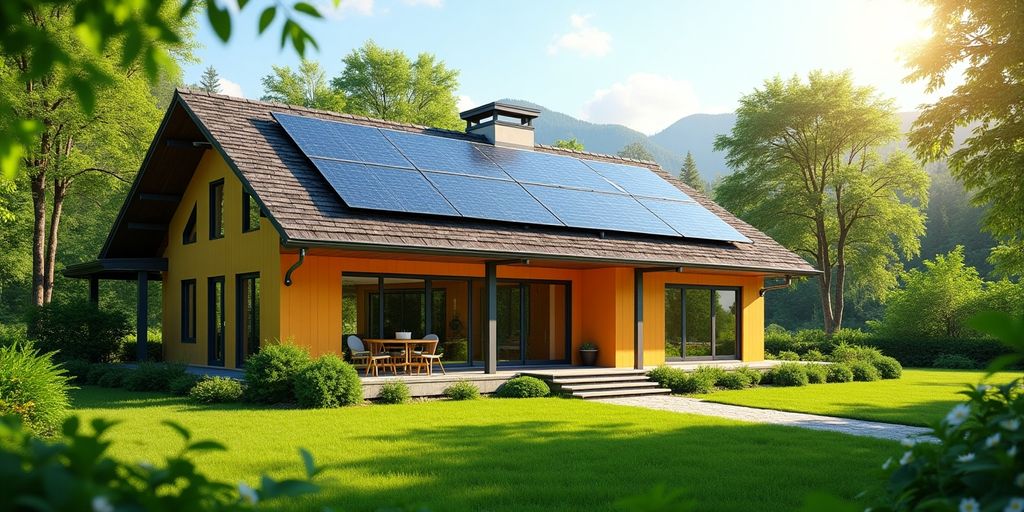
Building a sustainable home starts with choosing the right materials. Eco-friendly building materials are made from resources that are renewable and have a low impact on the environment. Here are some key points to consider:
Recycled and Reclaimed Materials
- Recycled materials help reduce waste by reusing items that would otherwise end up in landfills.
- Reclaimed wood can be sourced from old buildings, giving new life to materials that have history.
- Using recycled steel can save energy and reduce the need for new raw materials.
Natural Insulation Options
- Natural insulation materials like wool, cotton, and hemp are great for keeping homes warm and reducing energy use.
- These materials are often biodegradable and have a lower environmental impact compared to traditional insulation.
- They also help improve indoor air quality by reducing the presence of harmful chemicals.
Low-Impact Construction Techniques
- Building techniques that minimize waste and energy use are essential for sustainable homes.
- Techniques like modular construction can reduce material waste and speed up the building process.
- Sustainable building practices often include using local materials to lower transportation emissions.
Choosing eco-friendly materials not only benefits the environment but also creates a healthier living space for you and your family.
By focusing on these eco-friendly building materials, homeowners can contribute to a more sustainable future while enjoying the benefits of a healthier home.
Smart Home Technology for Energy Efficiency
Smart home technology is changing how we manage energy in our homes. These devices help save energy and reduce costs. By using smart systems, homeowners can monitor their energy use and make adjustments to save money.
Smart Thermostats and Climate Control
Smart thermostats are a great way to control your home’s temperature. They learn your habits and adjust the heating or cooling automatically. This means you can save energy when you’re not home. Here are some benefits of smart thermostats:
- Energy monitoring: Smart home systems provide real-time data on energy consumption, allowing you to identify which devices use the most energy and adjust their usage accordingly.
- Programmable settings: You can set schedules for when to heat or cool your home.
- Remote access: Control your thermostat from anywhere using your smartphone.
Automated Lighting Systems
Automated lighting systems can help reduce energy waste. They can turn lights on and off based on your presence. Here are some features:
- Motion sensors: Lights turn on when you enter a room and off when you leave.
- Timers: Set lights to turn on or off at specific times.
- Smart bulbs: Change the brightness or color of your lights with an app.
Home Energy Management Systems
Home energy management systems (HEMS) give you a complete view of your energy use. They can help you:
- Track energy consumption in real-time.
- Identify energy-saving opportunities.
- Control multiple devices from one app.
By using smart home technology, you can create a more energy-efficient home that saves money and helps the environment.
In conclusion, smart home technology is a powerful tool for improving energy efficiency. With devices like smart thermostats, automated lighting, and energy management systems, homeowners can take control of their energy use and contribute to a sustainable future.
Water Conservation Techniques for Modern Homes
Water conservation is essential for a sustainable future. Here are some effective methods to save water in your home:
Rainwater Harvesting Systems
Collecting rainwater is a great way to utilize natural resources. By installing rain barrels, you can gather rainwater for outdoor activities like watering plants or cleaning. This not only conserves water but also reduces your water bill.
Low-Flow Plumbing Fixtures
Switching to low-flow fixtures can significantly reduce water usage. Consider these options:
- Low-flow showerheads: Use less water without sacrificing pressure.
- Low-flow faucets: Reduce water flow in kitchens and bathrooms.
- Water-efficient toilets: Use less water per flush, helping to save gallons daily.
Greywater Recycling
Recycling greywater from sinks, showers, and washing machines can be a smart way to conserve water. This water can be reused for irrigation or flushing toilets, making it a valuable resource in your home.
Implementing these water conservation techniques can lead to a more sustainable lifestyle and lower utility costs.
By adopting these practices, you can contribute to a more eco-friendly home environment. Remember, every drop counts!
Innovative Waste Management Solutions
Composting and Organic Waste Solutions
Composting is a great way to turn food scraps and yard waste into valuable compost for your garden. This process not only reduces waste but also enriches the soil. Here are some simple steps to start composting at home:
- Choose a compost bin or pile location.
- Add kitchen scraps like fruit peels and vegetable trimmings.
- Mix in yard waste such as leaves and grass clippings.
- Turn the compost regularly to speed up decomposition.
Recycling and Upcycling Practices
Recycling helps keep materials out of landfills and reduces our environmental impact. Here are some effective recycling practices:
- Separate recyclables from regular trash.
- Use designated bins for paper, plastics, glass, and metals.
- Donate or repurpose items instead of throwing them away.
Smart Waste Collection Systems
Smart waste collection systems use technology to improve waste management. These systems can:
- Monitor waste levels in bins to optimize collection routes.
- Use sensors to alert when bins are full.
- Provide data to help cities manage waste more efficiently.
By adopting these innovative waste management solutions, we can work towards a zero waste future, where resources are used wisely and waste is minimized. Zero waste is a philosophy aimed at optimizing resource management by eliminating waste through innovative redesign of resource lifecycles.
Designing Homes for Health and Wellbeing
Creating homes that promote health and wellbeing is essential in today’s world. A well-designed home can significantly improve your quality of life. Here are some key aspects to consider:
Indoor Air Quality Improvements
- Use natural materials that do not emit harmful chemicals.
- Install air purifiers to reduce allergens and pollutants.
- Ensure proper ventilation to allow fresh air circulation.
Natural Lighting and Ventilation
- Design windows to maximize sunlight, which can boost mood and energy.
- Use skylights to bring in more natural light.
- Incorporate open spaces to enhance airflow and reduce stuffiness.
Biophilic Design Elements
- Integrate plants into your home to improve air quality and create a calming atmosphere.
- Use natural textures and colors to connect with nature.
- Create outdoor spaces that encourage relaxation and social interaction.
Designing homes with health in mind not only benefits the occupants but also contributes to a more sustainable future.
By focusing on these elements, homeowners can create spaces that are not only functional but also nurturing for both body and mind. Prioritizing health and wellness in home design is a step towards a better living environment.
Future Trends in Sustainable Home Solutions
As we look ahead, the future of home design is becoming increasingly focused on sustainability and innovation. Modular and prefabricated homes are gaining popularity due to their efficiency and reduced waste during construction. These homes are built in sections in a factory and then assembled on-site, which can save time and resources.
Modular and Prefabricated Homes
- Efficiency: These homes can be constructed faster than traditional homes.
- Customization: Homeowners can choose designs that fit their needs.
- Reduced Waste: Building in a factory minimizes material waste.
3D Printing in Construction
3D printing technology is revolutionizing how we build homes. This method allows for the creation of home structures layer by layer, which can significantly lower costs and construction time. This innovative approach not only saves money but also reduces the environmental impact of traditional building methods.
Integration of AI in Home Management
Artificial Intelligence (AI) is becoming a key player in managing home energy use. Smart systems can learn a homeowner’s habits and adjust energy consumption accordingly. This leads to better energy efficiency and lower utility bills. For example:
- Smart thermostats can optimize heating and cooling.
- Automated lighting can reduce energy use when rooms are unoccupied.
- Home energy management systems can provide insights into energy consumption patterns.
The shift towards sustainable home solutions is not just a trend; it’s a necessary evolution for a healthier planet. By embracing these innovations, homeowners can contribute to a more sustainable future while enjoying the benefits of modern technology.
In conclusion, the future of home solutions is bright with possibilities. As we adopt these innovative trends, we can create homes that are not only comfortable but also environmentally friendly. Investing in these technologies today will pave the way for a sustainable tomorrow.
As we look ahead, sustainable home solutions are becoming more important than ever. From energy-efficient appliances to eco-friendly building materials, there are many ways to make your home greener. If you’re interested in learning more about how to create a sustainable living space, visit our website for tips and resources that can help you get started!
Conclusion
In conclusion, making your home more eco-friendly is easier than you might think. You can start with small steps, like using energy-saving light bulbs or being careful with water use. Installing solar panels is another great way to use clean energy. Remember to reduce, reuse, and recycle whenever you can to cut down on waste. Embracing new green technologies, like smart appliances, can also help you live more sustainably. Finally, keep learning about eco-friendly practices to keep making a positive difference for our planet. By taking these actions, you can help create a healthier home and a better future for everyone.
Frequently Asked Questions
What are some ways to use renewable energy in my home?
You can use solar panels, wind turbines, or geothermal systems to harness renewable energy. These options help reduce your energy bills and are better for the environment.
How can I make my home more eco-friendly?
You can start by using recycled materials, choosing energy-efficient appliances, and reducing waste. Simple changes like using LED bulbs and composting can also help.
What is smart home technology and how does it help?
Smart home technology includes devices like smart thermostats and lights that can be controlled from your phone. They help save energy and make your home more comfortable.
Why is water conservation important?
Water conservation helps protect our water supply and reduces the energy used to pump and heat water. Simple steps like fixing leaks and using low-flow fixtures can make a big difference.
What are some innovative waste management solutions?
Innovative waste management includes composting, recycling programs, and smart bins that track waste. These solutions help reduce the amount of waste that ends up in landfills.
How can I design my home for better health?
You can improve your home’s health by ensuring good air quality, using natural light, and incorporating plants into your space. These elements can create a more pleasant and healthier living environment.