
Dealing with insurance claims for storm damage can be a real headache. It’s one of those things you don’t think about until you’re knee-deep in it. After a storm hits, you’re left with a mess to clean up and a mountain of paperwork to tackle. But don’t worry, we’ve got you covered. This guide will walk you through what you need to do, step by step, to make sure you get the compensation you’re entitled to. From understanding your policy to working with adjusters, we’ll cover it all.
Key Takeaways
- Your safety is the top priority after a storm. Before anything else, make sure you and your family are safe.
- Documentation is crucial. Take lots of photos and keep records of everything damaged.
- Know your insurance policy inside out. Understand what’s covered and what isn’t.
- When filing a claim, be prompt and thorough. Gather all necessary documents and submit them quickly.
- If your claim is denied or the offer is too low, don’t hesitate to dispute it. You have options, including hiring a public adjuster or seeking legal advice.
Immediate Actions to Take After Storm Damage
Ensuring Safety for You and Your Family
First things first, your family’s safety is the top priority. If the storm has left your home in a dangerous state, like with downed power lines or unstable structures, it’s best to leave and find a safer spot. Safety comes before everything else. If there’s any immediate danger, don’t hesitate to call emergency services.
Documenting the Extent of the Damage
Once it’s safe to do so, grab your phone or a camera and start documenting the damage. Take photos and videos of everything affected. Get wide shots for context and close-ups for details. Make a list of damaged items and note their approximate values. If you have any receipts or proof of purchase, gather them up. This documentation will be crucial later on.
Contacting Emergency Services if Necessary
If the situation is dire, like if there’s a risk of further damage or injury, contact emergency services immediately. Report any damages to local officials and request immediate assistance. They can often help secure your property or provide temporary shelter if needed.
Remember, your home can be repaired or replaced, but your life and health are irreplaceable. Always choose safety first.
Understanding Your Insurance Policy and Coverage
Reviewing Your Policy for Storm Damage Coverage
After a storm hits, the first thing you should do is dig out your insurance policy and give it a good read. Knowing what’s covered and what’s not can save you a lot of headaches down the line. Look for sections that talk about storm damage specifically. Most policies cover damage from things like wind and hail, but you might be surprised to find out that other types of damage, like flooding, might not be included. If you’re scratching your head over some of the terms, don’t hesitate to call your insurance agent for a rundown. They can help clear up any confusion.
Identifying Exclusions and Limitations
Insurance policies are notorious for their fine print. You’ll want to pay close attention to any exclusions or limitations. Some policies might not cover damage from mudslides or debris flows, for instance. If you live in a high-risk area, it might be worth looking into additional coverage options. Make sure you understand any sub-limits that might apply to specific types of storm damage. This way, you won’t be caught off guard if your claim gets adjusted.
Understanding Deductibles and Reimbursement
Before you get too far into the claims process, it’s important to know your deductible. This is the amount you’ll have to pay out of pocket before your insurance kicks in. For storm damage, this could be a fixed amount or a percentage of your home’s insured value. For example, a 2% windstorm deductible on a home insured for $250,000 means you’ll need to cover the first $5,000 of damage yourself. Also, check whether your policy reimburses the replacement cost or just the actual cash value of damaged items. Replacement cost means you get enough to buy a new item, while actual cash value factors in depreciation, meaning you might only get a fraction of what it would cost to replace the item new.
Understanding your insurance policy inside and out can prevent surprises and help you set realistic expectations for your claim. If you find the policy language complex, consider seeking professional help to ensure you fully understand your coverage.
Filing an Insurance Claim for Storm Damage

Contacting Your Insurance Provider
When the storm has passed and it’s safe to do so, your first step is to contact your insurance provider. Reach out as soon as possible—many insurers have 24/7 hotlines for emergencies. Be ready with your policy number and a brief description of the damage. This call is crucial because it sets the wheels in motion for your claim. They’ll provide you with a claim number, which you’ll need for all future communications.
Gathering Necessary Documentation
Documentation is your best friend in this process. Start by taking clear photos and videos of all the damage. Capture everything from multiple angles to provide a comprehensive view. Make a detailed list of damaged items, noting their purchase dates and values if possible. Keep receipts for any temporary repairs you make to prevent further damage. This documentation is essential not only for your claim but also if you need to file a wildfire insurance claim in the future.
Submitting Your Claim Efficiently
Once you have your documentation ready, submit your claim. This might be through an app, online portal, or directly with a representative. Ensure all your paperwork is complete and double-check for any required forms or additional information. Being thorough can help speed up the process and avoid unnecessary delays. After submission, maintain a file with all correspondence regarding your claim, including emails and notes from phone calls.
Filing an insurance claim can be daunting, but staying organized and proactive helps streamline the process. Keeping track of all details and maintaining open communication with your insurer can make a significant difference in the outcome of your claim.
Working with Insurance Adjusters
Preparing for the Adjuster’s Visit
Once you’ve filed your claim, an insurance adjuster will come to check out the damage. This usually happens within a few days, if the situation allows. It’s super important to be ready for their visit. Make sure they see everything you’ve noticed. You can walk them through the property, showing all the damage you’ve documented. This is your chance to ensure nothing gets missed.
- Have all your photos and videos ready.
- Make a checklist of damages so you don’t forget anything.
- Be honest and straightforward about what happened.
Understanding the Adjuster’s Role
The adjuster is there to evaluate the damage and decide on compensation. They’re like the middleman between you and the insurance company. While it might be tempting to get upset if things aren’t going your way, remember, they’re just doing their job. Try to stay calm and reasonable.
It’s easy to get frustrated, but keeping cool can make a big difference in how smoothly things go.
Considering a Public Adjuster for Complex Claims
If you feel like things aren’t adding up, or if your claim is complicated, it might be worth looking into hiring a public adjuster. These folks work for you, not the insurance company. They can help make sure you get a fair deal. But, before you hire one, check out their fees and make sure they’re legit.
- Public adjusters can level the playing field.
- They speak the language of insurance, which can be a big help.
- Always check their references and understand their costs before signing on.
For more on how adjusters fit into the storm damage claims process, it’s essential to coordinate effectively and have all your documentation in order.
Managing Repairs and Temporary Living Arrangements
Making Temporary Repairs to Prevent Further Damage
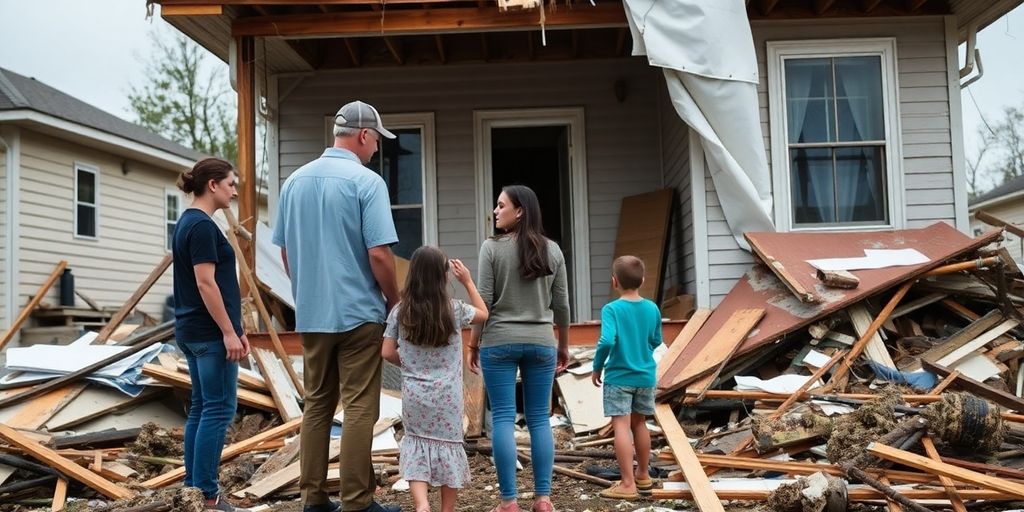
After a storm, the first thing is to stop any more damage from happening. Patch up broken windows with plywood or plastic, and cover roof leaks with tarps. Keep every receipt for these materials because your insurance might pay you back.
- Check for structural damage first, as it can be a big safety risk.
- Document all damage with photos and videos.
- Call in professionals for temporary fixes if needed.
Selecting Reliable Repair Services
Finding a good contractor can be tricky. You want someone who knows storm damage well. Here are some tips:
- Get multiple estimates to compare prices and services.
- Check their credentials and experience.
- Avoid anyone who asks for a big payment upfront.
It’s smart to choose a restoration company with fast response times and proper certifications.
Handling Additional Living Expenses
If your home is too damaged to live in, your policy might cover living somewhere else for a while. This includes hotel bills and meals. Make sure to:
- Keep all receipts for these expenses.
- Confirm with your insurer about what’s covered and for how long.
- Ask if they cover other costs like boarding pets or storing belongings.
Keeping track of all these details can make a tough situation a little bit easier. Always double-check with your insurance company on what they will cover, so there are no surprises later.
Dealing with Claim Denials and Low Compensation Offers
Understanding Reasons for Claim Denial
Facing a claim denial can be frustrating, but understanding why it happened is the first step in addressing it. Insurance companies often deny claims due to policy exclusions or insufficient documentation. Carefully review the denial letter to pinpoint the specific reasons. It might be something as simple as missing paperwork or a misunderstanding about the policy’s coverage.
Submitting a Formal Dispute
If you believe your claim was wrongly denied, you have the right to dispute it. Start by gathering additional evidence to support your case. This might include more photos, expert opinions, or detailed repair estimates. Write a formal letter to your insurer, outlining why you disagree with their decision, and include any new evidence you’ve collected. Keep a copy of everything you send.
Seeking Legal Advice if Necessary
When disputes drag on or if the insurer remains uncooperative, it might be time to consider legal assistance. Hiring a lawyer can help secure fair compensation and ensure your rights are protected. Before proceeding, weigh the potential costs and benefits. Legal action can be time-consuming, but sometimes it’s the necessary step to achieve a fair resolution.
Preventing Future Storm Damage and Protecting Your Home
Implementing Preventative Measures
Taking steps to protect your home from storm damage is not just smart, it’s essential. Regular maintenance can go a long way in preventing major issues. Start by trimming any tree branches that hang over your home; this reduces the risk of them crashing down during a storm. Also, check your roof for worn or missing shingles and replace them as needed. These proactive measures help keep your home safer during severe weather.
Regularly Reviewing and Updating Your Insurance Policy
Your insurance policy is your safety net. Make it a point to review it at least once a year. Policies can change, and so can your needs. Ensure your coverage aligns with your home’s current value and any new risks you’ve identified. If you live in a flood-prone area, consider adding flood insurance, as standard homeowner policies typically don’t cover flooding.
Educating Yourself on Storm Preparedness
Knowledge is power, especially when it comes to storms. Learn about the types of storms common in your area and how they can affect your home. Create an emergency plan for your family, including evacuation routes and a communication strategy. Stock up on essentials like water, non-perishable food, and batteries.
Being prepared isn’t just about having the right supplies; it’s about having the right mindset. Knowing what to do before, during, and after a storm can make all the difference.
To keep your home safe from future storms, it’s important to take some steps now. Start by checking your roof and gutters to make sure they are in good shape. You can also think about adding storm shutters or reinforcing your doors and windows. If you want to learn more about how to protect your home, visit our website for helpful tips and services!
Wrapping It Up
Dealing with storm damage and the insurance claims that follow can be a real headache. But, if you take it step by step, it doesn’t have to be a nightmare. Start by making sure everyone is safe, then get all the damage documented. Call your insurance company as soon as you can and follow their instructions. Keep track of everything—photos, receipts, and all the conversations you have with your insurer. If things get tricky, don’t hesitate to ask for help, whether it’s from a public adjuster or even legal advice. Remember, being organized and proactive can make a big difference in getting the compensation you deserve. So, take a deep breath, stay calm, and tackle each step one at a time.
Frequently Asked Questions
What should I do right after storm damage?
First, make sure everyone is safe. Stay away from dangers like broken power lines and sharp objects. Wear sturdy shoes and gloves if you need to check your home. Once safe, call your insurance company to report the damage.
How do I document storm damage for my claim?
Take clear photos and videos of all the damage from different angles. Write down a list of all damaged items and their values. Keep any receipts for temporary repairs.
What if my insurance claim is denied or the payout is too low?
If your claim is denied or the payout seems too low, read the denial letter to understand why. You can gather more evidence and submit a formal dispute. Sometimes, hiring a public adjuster or consulting a lawyer can help.
How do I know what’s covered in my insurance policy?
Review your insurance policy to see what types of storm damage are covered. Pay attention to any exclusions or limitations and understand your deductible.
What are temporary repairs, and will my insurance cover them?
Temporary repairs are quick fixes to prevent more damage, like covering broken windows. Keep all receipts for these repairs, as your insurance might reimburse you.
Can I make major repairs before the insurance adjuster visits?
It’s best to wait for the insurance adjuster to assess the damage before making major repairs. However, you can make temporary repairs to prevent further damage.