
Recovering from fire damage can be a tough journey for homeowners. The aftermath of a fire can leave not only physical destruction but also emotional scars. Understanding what to do next is crucial to ensure safety and restore your home effectively. This article provides essential tips to help you navigate the challenges of fire damage home restoration, from immediate actions to long-term strategies.
Key Takeaways
- Act quickly to ensure your family’s safety and secure your property after a fire.
- Contact your insurance provider as soon as possible to start the claims process.
- Consider hiring professional restoration services for effective cleanup and repairs.
- Regularly test smoke alarms and create a fire escape plan to prevent future incidents.
- Seek emotional support to cope with the aftermath of a fire and its impact on your life.
Understanding the Impact of Fire Damage on Your Home
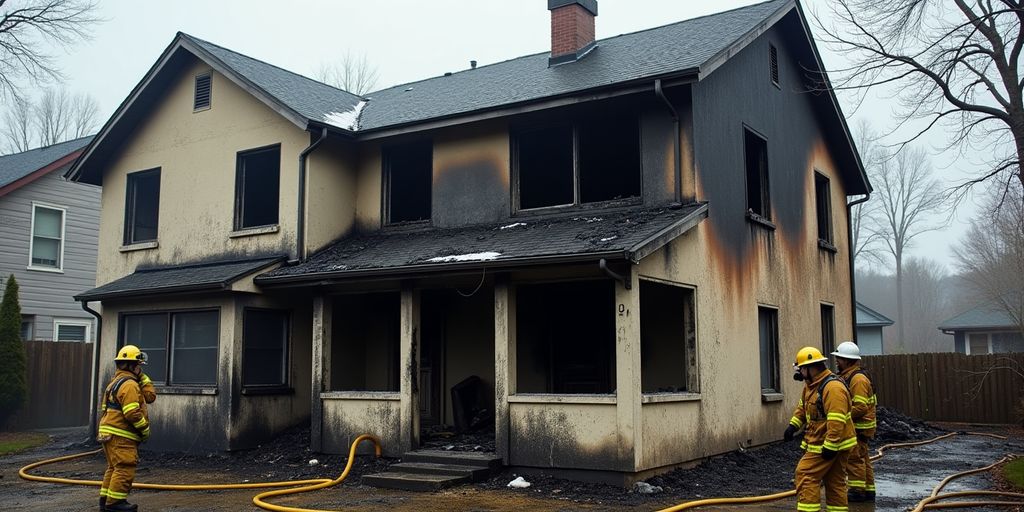
Fire damage can have a significant impact on your home, affecting not just the visible areas but also hidden parts that may pose dangers later. Understanding the types of fire damage is crucial for effective recovery.
Types of Fire Damage
Fire damage can be categorized into several types:
- Structural Damage: The heat from the fire can weaken the building’s framework, risking collapse.
- Smoke Damage: Smoke can seep into walls and belongings, leaving behind stubborn odors and residues.
- Water Damage: Water used to extinguish the fire can cause additional harm, leading to mold growth if not addressed quickly.
- Personal Property Loss: Fires can destroy furniture, electronics, and personal items, resulting in both financial and sentimental losses.
Hidden Dangers Post-Fire
After a fire, there are often hidden dangers that homeowners may not immediately recognize:
- Compromised Electrical Systems: Damaged wiring can lead to future fire risks.
- Weakened Structures: Support beams may be damaged, increasing the risk of collapse.
- Health Hazards: Soot and ash can cause respiratory issues if inhaled.
Long-Term Effects on Property
The long-term effects of fire damage can be severe:
- Mold Growth: Moisture from firefighting efforts can lead to mold, which poses health risks.
- Decreased Property Value: Homes with fire damage may lose value, making resale difficult.
- Emotional Impact: The trauma of a fire can linger, affecting the mental well-being of residents.
Understanding the full impact of fire damage is essential for homeowners to make informed decisions about restoration and recovery.
For those facing fire damage, seeking help from affordable no.1 fire damage restoration services can provide the necessary support to restore your home effectively.
Immediate Actions to Take After a House Fire
After experiencing a house fire, it’s crucial to take the right steps to ensure safety and begin the recovery process. Here are some essential actions to consider:
Ensuring Family Safety
- Wait for the fire department to confirm that it is safe to enter your home.
- Use protective gear like masks and gloves when handling any damaged materials.
- Ventilate the area by opening windows and doors to help reduce smoke odor.
Contacting Your Insurance Provider
- Reach out to your insurance company as soon as possible to report the incident.
- Document the damage by taking photos and videos, but only if it’s safe to do so.
- Keep a record of all communications with your insurance provider for future reference.
Securing Your Property
- Board up any broken windows and doors to prevent further damage or unauthorized entry.
- Arrange for temporary housing if your home is unsafe to occupy.
- Recover important documents, like identification and financial records, if it’s safe to do so.
Taking immediate action after a fire can significantly impact the recovery process. Prioritize safety and documentation to ensure a smoother restoration journey.
By following these steps, homeowners can effectively navigate the aftermath of a fire and begin the restoration process with confidence. Remember, the goal is to protect your family and your property while minimizing further damage.
The Fire Damage Restoration Process
After a fire, restoring your home is a crucial task that involves several steps to ensure safety and recovery. The first step is to conduct a thorough assessment of the damage. This helps in understanding what needs to be done to bring your home back to its original state.
Initial Assessment and Planning
- Inspect the Damage: Professionals will check for structural issues, water damage, and smoke residue.
- Create a Restoration Plan: Based on the assessment, a detailed plan will be made to address all areas needing repair.
- Secure the Property: This includes boarding up windows and doors to prevent further damage or theft.
Cleaning and Deodorization
Cleaning is essential to remove soot and smoke. Here are some methods:
- Vacuuming: Use a vacuum with a HEPA filter to remove loose soot.
- Washing Surfaces: Clean surfaces with a mixture of warm water and mild detergent to neutralize odors.
- Deodorizing: Use activated charcoal or baking soda to absorb lingering smells.
Structural Repairs and Rebuilding
Once cleaning is done, repairs can begin:
- Assess Structural Integrity: Check if walls, floors, and ceilings need repairs or replacements.
- Rebuild: This may involve hiring professionals to restore your home to its pre-fire condition.
- Final Inspection: Ensure everything is safe and up to code before moving back in.
Restoring a home after fire damage is not just about fixing physical structures; it’s about bringing back a sense of safety and comfort to your life.
By following these steps, homeowners can effectively navigate the fire damage restoration process and work towards a safe and welcoming home again.
Working with Professional Fire Restoration Services
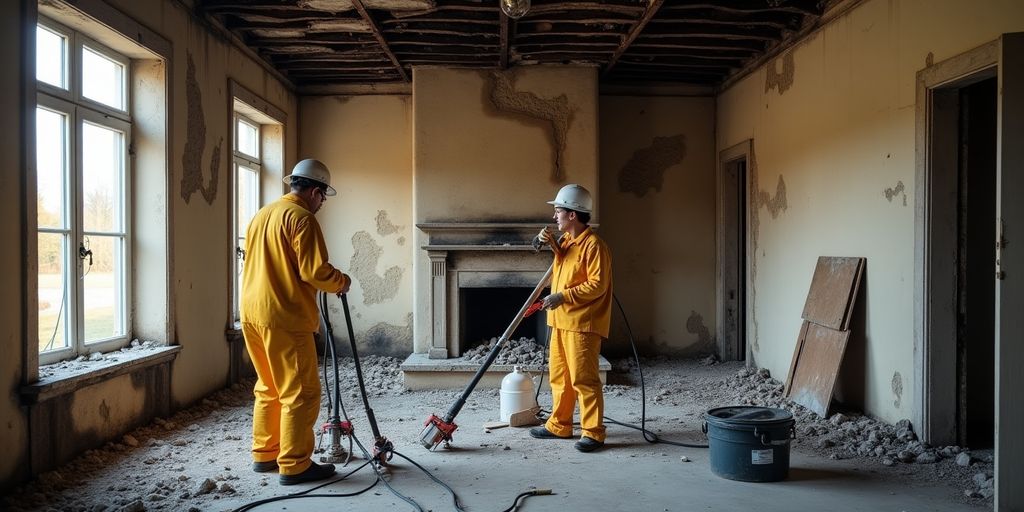
Experiencing a fire can be incredibly tough for homeowners. Hiring a professional fire restoration company is crucial to ensure your home is safely restored. These experts have the right skills and tools to handle fire and smoke damage effectively, allowing you to focus on your recovery.
Choosing the Right Restoration Company
When selecting a fire restoration service, consider the following:
- Experience: Look for companies with a proven track record in fire damage restoration.
- Certifications: Ensure they are certified and follow industry standards.
- Reviews: Check customer feedback to gauge their reliability and quality of service.
Benefits of Professional Expertise
Working with professionals offers several advantages:
- Thorough Assessment: They conduct a detailed evaluation of the damage.
- Safety Measures: Professionals secure your property to prevent further damage.
- Insurance Coordination: They assist with the claims process, making it easier for you.
Coordinating with Insurance Companies
Navigating insurance claims can be complicated. Here’s how professionals help:
- They document the damage thoroughly.
- They communicate directly with your insurance provider.
- They ensure you receive the coverage you deserve.
Engaging a professional fire restoration service not only helps restore your home but also provides peace of mind during a challenging time.
In summary, working with a professional fire restoration company is essential for a successful recovery. They bring expertise, safety, and support, making the restoration process smoother and less stressful for homeowners.
Preventing Future Fire Incidents
Installing and Maintaining Smoke Alarms
To keep your home safe, install smoke alarms on every floor and in sleeping areas. Test them monthly and change the batteries at least once a year. This simple step can save lives.
Developing a Family Fire Escape Plan
Creating a fire escape plan is essential. Discuss with your family:
- Multiple exit routes from each room
- A safe meeting spot outside
- Practice the plan at least twice a year to ensure everyone knows what to do in case of a fire.
Regular Home Safety Inspections
Regularly check your home for potential fire hazards. Here are some key areas to inspect:
- Electrical systems and appliances for damage
- Safe storage of flammable materials
- Proper use of heating equipment
By taking these steps, you can significantly reduce the risk of fire in your home. Remember, house fires can start in various ways, so familiarize yourself with these fire prevention tips to help reduce the risk.
Coping with the Emotional Aftermath of a House Fire
Dealing with the emotional aftermath of a house fire can be just as tough as fixing the physical damage. Homeowners often feel a mix of emotions, including shock, sadness, and anger. It’s important to acknowledge these feelings and seek help from friends, family, or local support services. Here are some ways to cope:
Recognizing Emotional Responses
- Understand that feeling overwhelmed is normal.
- Acknowledge feelings of loss and grief for your home and belongings.
- Be patient with yourself as you navigate through these emotions.
Seeking Support and Counseling
- Lean on loved ones for emotional support.
- Consider professional counseling or therapy to help process your feelings.
- Join support groups where you can share experiences with others who have faced similar challenges.
Rebuilding Your Life and Home
- Focus on small, achievable goals to regain a sense of control.
- Create a plan for recovery that includes both emotional and physical aspects.
- Remember that rebuilding takes time, and it’s okay to ask for help along the way.
Coping with the aftermath of a fire is a journey. Take it one step at a time and don’t hesitate to reach out for support when needed.
Deciding Whether to Rebuild or Sell Your Fire-Damaged Home
Factors to Consider
When faced with the decision of whether to rebuild or sell your fire-damaged home, there are several important factors to think about:
- Extent of Damage: Assess how much damage your home has sustained. If the damage is severe, rebuilding might be a lengthy and costly process.
- Emotional Attachment: Consider your feelings towards the home. If it holds significant memories, you might lean towards rebuilding.
- Financial Implications: Evaluate the costs involved in both options. Rebuilding can be expensive, while selling might provide immediate financial relief.
Financial Implications
Here’s a simple table to help you weigh the financial aspects:
| Option | Potential Costs | Potential Gains |
|---|---|---|
| Rebuild | High (construction, permits) | Long-term value increase |
| Sell | Low (agent fees, repairs) | Quick cash, new start |
Emotional Attachment to the Home
Deciding to sell your home after a fire can be tough. Selling a house with fire damage isn’t ideal, but it is possible. You may need to disclose the fire damage to potential buyers, which can affect the sale price. If you choose to rebuild, you can create a space that reflects your current needs and preferences.
Remember, the choice between rebuilding and selling is personal. Take your time to evaluate your options and consult with professionals if needed.
If your home has suffered fire damage, you might be wondering whether to rebuild or sell. This decision can be tough, but it’s important to weigh your options carefully. Consider the costs, the emotional impact, and the potential for future value. For expert advice and support, visit our website today!
Conclusion
Recovering from fire damage can be tough, but knowing what to expect can make it easier. By understanding the challenges and taking the right steps after a fire, you can handle the restoration process more smoothly. Working with a professional team like Titan Restoration Construction can help lighten your load and ensure your home is restored properly. This way, you can focus on healing and getting back to your normal life. Remember, you don’t have to go through this alone. Reach out to Titan Restoration Construction for help, and take the first step toward bringing your home back to life.
Frequently Asked Questions
What should I do immediately after a fire in my home?
First, ensure everyone is safe and call the fire department if they haven’t already. Then, contact your insurance company and document the damage with photos.
How can I prevent mold after a fire?
To stop mold, remove any water quickly and dry out your home. Use fans and dehumidifiers to help with drying.
Is it safe to enter my home after a fire?
Only enter your home when the fire department says it is safe. Look out for dangers like weak floors or walls.
What are the signs of smoke damage?
Smoke damage can show up as black marks on walls, a smoky smell, and discoloration on surfaces.
Should I hire a professional for fire damage restoration?
Yes, hiring professionals can help ensure your home is safely and thoroughly restored, as they have the right tools and experience.
What items should I throw away after a fire?
You should discard any food, cosmetics, medications, and items that were burned or exposed to smoke, as they can be unsafe.