
Thinking about giving your home a fresh look in 2024? Restoration remodeling might just be what you need. It’s all about breathing new life into your space, whether it’s updating the kitchen, adding some smart tech, or even knocking down a few walls for that open floor plan feel. But before you jump in, there’s a lot to consider, from planning and budgeting to picking the right materials and professionals. Let’s break it down so you can get started on transforming your home with confidence.
Key Takeaways
- Set clear goals for your remodeling project to guide decisions.
- Budget realistically to avoid financial surprises down the line.
- Choose eco-friendly materials to benefit the environment and your health.
- Integrate smart technology for added convenience and efficiency.
- Maintain open communication with contractors to keep the project on track.
Planning Your Restoration Remodeling Project
Setting Clear Goals and Objectives
Before you even pick up a hammer, it’s crucial to know what you want out of your remodeling project. Are you aiming to increase the functionality of your space, or is it more about updating the look? Maybe you’re thinking about boosting your home’s value for a future sale. Understanding your primary goals will guide every decision you make, from layout changes to material choices. Start by listing your must-haves and nice-to-haves. This way, you can refer back to your list when making tough decisions. It’s like having a roadmap for your project.
Creating a Realistic Budget
Budgeting isn’t just about numbers; it’s about balancing your dreams with reality. Start by researching the average costs for your type of project in your area. Factor in a contingency fund, because let’s face it, surprises happen. One way to keep costs in check is to prioritize essential upgrades first. If there’s room in the budget later, you can always add those luxury items. Don’t forget to track expenses meticulously. A simple spreadsheet can help you stay on top of where your money is going.
Choosing the Right Professionals
Picking the right team can make or break your project. Look for professionals with strong reviews and a portfolio that matches your style. It’s not just about the work they do, but how they communicate and handle unexpected challenges. Get multiple quotes and don’t be afraid to ask questions about their process, timelines, and how they handle hiccups. A good professional will be transparent and willing to discuss potential issues upfront. Remember, this is a partnership, and you want someone who respects your vision and budget.
"The key to a successful home renovation is not just in planning but in choosing the right team to bring your vision to life."
For more detailed guidance, check out this home renovation guide which provides a comprehensive plan for remodeling projects, detailing what to expect at each stage to ensure a smooth process.
Incorporating Sustainable Materials in Remodeling
Benefits of Eco-Friendly Materials
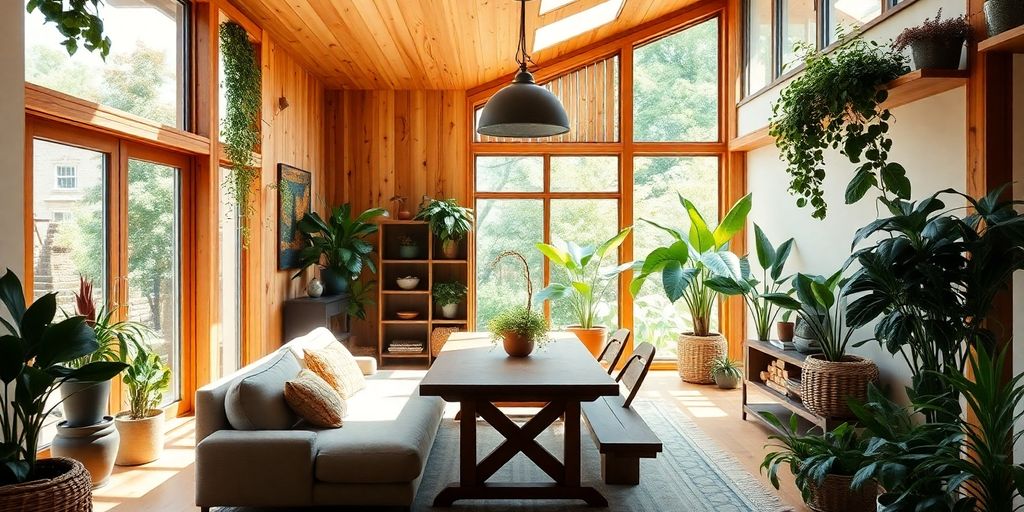
Using eco-friendly materials in your home remodel can bring a lot of advantages. First off, they’re better for the environment. By choosing sustainable options, you help reduce waste and minimize the impact on our planet. Plus, these materials often improve the indoor air quality of your home since many are free from harmful chemicals. This means a healthier living space for you and your family. Not to mention, homes with eco-friendly materials often have higher property values, making it a smart investment.
Popular Sustainable Choices
When it comes to sustainable materials, there’s a lot to pick from. Bamboo is a favorite for flooring because it’s durable and grows super fast. Recycled metal and glass are also great picks for countertops and tiles, giving your home a unique look while being kind to the planet. Low-VOC paints are another must-have, reducing the release of toxic fumes. And let’s not forget about reclaimed wood, which adds character and charm to any space.
Cost Considerations
Sure, sustainable materials can sometimes be pricier upfront, but they often save you money in the long run. Energy-efficient windows and insulation, for example, can lower your utility bills. Plus, many eco-friendly products are built to last, meaning fewer replacements and repairs. It’s all about balancing the initial cost with future savings. If you’re looking for ways to incorporate these materials into your home, Ruach Home Services offers tailored solutions that focus on quality and sustainability.
Integrating Smart Home Technology
Enhancing Home Security
When you think about home security these days, it’s not just about locks and alarms anymore. Smart home tech has totally changed the game. Imagine having cameras you can control from your phone, or doorbells that let you see who’s there without getting up. These tools not only make your home safer but also give you peace of mind when you’re away.
- Smart Locks: Control who enters your home with just a tap on your phone.
- Video Doorbells: See and talk to visitors even when you’re not home.
- Security Cameras: Keep an eye on things from anywhere, anytime.
Improving Energy Efficiency
Smart home gadgets can really help cut down on energy use. Think about smart thermostats that learn your routine and adjust the temperature automatically. Not only do they keep your home comfy, but they also save you money on bills. And don’t forget about smart lighting systems that turn off when you leave a room. These little changes can make a big difference.
- Smart Thermostats: Adjust and program your home’s temperature remotely.
- Automated Lighting: Set schedules and use sensors to reduce energy waste.
- Energy Monitoring: Track your usage to find ways to save more.
Embracing smart technology isn’t just about convenience—it’s about making your home work smarter for you.
Convenience and Control
The best part about smart home tech? It’s all about making life easier. With everything connected, you can control lights, appliances, and even your coffee maker from your phone or voice assistant. Imagine waking up and having your coffee ready without lifting a finger. It’s like having a personal assistant right at home.
- Voice Assistants: Control your home with simple voice commands.
- Smart Appliances: Automate daily tasks for more free time.
- Centralized Control: Manage everything from one app or device.
For a deeper look into revolutionizing home renovations with smart tech, consider how these features transform everyday living. Smart homes are not just a trend—they’re the future of home living.
Designing Open Floor Plans
Maximizing Space and Flow
Open floor plans are all about creating a space that feels larger and more connected. Think about it as removing barriers—literally and figuratively. By knocking down walls, you can merge your kitchen, dining, and living areas into one seamless space. This not only makes your home feel bigger but also encourages interaction and socializing. Consider using furniture strategically to define different zones within the open area without disrupting the flow.
Balancing Privacy and Openness
While open floor plans are great for connectivity, they can sometimes lack privacy. To strike a balance, you might want to incorporate elements like sliding doors or curtains that can be closed when needed. Another trick is to use furniture like shelves or screens to create "rooms" without walls. This way, you can enjoy the openness while still having the option to retreat into a more private setting.
Incorporating Natural Light
One of the best things about open layouts is how they can flood your home with natural light. Large windows, glass doors, and skylights are your best friends here. They not only brighten up the space but also make it feel even more open and airy. Don’t forget to consider the direction of the light—south-facing windows, for instance, can bring in a lot of warmth and brightness throughout the day.
Open floor plans can transform your living space into a more inviting and functional area. They offer a modern twist on traditional layouts, making your home feel more spacious and connected.
Exploring Color and Pattern Trends
Choosing the Right Color Palette
Picking a color palette is like setting the mood for your entire home. Are you after a calming vibe or something more energetic? Bold colors can make a statement, but don’t shy away from softer hues if that’s more your style. When selecting colors, consider how they look in different lighting throughout the day. Natural light can change the perception of a color, making it appear warmer or cooler. Some folks love the idea of a feature wall where a single bold color or pattern draws the eye. This approach can add depth and interest without overwhelming the space.
Mixing Patterns with Confidence
Mixing patterns might sound intimidating, but it can be a fun way to add personality to your home. Start with one main pattern, maybe on a rug or a set of curtains, and then layer in smaller patterns through pillows or artwork. The key is to vary the scale—large patterns pair well with smaller ones. And don’t forget about texture; it’s a great way to add dimension without adding more color or pattern. If you’re unsure, stick to a consistent color scheme to tie everything together. Remember, it’s about balance, not perfection.
Personalizing Your Space
Your home should reflect your personality. Whether you love vibrant colors or prefer a more muted palette, make sure your choices resonate with you. Incorporate items that have personal meaning, like a family heirloom or a piece of art you adore. These elements can be the anchor for your design decisions. And if you’re feeling stuck, consider consulting Ruach Home for expert interior design advice. They can help you create a space that’s both beautiful and functional. Personalization is about making your home feel like a true reflection of who you are.
Ensuring a Smooth Remodeling Process
Remodeling your home is a big deal, and it can get pretty hectic. But with some good planning and a few handy tips, you can keep things from going off the rails.
Effective Communication with Contractors
Keeping the lines open with your contractor is key. Make sure everyone knows what’s expected and don’t be shy about asking questions. It helps to have regular check-ins, maybe weekly, to see how things are going. A little chat can go a long way in catching problems early.
Preparing for Unexpected Challenges
Stuff happens, right? Be ready for surprises. Maybe the tiles you picked are out of stock, or that wall you wanted to knock down is load-bearing. Having a backup plan, or at least being flexible, can save you a lot of headaches. It might help to set aside a bit of extra cash for these hiccups.
Regular Progress Inspections
Don’t just sit back and hope for the best. Check in regularly on the work being done. You don’t have to be a pro, but just making sure things look like they’re on track can prevent bigger issues later. If something seems off, talk to your contractor right away.
Remodeling can be messy, but with the right approach, it doesn’t have to be stressful. Stay involved, keep talking, and remember to enjoy the process of creating your new space.
Post-Remodel Maintenance Tips
Routine Cleaning and Upkeep
After the big reveal of your newly remodeled space, it’s easy to forget about the importance of regular cleaning. Dust can settle quickly, especially on new surfaces. Make it a habit to dust and wipe down surfaces weekly. This includes everything from countertops to baseboards. Pay special attention to areas prone to fingerprints or smudges, like glass doors or shiny fixtures. Consistent cleaning can prevent wear and tear, keeping your space looking fresh for years.
Seasonal Maintenance Tasks
Each season brings its own set of maintenance challenges. In the spring, check for any water damage or leaks that might have appeared during the winter months. Summer is a great time to inspect and clean your gutters. As fall rolls around, ensure your heating system is ready for the colder months. And in winter, watch out for any drafts or insulation issues. Keeping a seasonal checklist can help you stay on top of these tasks without feeling overwhelmed.
Addressing Wear and Tear Promptly
No matter how well you maintain your home, wear and tear is inevitable. The key is addressing these issues as soon as they arise. Whether it’s a small crack in the wall or a loose tile, fixing these problems early can prevent them from becoming bigger headaches later on. Regular inspections can help catch these issues before they escalate. Remember, a quick fix now can save a lot of time and money down the road.
"After a remodel, your home is like a new car. It needs regular care to keep running smoothly and looking its best."
By following these tips, you can ensure that your remodeled space remains a source of pride and comfort for years to come. For more detailed cleaning tips, consider checking out essential post-renovation cleaning steps to keep your home pristine.
After you remodel your home, keeping it in great shape is key. Regular checks and simple upkeep can help you enjoy your new space for years. Don’t forget to visit our website for more tips and to learn how we can assist you with your home care needs!
Conclusion
So, there you have it! Remodeling your home can be a wild ride, but it’s totally worth it in the end. Whether you’re going green with sustainable materials or adding the latest smart home tech, the possibilities are endless. Just remember, a little planning goes a long way. Keep your budget in check, stay flexible, and don’t be afraid to get creative with colors and patterns. At the end of the day, it’s all about making your space feel like home. Happy remodeling!
Frequently Asked Questions
What should I consider when planning a home remodel?
First, decide what you want to change and why. Set a clear budget and timeline. Think about hiring professionals who can help make your vision come true.
Why use eco-friendly materials in remodeling?
Eco-friendly materials are better for the environment and can make your home healthier. They often last longer and can save you money on energy bills.
How can smart home technology improve my house?
Smart home gadgets can make your life easier. They help you control lights, security, and temperature from your phone, making your home safer and more energy-efficient.
What’s popular about open floor plans?
Open floor plans make your home feel bigger and brighter. They allow for better flow between rooms and are great for family gatherings.
How do I choose the right color scheme for my home?
Pick colors that you love and that make you feel happy. Think about how colors work together and how they look in different lights.
What should I do if I face problems during remodeling?
Stay calm and talk to your contractor about any issues. Be ready to adjust your plans if needed and keep an eye on the progress.