
House restoration services are essential for homeowners who want to breathe new life into their homes while preserving their unique character. Whether you’re dealing with an old house that needs repairs or simply want to update your space, understanding the key aspects of restoration can help you make informed decisions. This article will guide you through the importance of restoration, common needs, how to choose the right professionals, innovative techniques, budgeting tips, maintenance advice, and inspiring success stories.
Key Takeaways
- House restoration helps keep the original style of your home.
- Fixing up old houses can increase their value.
- Energy-efficient upgrades can save you money on bills.
- Choosing skilled professionals is crucial for quality work.
- Regular upkeep is necessary to protect your restored home.
Understanding the Importance of House Restoration
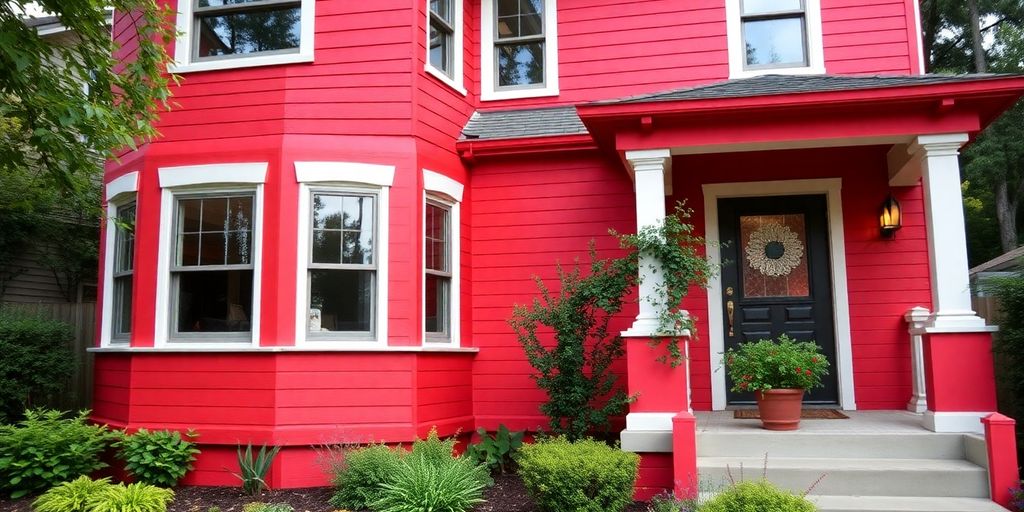
House restoration is crucial for many reasons. It helps keep the beauty and history of your home alive. Here are some key points to consider:
Preserving Architectural Integrity
- Maintaining the original design and style of your home.
- Protecting unique features that make your house special.
- Ensuring that any repairs match the original materials and craftsmanship.
Enhancing Property Value
- Restored homes often sell for more money.
- A well-maintained house attracts more buyers.
- Improvements can lead to better appraisals.
Improving Energy Efficiency
- Upgrading old systems can save on energy bills.
- Better insulation and windows keep your home comfortable.
- Using modern materials can reduce your carbon footprint.
Restoring your home is not just about fixing things; it’s about creating a space that feels right for you and your family.
In summary, house restoration is important for keeping your home beautiful, increasing its value, and making it more energy-efficient. Whether you need help with structural issues or just want to update your home, expert services can guide you through the process. Remember, a well-restored home is a happy home!
Identifying Common Restoration Needs
When it comes to restoring a home, understanding the common needs is essential. Homeowners often face various challenges that require attention. Here are some key areas to consider:
Addressing Structural Issues
- Foundation problems: Cracks in walls or uneven floors can indicate serious issues.
- Roof repairs: Leaks or missing shingles need immediate fixing.
- Pest damage: Look for signs of termites or rodents that can weaken your home.
Restoring Historical Features
- Preserving original details: Keep elements like moldings, doors, and windows that reflect the home’s history.
- Researching historical styles: Understand the architectural style to maintain authenticity.
- Using traditional materials: When possible, use materials that match the original construction.
Updating Outdated Systems
- Electrical upgrades: Old wiring can be a fire hazard; consider modernizing it.
- Plumbing improvements: Replace old pipes to prevent leaks and improve water quality.
- HVAC systems: Upgrade to energy-efficient models for better comfort and savings.
Restoring a home is not just about fixing what’s broken; it’s about bringing back its soul and character.
By focusing on these common restoration needs, homeowners can ensure their projects are successful and rewarding. Remember, a well-planned restoration can greatly enhance your living space and its value.
Choosing the Right Restoration Professionals
When it comes to restoring your home, selecting the right professionals is crucial. You want experts who understand your needs and can deliver quality work. Here are some key points to consider:
Evaluating Credentials and Experience
- Check for licenses and certifications.
- Look for reviews and testimonials from past clients.
- Ask about their experience with similar restoration projects.
Understanding Restoration Techniques
- Inquire about the methods they use for restoration.
- Ensure they are familiar with both traditional and modern techniques.
- Discuss how they plan to handle any unique challenges your home may present.
Ensuring Compliance with Local Regulations
- Verify that they understand local building codes.
- Ask if they have experience working with permits and inspections.
- Ensure they follow safety standards to protect your home and family.
Choosing the right restoration professionals can make a big difference in the outcome of your project. Take your time to research and ask questions to find the best fit for your needs.
Exploring Innovative Restoration Techniques
Utilizing Sustainable Materials
Using sustainable materials is a key part of modern restoration. These materials not only help the environment but also improve the overall look of your home. Here are some examples:
- Reclaimed wood for flooring and beams
- Recycled metal for roofing and fixtures
- Low-VOC paints to reduce indoor air pollution
Choosing sustainable options can lead to a healthier home.
Incorporating Modern Technology
Modern technology can greatly enhance restoration projects. Some ways to incorporate it include:
- Smart home systems for better energy management
- Advanced insulation materials to improve energy efficiency
- 3D modeling for precise planning and design
Balancing Tradition with Innovation
Restoration is about keeping the character of your home while also making it functional. Here are some tips:
- Blend old and new styles in design
- Use traditional techniques alongside modern methods
- Keep historical features while updating systems
Innovative restoration techniques can transform your space while respecting its history.
By exploring these innovative techniques, homeowners can achieve a beautiful balance between preserving their home’s charm and enhancing its functionality.
Budgeting for Your Restoration Project
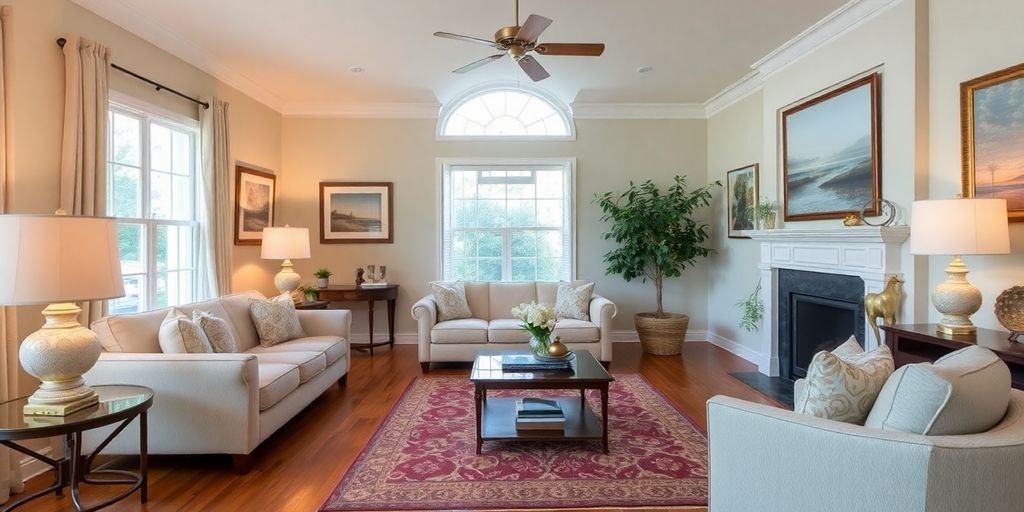
When planning a restoration project, it’s crucial to have a clear budget. Understanding your financial limits will help you make informed decisions throughout the process. Here are some key steps to consider:
Estimating Costs and Timelines
- Assess the Scope: Determine what areas of your home need restoration. This could include structural repairs, updating systems, or restoring historical features.
- Get Quotes: Reach out to multiple contractors to get estimates. This will give you a better idea of the average costs involved.
- Plan for Surprises: Always set aside an extra 10-20% of your budget for unexpected expenses.
Exploring Financing Options
- Personal Savings: Using your own savings can be the simplest way to fund your project.
- Home Equity Loans: If you have equity in your home, this can be a good option for larger projects.
- Government Grants: Look for local or state programs that offer financial assistance for home restoration.
Prioritizing Restoration Tasks
- Immediate Needs: Focus on structural issues first to ensure safety.
- Aesthetic Improvements: Once the essentials are taken care of, consider cosmetic updates.
- Long-term Upgrades: Plan for energy-efficient systems that can save you money in the long run.
Remember, a well-planned budget not only helps you manage your finances but also ensures that your restoration project runs smoothly and successfully.
By following these guidelines, you can effectively manage your budget and achieve the home of your dreams. Don’t forget to consider premium no.1 complete home remodeling services for comprehensive solutions that cover everything from design to construction!
Maintaining Your Restored Home
After investing time and resources into restoring your home, it’s crucial to keep it in great shape. Regular maintenance can prevent bigger problems down the road. Here are some tips to help you maintain your restored home:
Regular Maintenance Tips
- Inspect your roof at least twice a year for any damage or wear.
- Clean gutters regularly to avoid water damage.
- Check for leaks in plumbing and fix them promptly.
Protecting Your Investment
To ensure your home stays valuable, consider these actions:
- Keep records of all maintenance and repairs.
- Use quality materials for any repairs or upgrades.
- Stay updated on local property values and trends.
Planning for Future Upgrades
As your home ages, you may want to consider:
- Upgrading energy-efficient appliances.
- Adding smart home technology.
- Restoring or enhancing outdoor spaces.
Maintaining your home is not just about fixing things; it’s about preserving the beauty and value of your investment.
By following these guidelines, you can ensure that your home remains a comfortable and beautiful place for years to come. Remember, no.1 home remodeling services can help you with any major issues that arise, ensuring your home stays in top condition!
Success Stories: Transformative Restoration Projects
Reviving Historic Homes
Restoring historic homes is a rewarding challenge. These projects often involve:
- Preserving original features like moldings and windows.
- Updating systems to meet modern standards while keeping the character of the home.
- Ensuring the house remains a part of the community’s history.
Modernizing Mid-Century Houses
Mid-century homes can be transformed into stylish living spaces. Key steps include:
- Opening up floor plans for a more spacious feel.
- Incorporating energy-efficient appliances and fixtures.
- Using sustainable materials to enhance the home’s appeal.
Customizing Contemporary Spaces
Contemporary homes offer a blank canvas for creativity. Homeowners often focus on:
- Adding personal touches that reflect their style.
- Utilizing innovative technology for smart home features.
- Balancing aesthetics with functionality.
Transformative restoration projects not only enhance beauty but also increase property value.
In summary, successful restoration projects can breathe new life into homes, making them more functional and beautiful while respecting their unique histories. Whether it’s a historic home or a modern space, the right approach can lead to stunning results.
| Project Type | Key Features | Outcome |
|---|---|---|
| Reviving Historic Homes | Original features preserved, updated systems | Enhanced community value |
| Modernizing Mid-Century | Open floor plans, energy-efficient upgrades | Stylish, functional living |
| Customizing Contemporary | Personal touches, smart technology | Unique, modern spaces |
Explore inspiring success stories of restoration projects that have changed lives and homes for the better. If you’re ready to start your own transformation, visit our website today to learn more about how we can help you!
Final Thoughts
In conclusion, transforming your home can be an exciting journey. With the right house restoration services, you can turn your dreams into reality. Whether you want to update a room or completely change your space, there are experts ready to help. They know how to make your home look great while keeping it safe and strong. So, if you’re thinking about making changes, don’t hesitate to reach out for help. Your perfect home is just a project away!
Frequently Asked Questions
What is house restoration?
House restoration is the process of fixing and improving a home to make it look better and work well. This can include repairs to the structure, updating old systems, and bringing back historical features.
Why is it important to restore a house?
Restoring a house is important because it keeps the building strong and safe. It can also make the home more valuable and energy-efficient, which can save money on bills.
How do I know if my house needs restoration?
You might need restoration if you see cracks in the walls, leaks in the roof, or if the heating and cooling systems are old and not working well. A professional can help check the condition of your home.
What should I look for in a restoration expert?
When choosing a restoration expert, look for their experience and qualifications. It’s good to read reviews and ask for examples of their past work to make sure they can do a great job.
What are some common restoration techniques?
Common restoration techniques include using eco-friendly materials, updating old systems with new technology, and keeping the original style of the home while adding modern touches.
How can I budget for a restoration project?
To budget for a restoration project, start by estimating the costs for materials and labor. It’s also smart to look into financing options and decide which parts of the project are most important to tackle first.