
Thinking about a complete home restoration? It’s a big project, no doubt. But with the right approach, you can turn your space into something amazing. Whether you’re fixing up an old place or just want a fresh start, this guide will help you through it all. From planning to picking the right people, and even putting on those final touches, we’ve got you covered. Let’s dive into the world of home makeovers and make your dream space a reality.
Key Takeaways
- Plan ahead and set clear goals for your home restoration.
- Budget carefully to avoid unexpected costs during the project.
- Hire professionals like contractors and designers to ensure quality work.
- Stay flexible with timelines to accommodate any surprises.
- Focus on both functionality and aesthetics for a balanced design.
Planning Your Complete Home Restoration
Setting Realistic Goals and Expectations
Before you dive into a home restoration project, it’s important to set clear goals. Ask yourself what you want to achieve. Is it a full makeover or just a few updates to modernize your space? Be honest about what’s possible within your budget and time frame. Overestimating what can be done often leads to frustration. Consider the condition of your home and decide which areas need the most attention.
Creating a Detailed Budget Plan
Budgeting is the backbone of any successful renovation. Start by listing all potential expenses. This includes materials, labor, permits, and even a buffer for unexpected costs. It’s easy to overlook small expenses that can add up quickly. To keep things in check, use a simple table like the one below:
| Item | Estimated Cost |
|---|---|
| Materials | $5,000 |
| Labor | $10,000 |
| Permits | $500 |
| Contingency Fund | $2,000 |
Researching Permits and Regulations
Understanding local building codes and permits is crucial. Each area has its own set of rules, and failing to comply can lead to costly delays. Spend some time researching what’s required for your project. Sometimes, hiring a professional who knows the local regulations can save you a lot of hassle. This step ensures that your restoration is not only beautiful but also legal.
"Planning your home restoration is about balancing dreams with reality. It’s about being prepared for the unexpected and staying flexible."
For more detailed steps on renovating a house, consider determining a budget and planning your design carefully. These are foundational aspects that can make or break your project.
Choosing the Right Professionals for Your Project
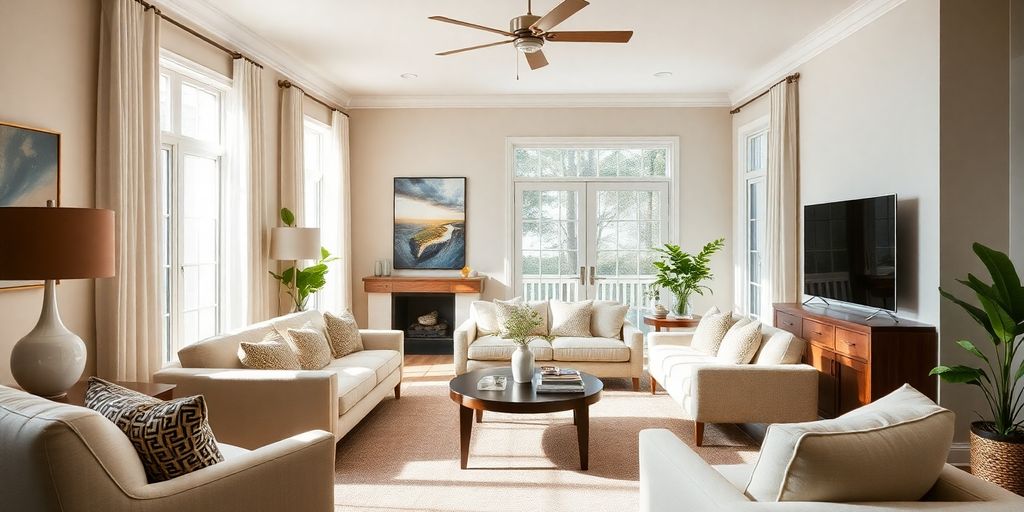
Choosing the right contractors and designers is a big step in your home restoration journey. You want to make sure you’re not just hiring anyone who can swing a hammer or sketch a room. Experience and communication are key. When interviewing potential contractors, ask about their years of experience and the kind of projects they’ve worked on. Don’t be shy about asking for references or checking online reviews. It’s also smart to make sure they have all the necessary licenses and insurance. This isn’t just about safety; it’s about peace of mind.
Consulting with Architects
An architect can be a real asset, especially if you’re planning major changes. They can help you design spaces that are both beautiful and functional. When choosing an architect, look for someone whose style matches your vision. You might want to check out their past projects to see if their designs resonate with what you have in mind. Remember, the right architect can make a huge difference in turning your dreams into reality.
Evaluating Past Projects and References
Before you sign any contracts, take the time to evaluate the past projects of your prospective hires. This is where you can really see their skills in action. Ask to see photos of previous work or even visit a site if possible. Talking to past clients can give you insights into what it’s like to work with them. Were they on time? Was the quality up to par? Did they stick to the budget? These are the kind of questions you want answers to before making your decision.
Bringing the right professionals on board is like assembling your dream team. It might take a bit of effort upfront, but it pays off in the long run when your home restoration project runs smoothly and ends up exactly how you envisioned it.
If you’re unsure about hiring a general contractor, consider seeking expert advice to help you make an informed decision.
Designing Your Dream Space
Incorporating Modern Design Trends
Creating a home that feels fresh and contemporary involves weaving in modern design trends. Start by exploring current styles that resonate with your personal taste. Whether it’s the minimalist charm or the bold colors of mid-century modern, choose elements that reflect who you are. Remember, your home should feel like you, not just a page out of a magazine.
- Minimalism: Focus on clean lines and functional spaces.
- Sustainability: Incorporate eco-friendly materials and energy-efficient appliances.
- Smart Homes: Integrate technology for convenience and efficiency.
Balancing Functionality and Aesthetics
When designing your space, it’s crucial to strike a balance between how it looks and how it works. A beautiful room that doesn’t meet your needs won’t be enjoyable in the long run. Think about how each space will be used and plan accordingly.
- Identify Needs: List the primary functions of each room.
- Choose Multi-Functional Furniture: Opt for pieces that serve more than one purpose.
- Plan for Flow: Ensure there’s a natural flow between spaces to enhance usability.
A well-designed home is one where beauty meets practicality, creating a harmonious environment that supports your lifestyle.
Selecting Color Schemes and Materials
Choosing the right colors and materials can transform your home into a cohesive and inviting space. Start by selecting a color palette that complements your style and the mood you wish to create. Neutral tones provide a calming backdrop, while bold colors can add energy and personality.
- Warm Colors: Create a cozy and inviting atmosphere.
- Cool Colors: Offer a sense of calm and tranquility.
- Natural Materials: Use wood, stone, and other natural elements to add texture and warmth.
For more insights on transforming your space, check out our comprehensive guide to house renovations, which covers everything from assessing your area to the final decorating touches.
Executing the Restoration Process
Home restoration is an exciting yet challenging journey. It’s a bit like a puzzle; every piece needs to fit just right. Here’s how you can tackle the process effectively.
Demolition and Structural Changes
Before you can build something new, sometimes you have to tear down the old. Demolition is the first major step in your restoration project. This involves removing walls, old fixtures, and anything else that doesn’t fit your new vision. Safety is key here, so make sure you have the right gear and maybe even a professional crew to handle the heavy lifting.
- Assess the structure: Identify which walls or structures need to be removed.
- Plan your demolition: Have a clear plan to avoid damaging any essential parts of your home.
- Hire professionals: Consider hiring experts like Ruach Home Services for structural changes and to ensure everything is done safely and efficiently.
Plumbing and Electrical Updates
Once the dust settles from demolition, it’s time to focus on the guts of your home. Plumbing and electrical systems are like the veins and nerves, crucial for your home’s functionality.
- Update old pipes: Replace outdated plumbing to prevent future leaks or water damage.
- Upgrade electrical systems: Ensure your wiring is up to code and can handle modern appliances.
- Consult with professionals: Always work with licensed plumbers and electricians to avoid costly mistakes.
Installing Key Features and Fixtures
Now for the fun part—installing the features that make your house a home. This is where your personal style comes to life.
- Select quality fixtures: Choose durable and stylish fixtures that match your design.
- Focus on functionality: Ensure that every feature serves a purpose and enhances daily living.
- Personalize your space: Add unique touches that reflect your personality and lifestyle.
"Restoring a home is not just about making it look new again; it’s about creating a space that feels like yours."
By following these steps, you’ll not only transform your home but also make it a place that truly reflects who you are. Remember, patience and planning are your best friends in this process. Happy restoring!
Adding the Final Touches to Your Home
Painting and Decorating
The final stretch of your home restoration is all about adding those personal touches that make a house a home. A fresh coat of paint can transform any room, giving it a whole new vibe. When choosing colors, think about how they make you feel and how they complement your furniture and decor. Don’t be afraid to mix and match colors for different rooms to create distinct atmospheres.
- Start with a neutral base and add pops of color with accent walls or trim.
- Consider textured finishes for a more dynamic look.
- Use painter’s tape to achieve clean lines and professional results.
Furnishing and Accessorizing
Once the walls are done, it’s time to bring in the furniture. Choose pieces that not only fit your style but also your lifestyle. Comfort is key here. Think about how you use each space and select furniture that meets those needs.
- Opt for multi-functional furniture if space is limited.
- Layer rugs to add warmth and depth to the floors.
- Don’t forget about lighting—table lamps and floor lamps can create cozy corners.
Incorporating Personal Touches
Finally, sprinkle in those special items that reflect who you are. These are the things that turn a house into your home.
- Display family photos or art that speaks to you.
- Incorporate souvenirs from travels or meaningful keepsakes.
- Add plants or flowers to bring life and color into your space.
Remember, your home should be a reflection of you. It’s the little details that make it unique and inviting. Take your time with this stage and enjoy the process of making your space truly yours.
For more ideas on how to add the finishing touches to your home, explore inspiring color palettes and stylish designs that fit your budget and taste.
Maintaining Your Restored Home
Regular Maintenance and Upkeep
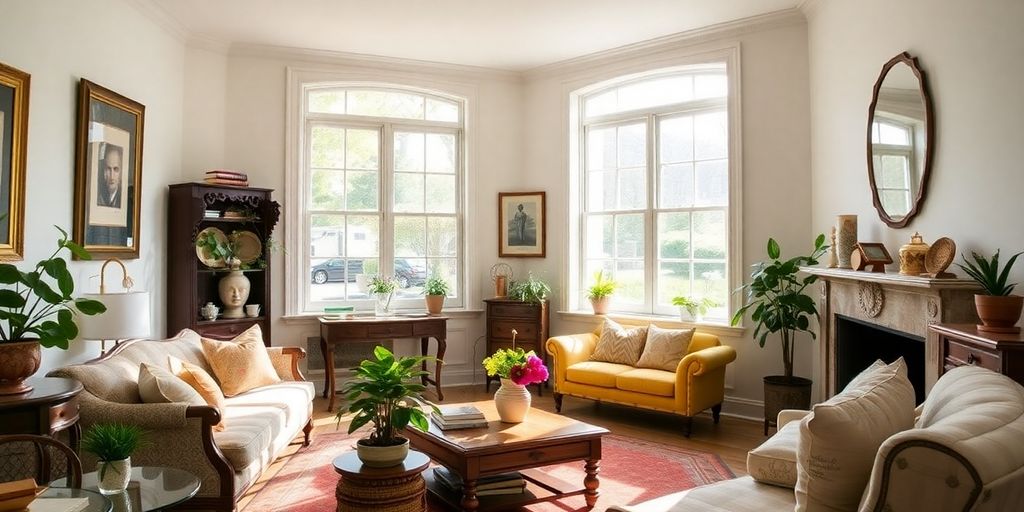
Once you’ve completed your home restoration, it’s vital to keep up with regular maintenance. This means setting a schedule for tasks like cleaning gutters, checking for leaks, and ensuring your HVAC system is running smoothly. Regular check-ups can prevent minor issues from turning into costly repairs. Consider creating a checklist to stay on top of these tasks, and remember, a little effort goes a long way in preserving your home’s condition.
- Inspect your roof and exterior for damage.
- Clean and maintain gutters and downspouts.
- Schedule annual HVAC inspections.
Addressing Wear and Tear
Over time, every home experiences some wear and tear. It’s important to address these issues promptly to maintain the integrity of your restoration work. Look for signs of damage like cracks in walls, peeling paint, or water stains. Fixing these problems early can save you from more significant headaches down the line. Sometimes, it might be worth consulting professionals, like those at Ruach Home Services, for advice or repairs.
Planning Future Updates and Renovations
Your home is a living space that evolves with your needs. Planning future updates or renovations can help keep it fresh and functional. Whether you’re thinking about adding a new room, updating your kitchen, or enhancing energy efficiency, it’s wise to plan ahead. Research trends, set a budget, and consult with experts to ensure your updates align with your original restoration vision.
Maintaining your home is an ongoing process that requires attention and care. By staying proactive, you not only preserve your investment but also ensure your home remains a comfortable and welcoming space for years to come.
Keeping your restored home in great shape is important. Regular checks and maintenance can help you spot issues early. Make sure to clean gutters, check for leaks, and keep an eye on your roof. For more tips on how to care for your home, visit our website today!
Wrapping Up Your Home Restoration Journey
So, there you have it. You’ve got the tools and tips to tackle your home restoration project. It’s a big job, no doubt about it, but breaking it down step-by-step makes it doable. Remember, patience is your best friend here. Things might not always go as planned, and that’s okay. Just roll with the punches and keep your end goal in sight. Whether you’re doing it all yourself or bringing in the pros, the key is to stay flexible and open to change. Your home is your canvas, and with a little effort and creativity, you can transform it into a space that truly reflects you. Happy renovating!
Frequently Asked Questions
What should I consider before starting a home restoration?
Before starting a home restoration, think about your goals, budget, and timeline. Make sure you understand any permits or rules you need to follow. It’s also smart to talk to professionals to get their advice.
How do I choose the right professionals for my home project?
To pick the right professionals, look at their past work and check their references. Talk to different contractors and designers to compare their prices and ideas. Make sure they understand your vision and budget.
What are some popular design trends for home restoration?
Some popular design trends include open floor plans, eco-friendly materials, and smart home technology. You might also consider using neutral colors and natural textures to create a modern look.
What are the key steps in the home restoration process?
The key steps include planning your project, hiring professionals, designing your space, and then executing the renovation. Start with structural changes, then move to plumbing and electrical updates, and finish with decorating.
How can I maintain my home after restoration?
Regular maintenance is important. Keep an eye out for wear and tear, and plan for future updates. It’s also good to have a schedule for cleaning and minor repairs to keep your home in top shape.
What are some tips for decorating my newly restored home?
Choose paint colors that match your style, and pick furniture that suits your needs. Add personal touches like family photos or artwork to make the space feel like home. Don’t forget to add some plants for a fresh look.